Getting Started with the Kube 15 MIE
The KEF Kube 15 MIE is the largest model in the Kube range, engineered to deliver the deepest bass for music and movies. Its 15-inch driver and 300W (RMS) Class D amplifier combine to produce a ground-shaking immersion, perfectly suited for large rooms. This guide covers placement and calibration tips to help you get the most from your subwoofer without relying on unsupported procedures.
Placement Considerations for Deep Bass
For the Kube 15 MIE, placement significantly affects bass response. Because it is designed for large rooms, you have flexibility, but a few general principles apply. Avoid placing the subwoofer in a corner unless you want to emphasize low frequencies, which can sometimes cause boominess. Instead, try positioning it along the front wall, about one-third of the way from a side wall, to balance output and clarity.
If possible, place the subwoofer at the same listening height as your main speakers to reduce phase cancellation. The Kube 15 MIE's cabinet is substantial, so ensure the surface is stable and the subwoofer has at least a few inches of clearance around its driver for airflow. Experiment with a few positions within the front half of the room to find the spot where bass sounds most even across your seating area.
Kube 15 MIE at a Glance
-
Kube 15 MIE: 15-inch driver and 300W (RMS) Class D amplifier deliver the deepest bass for music and movies. This combination is designed to fill large rooms with visceral bass, making placement and calibration more forgiving than smaller subwoofers.
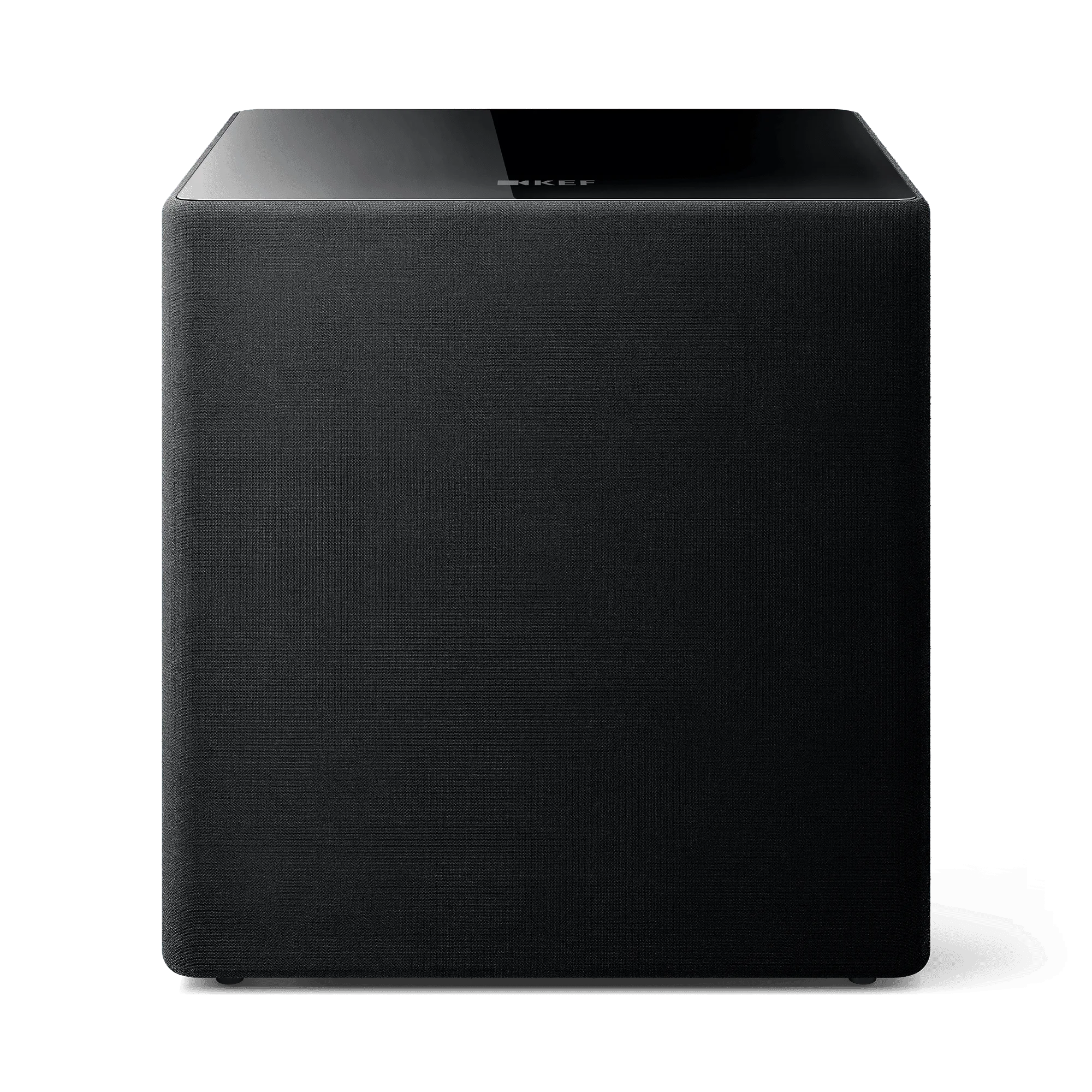
Kube 15 MIE
-
Kube 15 MIE: Music Integrity Engine optimizes depth and dynamics. The Music Integrity Engine ensures the subwoofer's output remains tight and controlled, which can reduce the need for aggressive EQ adjustments during calibration.
Calibration Tips Without Supplied Settings
The supplied information for the Kube 15 MIE does not include specific calibration steps, such as crossover frequencies or phase settings. However, you can still optimize performance using your AV receiver's built-in room correction system (like Audyssey or Dirac) or a manual sound level meter. Start by setting the subwoofer's volume to about halfway on its rear panel, then run the receiver's automatic calibration. After calibration, you can fine-tune the subwoofer level by ear for your preferred bass weight.
If your receiver lacks auto-calibration, set the crossover according to the product instructions and adjust phase initially to a neutral setting. Play a bass-heavy track and listen for a seamless blend with your main speakers. If the bass sounds disconnected or boomy, try reversing the phase. The Kube 15 MIE's powerful amplifier gives you headroom to experiment without distortion.
What the Supplied Information Does Not Cover
The catalog confirms the Kube 15 MIE's driver size, amplifier power, and Music Integrity Engine, but it does not specify exact placement distances, calibration microphone placement, or recommended crossover frequencies. For precise setup, refer to your AV receiver's manual or a professional calibration service. The Kube 15 MIE's robust design makes it forgiving, but room acoustics still play a major role in final sound quality.