Quick answer
Wash your Kupilka 205 spork by hand with warm water and mild soap, then let it air dry. The material resists moisture and everyday camp wear, but it is not designed for open flame, direct heat, or dishwasher cycles. Use it for eating, stirring, and light food prep, and store it loose so the tines and bowl do not get crushed.
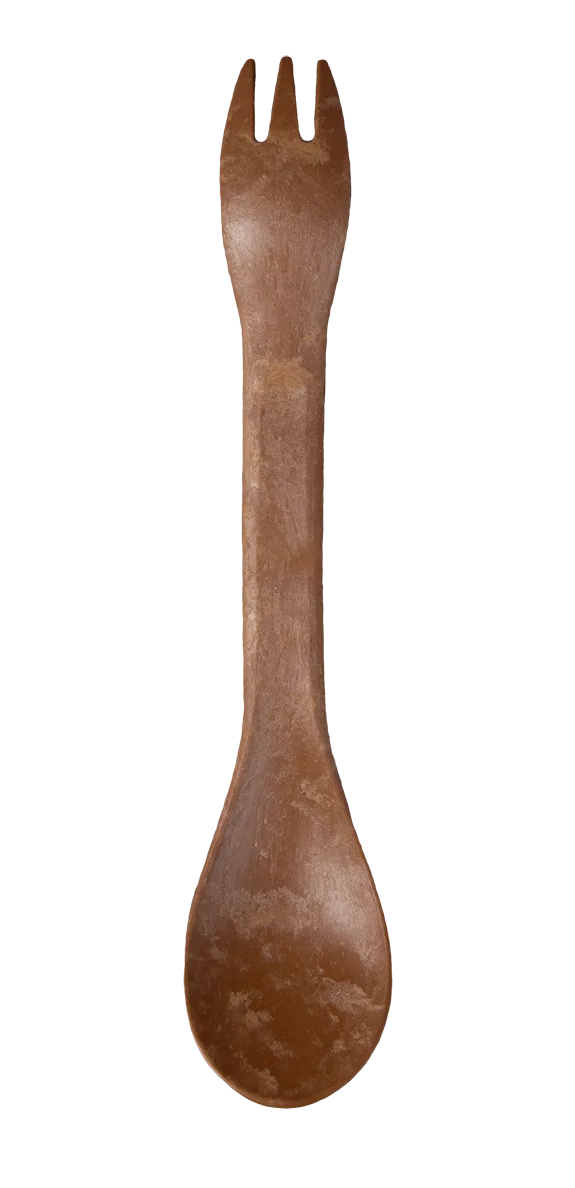
Kupilka 205 spork
A spork is the utensil you reach for when you want one tool to handle a pouch meal, a bowl of noodles, and a quick stir. The Kupilka 205 spork is built for that role, but it has its own care rules that differ from metal or cheap plastic utensils. This FAQ answers the practical questions that come up after you buy one.
Below you will find short, standalone answers on washing, durability, and when a spork makes more sense than a spoon. If you are still deciding what to carry, the same answers help you compare a camping spork vs spoon without guessing.
How do I wash a Kupilka 205 spork?
Wash it by hand in warm water with a mild dish soap and a soft sponge or cloth. Rinse thoroughly and let it air dry. Avoid abrasive scouring pads, steel wool, and harsh solvents, because they can dull the surface and leave scratches where food residue collects. A quick wipe with a damp cloth is enough for most trail meals.
Do not put it in a dishwasher. The heat and long exposure to water and detergent are harder on the material than a short hand wash, and repeated dishwasher cycles can shorten its useful life. If you are camping with limited water, a small bottle of biodegradable soap and a few ounces of water will clean it fine.
- Hand wash with warm water and mild soap.
- Air dry completely before packing it away.
- Skip the dishwasher and abrasive scrubbers.
How durable is the Kupilka material?
The material is designed to handle regular camp use: hot food, cold food, and the knocks that come with living out of a pack. It resists moisture and does not transfer metallic taste to food the way some bare metal utensils can. That makes it a good match for coffee, stews, and rehydrated meals.
It is not indestructible. Thin edges and tines can chip or deform if you pry with them, drop them on rock, or leave them pressed under heavy gear. Treat it like a quality camp tool rather than a pry bar, and it will hold up through many seasons of normal eating and stirring.
- Fine for hot and cold foods and daily camp use.
- Do not use it as a pry tool or leave it under heavy load.
- Inspect the tines and bowl edge after rough trips.
Can I use it for cooking or stirring?
Yes, for light tasks. It works well for stirring a pot of noodles, mixing a pouch meal, or scraping the last bit from a bowl. Keep it away from open flame and do not leave it resting in a hot pan or against a hot stove. Direct heat can damage the material and warp the shape.
For heavy stirring or scraping a hot skillet, use a dedicated cooking tool. The spork is an eating utensil first, and treating it that way keeps the tines and bowl in good shape for meals.
- Good for stirring and serving from a pot.
- Keep it off direct flame and hot surfaces.
- Use a separate tool for heavy scraping.
Spork vs spoon: which should I carry?
A spoon is better if you mostly eat soups, stews, and rehydrated meals, because the deeper bowl holds more liquid and is easier to clean. A spork adds tines for foods that need piercing or lifting, such as chunks of meat, pasta, or salad, so it covers more meal types with one tool.
If you carry only one utensil, a spork is the more flexible choice. If you already carry a small knife, a spoon may be enough and slightly easier to eat with. Many campers carry a spork as their primary utensil and add a small knife for cutting.
- Choose a spoon for liquid-heavy meals.
- Choose a spork for mixed meals and one-tool simplicity.
- A small knife pairs well with either.
How should I store and pack it?
Store it dry and loose in your cook kit or a pouch so the tines are not bent by heavier items. If you pack it with a stove or pot, place it on top or in a side pocket rather than at the bottom of a compressed load. A small stuff sack or elastic strap keeper can keep it from rattling.
Before a long trip, check that the bowl and tines are not cracked or bent. A quick inspection takes seconds and prevents a mid-trip surprise. If you notice a sharp edge or a deep gouge, retire the spork and replace it.
- Pack it dry and away from heavy pressure.
- Use a small pouch or keeper to stop rattling.
- Inspect before every trip.
Kupilka 205 spork care checklist
Washing
Hand wash with warm water and mild soap, then air dry. Never use a dishwasher or abrasive scrubber.
Heat limits
Keep it away from open flame, hot pans, and direct stove heat. Use a separate tool for hot cooking tasks.
Storage
Pack it dry and loose so tines and bowl are not crushed. Inspect for cracks or bends before each trip.
Gear facts that matter for camp kitchens
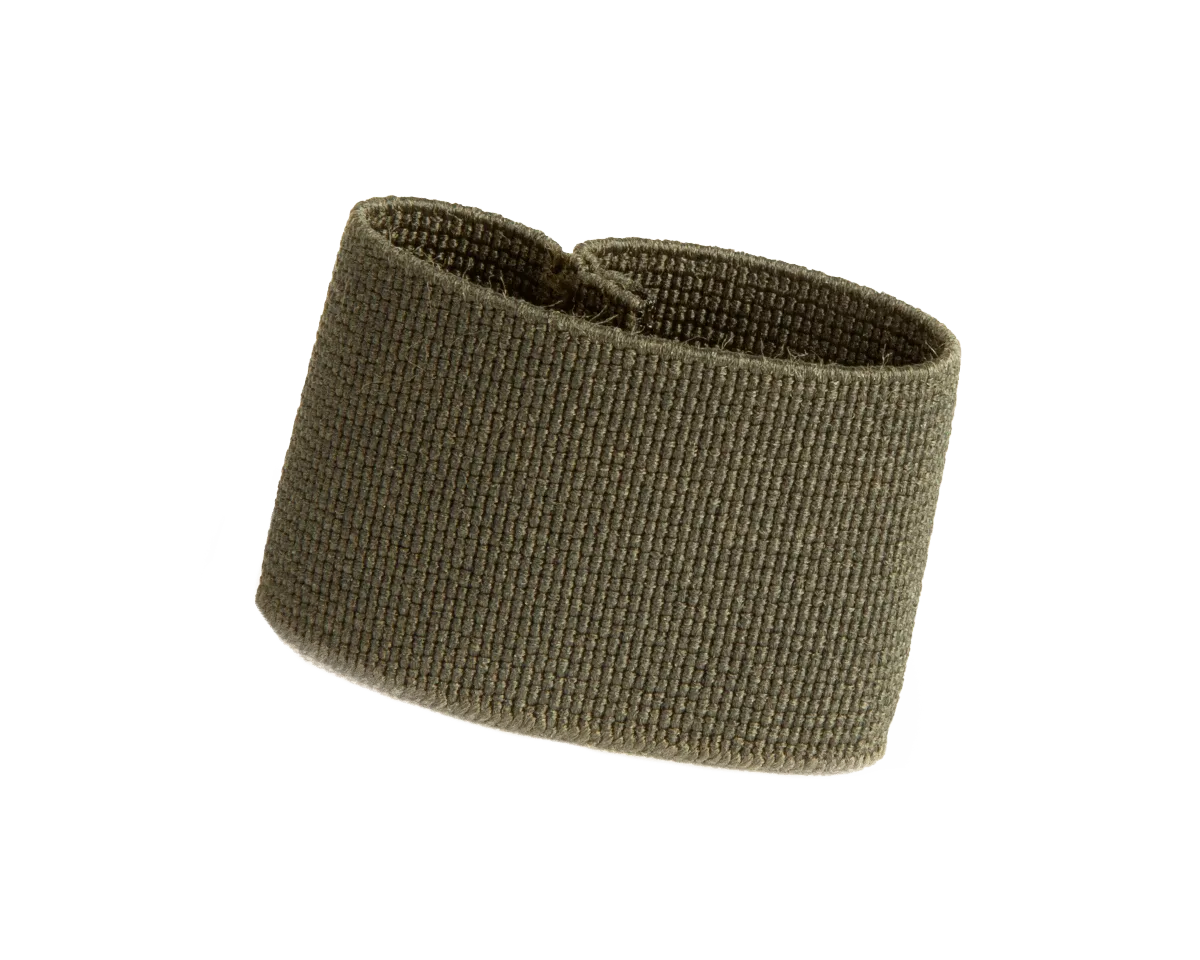
- Elastic strap keepers: The 50 mm keepers are great for 40 and 45 mm webbing too. If your cook kit or pouch uses webbing straps, these keepers tidy the loose ends so your spork does not get tangled or lost in a crowded pack.
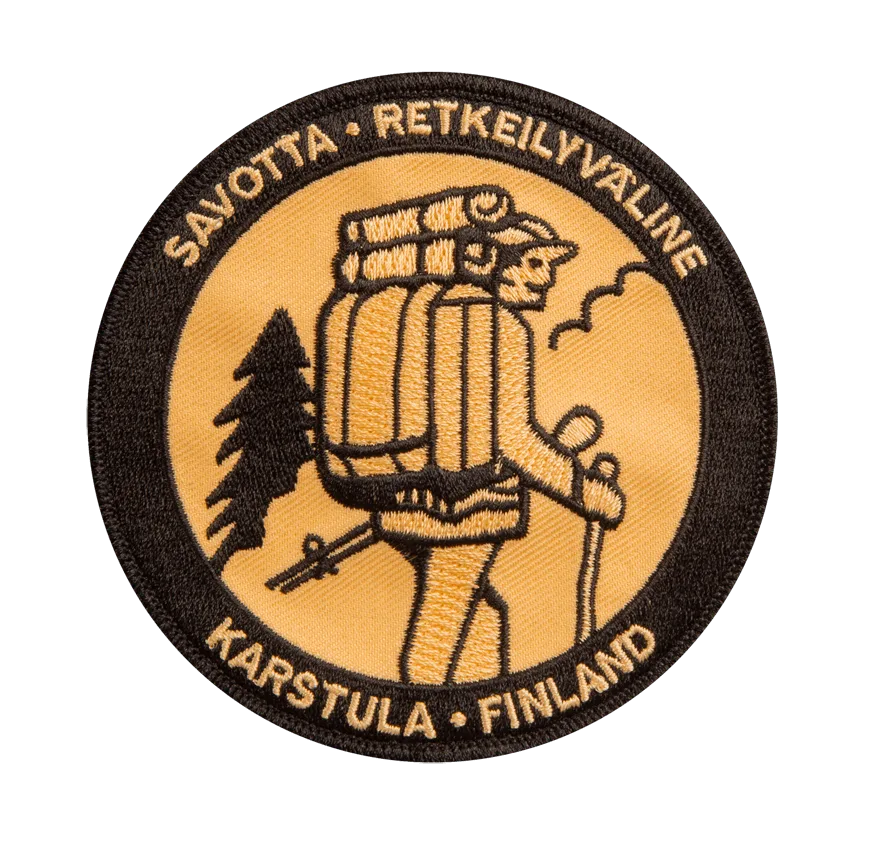
- Savotta retkeilyväline patch: A modern patch with hook attachment featuring the vintage Savotta retkeilyväline logo. A small way to mark your cook kit or pouch so it is easy to identify in a shared camp or group gear pile.
A Kupilka 205 spork earns its place in a camp kitchen when you treat it as a hand-washed eating tool rather than a heat-proof cooking utensil. Wash it gently, store it dry, and it will handle daily meals for many trips.