Quick answer
Most skin tint application problems come from three things: skin that is not prepped to the right finish, too much product applied at once, or a tool that is dragging instead of pressing. Start by matching your prep to your skin type, then apply thin layers and build only where you need coverage. If the tint still separates or looks patchy after those two changes, the formula is likely not matching your skin's needs, and switching to a different base or a targeted lip product is the better move.
Why skin tint goes patchy in the first place
Skin tint is designed to be lightweight, which means it has less pigment and less grip than a full-coverage foundation. That lightness is the point, but it also means the formula has to sit on skin that is already smooth and evenly hydrated. When skin is dry in some areas and oily in others, the tint grabs onto the dry patches and slides off the oily ones, which reads as patchiness.
The fix is not more product. It is making the surface more consistent before you apply anything. Cleanse, then use a moisturizer suited to your skin type, and give it a minute to settle. If you have oily skin, a light mattifying primer on the T-zone helps the tint hold without adding weight.
Application mistakes that cause cakey or uneven coverage
The most common mistake is applying skin tint like a full-coverage foundation. Dotting a large amount on each cheek and then blending outward forces you to work the product longer, which can lift it and create streaks. Instead, start with a small amount on the back of your hand, then press it into the center of the face and blend outward with a damp sponge or dense brush.
like
Another frequent issue is using a dry brush or fingers on dry skin. Fingers can work, but the warmth and pressure can make the tint break down unevenly if your hands are not clean or if you are rubbing rather than pressing. A damp sponge gives the most even result for most people, while a dense synthetic brush works well if you use light stippling motions.
How to adjust for oily skin without losing the finish
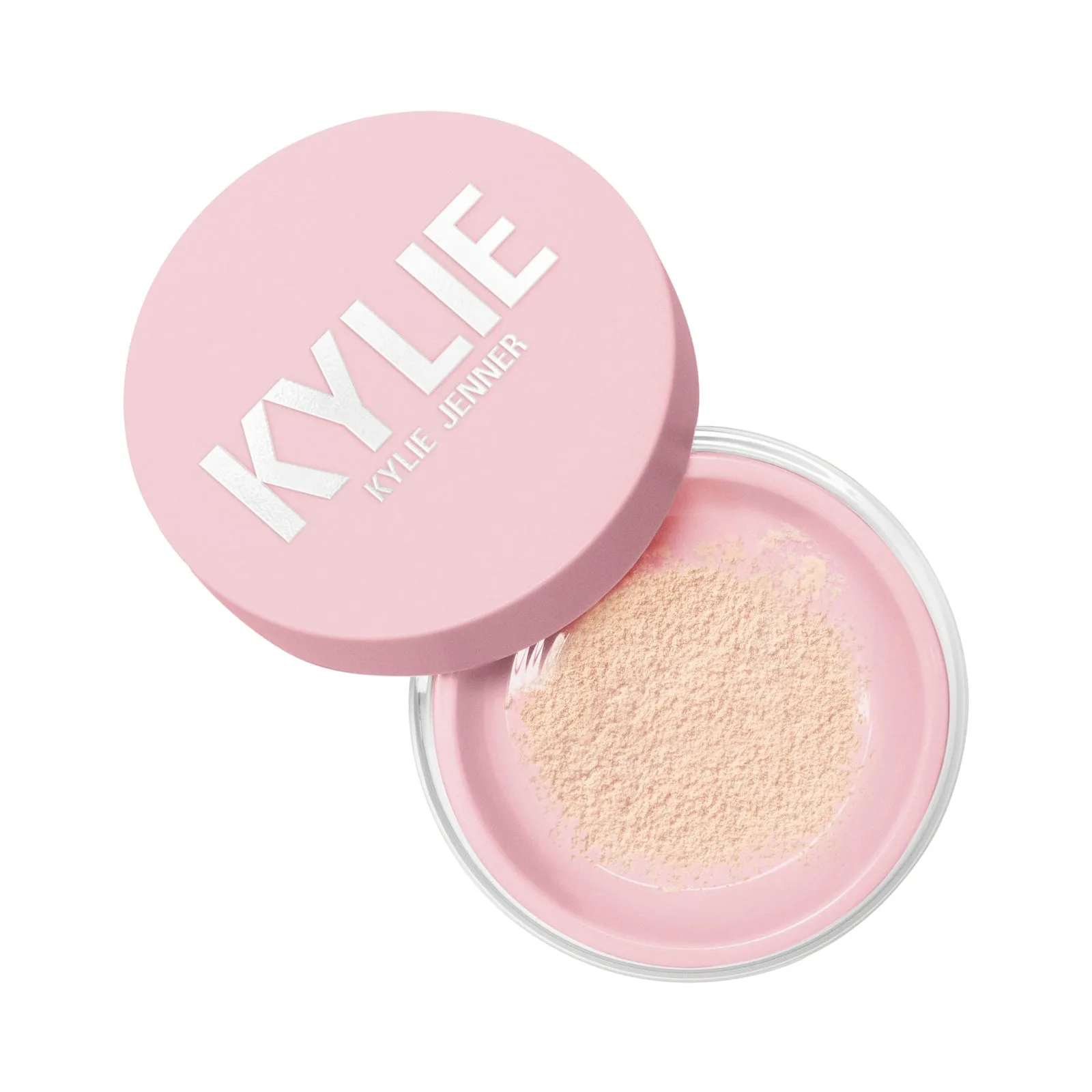
Oily skin can make skin tint separate around the nose and forehead within a few hours. The cause is usually a combination of excess surface oil and too much product in those areas. Blot before you apply, use a thin layer of tint only where you need it, and set just the T-zone with a light dusting of translucent-303048">translucent powder.
If you are layering skin tint over sunscreen, let the sunscreen set fully first. Applying tint onto tacky sunscreen is one of the fastest ways to get a patchy, pillowy texture. Wait two to three minutes, then press the tint on with a sponge.
When to stop adjusting and choose a different product
If you have tried proper prep, thin layers, and the right tool, and the tint still breaks apart or looks uneven, the formula may simply not suit your skin's current condition. That is not a failure of technique. Skin changes with weather, hormones, and routine, and a base that worked in summer may not work in winter.
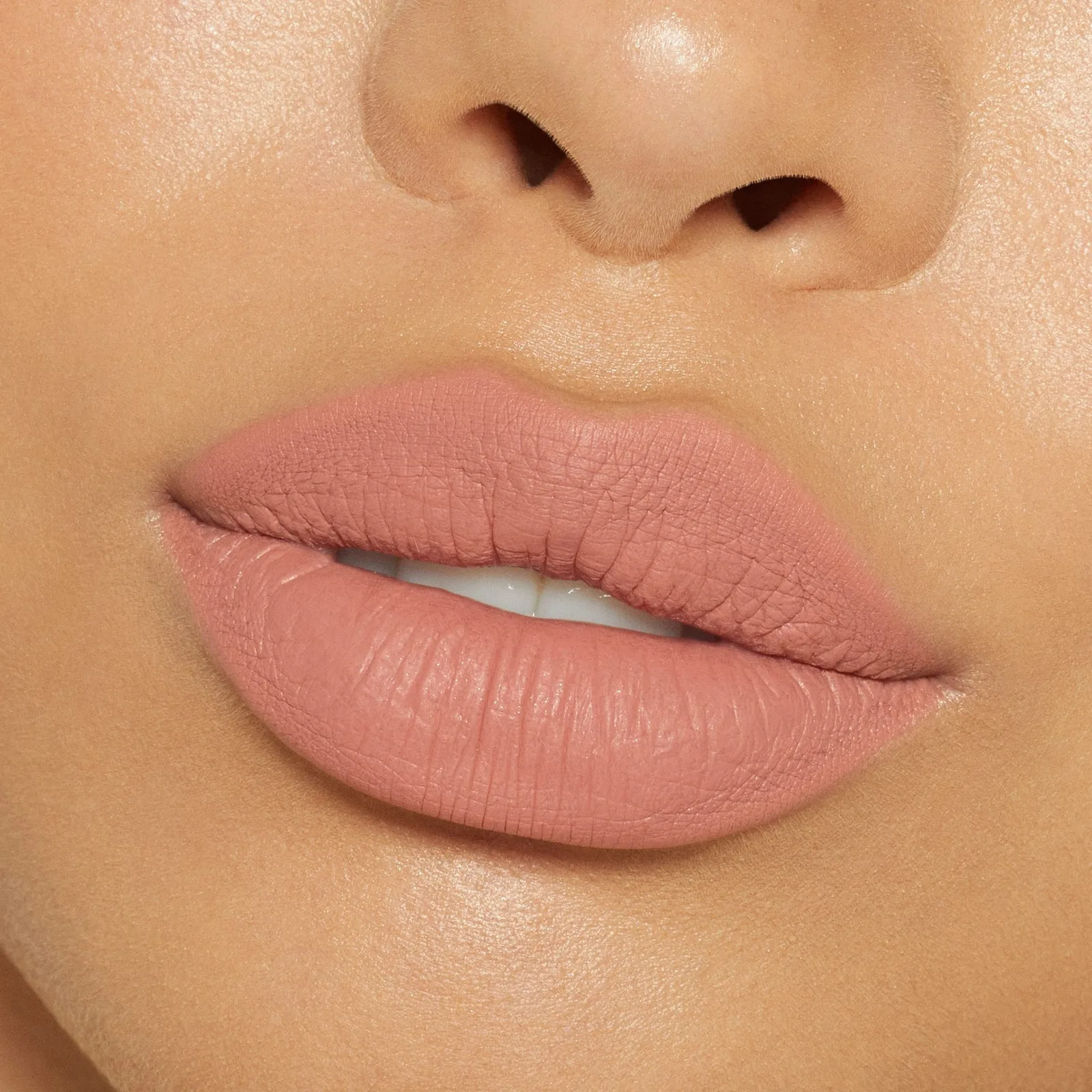
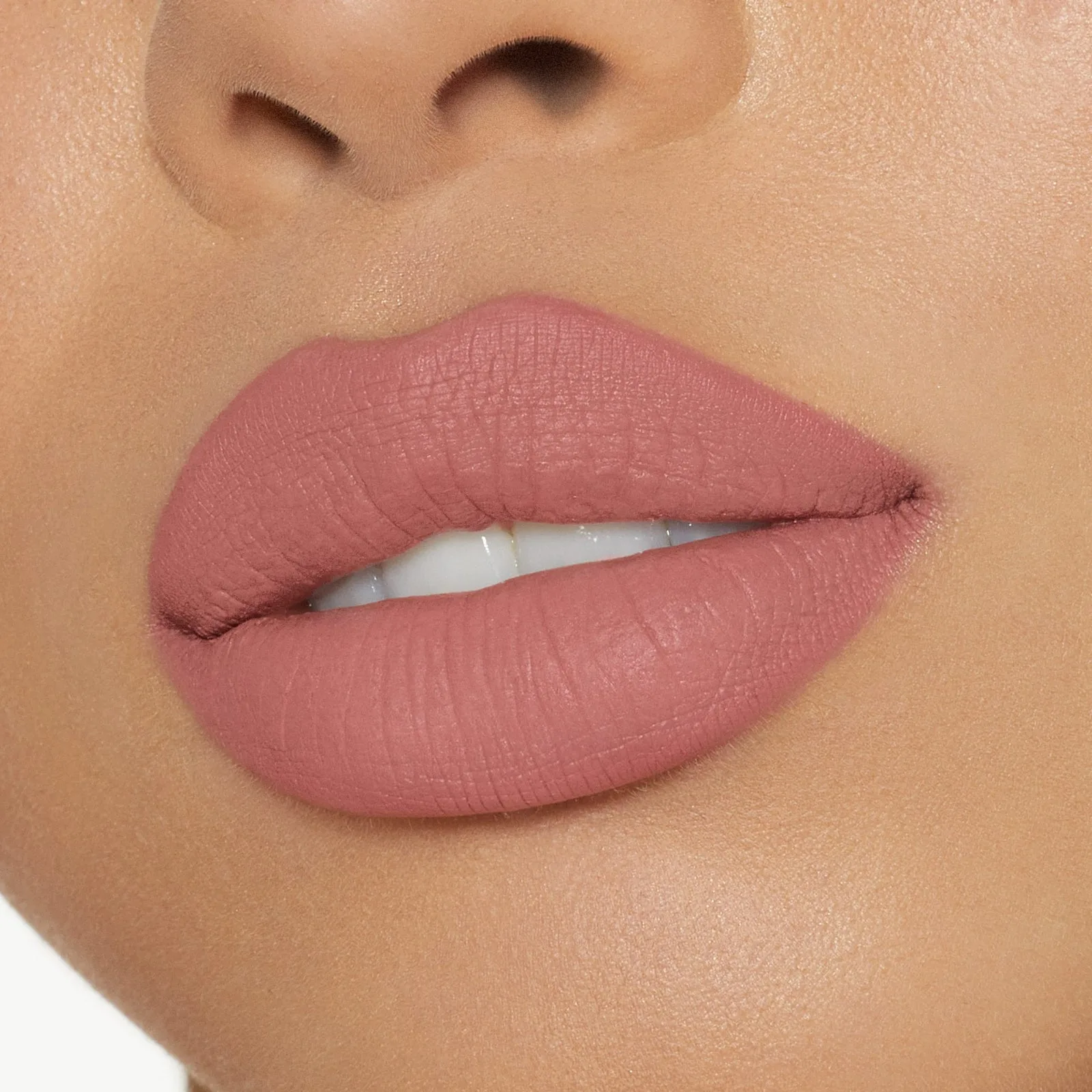
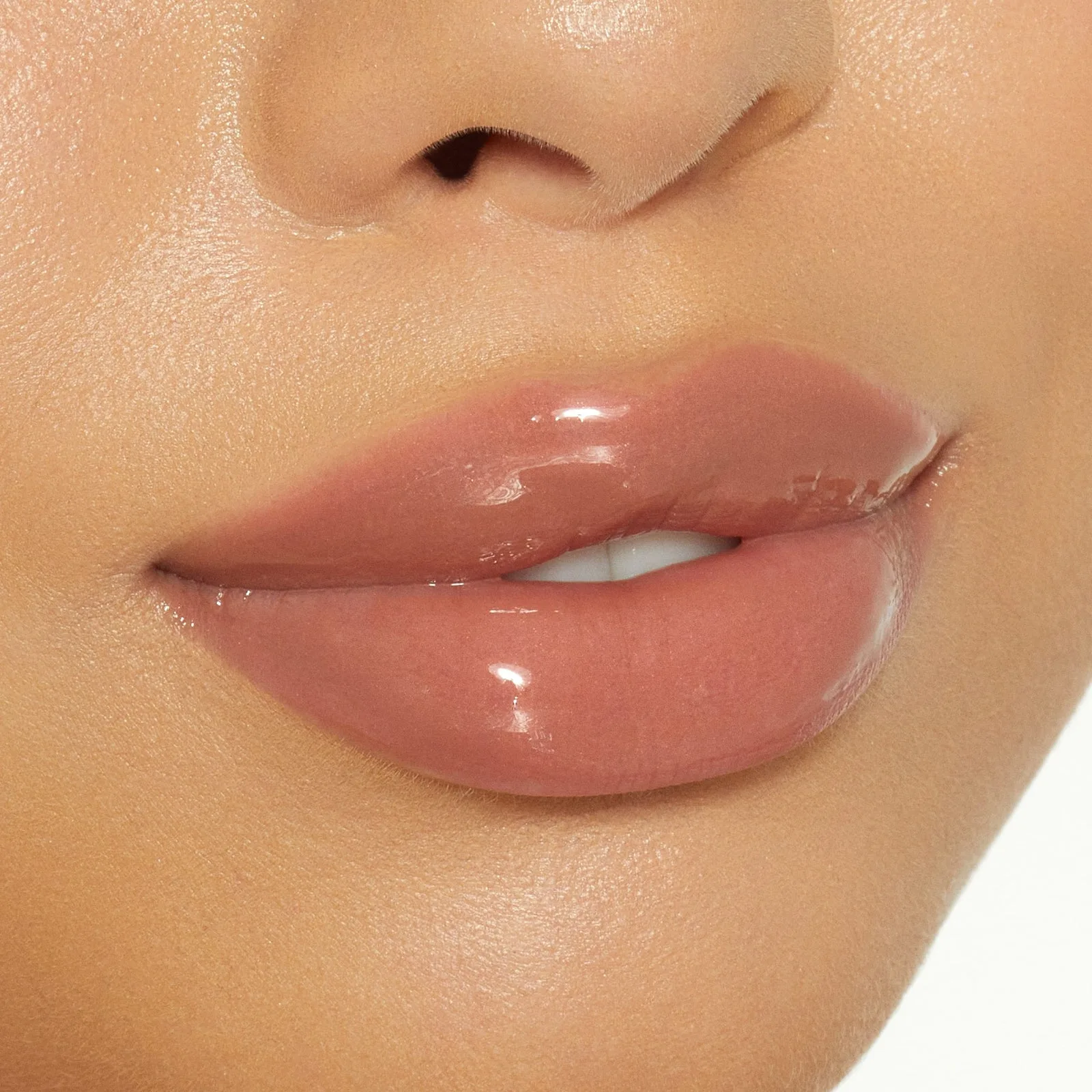
At that point, consider whether you actually want a tint at all. If you want a soft wash of color without base makeup, a warm neutral lip shade like Ginger can add polish to a bare-face look. If you want a bolder statement, a matte liquid lipstick like khlo$ delivers a velvety finish that does not depend on skin texture at all.
Symptom, cause, and fix
- Patchy coverage on cheeks and forehead: Dry patches or uneven moisturizer are grabbing the tint. Exfoliate gently once or twice a week, moisturize, and wait a minute before applying. If patchiness persists after two weeks of consistent prep, the formula is likely too drying for your skin.
- Cakey or streaky finish: Too much product applied at once, or a dry tool dragging across the skin. Use a small amount and press with a damp sponge or stipple with a dense brush. If it still cakes with a thin layer, your skin may need a lighter moisturizer underneath.
- Fading or separating around the nose: Excess oil is breaking down the tint. Blot before applying, keep the layer thin, and set only the T-zone with translucent powder. If separation happens within an hour, your sunscreen or primer may be incompatible with the tint.
Products mentioned in this guide
- ginger: Ginger is a lip product from Kylie Cosmetics that adds a warm, subtle touch to your everyday look, designed for those who appreciate a soft, natural finish. If you are skipping base makeup because skin tint is not working, a warm neutral lip shade gives your face definition without requiring foundation.
- khlo$: khlo$ is a matte liquid lipstick from Kylie Cosmetics Lips, designed to deliver bold, long-lasting color with a smooth, matte finish. A matte liquid lipstick is a reliable alternative when you want a polished look that does not depend on how base makeup sits on your skin.