Quick Answer
The Kyte Baby Sleep Bag Walker is designed for babies who can stand or walk, featuring a feet-out style for easy movement. The Sleep Bag Swaddler is for newborns and younger infants who need a snug, arms-in wrap to mimic the womb. Choose the walker if your baby is mobile and ready to transition from swaddling; choose the swaddler for the early months to promote safe sleep.
As your baby grows, their sleep needs change, and so should their sleepwear. Kyte Baby offers two popular wearable blankets: the Sleep Bag Walker and the Sleep Bag Swaddler. Both are crafted with the American Academy of Pediatrics' safe sleep guidelines in mind, but they serve different stages of your baby's development. Understanding the differences can help you make the right choice for your little one's comfort and safety.
In this comparison, we'll break down the features, benefits, and trade-offs of each sleep bag, so you can decide which one fits your baby's current stage. We'll also share tips on transitioning from swaddle to sleep bag, ensuring a smooth and safe sleep journey.
What is a Sleep Bag Walker?
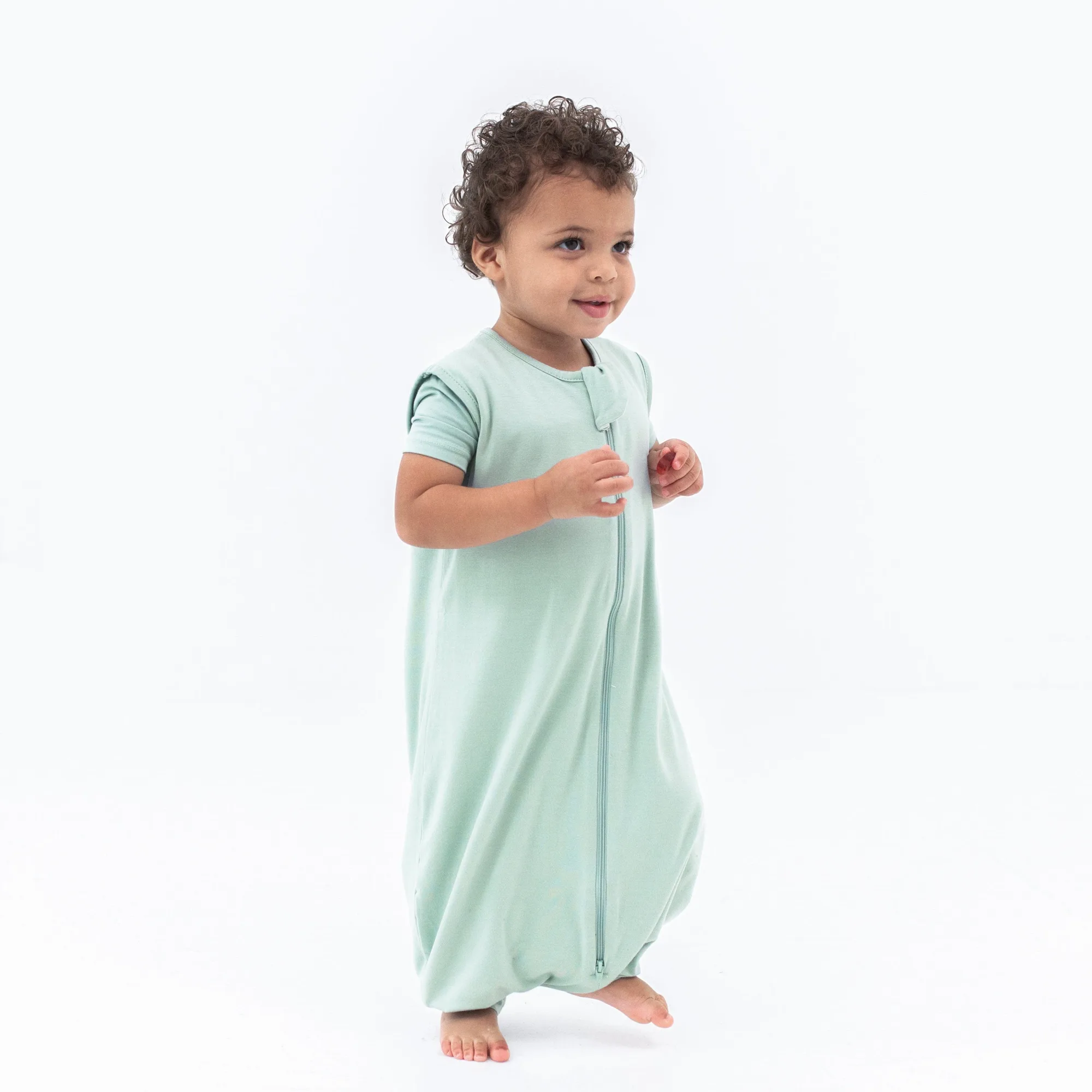
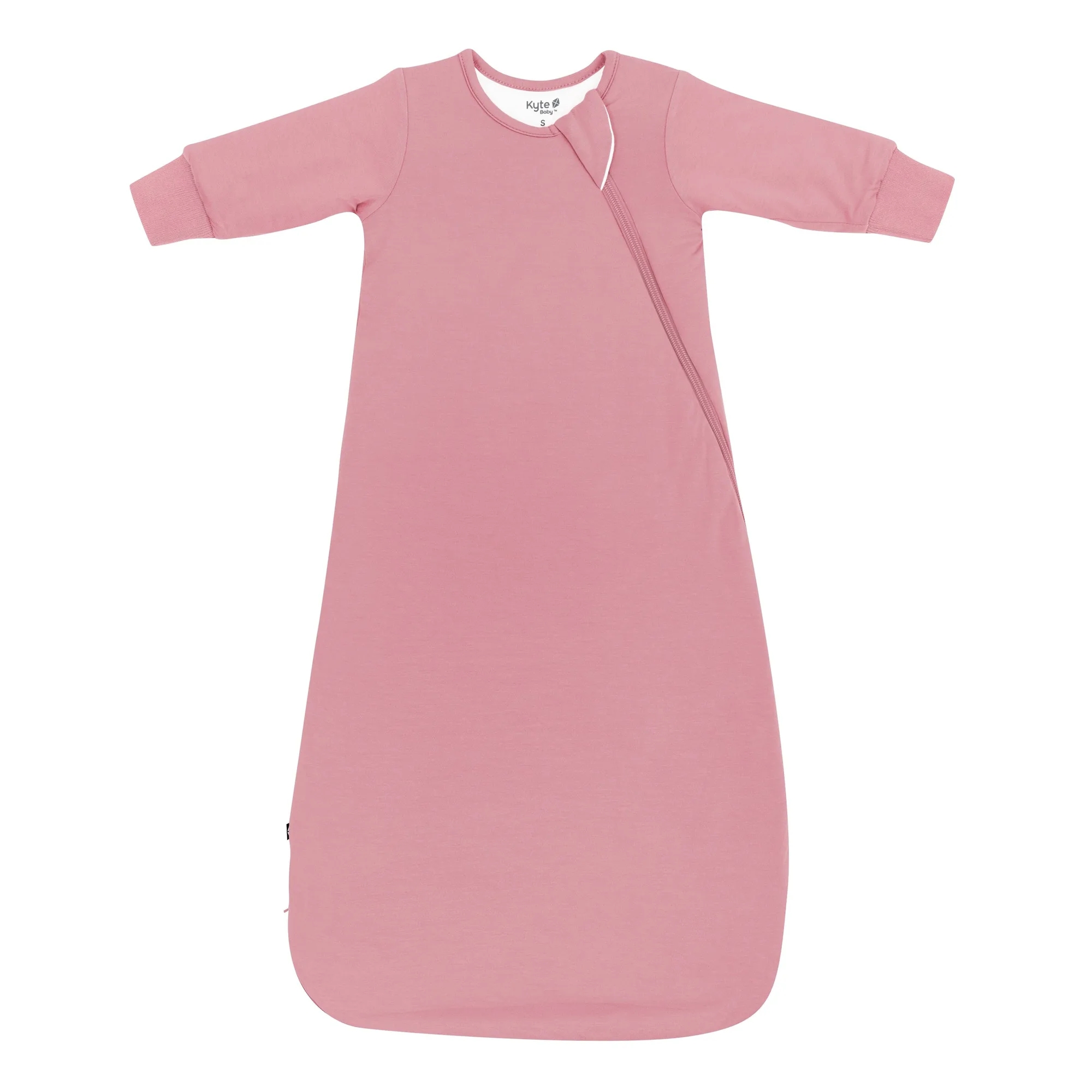
The Sleep Bag Walker is a wearable blanket designed for babies who are more mobile—those who can stand, cruise, or walk. Unlike swaddles, it allows your baby's feet to be free, enabling them to move around safely in their crib. This feet-out style is perfect for active sleepers who might otherwise feel restricted.
Kyte Baby's Sleep Bag Walker follows the American Academy of Pediatrics' safe sleep requirements, ensuring a snug fit around the chest and arms while allowing leg movement. It features a zipper garage and smooth dual zippers for easy nighttime diaper changes, so you won't have to fully unwrap your baby.
- Feet-out design promotes natural movement and supports the transition from swaddling.
- Dual zippers and a zipper garage make middle-of-the-night changes quick and fuss-free.
What is a Sleep Bag Swaddler?
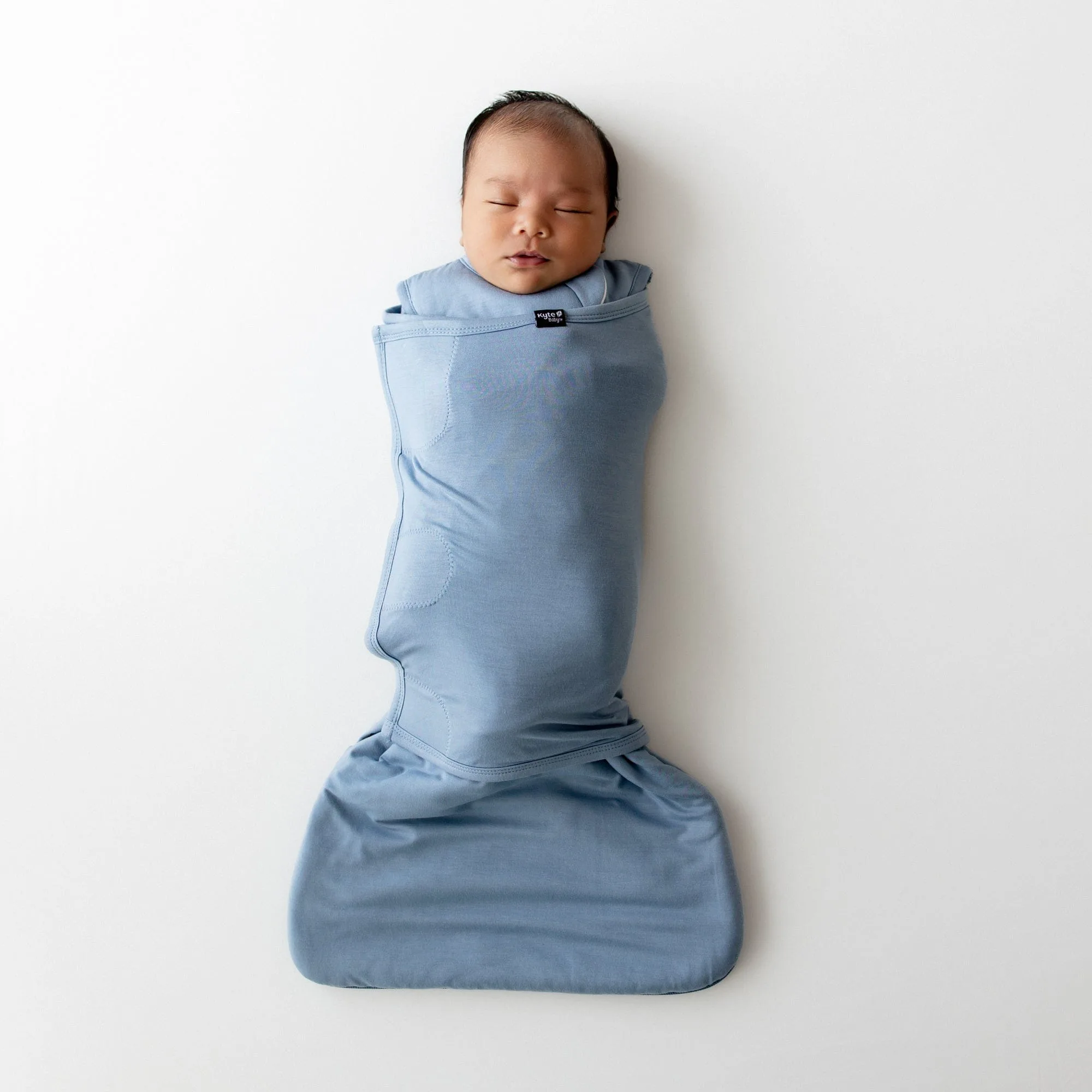
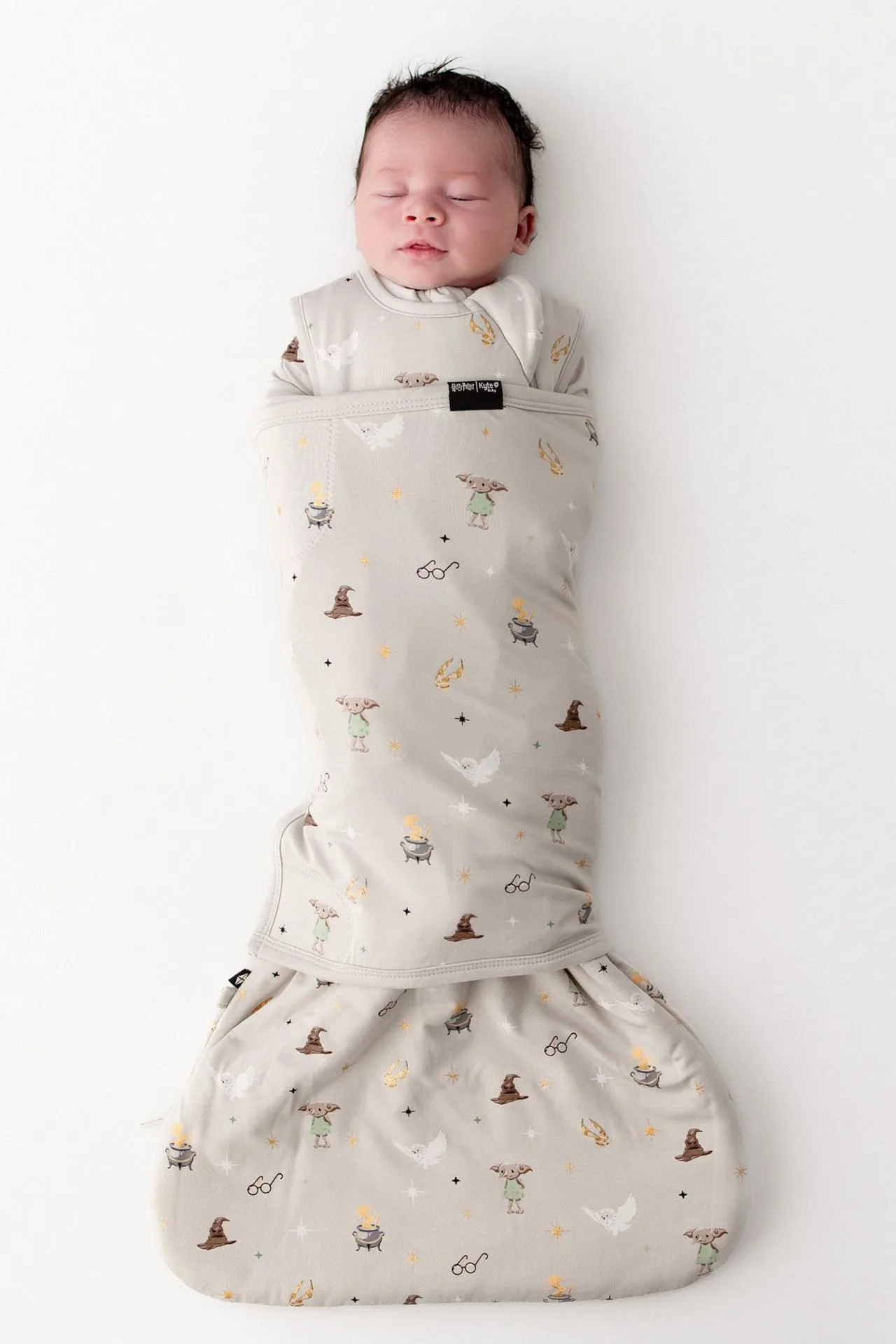
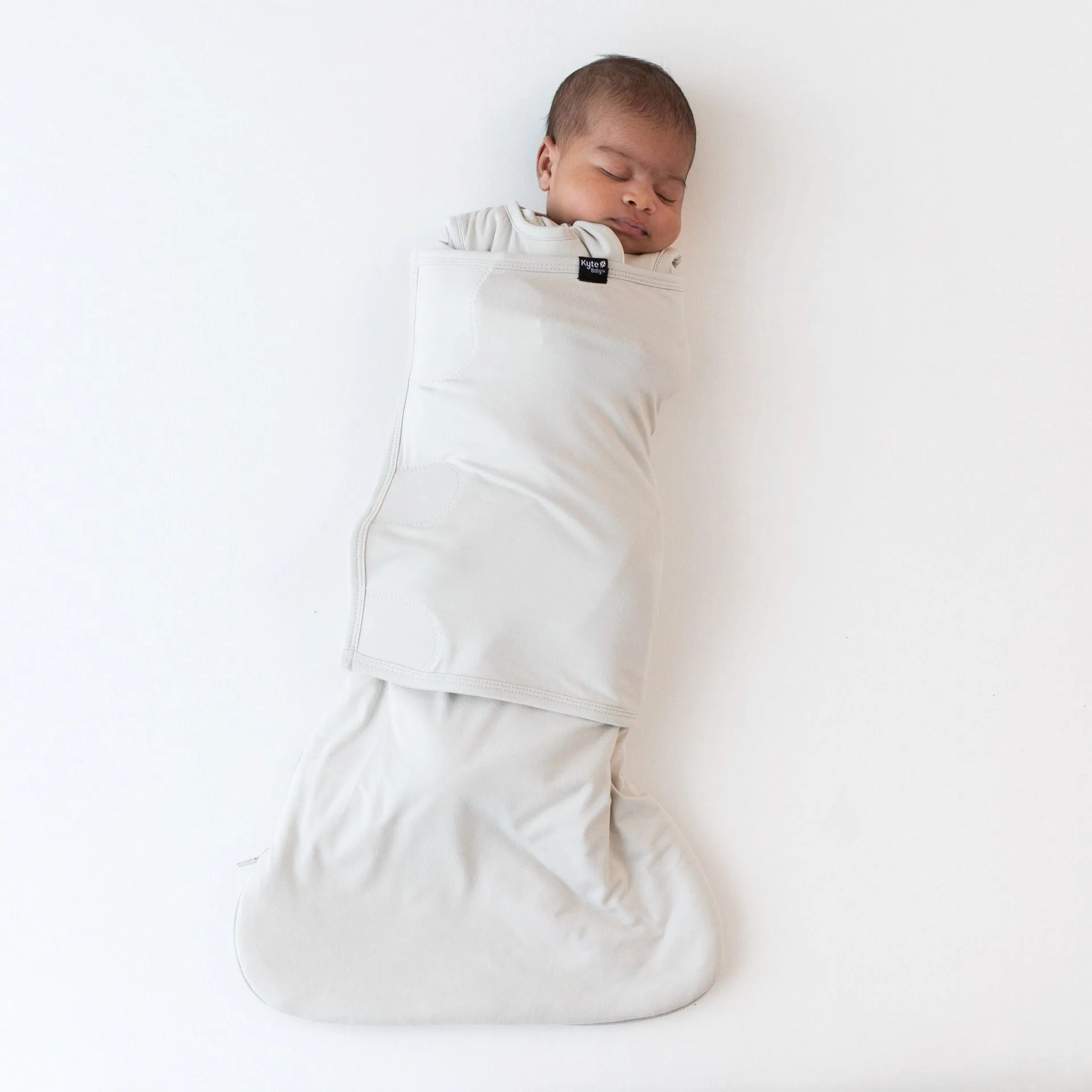
The Sleep Bag Swaddler is designed for newborns and younger infants who benefit from the snug, secure feeling of being swaddled. It wraps your baby's arms close to their body, mimicking the womb environment, which can help reduce the startle reflex and promote longer, more restful sleep.
Like the walker, the swaddler is created with the AAP's safe sleep guidelines in mind. It ensures that your baby is placed on their back and that the swaddle is snug but not too tight, reducing the risk of suffocation or overheating. The swaddler also features convenient zippers for easy diaper changes, but it does not allow for leg movement.
- Arms-in design provides a cozy, womb-like feel that soothes newborns.
- Helps prevent the startle reflex from waking your baby during sleep.
Key Differences at a Glance
The main difference between the walker and the swaddler is the level of movement they allow. The walker gives your baby the freedom to move their legs and feet, which is essential as they become more mobile. The swaddler restricts arm movement to provide a sense of security, but it is not suitable once your baby shows signs of rolling over.
Another difference is the age range. Swaddlers are typically used from birth until your baby starts to roll over (around 2-4 months). Walkers are designed for older babies who are ready to move more freely, usually from around 6 months onward. Always follow your baby's cues and consult your pediatrician when transitioning.
- Swaddler: best for newborns up to the first signs of rolling.
- Walker: best for babies who can sit up, stand, or walk.
Transitioning from Swaddle to Sleep Bag
Transitioning from a swaddle to a sleep bag walker can be challenging, but it's a necessary step for your baby's safety. The American Academy of Pediatrics recommends stopping swaddling as soon as your baby shows signs of rolling over, as swaddling can increase the risk of SIDS if they roll onto their stomach.
To make the transition easier, you can start by swaddling with one arm out, then gradually transition to both arms out, and finally move to a sleep bag walker. This gradual approach helps your baby adjust to the new sleeping arrangement without feeling too exposed. Kyte Baby's sleep bag walker provides a familiar, cozy feel while allowing the freedom your baby now needs.
- Start the transition when your baby begins to roll over.
- Use a gradual approach: one arm out, then both, then the walker.
Trade-offs to Consider
- Movement Freedom: The Sleep Bag Walker allows your baby to move their legs and feet freely, which is essential for muscle development and comfort. The Swaddler restricts arm movement to provide a sense of security. Choose the walker if your baby is active or starting to roll; choose the swaddler for newborns who need the snug feel.
- Safety Milestones: Swaddling must stop once your baby shows signs of rolling over to reduce the risk of SIDS. The walker is safe for babies who can roll, sit, or stand. Transition to the walker as soon as your baby starts rolling to ensure safe sleep.
- Ease of Diaper Changes: Both the walker and swaddler feature dual zippers and a zipper garage for quick access. The walker's feet-out design may make changes slightly easier since you don't have to unwrap the legs. If you prioritize quick changes, the walker offers a slight edge.
Product Facts and Features
- Sleep Bag Walker in Sage 2.5: For the perfect combination of snug sleep and easy movement with a feet-out style, check out a bamboo sleep bag walker from Kyte Baby. Rest easy knowing that the American Academy of Pediatrics’s safe sleep requirements were followed in the creation of this wearable blanket. Thanks to thoughtful details like a zipper garage and smooth dual zippers, fussy night time changes will be a thing of the past. This walker ensures your mobile baby stays safe and comfortable while allowing them to move freely. The zipper garage and dual zippers make nighttime changes quick and easy, so your baby can get back to sleep faster.
- Slumber Bag in Apple Blossom 1.0: If you need to revamp your little one’s sleep ensemble or you want to help them peacefully snooze, check out a slumber bag from Kyte Baby. Worrying at night will be a thing of the past because the American Academy of Pediatrics’ safe sleep guidelines are carefully upheld in the creation of our sleep sacks. Convenience details like a J-shaped dual zipper and a zipper garage top the long list of benefits of this sleep sack. The Slumber Bag is another option for babies who are past swaddling but not yet ready for a walker. Its J-shaped dual zipper and zipper garage provide the same convenience, while the 1.0 TOG is ideal for warmer environments or layering.
Which One Fits Your Baby?
Best For
- Babies who have started rolling over or are showing signs of mobility.
- Parents looking for a safe, comfortable sleep sack that allows freedom of movement.
Not For
- Newborns who need the secure, arms-in swaddle to soothe the startle reflex.
- Babies who are not yet showing any signs of rolling over and still benefit from swaddling.
Choosing between the Sleep Bag Walker and the Sleep Bag Swaddler ultimately depends on your baby's developmental stage. If your little one is starting to roll or is already mobile, the walker is the safer and more comfortable choice. For newborns who need the cozy security of a swaddle, the swaddler is perfect. Both are designed with safety and convenience in mind, so you can rest easy knowing your baby is sleeping soundly. Explore the Sleep Bag Walker in Sage 2.5 to see if it's the right fit for your growing baby.