Quick Answer
For acne-prone skin with dark spots, mandelic acid is often the gentler choice, especially if you have sensitive skin or are new to exfoliating acids. Glycolic acid is more potent and can be effective for hyperpigmentation, but it carries a higher risk of irritation. The right pick depends on your skin's tolerance and your primary concern.
When you're dealing with both acne and dark spots, choosing the right exfoliating acid can feel overwhelming. Two popular AHAs—mandelic acid and glycolic acid—both promise smoother, clearer skin, but they work differently and suit different skin types.
This comparison breaks down the key differences, so you can decide which is better for your skin without guesswork.
Mandelic Acid vs Glycolic Acid: Key Differences
Mandelic acid is an alpha-hydroxy acid (AHA) derived from bitter almonds. It has a larger molecular size compared to glycolic acid, which means it penetrates the skin more slowly and gently. This makes it an excellent option for sensitive or reactive skin types that still want exfoliation benefits.
Glycolic acid, on the other hand, has the smallest molecule among AHAs, allowing it to penetrate quickly and deeply. This potency makes it effective for resurfacing and brightening, but it also increases the risk of irritation, especially for those with sensitive skin or compromised barriers.
- Mandelic acid is gentler due to its larger molecule size.
- Glycolic acid penetrates faster and can be more irritating.
Which Is Better for Acne?
Both acids can help with acne by exfoliating dead skin cells and unclogging pores. However, mandelic acid has antibacterial properties that can be beneficial for acne-prone skin, reducing the bacteria that contribute to breakouts. Its gentle nature also makes it suitable for daily use in many cases.
Glycolic acid, while effective at clearing pores, can sometimes aggravate active acne if your skin is sensitive. It's better suited for those who can tolerate stronger acids and need more aggressive exfoliation.
- Mandelic acid offers antibacterial benefits for acne.
- Glycolic acid may irritate active breakouts on sensitive skin.
Which Is Better for Dark Spots and Hyperpigmentation?
Glycolic acid is well-known for its ability to fade hyperpigmentation by speeding up cell turnover. However, this strength comes with a downside: it can cause post-inflammatory hyperpigmentation (PIH) if it irritates the skin, especially in darker skin tones.
Mandelic acid is increasingly recommended for hyperpigmentation because it's less likely to cause irritation that leads to more dark spots. It gently exfoliates to fade existing spots and brighten overall tone, making it a safer choice for those with melanin-rich skin or a history of PIH.
- Glycolic acid is potent but risky for PIH.
- Mandelic acid offers a gentler path to fading dark spots.
The Trade-Off: Gentleness vs. Potency
- Gentleness: Mandelic acid is much less likely to cause stinging, redness, or peeling, making it suitable for sensitive skin, rosacea-prone skin, or those new to acids. If you have sensitive skin, mandelic acid is the safer bet.
- Potency: Glycolic acid delivers faster results for fine lines, texture, and pigmentation because it penetrates deeper and works quicker. If you have resilient skin and want quicker results, glycolic acid may be worth the risk.
- Dark Spot Safety: Mandelic acid is less likely to trigger post-inflammatory hyperpigmentation, making it a preferred choice for darker skin tones. If you're prone to PIH, choose mandelic acid to avoid worsening spots.
Product Spotlight
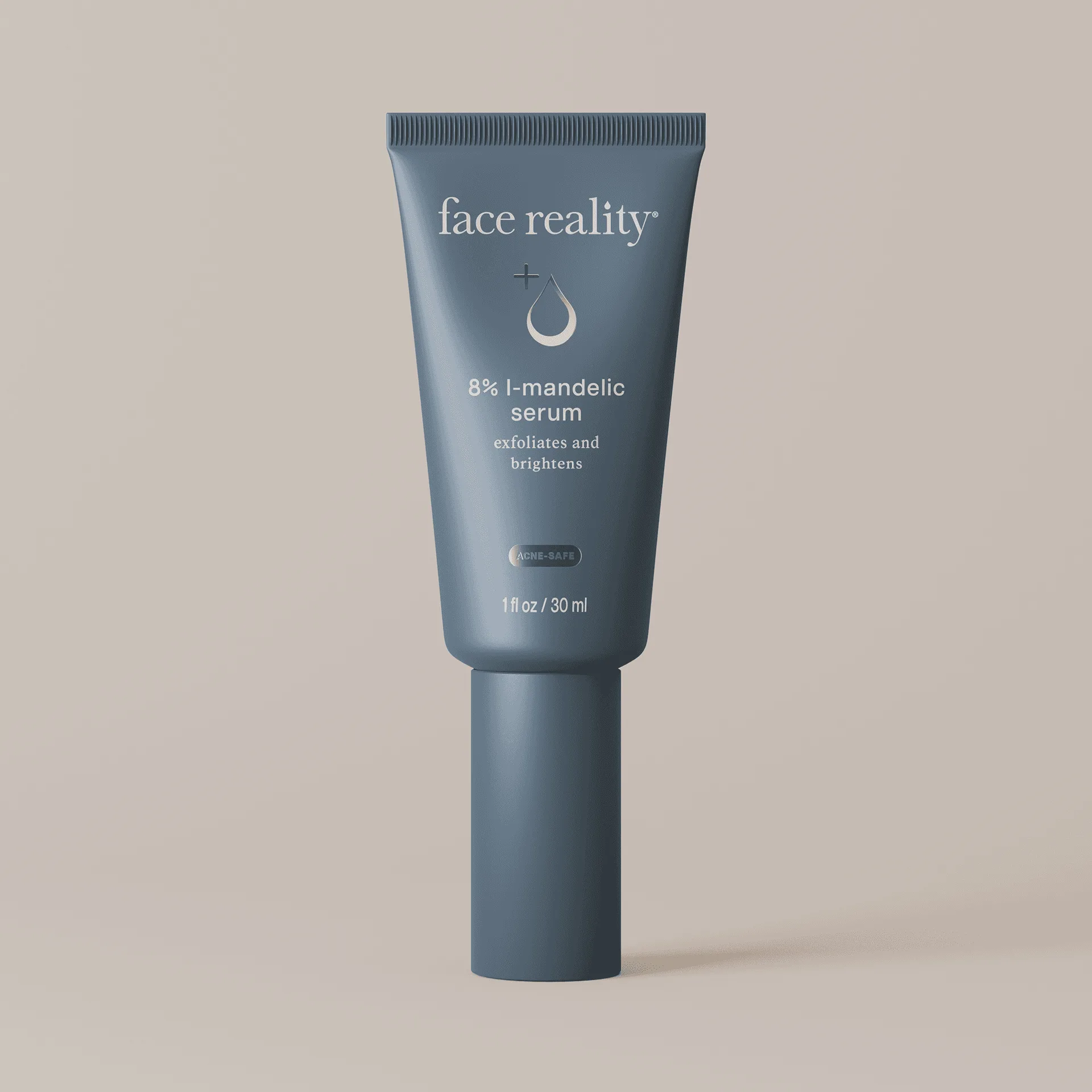
- 8% L-Mandelic Serum: Powerful exfoliation doesn't have to be harsh on your skin. Improve the texture and tone of dull-looking skin with this gentle yet powerful 8% L-Mandelic exfoliating serum. It gradually sweeps away dead skin cells to reveal clearer, brighter-looking skin with minimal irritation. If you're looking for a daily-use mandelic acid product that's gentle enough for sensitive skin, this serum provides gradual exfoliation to address both acne and dark spots without the irritation often associated with stronger acids.
- Clear Skin Peel # 1: A fast track to clearer skin. This self-neutralizing treatment peel contains a mix of powerful ingredients that exfoliate, resurface, and brighten the skin. For those who want a more intensive weekly treatment, this peel offers a stronger exfoliating option. It's a good choice if you've built up tolerance to daily acids and need an extra boost for stubborn dark spots.
How to Choose
Best for
- Sensitive skin types seeking a gentle exfoliant for acne and dark spots
- Those new to AHAs or with a compromised moisture barrier
- Individuals prone to post-inflammatory hyperpigmentation
Not for
- Those with very resilient skin who need rapid, deep exfoliation and are okay with potential irritation
In the debate between mandelic acid and glycolic acid, there's no universal winner—only the right fit for your skin. If you value gentleness and worry about irritation or dark spots, mandelic acid is your ally. If you need aggressive resurfacing and your skin can handle it, glycolic acid might serve you well. Listen to your skin, start slowly, and always pair acids with sun protection.