For decades, the diamond industry has been synonymous with romance, luxury, and tradition. But as consumers become more conscious of the environmental and ethical impact of their purchases, a new star has risen: lab diamond jewelry. These gems offer the same brilliance, hardness, and beauty as mined diamonds—without the heavy price tag or the ethical baggage. Whether you're shopping for an engagement ring, a birthday gift, or a treat for yourself, lab grown diamonds are transforming the jewelry landscape.
At Moon Magic, we believe in jewelry that celebrates both beauty and integrity. That's why we're thrilled to explore the world of lab diamond jewelry, from its science-backed origins to its growing popularity among savvy shoppers. In this article, we'll break down the differences between lab grown diamonds vs mined, highlight the benefits of choosing ethical diamonds, and show you how to find affordable diamond alternatives that don't compromise on sparkle.
What Are Lab Grown Diamonds?
Lab grown diamonds, also known as synthetic or cultured diamonds, are created in controlled laboratory environments that replicate the natural diamond formation process. Using two primary methods—High Pressure High Temperature (HPHT) and Chemical Vapor Deposition (CVD)—scientists produce diamonds that are chemically, physically, and optically identical to mined diamonds. The only difference? Their origin. While mined diamonds are extracted from the earth through environmentally disruptive processes, lab diamonds are grown in weeks, not millions of years.
Because they share the same crystal structure and carbon composition, lab grown diamonds exhibit the same fire, scintillation, and hardness (10 on the Mohs scale) as natural diamonds. This means they are just as durable and brilliant for everyday wear. Whether set in a classic solitaire or a modern halo design, lab diamond jewelry offers the same timeless appeal without the ethical concerns associated with mining.
- Lab grown diamonds are real diamonds—not simulants like cubic zirconia or moissanite.
- They are graded using the same 4Cs (cut, color, clarity, carat) as mined diamonds.
- Production uses significantly less water and energy, and avoids habitat destruction.
Lab Grown Diamonds vs Mined: Key Differences
When comparing lab grown diamonds vs mined, the most obvious difference is price. Lab diamonds typically cost 30% to 50% less than their mined counterparts of comparable quality. This affordability allows you to choose a larger carat weight or higher clarity grade without breaking your budget. For example, a 1-carat lab diamond might cost $2,000–$3,000, while a mined diamond of similar specs could be $5,000 or more.
Ethically, lab diamonds are a clear winner. Mined diamonds have long been associated with conflict zones, child labor, and environmental degradation. In contrast, lab diamonds are ethically produced in controlled settings, ensuring fair labor practices and minimal ecological impact. They are also fully traceable, giving you peace of mind that your purchase supports a sustainable future. For those seeking ethical diamonds, lab grown options are the modern, responsible choice.
- Price: Lab diamonds are 30–50% less expensive than mined diamonds.
- Ethics: No conflict, no child labor, and lower environmental footprint.
- Quality: Identical physical and chemical properties to mined diamonds.
Why Choose Lab Diamond Jewelry?
Beyond the ethical and cost benefits, lab diamond jewelry offers incredible versatility. Designers are embracing these gems for their consistency and availability, creating pieces that range from minimalist everyday studs to show-stopping statement rings. Whether you're drawn to the celestial glow of moonstone or the timeless sparkle of diamonds, you can find lab diamond options that suit your style. At Moon Magic, we love pairing lab diamonds with other meaningful stones to create unique, layered looks.
For instance, the Fine Aquamarine Lab Diamond Necklace Sway is a stunning March birthstone piece that combines the serene blue of aquamarine with the brilliance of lab diamonds. It's a perfect example of how lab diamond jewelry can be both affordable and luxurious. Similarly, the Fine Moonstone Lab Diamond Ring - Stardust Band blends the ethereal shimmer of moonstone with lab diamonds, creating a ring that feels both celestial and grounded. These pieces are ideal for those who want the prestige of diamonds without the ethical compromises.
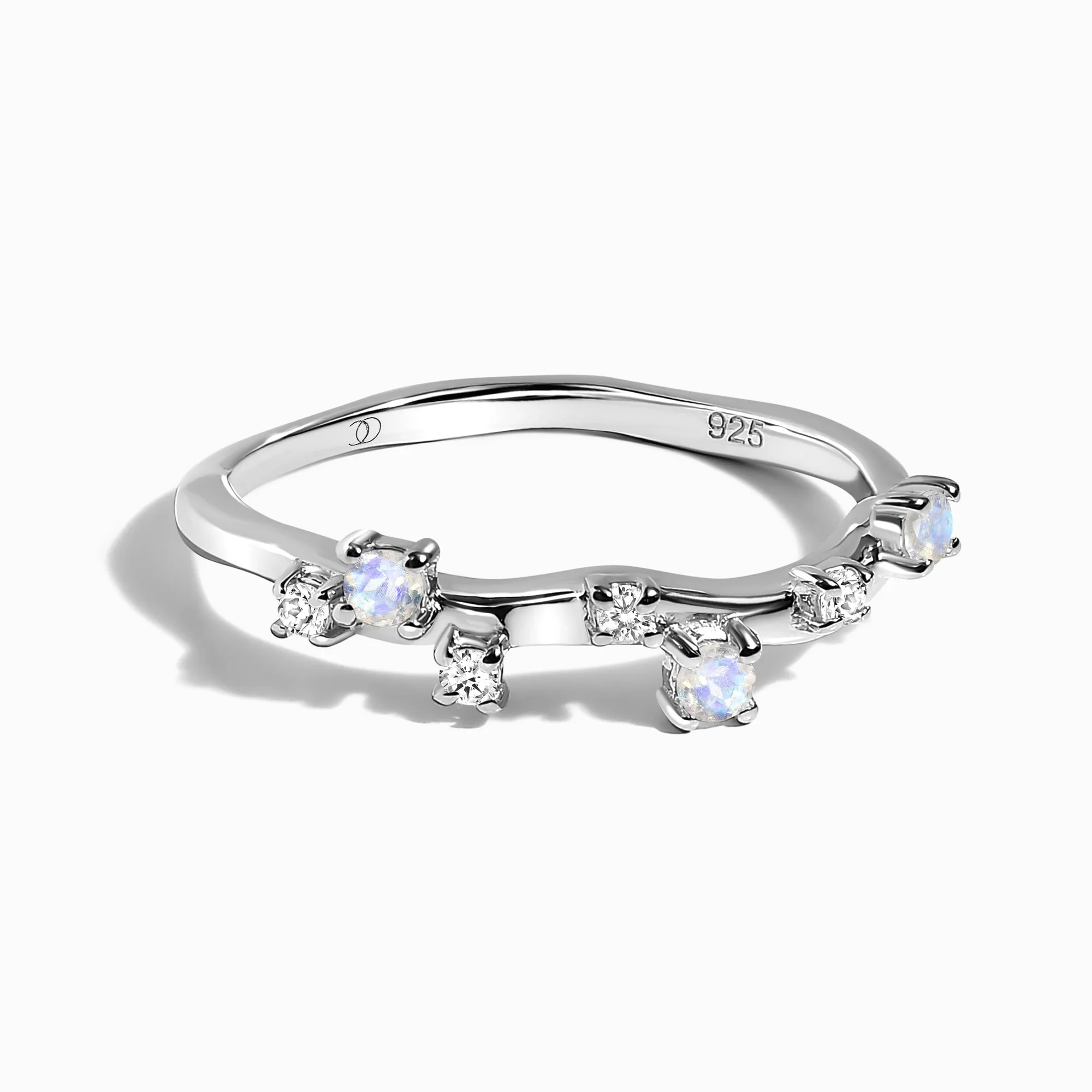
Fine Moonstone Lab Diamond Ring - Stardust Band
- Lab diamonds can be paired with colored gemstones for a personalized look.
- They are available in a wide range of cuts, including round, princess, and cushion.
- Many jewelers now offer lab diamond collections, making them easy to find.
How to Choose Affordable Diamond Alternatives That Don't Sacrifice Quality
When shopping for affordable diamond alternatives, it's important to know what to look for. Start by understanding the 4Cs: cut, color, clarity, and carat weight. For lab diamonds, you can often prioritize cut and carat weight while accepting slightly lower color or clarity grades to save money. Because lab diamonds are free from many of the inclusions found in natural stones, even lower-clarity lab diamonds can appear flawless to the naked eye.
Another tip is to consider smaller accent stones or mixed-metal settings. A lab diamond ring with a rose gold band, for example, can create a vintage-inspired look that feels both modern and timeless. You might also explore pieces that combine lab diamonds with other gemstones, like the Ruby Garnet Fidget Ring - Motion Medicine, which uses garnet for its grounding energy alongside diamond-like sparkle. This approach lets you enjoy the beauty of diamonds while staying within your budget.
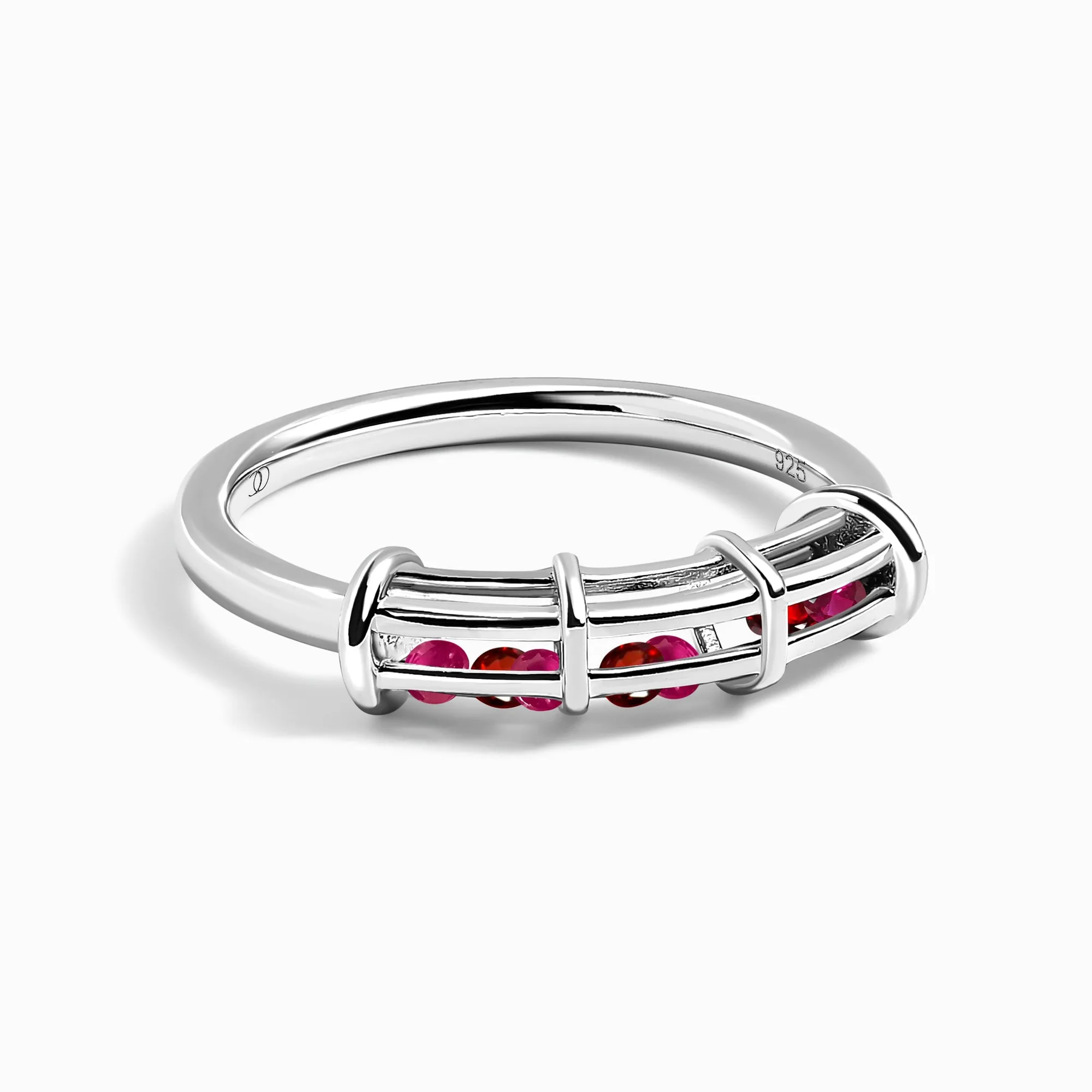
Ruby Garnet Fidget Ring - Motion Medicine
- Focus on cut quality—it determines how much a diamond sparkles.
- Consider lab diamonds with slightly lower color (e.g., G-H) for great value.
- Look for jewelry that combines lab diamonds with ethical gemstones.
Caring for Your Lab Diamond Jewelry
Lab diamonds are just as durable as mined diamonds, but they still require proper care to maintain their brilliance. Clean your lab diamond jewelry regularly using a soft toothbrush, mild dish soap, and warm water. Avoid harsh chemicals or ultrasonic cleaners that could damage the setting or any accompanying gemstones. Store pieces separately in a fabric-lined jewelry box to prevent scratches.
For rings and bracelets that endure daily wear, consider having them professionally inspected every six months. This ensures that prongs and settings remain secure. With minimal care, your lab diamond jewelry will stay radiant for a lifetime—making it a smart investment for both your style and your values.
- Clean with mild soap and warm water; avoid bleach or abrasive cleaners.
- Store in a soft pouch or compartment to prevent scratching.
- Have settings checked annually by a jeweler to prevent stone loss.
Lab diamond jewelry is more than a trend—it's a revolution in how we think about luxury, ethics, and value. By choosing lab grown diamonds, you're investing in a piece that sparkles with the same fire as a mined diamond, but with a clear conscience and a lower price. Whether you're drawn to the celestial beauty of moonstone or the classic elegance of diamonds, Moon Magic has something for you. Explore our collection of ethical, affordable lab diamond jewelry today and discover your perfect piece.