Quick answer
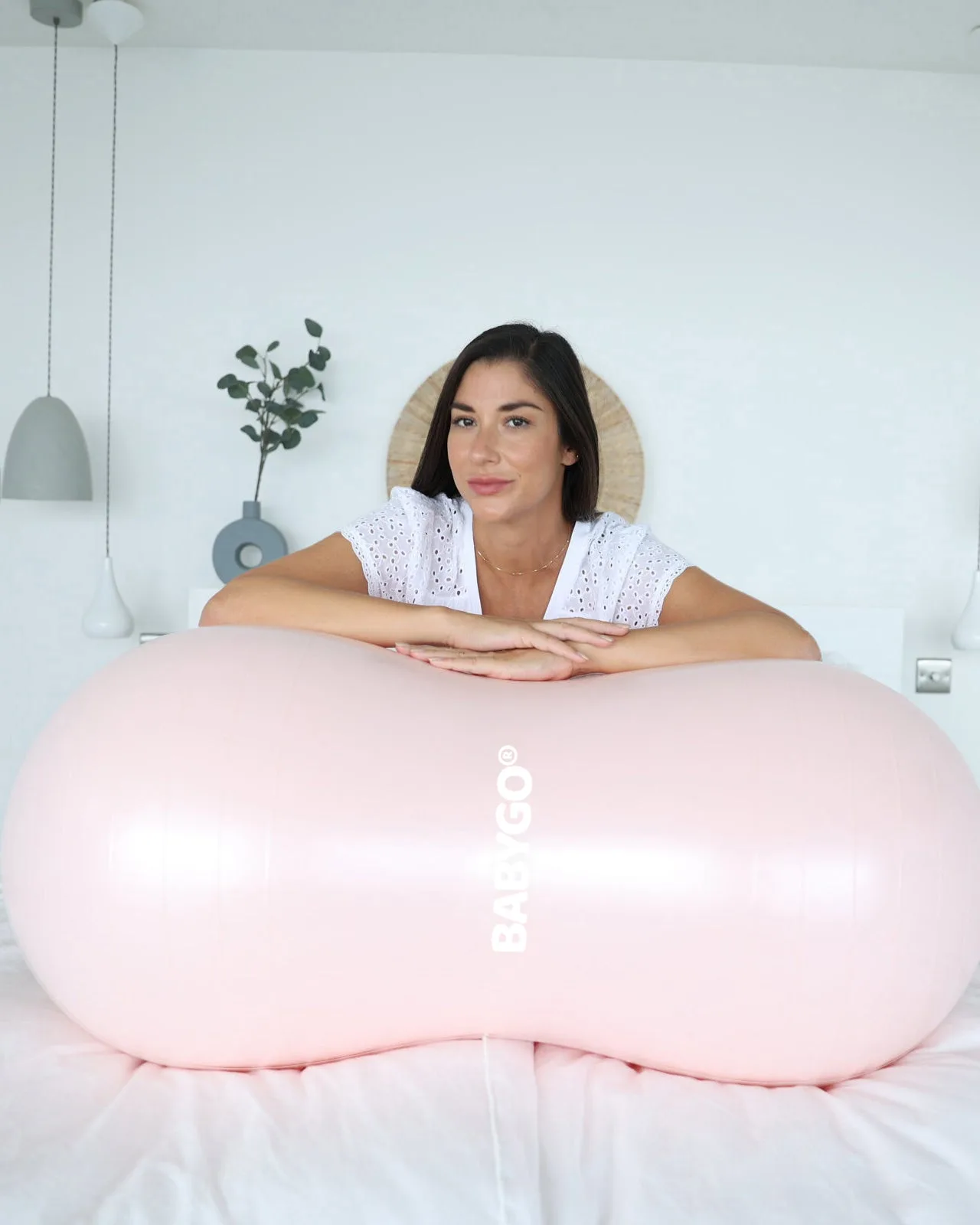
The right ball depends on how you plan to use it. A peanut ball is best during labour itself, especially if you have an epidural or want help changing positions while lying down. A birthing ball (also called an exercise ball) is more versatile for pregnancy, early labour, and postpartum. If you can only buy one, choose a birthing ball for all-round use; if you are planning a hospital birth and want extra comfort during labour, a peanut ball is the more targeted choice.
How a peanut ball is used in labour
A peanut ball is shaped like a peanut, with a narrow middle and two rounded ends. It is designed to be placed between your legs while you lie on your side. This position helps keep your pelvis open and can encourage the baby to move down. It is often used during induced labour or when an epidural limits how much you can move around. The narrow middle makes it easier to keep the ball in place without it rolling away.
How a birthing ball is used in labour
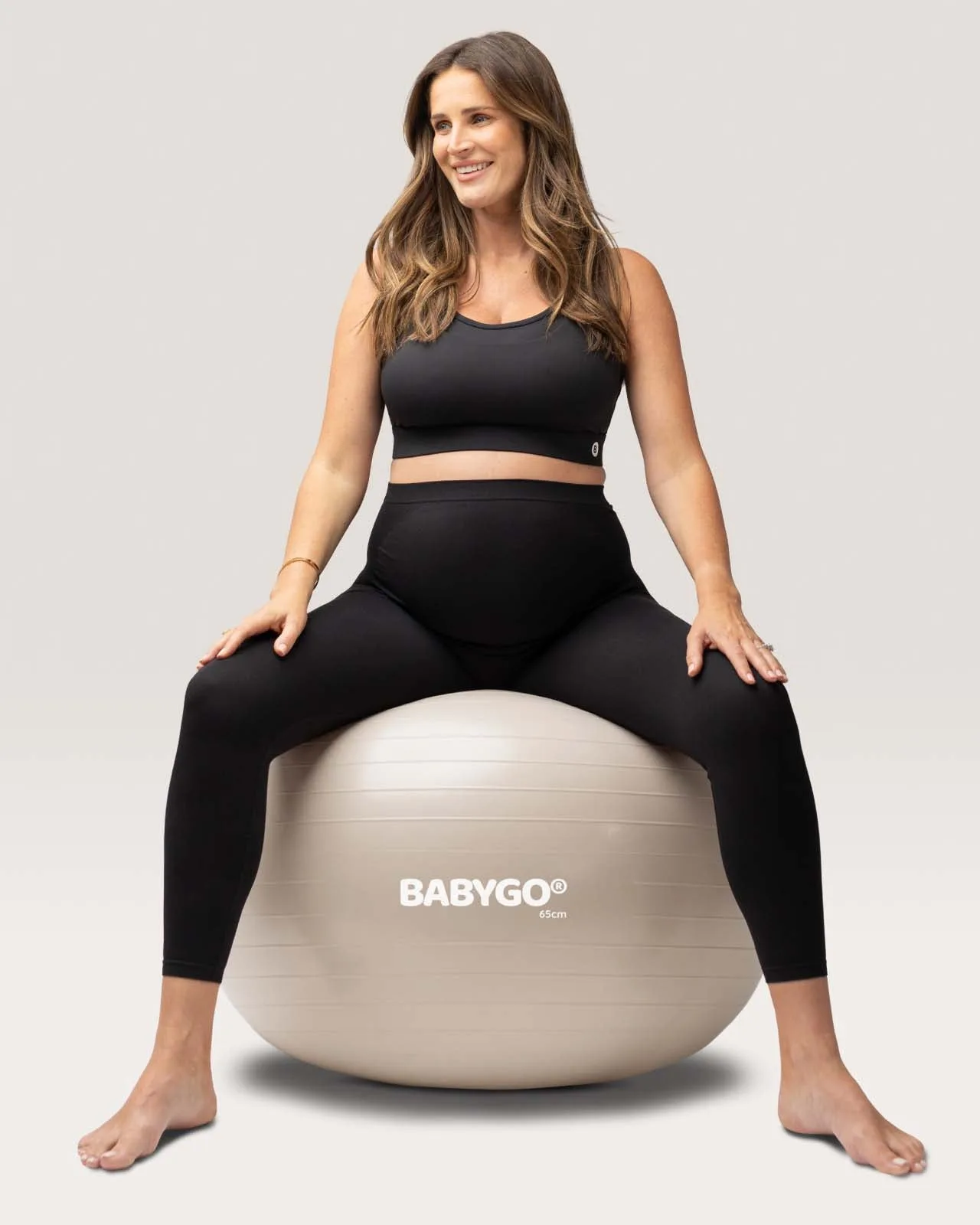
A birthing ball is a large, round exercise ball. You can sit on it, lean over it, or kneel against it. Sitting on a birthing ball during pregnancy can help relieve back pressure and encourage good posture. During labour, gentle bouncing or circling on the ball can help you stay active and may ease discomfort. After birth, many people use the same ball for exercise or for soothing a baby with gentle bouncing.
Key differences: shape, use, and timing
The main difference is shape. A peanut ball is used while lying down, so it is less about movement and more about positioning. A birthing ball is used while sitting or leaning, so it supports active movement. Peanut balls are usually used in hospital settings because they are especially helpful when movement is limited. Birthing balls are common at home and in birth centres because they are easy to use throughout pregnancy and labour.
Neither ball is a replacement for medical advice. If you have any complications or are unsure, ask your midwife or doctor which option is safe for you.
Size and fit: what to check before you buy
For a birthing ball, your height usually decides the size. As a general guide, if you are under 5'4", a 55 cm ball may suit you; 5'4" to 5'10", a 65 cm ball; and over 5'10", a 75 cm ball. When you sit on it, your hips should be level with or slightly higher than your knees. A peanut ball does not come in the same height-based sizes; it is chosen by your care provider based on your comfort and the position you need. Always check the weight limit and inflation instructions for any ball you buy.
Practical tips for using either ball
Inflate your ball according to the manufacturer's instructions. A slightly under-inflated ball can feel more stable when you first start using it. Keep the ball away from sharp objects and clean it with a mild soap and water. If you are using a peanut ball in hospital, ask your midwife to show you how to position it safely. For a birthing ball at home, make sure you have a clear space and something sturdy to hold if you need support.
Trade-offs: peanut ball vs birthing ball
- Peanut ball: Better for labour positions when you need to lie down, such as with an epidural. It stays in place between your legs and can help with pelvic opening. Less useful for sitting or active movement. Choose a peanut ball if you want targeted support during labour, especially in hospital.
- Birthing ball: More versatile: use it during pregnancy, early labour, and after birth. It supports sitting, bouncing, and leaning. Takes up more space and can roll if not used carefully. Choose a birthing ball if you want one tool for pregnancy, labour, and beyond.
- Using both: Some people use a birthing ball at home and a peanut ball in hospital. This gives you the benefits of each without choosing one over the other. If budget allows, having both can cover more stages of labour.
Products that support your labour prep
- BABYGO® Maternity Bra: Hypoallergenic, wire free and tag free with no hooks, it is softer, stretchier and more breathable than cotton, viscose or bamboo. A comfortable, wire-free bra makes it easier to move and change positions while using a birthing ball or peanut ball during labour.
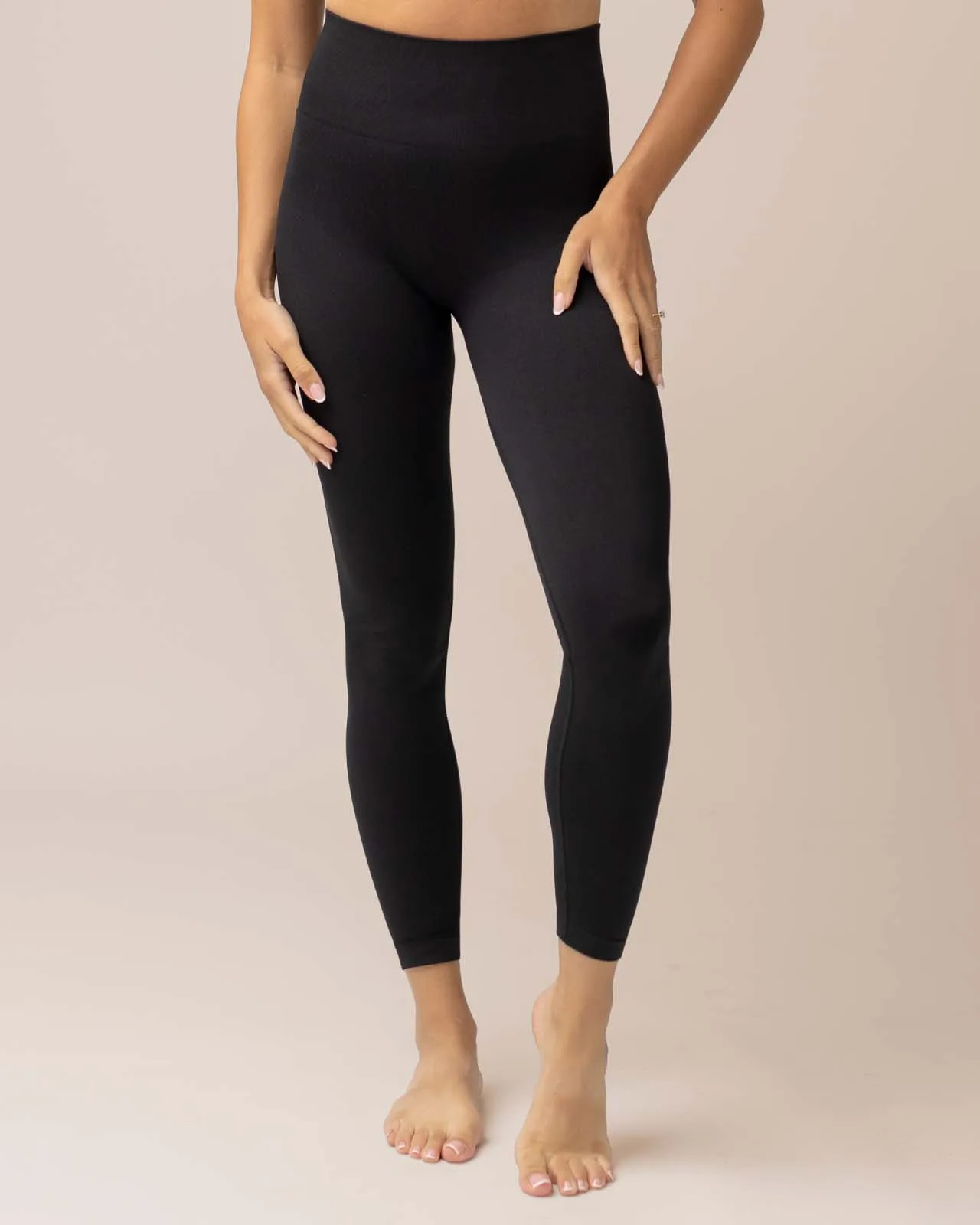
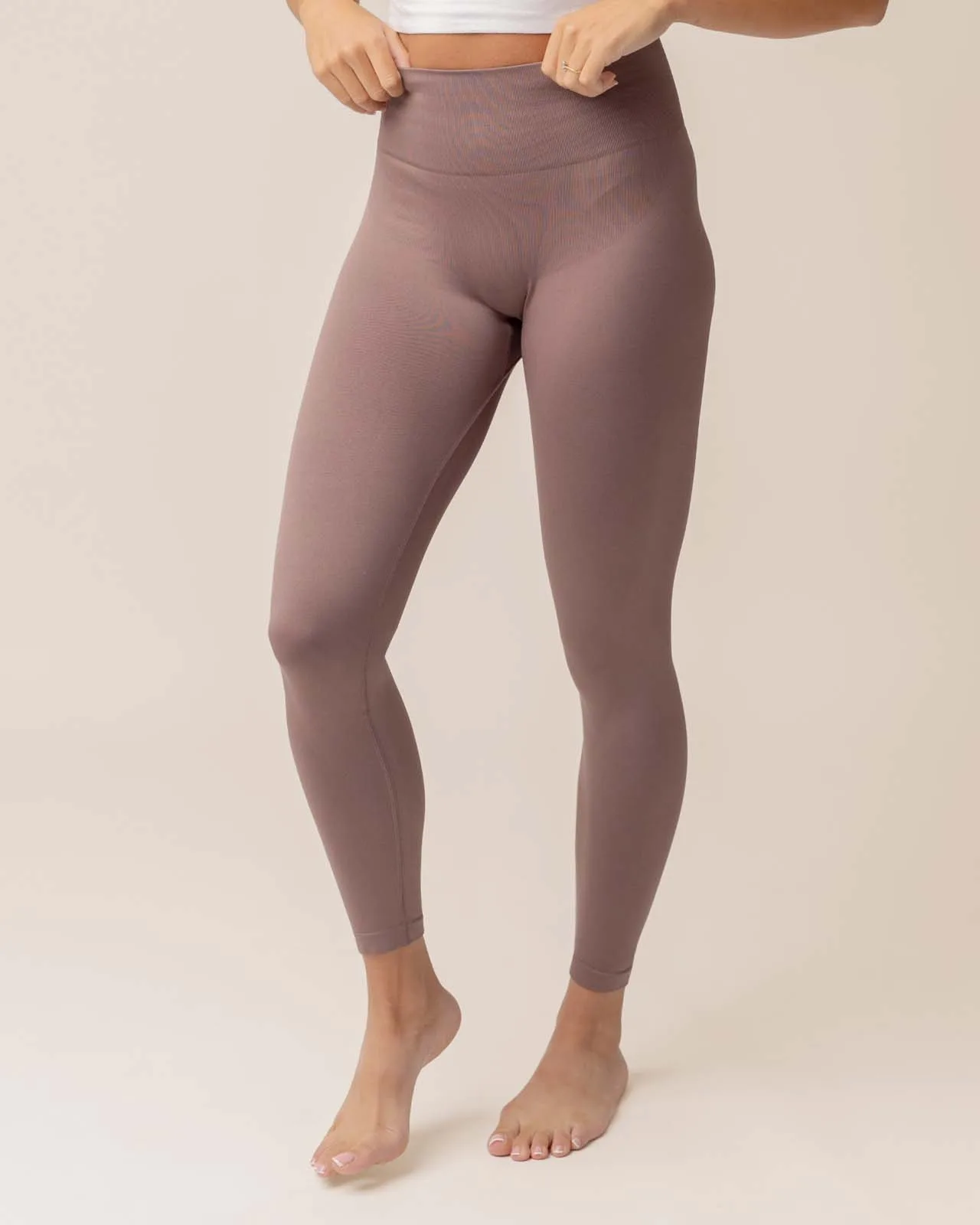
- BABYGO® Postpartum Leggings: A pair of postpartum leggings made for life after birth, whether you're easing back into exercise or powering through busy days. After birth, gentle exercise like sitting on a birthing ball is easier when your leggings support your recovery and stay comfortable.
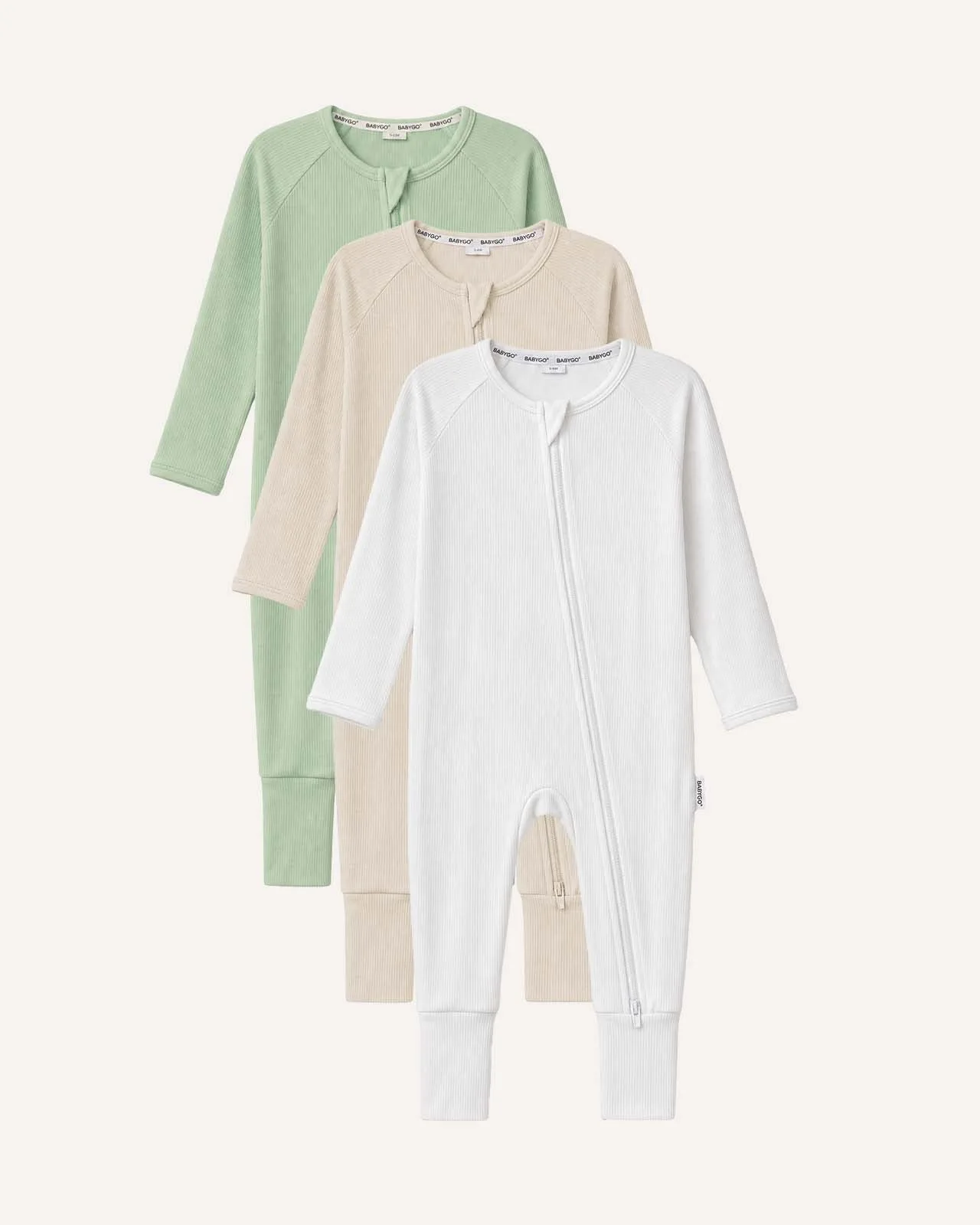
- BABYGO® Zip Sleepsuit | 3 Pack: Made from beautifully breathable bamboo fibres, each sleepsuit is kind to delicate skin. Naturally hypoallergenic with clever thermo-regulating qualities, it helps keep your baby cosy when it's chilly and cool when it's warm. If you use a birthing ball to soothe your baby after birth, a breathable sleepsuit helps them stay comfortable during gentle bouncing.
Which ball is right for you?
Best for
- Planning a hospital birth with an epidural or limited mobility
- Wanting a tool specifically for labour positioning
- Having a care provider who can show you how to use it
Not for
- Anyone who wants a ball for pregnancy exercise and postpartum use
- People who prefer to stay active and upright during labour
- Those who cannot lie on their side comfortably