Quick Answer
Lactase drops are a convenient way to break down lactose in milk and dairy products, helping those with lactose intolerance enjoy them without discomfort. For best results, add the drops to milk 24 hours before drinking, or take a lactase supplement right before eating dairy. If you experience severe symptoms or have a genetic condition affecting lactose digestion, consult a healthcare provider.
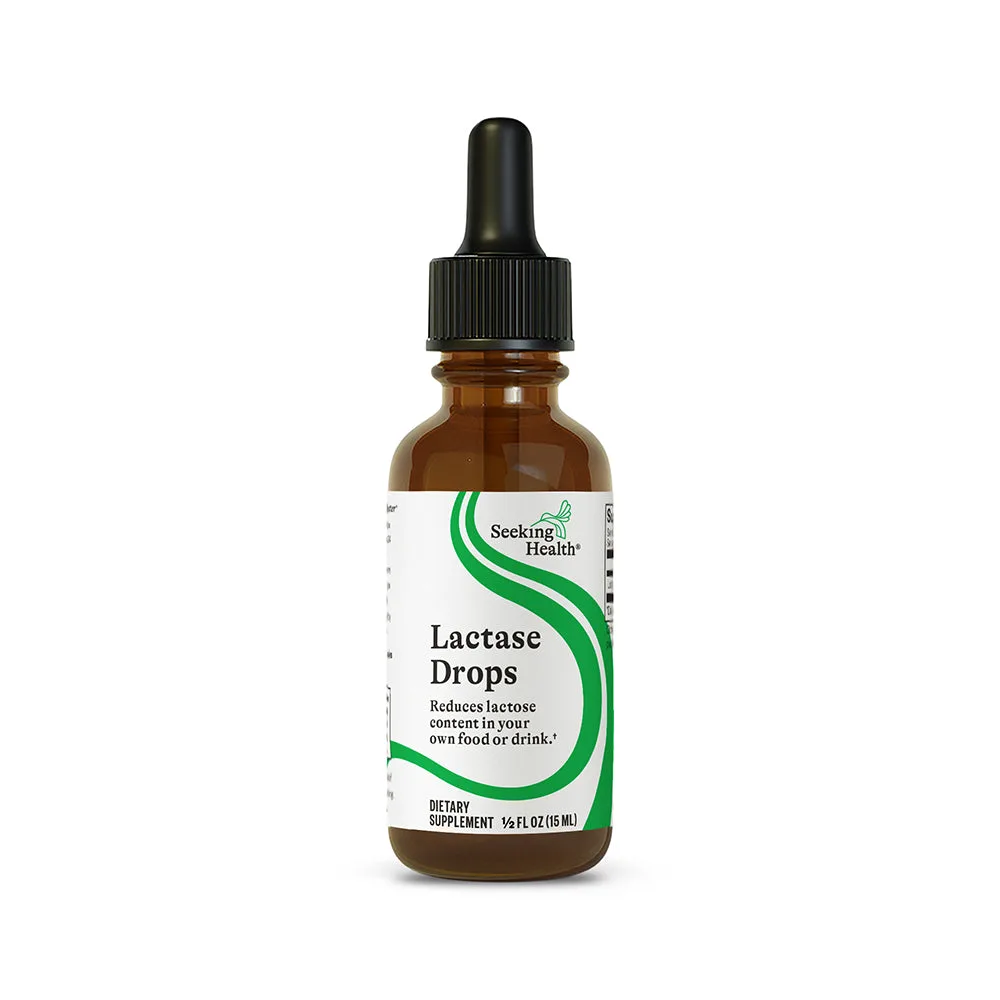
Lactase drops
If you've ever felt bloated, gassy, or crampy after a glass of milk, you're not alone. Lactose intolerance affects a significant portion of the population, and it can turn a simple pleasure like ice cream into a source of anxiety. Fortunately, lactase drops offer a practical solution, allowing you to enjoy dairy without the digestive fallout.
In this guide, we'll explain how lactase drops work, when to use them, and how to incorporate them into your routine. We'll also touch on other digestive enzyme options and how to choose the right supplement for your needs.
What Are Lactase Drops?
Lactase is an enzyme naturally produced in the small intestine that breaks down lactose, the sugar found in milk, into glucose and galactose, which are easily absorbed. When your body doesn't produce enough lactase, undigested lactose travels to the colon, where it ferments and causes symptoms like bloating, gas, and diarrhea.
Lactase drops are a concentrated form of this enzyme. You add a few drops to a container of milk, and after refrigeration for 24 hours, the lactase breaks down most of the lactose. This pre-treatment allows you to drink the milk without experiencing symptoms. Alternatively, you can take lactase capsules or chewables right before eating dairy for on-the-spot relief.
- Lactase drops are typically used for milk and other dairy liquids, not for solid foods like cheese.
- Always check the product instructions for the correct number of drops per quart of milk.
How Do Lactase Drops Work?
The enzyme in lactase drops works exactly like the lactase your body produces: it splits lactose into its two simpler sugars. When you add drops to milk, the enzyme gets to work immediately, and over the next 24 hours in the fridge, it reduces the lactose content by up to 99%. This process is similar to how lactose-free milk is produced commercially.
The key is timing. For drops, you need to plan ahead—ideally, treat the milk the day before you plan to drink it. If you forget, you can still add the drops and wait at least 24 hours, but the longer the milk sits, the more lactose is broken down. For immediate relief, consider lactase capsules or chewables, which you take just before your first bite of dairy.
- For best results, use lactase drops in milk that will be consumed within a few days.
- Lactase drops do not change the taste or nutritional value of milk.
When to Use Lactase Drops vs. Other Lactase Supplements
Lactase drops are ideal for people who regularly consume milk at home—whether in coffee, cereal, or a glass before bed. They allow you to pre-treat a whole carton, so you don't have to think about it every time. They are also a good choice for families where one member is lactose intolerant but others are not, as you can treat only the portions you need.
If you're eating out or traveling, lactase capsules or chewables are more convenient. You can carry them in your pocket and take them discreetly before a meal. Some people find that a combination works best: using drops at home and capsules on the go.
When choosing a lactase supplement, consider the form (drops, capsules, chewables) and the dosage. Most products specify the amount of lactase per serving, usually measured in FCC units (Food Chemical Codex). A typical dose is 3,000 to 9,000 FCC units, but higher doses may be needed for those with severe intolerance.
- If you're sensitive to even small amounts of lactose, look for a supplement with a higher FCC unit count.
- Some lactase supplements contain other digestive enzymes, which can be helpful if you have broader digestive issues.
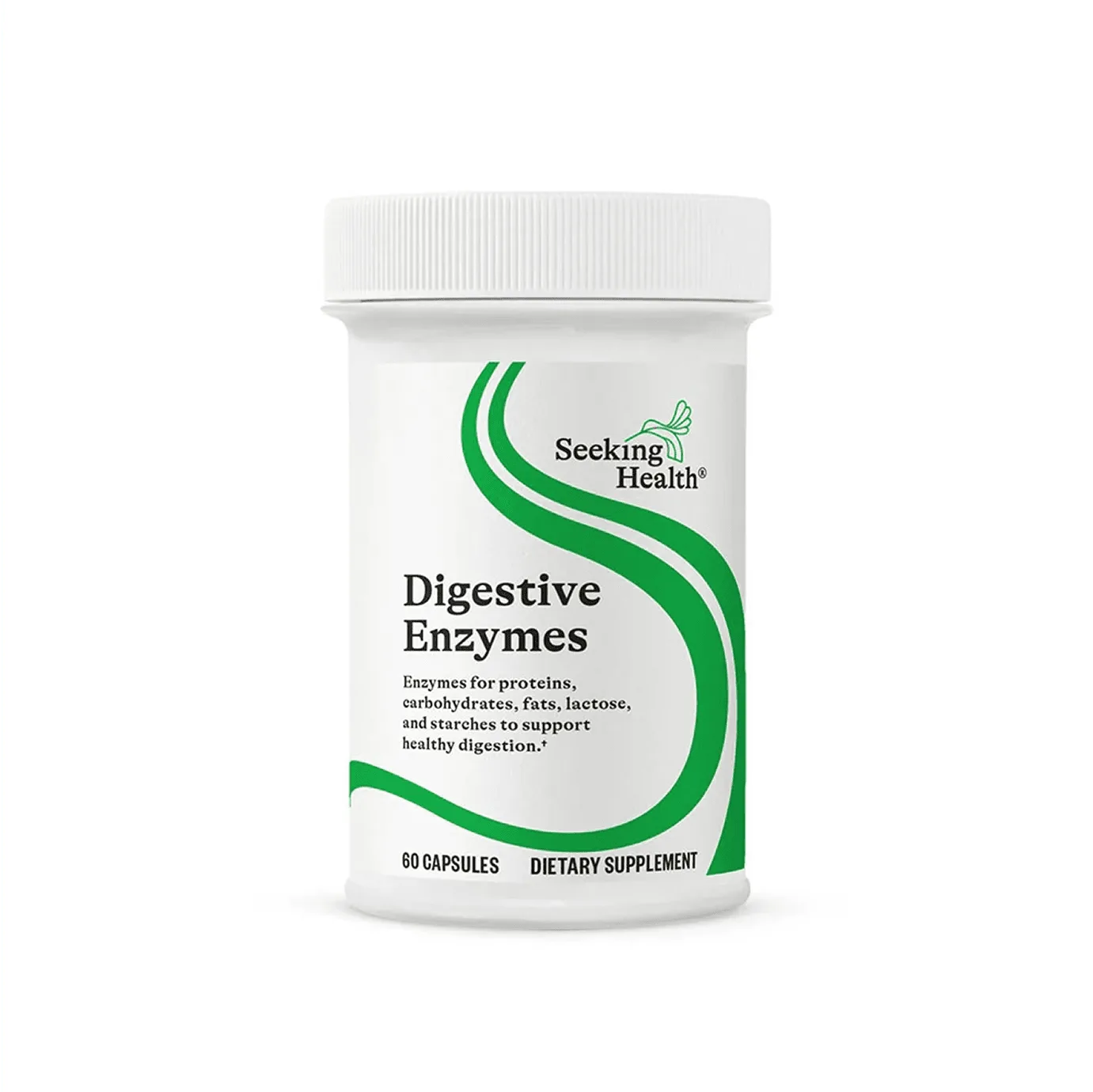
digestive enzymes
Choosing the Right Lactase Supplement for You
When shopping for a lactase supplement, you'll notice that some products are marketed specifically for lactose intolerance, while others are part of a broader digestive enzyme blend. If you only need help with lactose, a pure lactase product is usually sufficient. However, if you also struggle with digesting other foods, a multi-enzyme product might be worth considering.
It's also important to consider the form and convenience. Drops are great for home use, but if you're often on the go, capsules or chewables are more practical. Some people prefer chewables because they can be taken without water and taste pleasant.
If you have a genetic condition like MTHFR or COMT variations that affect how your body processes nutrients, you might be interested in targeted supplements. For example, the Dirty Genes line from our store offers supplements that support specific genetic pathways. While these are not lactase products, they can complement your digestive health routine by supporting overall methylation and detoxification, which may indirectly improve gut function.
- Read labels carefully: some 'lactase' products contain only a small amount of the enzyme and may not be effective for everyone.
- If you're vegan, check that the lactase source is microbial (not animal-derived).
Diagnosis: Is It Lactose Intolerance?
- Symptom: Bloating, gas, diarrhea, or stomach cramps within 30 minutes to 2 hours after consuming dairy. These symptoms are common signs of lactose intolerance.
- Likely Cause: Insufficient lactase enzyme production in the small intestine, leading to undigested lactose fermenting in the colon. Lactase deficiency can be primary (genetic) or secondary (due to injury or illness).
- Corrective Action: Use lactase drops to pre-treat milk, or take lactase capsules/chewables before eating dairy. Start with a low dose and adjust as needed. If symptoms improve with lactase use, lactose intolerance is likely.
- When to Stop or Choose Another Option: If symptoms persist despite proper lactase use, or if you experience severe pain, blood in stool, or unintended weight loss, consult a healthcare provider. You may have another condition like IBS, Crohn's, or a milk protein allergy. Seek professional advice before continuing self-treatment.
Related Products from Our Store
- Dopamine Nutrients: Dopamine Nutrients is a professionally formulated supplement designed to support brain health. Part of the Dirty Genes line, it targets key genetic pathways including COMT, MAOA, GST/GPX, and NOS3. If you have genetic variations that affect neurotransmitter function, supporting these pathways can help maintain healthy digestion, as stress and mood can impact gut health.
- Brain Nutrients: Brain Nutrients is a professionally formulated supplement designed to support brain health. It is part of the Dirty Genes category and is available in lozenge form for convenient intake. A healthy brain-gut connection is vital for digestive comfort; supporting cognitive function may help you manage stress-related digestive symptoms.
Lactase drops are a simple and effective way to enjoy dairy without discomfort. By understanding how they work and when to use them, you can take control of your digestive health. If you're looking for additional support for your overall well-being, consider exploring our range of targeted supplements, such as Dopamine Nutrients or Brain Nutrients, which are designed to support your body's unique genetic needs.