Quick answer
Set up your Laminar Flow Fountain on a level surface, fill it with clean water, and prime the pump before powering it on. For smooth flow, keep the nozzle clear and change the water regularly. Most flow problems come from trapped air or debris, so start there if the stream looks broken.
What affects the fountain's flow
The Laminar Flow Fountain works by pushing water through a carefully shaped nozzle so the stream stays smooth instead of splashing. Anything that disturbs that path—air bubbles, grit, hard water deposits, or a tilted base—will break the laminar effect. That is why setup and routine care matter more than fiddling with the pump.
Water choices that keep the stream clear
Tap water is fine for most homes, but if your water is very hard, mineral buildup can coat the nozzle over time. Distilled or filtered water reduces that risk. Avoid adding soap, dye, or oils; they change how the water behaves and can leave residue inside the pump.
When to clean vs. when to rebuild
A quick rinse of the nozzle and reservoir solves most day-to-day issues. If the stream has been weak for several sessions, take the nozzle assembly apart and inspect it for scale or debris. CrunchLabs build kits are designed to be opened and reassembled, so a careful teardown is part of the learning process.
Step-by-step setup and care
- Unpack and check all 16 parts: Lay out the components and compare them to the kit contents. Missing a small O-ring or nozzle piece is the most common reason a first build leaks or sprays unevenly. If anything is missing, stop and contact support before assembling.
- Assemble on a level, water-safe surface: Follow the build instructions in order, but place the fountain on a tray or towel near a sink. A tilted base will make the stream curve or break into droplets even if everything is sealed correctly. Check level with a phone app or a small bubble level before adding water.
- Fill with clean water and prime the pump: Pour water into the reservoir until it covers the pump intake. Let it sit for a minute so trapped air can escape, then power on. Running a pump dry even briefly can damage it. If you hear gurgling, turn it off, top up the water, and wait before restarting.
- Adjust the nozzle for a smooth stream: Start with the nozzle centered and the pump at its lowest setting. Increase flow gradually. A stream that twists or sprays usually means the nozzle is slightly off-axis or has a bit of debris. Remove and rinse the nozzle if the stream does not smooth out after two adjustments.
- Do a weekly rinse and monthly deep clean: Empty the reservoir, rinse all wetted parts with fresh water, and wipe the nozzle with a soft cloth. Once a month, disassemble the nozzle and soak it in white vinegar for 10–15 minutes to dissolve mineral film. Never use abrasive brushes or harsh chemicals; they can scratch the nozzle and ruin the laminar effect.
- Store dry and reassemble before next use: After cleaning, let all parts air-dry completely before storing. Moisture left in the pump or nozzle can encourage mold or corrosion. When you rebuild, do a quick test run with fresh water. If the fountain has been stored for months, prime the pump again before expecting a smooth stream.
The kit behind this guide
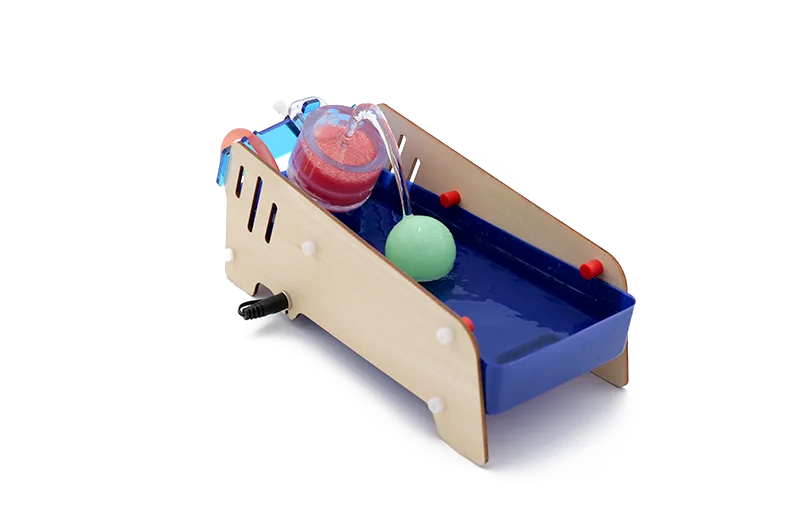
- Laminar Flow Fountain - Laminar Flow: The Laminar Flow Fountain is a CrunchLabs build kit from the Laminar Flow line, box #28, with 16 total parts. Knowing the part count helps you confirm nothing is missing before you start and makes reassembly easier after cleaning.