Quick Answer
The best laundry basket material depends on your priorities: wicker offers durability and style but can be heavy; fabric is lightweight and collapsible but less sturdy; plastic is waterproof and easy to clean but less breathable. For a balanced choice, consider a Nordic-designed basket like the Ume Laundry Basket, which combines functionality with minimalist aesthetics.
Choosing the right laundry basket material is more than a style decision—it affects durability, ease of cleaning, and how well it fits your routine. Whether you're upgrading a cramped bathroom or organizing a family laundry room, the material determines how the basket handles daily use.
In this guide, we compare the most common laundry basket materials—wicker, fabric, plastic, and metal—and highlight the trade-offs of each. We'll also look at how the Ume Laundry Basket from Zone Denmark fits into the picture, so you can make an informed choice.
Wicker Laundry Baskets: Classic Durability with a Natural Look
Wicker baskets are a timeless choice, often made from natural materials like rattan or bamboo. They bring warmth and texture to a room, making them a popular pick for bedrooms and living spaces. Their rigid structure means they hold their shape well, even when full, and they can last for years with proper care.
However, wicker has downsides. It's heavier than fabric or plastic, which can be a hassle when carrying laundry up and down stairs. It's also not waterproof—moisture can cause mold or warping, so it's not ideal for damp environments. Cleaning wicker requires dusting and occasional wiping, but you must avoid soaking it.
- Tip: If you choose wicker, line it with a removable fabric liner to protect it from moisture and make washing easier.
Fabric Laundry Baskets: Lightweight and Flexible
Fabric baskets, often made from canvas or polyester, are popular for their lightweight and collapsible design. They're easy to store when not in use and come in a wide range of colors and patterns, making them a versatile decor piece. Many feature handles for easy carrying, and some are machine-washable.
The main trade-off is durability. Fabric baskets can sag under heavy loads and may not stand up to rough daily use. They're also more absorbent, so they can retain odors if wet laundry sits inside. For light to moderate use, they're a convenient and affordable option.
- Tip: Choose a fabric basket with a sturdy frame or reinforced bottom to prevent sagging.
Plastic Laundry Baskets: Practical and Waterproof
Plastic baskets are the workhorses of the laundry world. They're waterproof, easy to wipe down, and often have built-in handles or ventilation holes. They're also lightweight and stackable, making them a favorite for utility rooms and shared laundry spaces.
On the downside, plastic baskets can look utilitarian and may not blend with a stylish interior. They can also become brittle over time, especially if exposed to extreme temperatures. If you prioritize function over form, plastic is a solid choice.
- Tip: Look for plastic baskets with smooth edges and sturdy handles to avoid cracks and discomfort.
Metal Laundry Baskets: Sleek and Sturdy
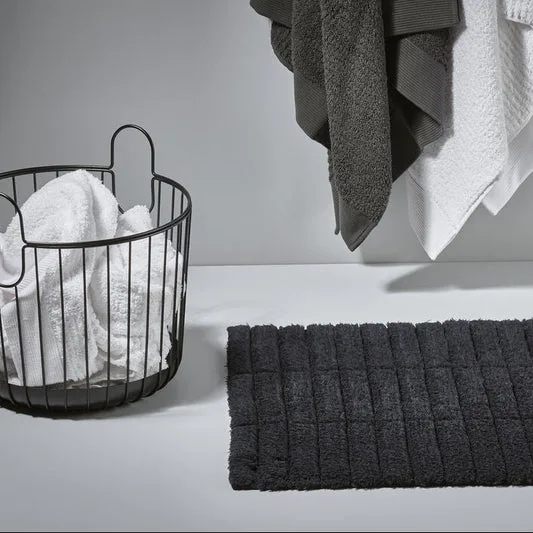
Metal baskets, often made from steel or wire, offer a modern, industrial look. They're extremely durable and can hold heavy loads without bending. Wire baskets provide ventilation, which helps prevent odors, and they're easy to clean.
However, metal can be heavy and may scratch floors if not fitted with protective feet. Wire baskets can snag delicate fabrics, so they're better suited for sturdy items. They also tend to be pricier than other materials.
- Tip: If you choose a wire basket, use a liner to protect clothes from snags.
Material Trade-offs at a Glance
- Wicker: Pros: Durable, stylish, natural look. Cons: Heavy, not waterproof, requires careful cleaning. Best for dry areas where you want a classic aesthetic.
- Fabric: Pros: Lightweight, collapsible, machine-washable options. Cons: Less sturdy, can sag, absorbs moisture. Good for light use and easy storage.
- Plastic: Pros: Waterproof, easy to clean, affordable. Cons: Utilitarian look, can become brittle. Ideal for utility rooms and heavy-duty use.
- Metal: Pros: Extremely durable, ventilated, modern look. Cons: Heavy, can scratch floors, may snag fabrics. Choose for industrial style and longevity.
Product Facts: Ume Laundry Baskets from Zone Denmark
- https://marketkind.shop/products/ume-laundry-basket-large-118540https://marketkind.shop/products/ume-laundry-basket-large-118541https://marketkind.shop/products/ume-laundry-basket-large-118542https://marketkind.shop/products/ume-laundry-basket-large-118543Ume Laundry Basket Large: Large size provides ample capacity for laundry needs. Clean, minimalist design complements a variety of interior styles. Crafted with attention to durable... The large capacity reduces trips to the washing machine, and the minimalist design ensures it fits seamlessly into any room.
- Ume Laundry Basket Small: Compact size ideal for small laundry loads or as a secondary basket in a bedroom or bath. Minimalist design complements a variety of interior styles with its simple... The small size is perfect for tight spaces or as an extra basket, and the minimalist look keeps your decor cohesive.
Which Material Should You Choose?
Best For
- Wicker: those who value aesthetics and have a dry, low-humidity space
- Fabric: minimalists who need a lightweight, storable option
- Plastic: busy households that need waterproof, easy-clean durability
- Metal: modern interiors and heavy laundry loads
Not For
- Wicker: damp basements or bathrooms where moisture is a concern
- Fabric: heavy wet laundry or high-moisture environments
- Plastic: those seeking a premium, designer look
- Metal: homes with delicate floors or fragile fabrics
Ultimately, the best laundry basket material aligns with your lifestyle and space. If you want a balance of style and practicality, consider the Ume Laundry Basket from Zone Denmark, available in large and small sizes to fit your needs. Weigh the trade-offs, and you'll find a basket that makes laundry day easier.