Quick answer
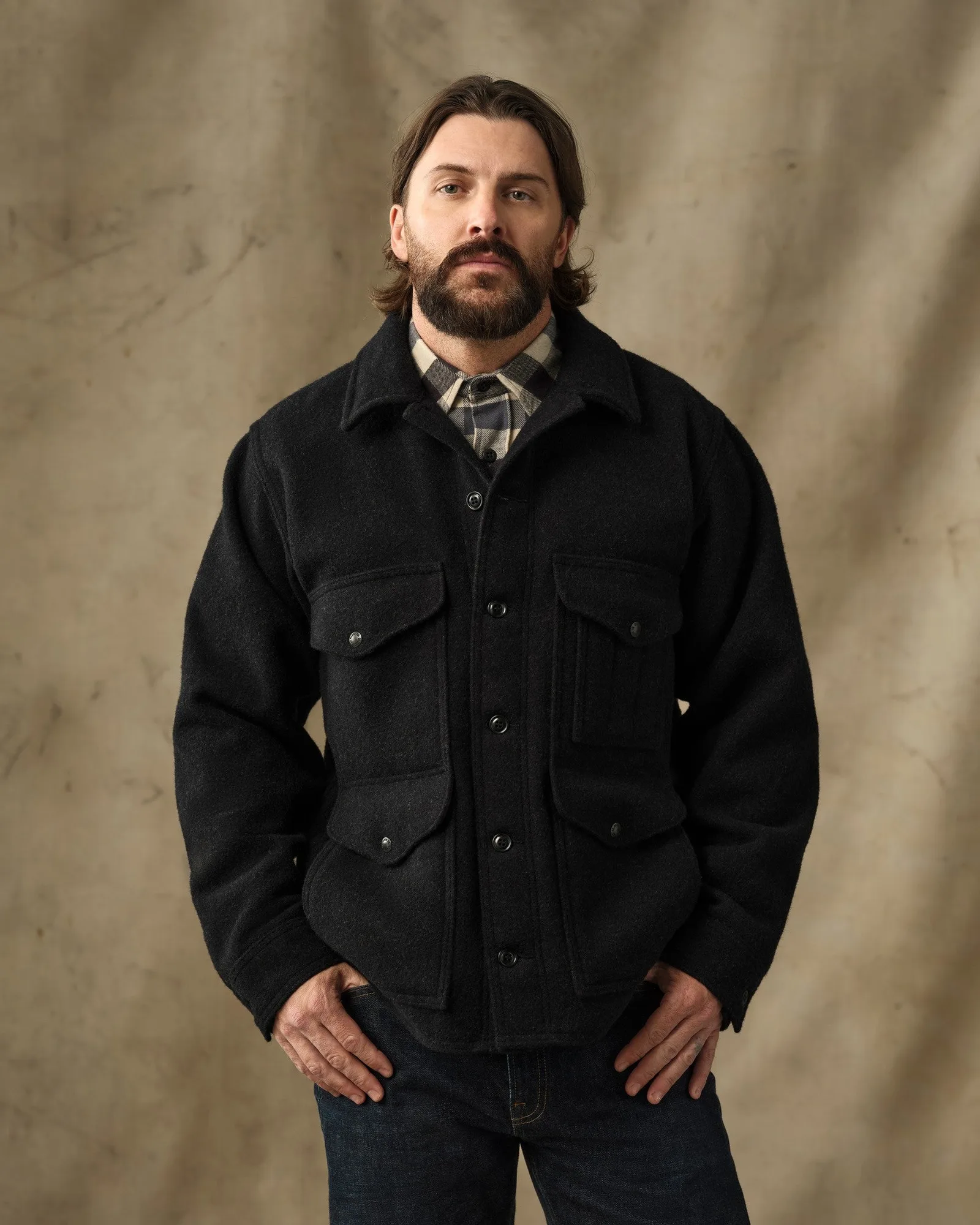
Start with a moisture-wicking base layer, add a mid layer for insulation, and finish with a weather-resistant outer layer. Adjust as you move: vent or remove the mid layer before you overheat. For cold, wet conditions, a wool outerwear piece like the Mackinaw Wool Cruiser Jacket works well over a wool pullover or insulated vest.
Why the three-layer system works
The base layer manages moisture next to your skin, the mid layer traps heat, and the outer layer blocks wind, rain, and snow. Each layer should fit loosely enough to trap air but not so baggy that it restricts movement or lets cold air circulate. Wool is a smart choice for mid and outer layers because it insulates even when damp and remains breathable. If you overheat, open vents or remove the mid layer before you start sweating heavily—sweat is the fastest way to get cold when you stop moving.
Choose the right base layer
Pick a base layer that wicks moisture and dries quickly. Merino wool or a synthetic blend works well; cotton holds sweat and stays wet, which pulls heat from your body. Fit should be snug but not tight, with flat seams to avoid chafing under a pack. For high-output activities, a lighter base layer prevents overheating; for low-output activities like standing around, a midweight base layer adds warmth.
Add a mid layer for insulation
The mid layer is your main warmth source. A wool pullover, fleece, or insulated vest works well. A vest keeps your core warm while freeing your arms for movement—ideal for active days. A wool pullover adds warmth across your whole torso and arms. If you run cold, choose a thicker mid layer; if you run hot, a lighter one. Remember that your mid layer should fit comfortably under your outer layer without compressing the insulation.
Finish with a protective outer layer
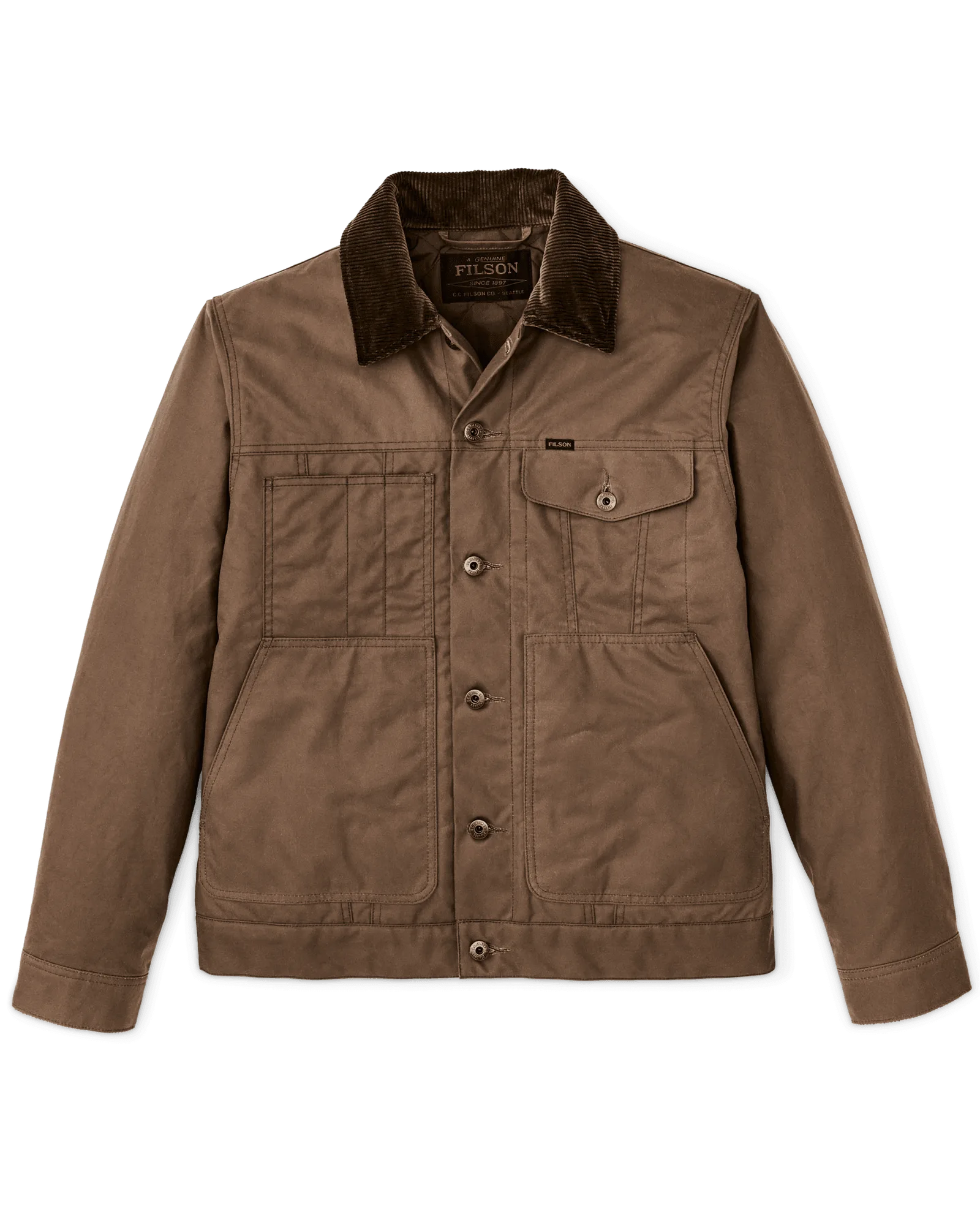
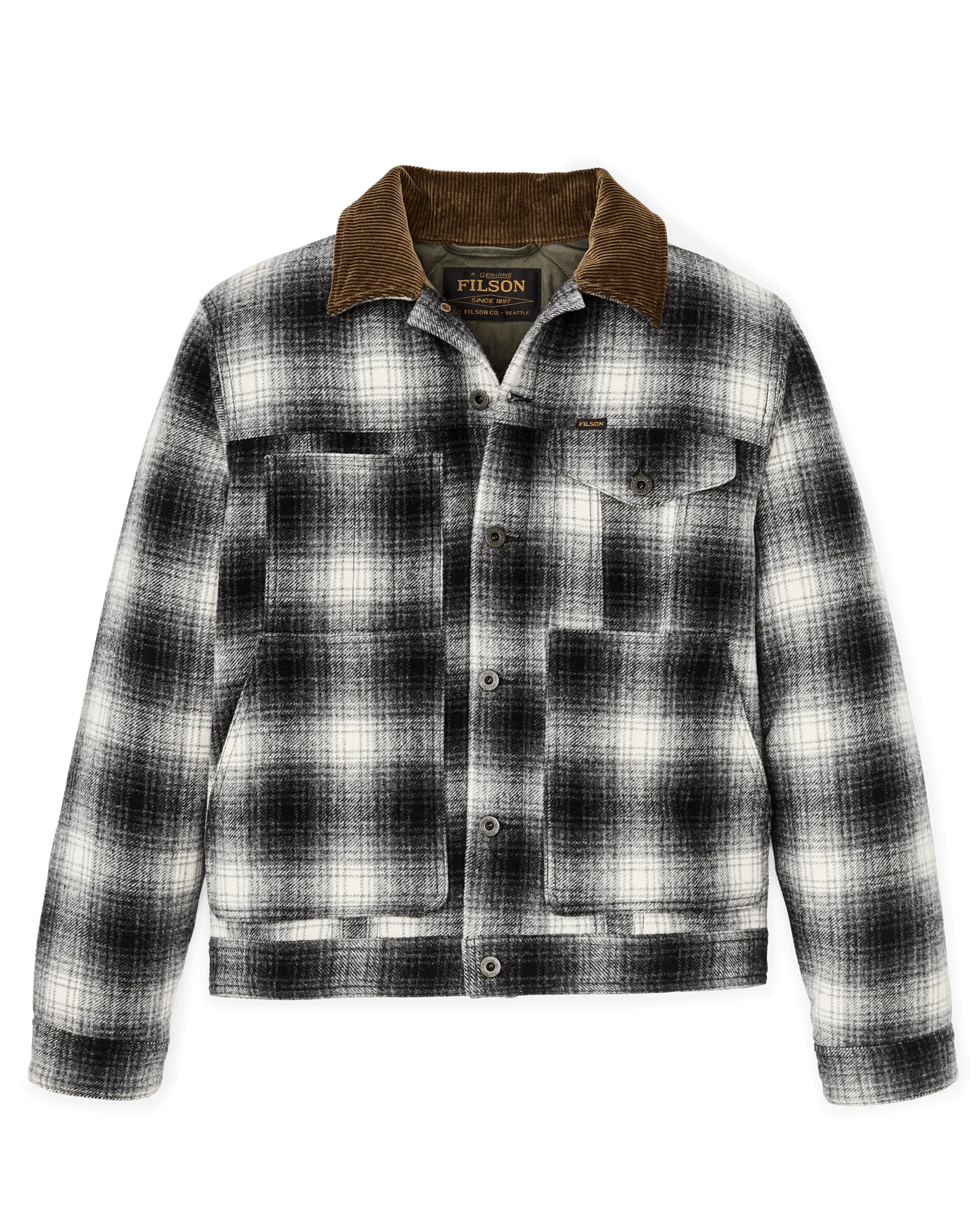
The outer layer blocks wind, rain, and snow while letting moisture escape. Look for a jacket that fits over your mid layer with room to spare. For cold, dry conditions, a wool jacket like the Mackinaw Wool Cruiser Jacket provides warmth and breathability. For wet, cold conditions, a waxed cotton jacket like the Insulated Short Cruiser Jacket repels rain and snow. If you need extra warmth without bulk, the Spokane Insulated Short Cruiser combines a wool-blend shell with quilted insulation.
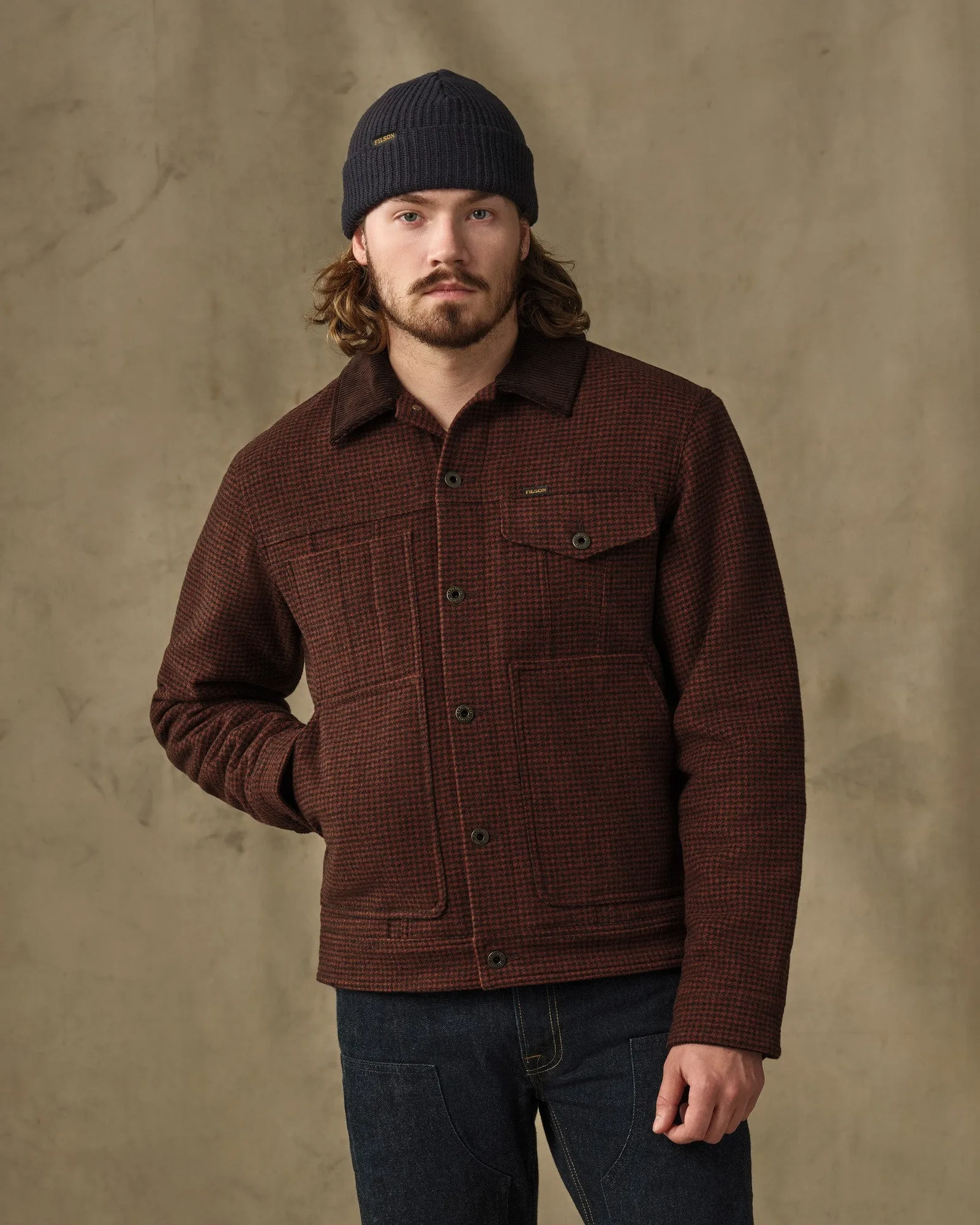
Spokane Insulated Short Cruiser
Step-by-step layering system
- 1. Start with a moisture-wicking base layer: Choose merino wool or a synthetic blend that fits snugly but not tight. Avoid cotton because it holds sweat and stays wet, which cools you down when you stop moving. Checkpoint: Your base layer should feel dry within minutes after you take it off.
- 2. Add a mid layer for insulation: Use a wool pullover, fleece, or insulated vest. A vest warms your core without restricting your arms; a pullover warms your whole torso. Make sure it fits under your outer layer without compressing the insulation. Checkpoint: You should be able to move your arms freely and feel no tightness across your chest.
- 3. Choose an outer layer that blocks weather: Pick a jacket that repels wind, rain, and snow while letting moisture escape. It should fit over your mid layer with room to spare. For cold, dry days, wool works well; for wet, cold days, waxed cotton or a waterproof shell is better. Checkpoint: Zip or button up and raise your arms—the jacket should not ride up or feel restrictive.
- 4. Adjust layers as you move: Open vents, unzip, or remove your mid layer before you start sweating heavily. Sweat is the fastest way to get cold when you slow down. If you stop for a break, add the mid layer back before you cool off. Checkpoint: You should feel slightly cool when you start moving; you'll warm up within a few minutes.
Product facts
- Mackinaw Wool Cruiser Jacket: Made from 100% virgin Mackinaw Wool, this jacket provides dependable warmth in cold and wet conditions. Wool naturally insulates even when wet and remains breathable for comfort through changing weather. The dense weave helps block wind, rain, and snow. Its relaxed cut allows freedom of movement while providing coverage where it counts. Button-front closure and adjustable cuffs help seal out the cold. This jacket works as a standalone outer layer in cold, wet weather, or as a mid layer under a shell in extreme conditions. The wool's breathability helps prevent overheating during active use.
- Spokane Insulated Short Cruiser: The Spokane Insulated Short Cruiser is made for cold weather work and wear. Its wool-blend shell holds quilted insulation to lock in warmth. Lined with cotton canvas in the body and smooth polyester in the sleeves, it layers with ease. Metal-shank buttons secure the front, cuffs, and waist tabs. Corduroy at the collar and cuffs adds comfort. Chest pockets keep tools and essentials close; large front pockets warm hands. This piece is a good choice for a mid layer or a lighter outer layer on dry, cold days. The smooth sleeve lining makes it easy to slide under a heavier jacket.
- Insulated Short Cruiser Jacket - Dark Brown: The Insulated Short Cruiser is made with our signature Shelter Cloth waxed cotton. At 11-oz. per square yard, this fabric is midweight for Filson, yet still heavier-duty than its imitators. Strong and flexible, Shelter Cloth comes from England's famed British Millerain, waxed-cotton pioneers since 1880. The PrimaLoft insulation is lightweight and will continue to trap heat even if it gets wet. The collar and cuffs are lined with corduroy for comfort. This jacket is an excellent outer layer for wet, cold conditions because the waxed cotton repels rain and the PrimaLoft insulation stays warm even when damp. It's a strong choice for a cold weather layering system.