Start with the premise, not the page count
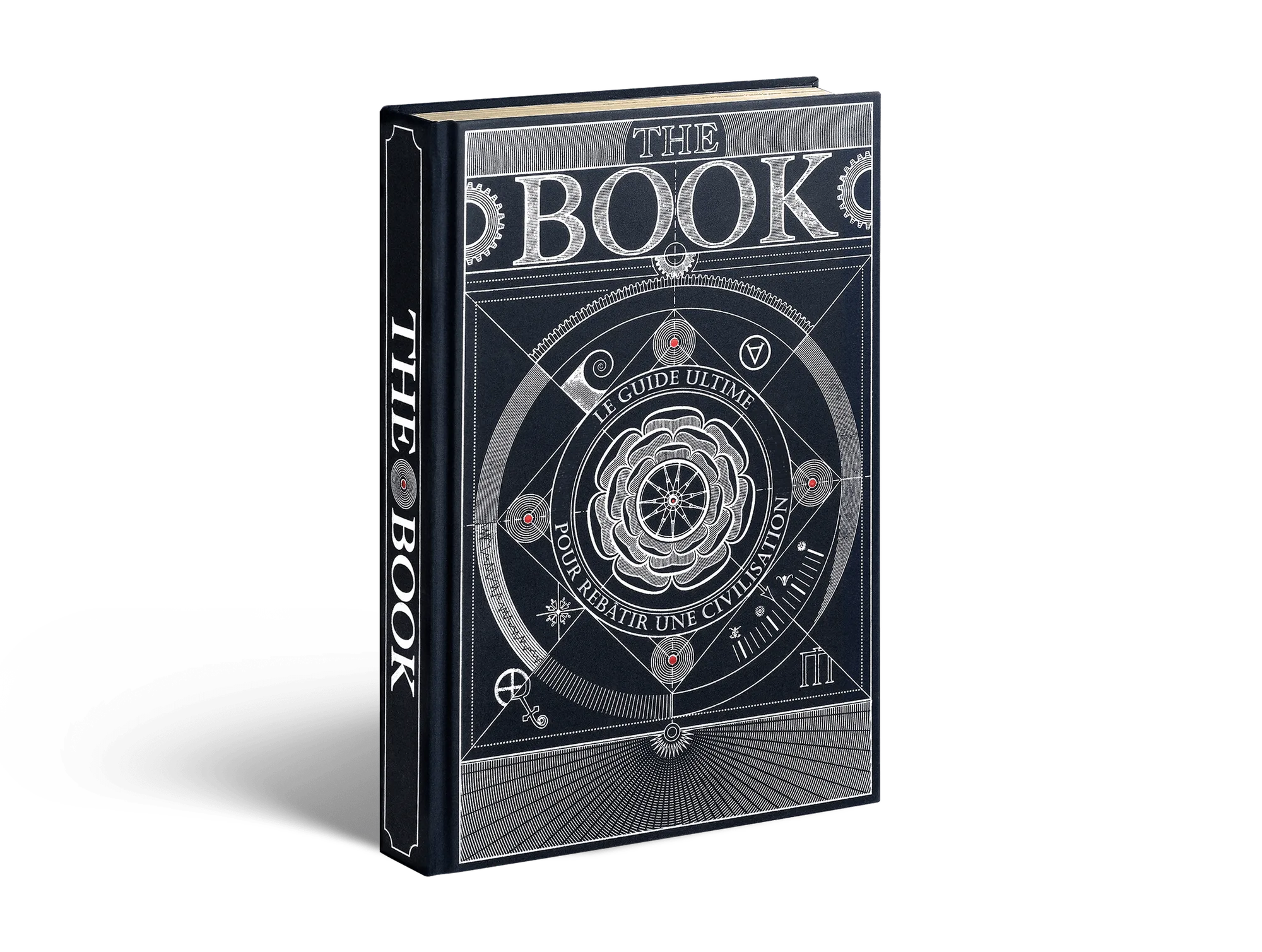
Le Guide ultime pour rebâtir une civilisation is the French edition of The Book. Its premise is a thought experiment: imagine arriving in the past with modern knowledge and technology. The product record frames it through the reaction people from the Middle Ages or Ancient Egypt might have to a telephone, a car, or electricity, and then asks the reader a sharper question: do you actually know how these things work?
That framing is the best starting point for your reading. You are not opening a narrative novel or a conventional history textbook. You are opening an illustrated reference work about inventions and discoveries, written in French and built around the gap between knowing that something exists and being able to explain it.
What the French edition record confirms
-
The Book. Le Guide ultime pour rebâtir une civilisation. French Version: The Book is described as a beautiful encyclopedia of incredible inventions and discoveries throughout human history. This tells you the reading mode: browse by invention or discovery, not from a single plot thread.
The Book. Le Guide ultime pour rebâtir une civilisation. French Version
-
The Book. Le Guide ultime pour rebâtir une civilisation. French Version: The record says the book was crafted entirely by hand, with each illustration designed by artists and every fact verified by scientists and experts, and that creating it consumed over 5,000 hours. It explains why the book reads as an illustrated object as much as a reference text, and why the facts carry weight.
-
The Book. Le Guide ultime pour rebâtir une civilisation. French Version: The product is listed as the French Version, with a Standard variant. The language is the first practical check: this edition is for readers comfortable in French.
A reading sequence that fits the book's structure
Because the record describes an encyclopedia of inventions and discoveries rather than a single narrative, you can choose an order. This sequence keeps the premise in view while you move through the material.
- Read the opening framing first: Use the time-travel premise as your lens. It sets up the central question the record highlights: whether you can explain how modern things actually work.
- Pick one invention or discovery at a time: The record describes the book as an encyclopedia, so treating each entry as a self-contained topic suits the format better than forcing a cover-to-cover march.
- Pause on the illustrations: The record states each illustration was painstakingly designed by artists. Looking at the image before reading the text is a simple way to use that work rather than skip past it.
- Test yourself against the premise: After an entry, ask whether you could explain that invention to someone from the Middle Ages or Ancient Egypt. That is the question the record builds the book around.
- Keep a short list of entries you want to revisit: An encyclopedia rewards return visits. A simple list helps you come back to the discoveries that connect to your own interests.
Reading in French: what to expect and how to make it easier
The French edition is written in French, so the reading experience depends on your comfort with the language. If French is your first language or you read it regularly, you can move through entries at your normal pace. If French is a second language, the encyclopedia format works in your favor: entries are topic-based, so you can read one, set the book down, and return without losing a plot thread.
The record does not supply a page count, reading level, glossary, or bilingual support. Treat those as open questions rather than assumptions. A practical approach is to read the framing material first, then choose a single entry and see how the language feels before committing to a longer session. If you want a French-language reference you will revisit over time, this edition fits that use. If you need a book you can read in one sitting, the encyclopedia structure suggests a different expectation.
Ways to read it, and what each one suits
- Entry by entry, in any order: Best for readers who want to follow curiosity. The record's description of an encyclopedia of inventions and discoveries supports this approach.
- Cover to cover: Possible, but the record does not describe a single narrative arc, so expect a reference rhythm rather than a story.
- As a shared or family reference: The premise and illustrations invite discussion. The record does not state an age range, so suitability for younger readers is not confirmed.
- As a gift for a French-reading history or invention enthusiast: The record's emphasis on hand-crafted illustrations and verified facts supports it as a presentation object. Gift-wrap or box contents are not confirmed by the supplied record.
What the record leaves open before you buy
The supplied record confirms the French language, the Standard variant, the encyclopedia premise, the hand-crafted illustrations, the expert verification, and the over-5,000-hour creation figure. It does not confirm a page count, dimensions, binding, publication date, reading age, or a table of contents. It also does not confirm whether the French edition includes any material beyond what other language editions contain.
That matters for two decisions. First, if you are choosing between language editions, the language itself is the main difference you can verify here. Second, if you need a specific physical format or a known reading level, ask before ordering rather than inferring from the premise. The catalog lists a comparison price of USD 119.00 against a current price of USD 89.25, so the price difference is visible, but it does not tell you anything about content differences between editions.
A short pre-order check for French readers
- Confirm you want the French Version: The record lists this product as the French Version. If you need English or another language, this is not the edition for you.
- Decide whether the encyclopedia format fits how you read: The record describes an illustrated encyclopedia of inventions and discoveries. If you prefer a continuous narrative, adjust your expectations.
- Check the variant: Only the Standard variant is listed in the supplied evidence. Do not assume other formats exist.
- Ask about the physical details you need: Page count, dimensions, and binding are not in the supplied record. If any of these affects your decision, confirm them with the store.