Quick Answer
Choose a leather belt for durability, polish, and versatility—it elevates workwear and formal outfits. Choose a fabric belt for casual comfort, lightweight feel, and easy styling with relaxed looks. If you want one belt to do most jobs, leather is the safer investment; if you prioritize comfort and casual style, fabric wins.
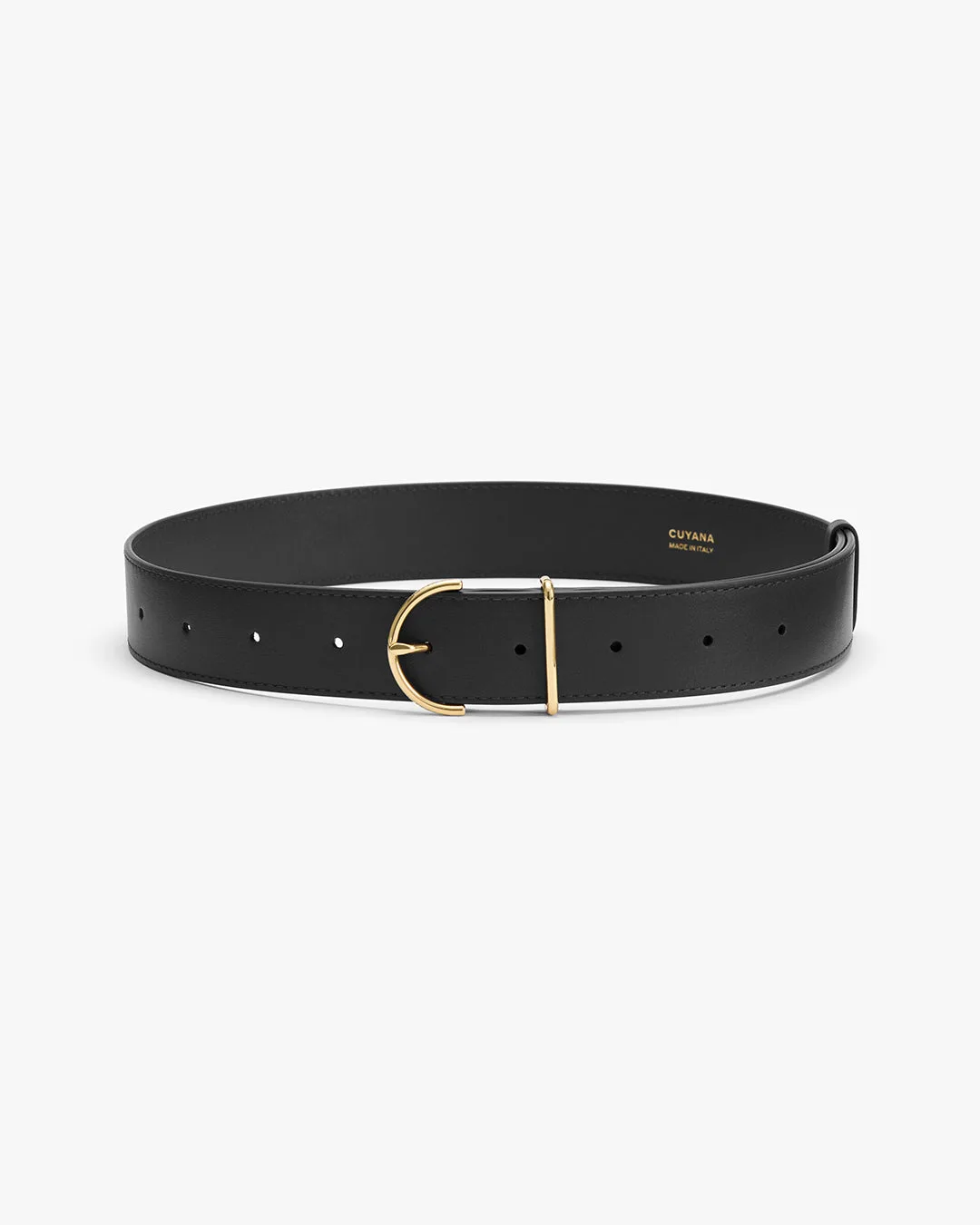
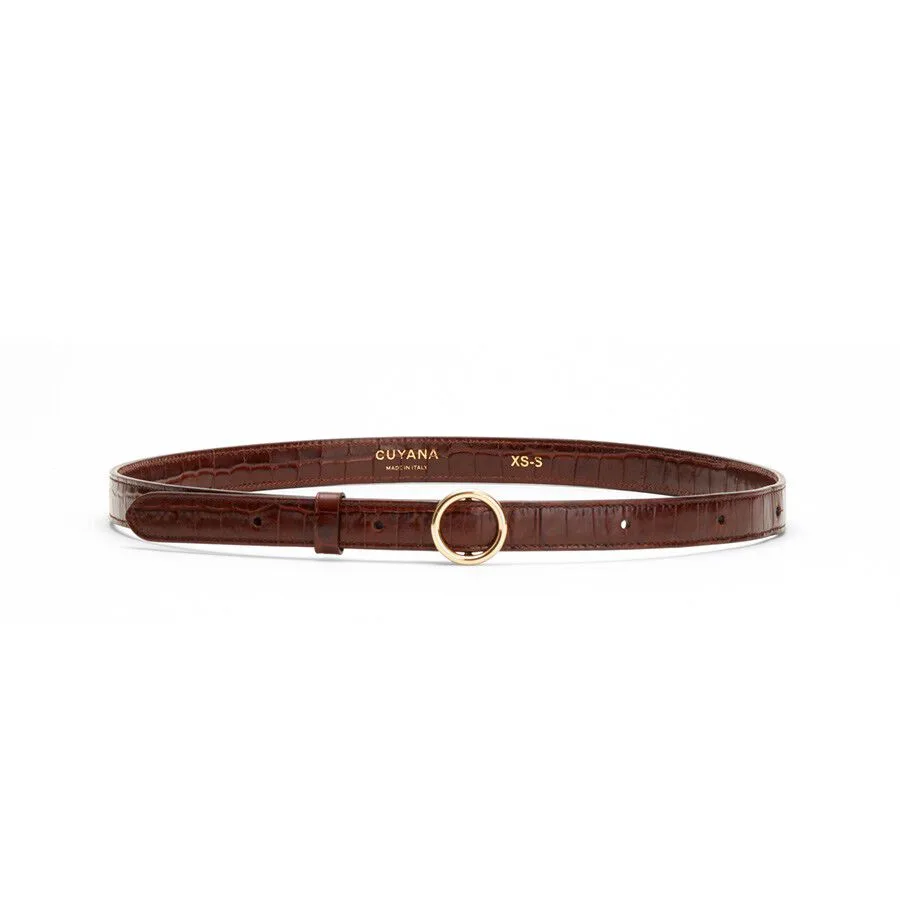
leather belt
Belts are more than functional accessories—they define your silhouette and pull an outfit together. But when you're standing in front of your closet, the choice between leather and fabric can feel surprisingly tricky. Both have their strengths, and the right pick depends on your lifestyle, wardrobe, and the occasions you dress for.
This comparison breaks down the practical differences between leather and fabric belts—durability, comfort, styling, and care—so you can choose with confidence. We'll also look at how belt quality and construction matter, and why a well-made belt is worth the investment.
Leather Belt Benefits: Durability and Polish
Leather belts are the classic choice for good reason. Full-grain and top-grain leather develop a rich patina over time, making them more beautiful with age. They hold their shape, resist stretching, and can last for years with proper care. Leather also pairs naturally with dress shoes, blazers, and tailored trousers, making it the go-to for office and formal settings.
A quality leather belt is an investment. It should feel substantial, have clean edge finishing, and use a buckle that won't tarnish. While leather requires occasional conditioning and should be kept away from excessive moisture, its longevity often outweighs the extra care. For a wardrobe staple, leather delivers return on every wear.
- Look for full-grain or top-grain leather for the best durability.
- Condition your leather belt every few months to keep it supple.
- Match your leather belt to your shoes for a polished look.
Fabric Belt Benefits: Comfort and Casual Style
Fabric belts—whether canvas, webbing, or woven—offer a lighter, more relaxed alternative. They're often more comfortable for all-day wear, especially with casual pants, chinos, or jeans. Fabric belts come in a wider range of colors and patterns, making them a fun way to add personality to an outfit.
The tradeoff is durability. Fabric can fray, fade, or stretch over time, especially with heavy use. However, many fabric belts are machine-washable or easy to spot-clean, which simplifies maintenance. If your style leans casual and you like to switch belts often, fabric offers versatility at a lower price point.
- Choose a fabric belt with a sturdy buckle and reinforced stitching for longer life.
- Wash fabric belts sparingly and air-dry to prevent shrinkage.
- Use fabric belts to add a pop of color or pattern to neutral outfits.
Belt Durability: Which Material Lasts Longer?
When it comes to longevity, leather generally wins. A well-made leather belt can last decades, while fabric belts may need replacing every few years depending on wear. Leather resists moisture better than untreated fabric and maintains its structure, whereas fabric can lose its shape or develop frayed edges.
That said, durability also depends on construction. A cheap leather belt can crack and peel, while a high-quality woven fabric belt can be surprisingly resilient. Look for reinforced stitching, quality buckles, and thick material—regardless of the type. The best belt is the one that's made to last.
- Inspect stitching and buckle attachment before buying.
- Rotate belts to reduce wear and extend their life.
Belt Style Guide: How to Choose for Your Outfit
Your belt should complement your outfit's tone and occasion. For work or formal events, a slim leather belt in black or brown is a safe, polished choice. For weekends or creative settings, a fabric belt in a textured weave or bold color can express your style.
Consider the belt's width relative to your belt loops. Narrower belts (around 1 inch) suit dress pants, while wider belts (1.25 to 1.5 inches) work with jeans and casual trousers. The buckle matters too—a simple metal buckle reads classic, while a fabric-covered buckle feels more casual.
If you're building a minimalist wardrobe, start with a versatile leather belt in a neutral tone. Add a fabric belt later for casual variety. This approach ensures you always have the right belt for the occasion.
- Match belt width to your belt loops for a clean look.
- Coordinate belt color with shoes or other leather accessories.
The Tradeoffs: Leather vs. Fabric
- Durability: Leather lasts longer and develops a patina; fabric can fray or fade but is easier to replace. Choose leather if you want a long-term staple.
- Comfort: Fabric is lighter and more flexible; leather can feel stiff initially but molds to your body. Choose fabric for all-day casual wear.
- Style versatility: Leather pairs with formal and workwear; fabric adds casual color and pattern. Own both to cover all occasions.
- Care: Leather needs conditioning and moisture protection; fabric is often machine-washable. Consider your maintenance willingness.
Belts and Beyond: What to Look For
- Curved Zip Wallet: A feminine twist on the classic continental wallet, crafted from refined Italian pebbled leather with a center zip pocket, eight card slots, and two bill pockets. Its wrap-around silhouette can accommodate larger items like a passport and more during travel. If you're choosing leather for its quality and longevity, the same principles apply to other leather goods. A well-crafted leather wallet complements your belt and elevates your everyday carry.
- Belted System Tote 13-inch - Anniversary Collection: Designed for the five-year System Tote Anniversary Collection, we reimagined our bestselling silhouette with a versatile belt for multiple ways to style it. Featuring our modular snap-in system, the tote adapts to your schedule. Snap in a laptop sleeve for work, a Flap Bag for dinner, or wear the tote on its own; whichever way you carry it, you're ready for the day. Available for a limited time. This tote shows how a belt can be both functional and stylish—a reminder that belts aren't just for your waist. The versatile belt design echoes the idea that thoughtful details make accessories work harder.
Which Belt Should You Choose?
Best For
- Professionals who need a polished belt for work and formal events
- Minimalists who want one versatile accessory that lasts for years
Not For
- Those who prioritize lightweight comfort and casual style over formality
- Anyone who likes to change belts frequently to match outfits
Both leather and fabric belts have a place in a well-rounded wardrobe. Leather offers timeless durability and polish, while fabric provides comfort and casual flair. Assess your lifestyle, care preferences, and style needs—then choose the belt that fits your everyday life. And remember, a quality belt, like any well-made accessory, is an investment in looking and feeling your best.