Quick answer
Leather collars generally outlast nylon because quality leather resists fraying and retains its shape with basic care. Nylon collars are lighter, dry faster, and cost less upfront, but they can weaken from UV exposure and chewing. For everyday durability and classic style, a leather collar like the Mustard Leather Dog Collar is a solid investment.
Leather vs Nylon: What the Materials Mean for Longevity
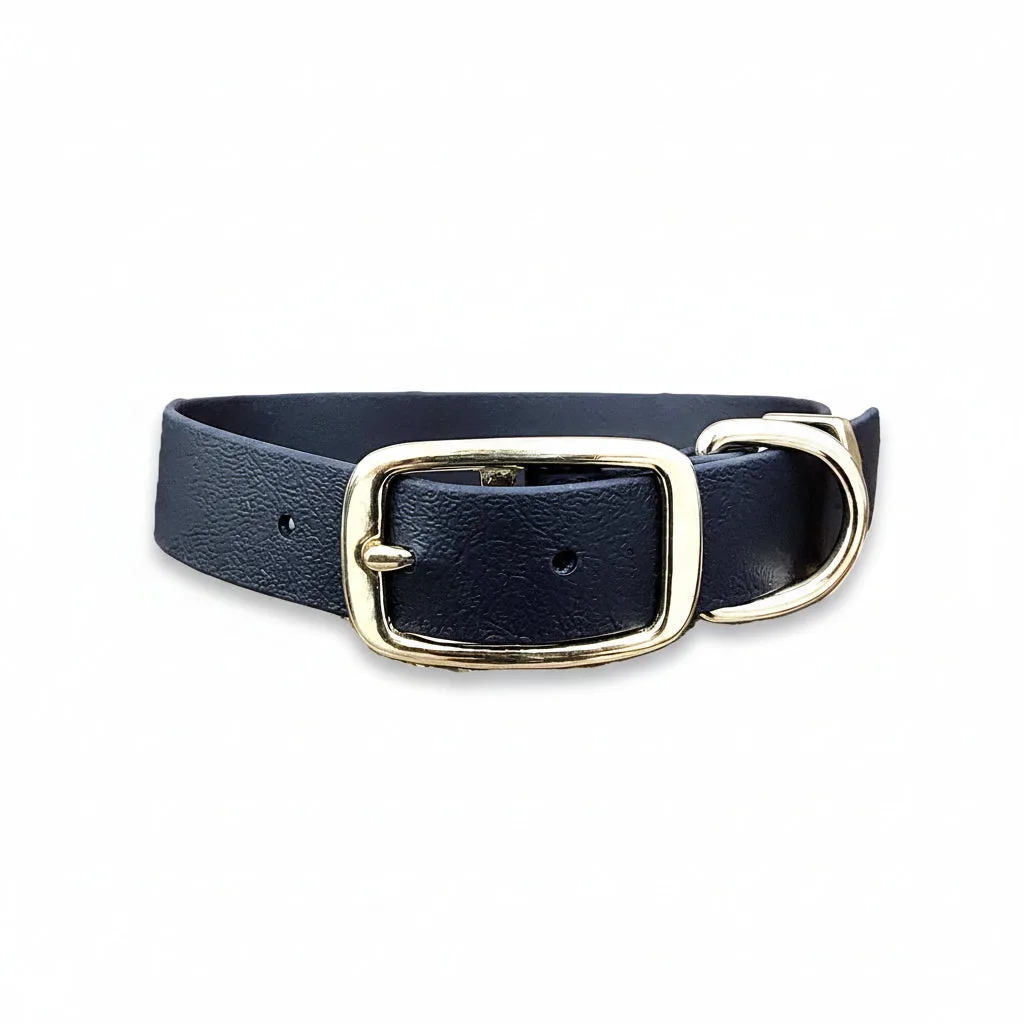
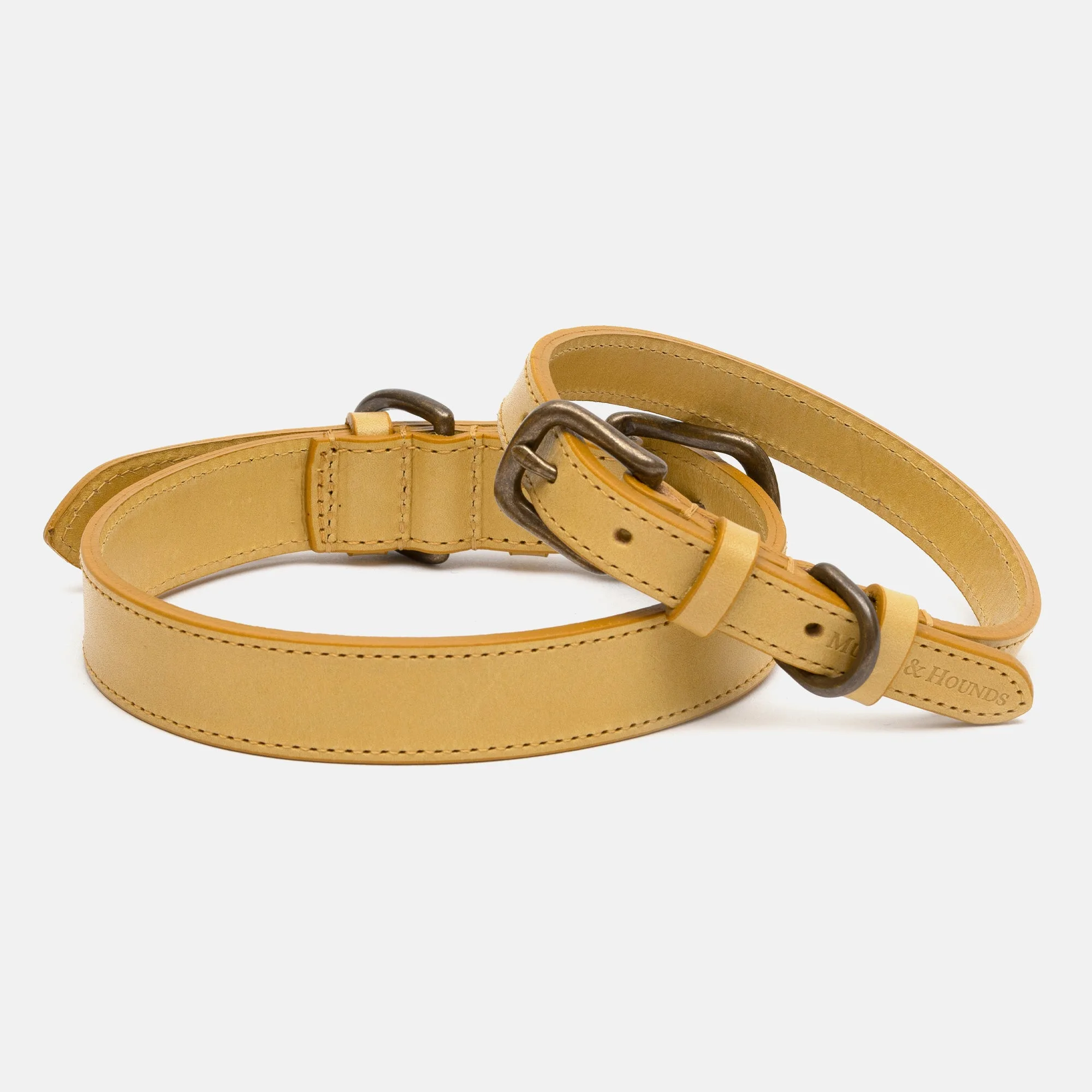
Leather dog collars are made from treated animal hide, which gives them natural strength and flexibility. A well-made leather collar, such as the Mustard Leather Dog Collar from Muttsandhounds, can last for years if you condition it occasionally and keep it dry. The leather develops a patina over time, but it won't fray or lose its structural integrity the way woven nylon can.
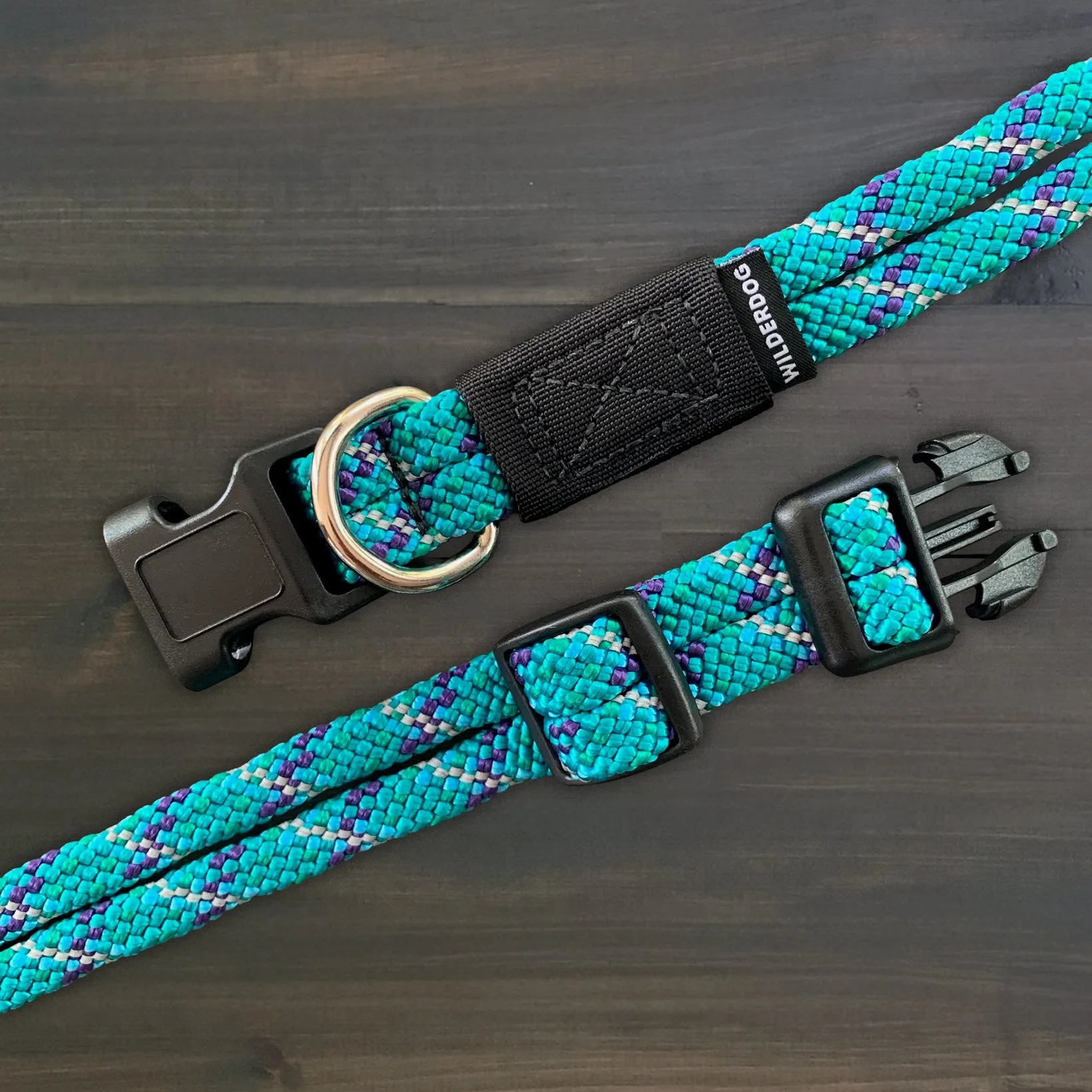
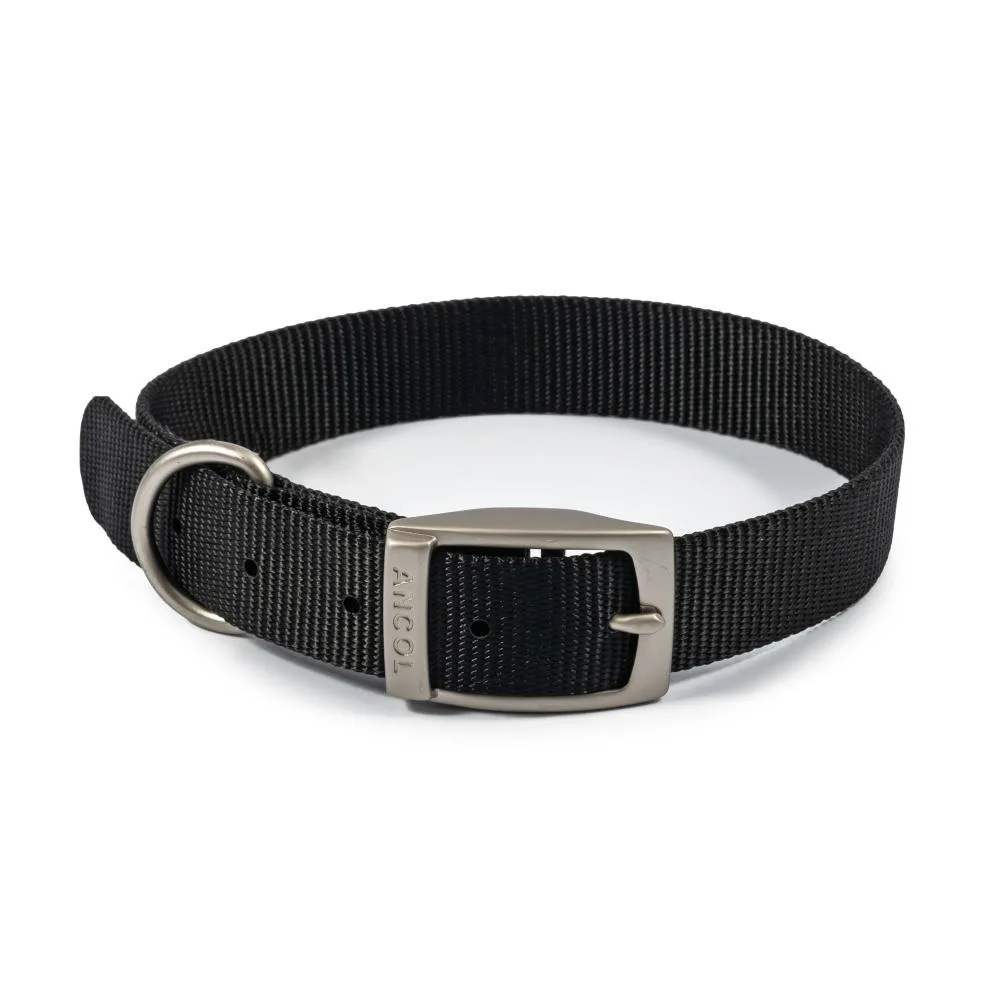
Nylon collars are popular for their low cost and quick-drying properties. They're great for dogs that swim or play in mud because you can rinse them off and they dry in minutes. However, nylon webbing can fray at the edges, fade in strong sunlight, and absorb odors. A nylon collar may need replacement every 6 to 12 months with heavy use, whereas a leather collar often lasts 3 to 5 years or more.
Comfort and Fit: How Each Material Feels on Your Dog
Leather collars tend to be heavier and stiffer when new, but they soften and mold to your dog's neck shape over time. The Mustard Leather Dog Collar is crafted from quality leather for long-lasting comfort and a rich mustard hue that adds style. Leather is less likely to cause chafing once broken in, but it can be uncomfortable if it gets soaked and then dries stiff.
Nylon collars are lightweight and flexible right out of the package. They're easier to adjust for a precise fit and don't require a break-in period. However, nylon can cause friction burns on short-haired dogs if the collar is too loose or if the dog pulls hard. A padded nylon collar can reduce this risk, but the padding may compress and lose its cushioning over time.
Care and Maintenance: Keeping Your Collar in Top Shape
Leather requires more care than nylon. You should wipe it clean with a damp cloth, avoid soaking it, and apply leather conditioner every few months to prevent cracking. The Mustard Leather Dog Collar is designed for durability, but neglecting it can shorten its life. Leather is not ideal for dogs that swim daily or live in very humid climates unless you're committed to regular maintenance.
Nylon collars are nearly maintenance-free. You can machine wash them on a gentle cycle or hand wash with mild soap, then air dry. They resist water and mildew, making them a practical choice for active, outdoor dogs. The trade-off is that nylon can become brittle after prolonged sun exposure, so inspect the webbing regularly for signs of wear.
Leather vs Nylon: Key Trade-Offs
- Durability: Leather lasts 3–5 years with care; nylon may need replacement every 6–12 months. Choose leather for long-term value.
- Water Resistance: Nylon dries quickly and resists mildew; leather can stiffen and crack if soaked. Choose nylon for water-loving dogs.
- Comfort & Fit: Leather molds to the neck over time; nylon is lightweight and adjustable from day one. Leather for a custom fit, nylon for instant comfort.
- Maintenance: Leather needs occasional conditioning; nylon is machine washable. Nylon for low upkeep, leather for a classic look.
Featured Product: Mustard Leather Dog Collar
- Mustard Leather Dog Collar: Made from quality leather for long-lasting comfort and a rich mustard hue. Quality leather means the collar will hold up to daily wear and develop a unique patina, not fray or lose shape like nylon.
- Merry & Bright Stripey Dog Plush Dog Toy: Merry & Bright Stripey Dog Plush Dog Toy – a fun, affordable toy for playtime. Pair a durable leather collar with a soft toy for a complete everyday setup that balances style and play.
Which Collar Material Is Right for Your Dog?
Best for
- Dogs that wear a collar daily and you want a long-lasting, stylish option
- Owners willing to do occasional leather conditioning for a premium look
Not for
- Dogs that swim frequently or live in humid climates (choose nylon instead)
- Owners who prefer a low-maintenance, wash-and-wear collar