Why Leather Laces Need Different Care
Leather laces aren't just a trim detail—they're a functional part of your shoes that wears in alongside the leather upper. Unlike cotton or synthetic laces, leather laces are cut square rather than round, so they sit flatter against the eyelets and hold their shape over time. This also means they respond to moisture and friction differently, and a few simple habits will keep them looking and performing their best.
How to Clean Leather Laces
Start by removing the laces from your shoes. Use a soft, dry cloth to wipe off loose dirt or dust. For more stubborn grime, lightly dampen the cloth with clean water—never soak the laces. Gently wipe the surface, then let them air dry completely away from direct heat or sunlight. Avoid using saddle soap or leather conditioners unless you're experienced with them, as these can darken or soften the laces unevenly.
The supplied information does not include specific cleaning products or instructions beyond general care. When in doubt, test any cleaner on a small hidden section first.
What the Laces Are Made For
-
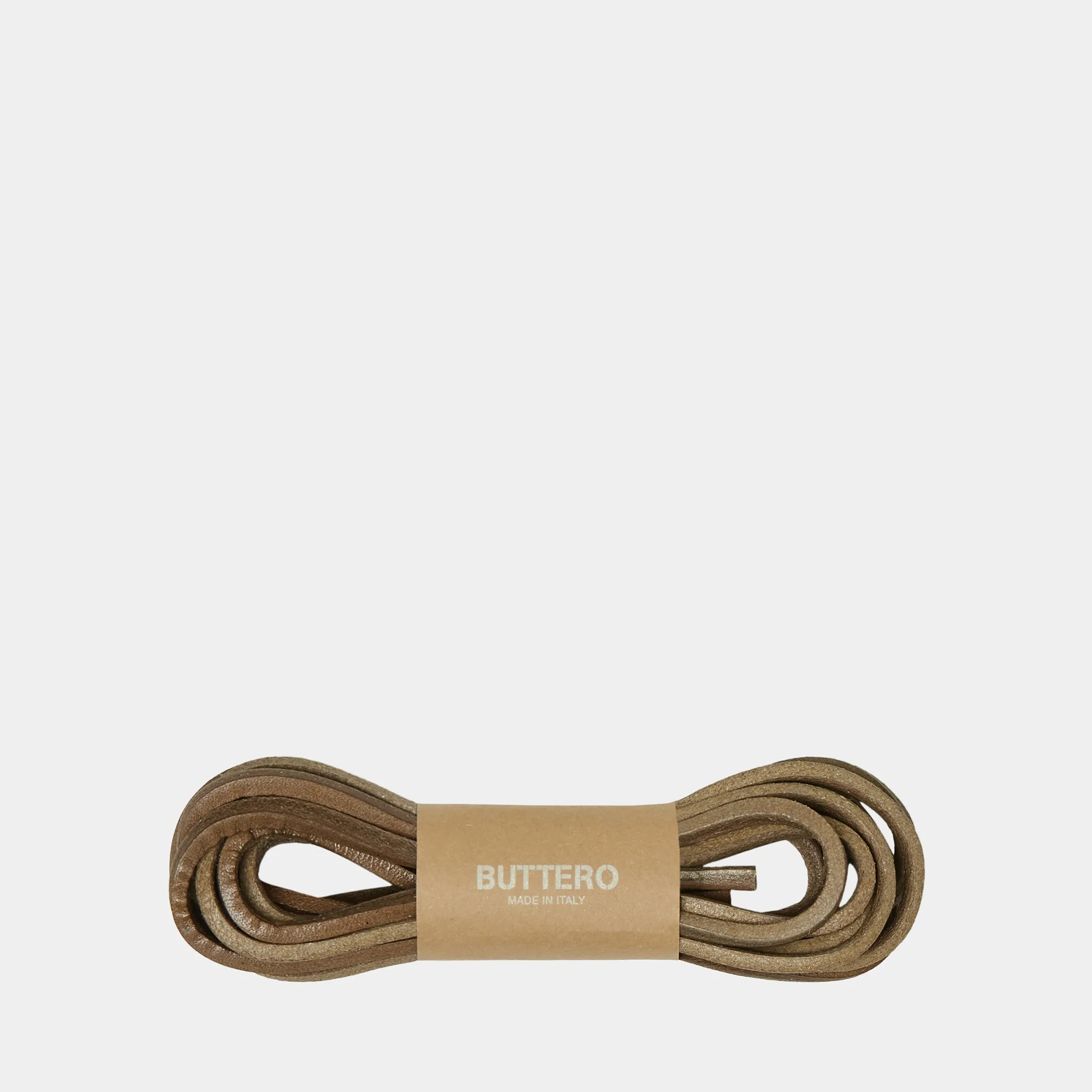
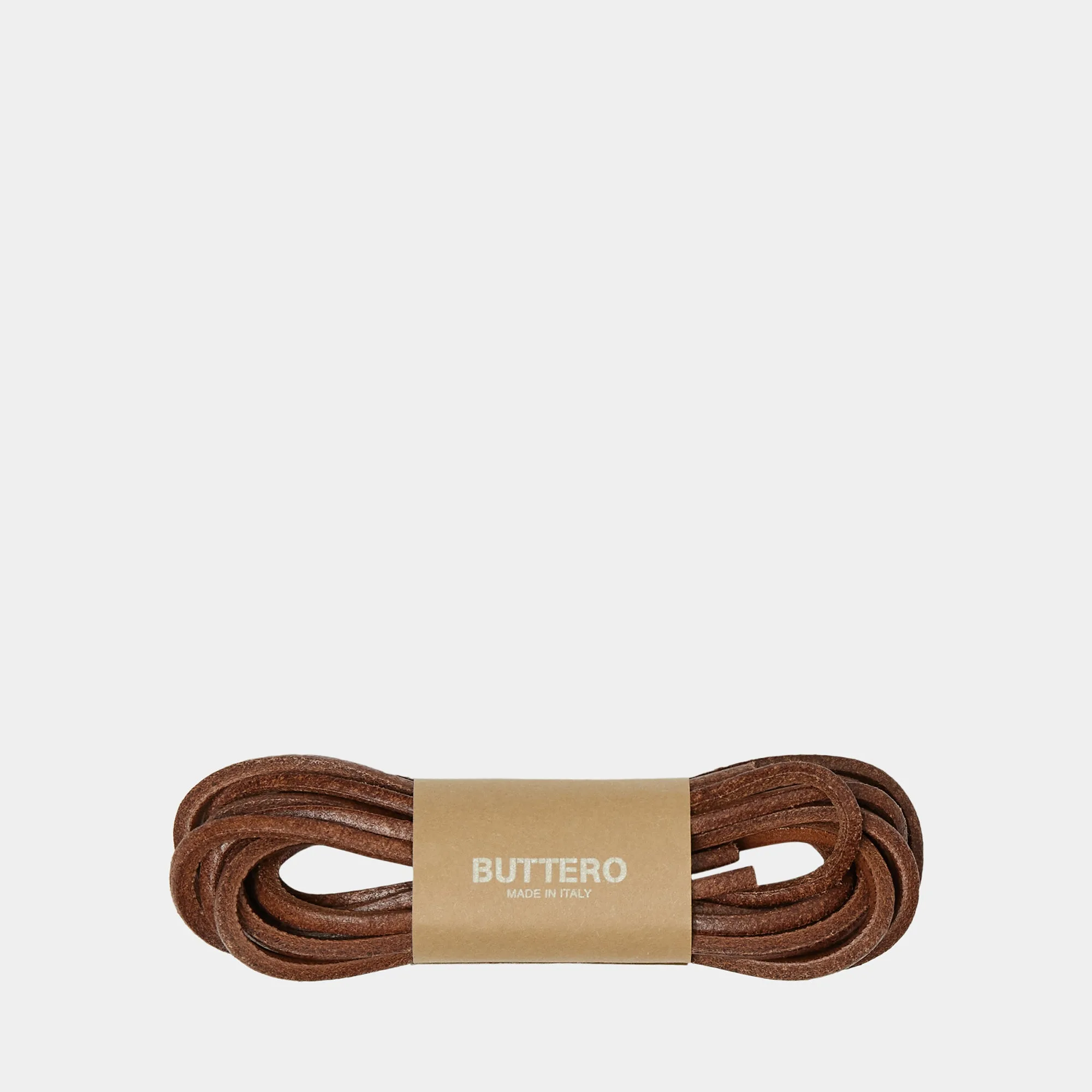
Leather Laces - Tan: These square leather laces in tan are meant to be trimmed to length and worn in alongside the shoes they're tied to. The laces are designed to be lived in—not treated as delicate accessories. Regular wear helps them conform to your eyelets and develop a natural patina.
Leather Laces - Tan
-
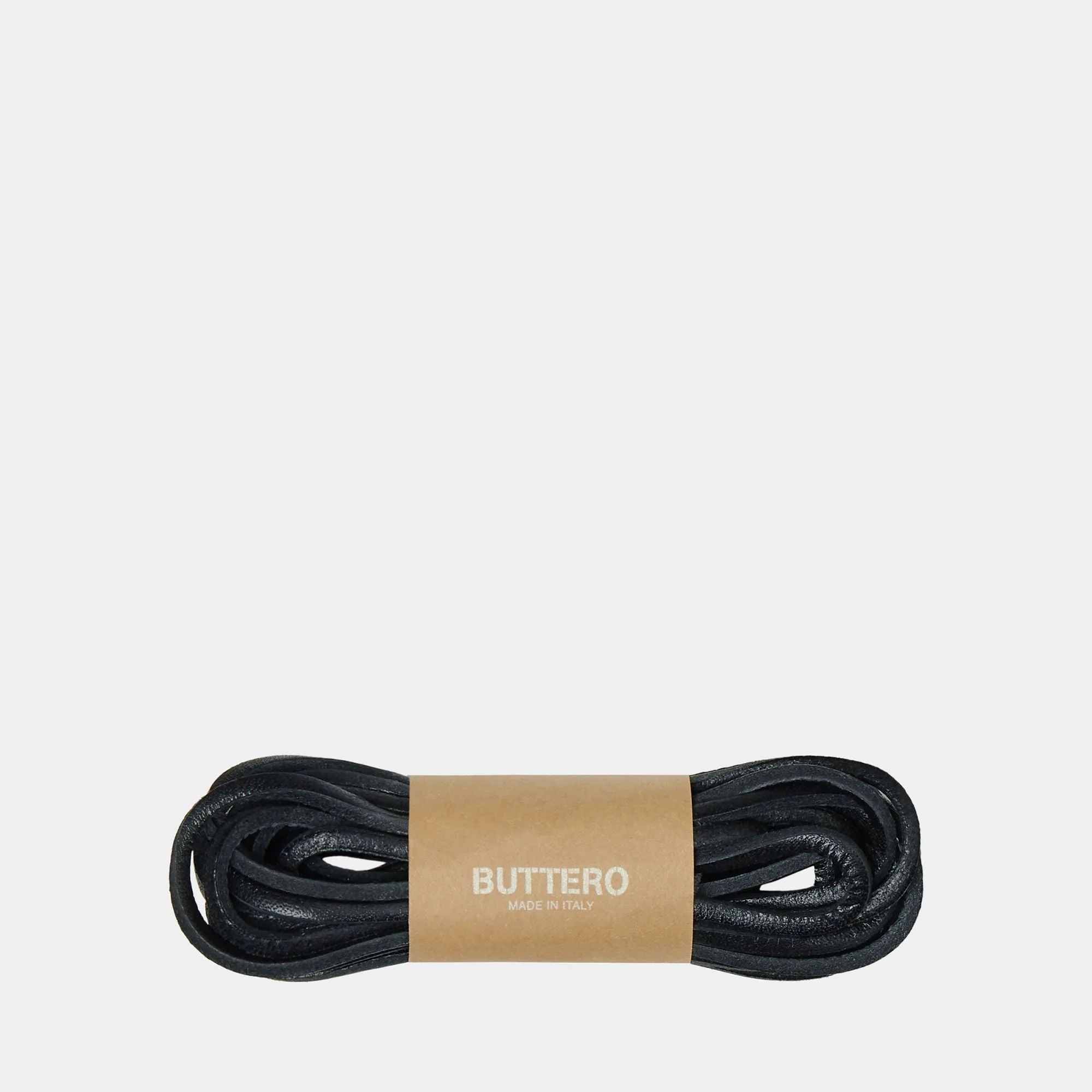
Leather Laces - Black: A set of square leather laces in black — the smallest detail with the biggest say. Cut square rather than round, so they sit flatter against the eyelets and hold their shape over time. The square cut reduces twisting and keeps the laces lying flat, which also means less friction against the eyelets and better longevity.
Leather Laces - Black
-
Leather Laces - Grey: Square-cut leather laces in grey — a small detail that carries real weight. Length can be adjusted simply by trimming them down. You can custom-fit the laces to your shoes by trimming, which avoids bulky ends and ensures a clean, tailored look.
Trimming Your Leather Laces
All three colors—tan, black, and grey—come in two lengths: 130 cm for sneakers and derby shoes, and 160 cm for lace-up ankle boots and hiking boots. If the laces are too long, simply trim them down. Use sharp scissors or a leather punch for a clean cut. After trimming, you can lightly burnish the cut end with a bit of beeswax or simply let it soften with wear. The supplied information confirms that trimming is the intended method for adjusting length.
Breaking In New Leather Laces
New leather laces can feel stiff at first. That's normal—they're meant to wear in alongside the shoes. As you tie and untie them, the leather will soften and conform to your knotting style. The square profile helps them stay flat and resist curling. If you want to speed up the process, gently flex the laces between your fingers before lacing up, but avoid over-bending or creasing them sharply.
What the Supplied Information Does Not Cover
The product records do not include specific cleaning products, waterproofing treatments, or care intervals. They also do not provide instructions for re-dyeing or conditioning the laces. For any advanced care, rely on general leather best practices and test on a small area first. The laces are made in Italy, but no specific tanning or finish details are recorded.