Lifting a hot cast iron skillet or Dutch oven out of the oven is a routine moment that demands confidence. Whether you're swirling a No.10 Cast Iron Dutch Oven full of braised short ribs or flipping a No.4 Cast Iron Skillet onto a serving board, the mitts on your hands are the only barrier between you and a serious burn. Two materials dominate the market: leather and silicone. Each has a loyal following, but which one truly keeps you safer and more comfortable when handling heavy, superheated cast iron?
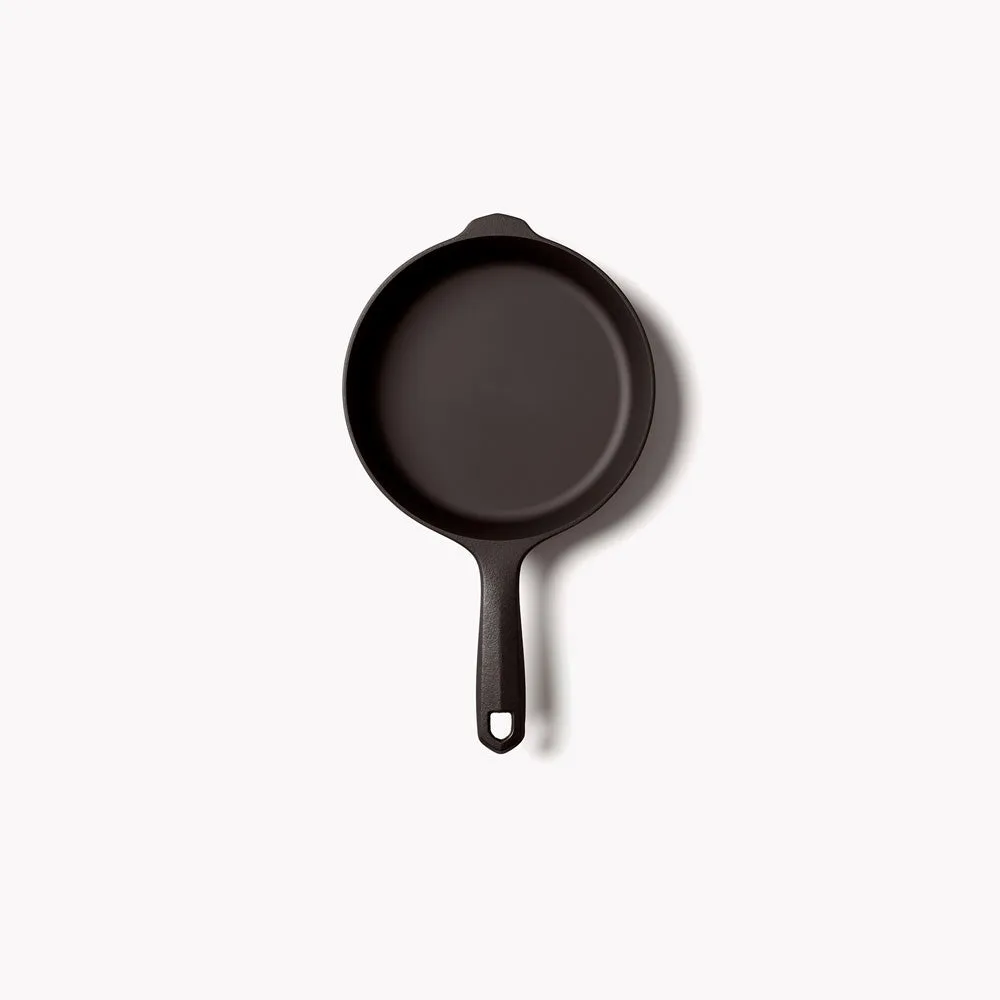
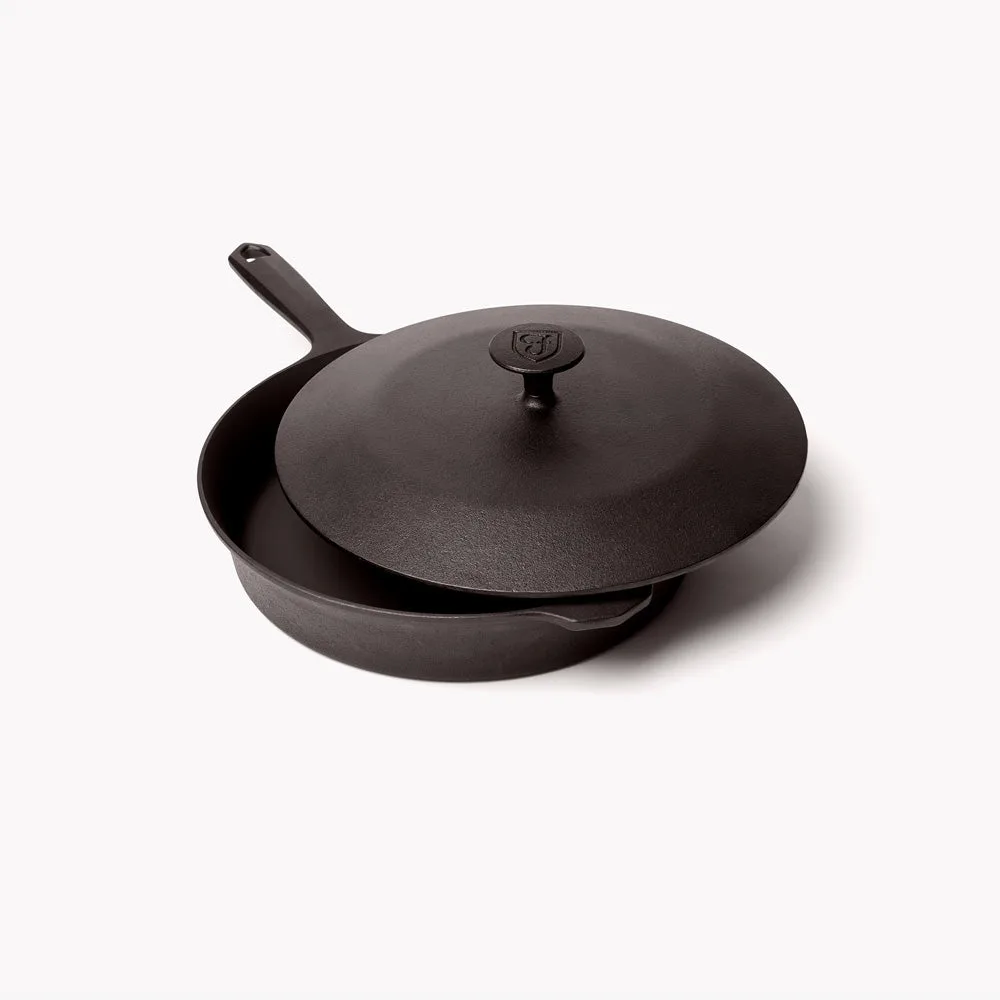
No.4 Cast Iron Skillet
The answer isn't as simple as picking the highest heat rating. Real-world factors like grip, dexterity, moisture, and how the mitt handles the weight of a fully-loaded pan matter just as much. In this guide, we'll break down the tradeoffs between leather and silicone oven mitts so you can choose the best pair for your cast iron routine. We'll also point you toward a few Field Company accessories that fit naturally into each category.
Heat Protection: The Core Safety Factor
Leather oven mitts, like the ones found in Field Company’s Leather Oven Mitts, are renowned for their natural insulation. Full-grain leather can handle indirect heat up to around 500°F without scorching, and its thickness provides a buffer that dissipates heat slowly. The organic fibers also behave differently than synthetics: they don’t conduct heat as readily, so a momentary brush against a hot skillet rim won't instantly transfer burning energy to your palm. However, leather can dry out over time, and if it gets wet, its insulating ability drops significantly until it dries again.
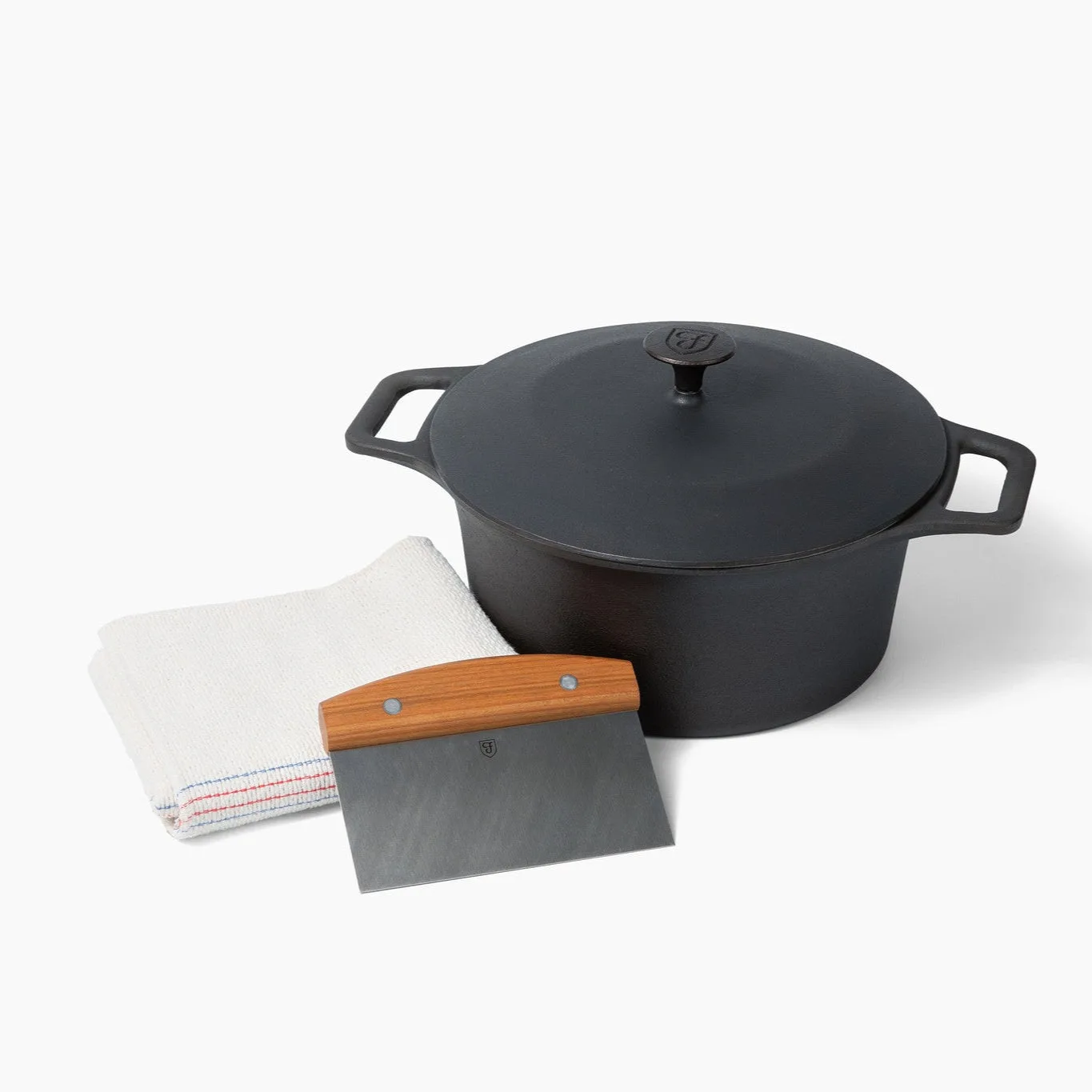
Silicone oven mitts are typically rated for much higher direct temperatures—often 600°F or more—because the material is heat-set and non-porous. They shed water and won't absorb cooking liquids, which is a clear advantage if you're braising or searing with oil splatter. But there's a catch: silicone's thermal conductivity is higher than leather's. That means the outside of the mitt may get almost as hot as the pan after prolonged contact, especially with heavy cast iron that retains heat for a long time. If you've ever felt your hand start to warm through a silicone mitt after lifting a No.10 Cast Iron Dutch Oven, you know the sensation.
- For quick grasp-and-release tasks, silicone’s dry-weather advantage shines. For extended carrying, leather’s slower heat transfer often feels safer.
Grip and Dexterity When Handling Heavy Cookware
Cast iron is unforgiving if your mitt slips. Leather oven mitts offer a naturally tacky surface that gets more supple with use, molding to the contours of the handle and your hand. That custom fit gives you a secure hold on the short, angled handles of a No.4 Cast Iron Skillet or the loop handles of a Dutch oven lid. Leather also breathes, so your hand stays drier during longer tasks. On the downside, leather mitts are often bulkier in the fingers, making it harder to pinch a lid knob or adjust a trivet one-handed.
Silicone mitts are typically non-slip by design, with ridges or texture molded into the surface. They provide excellent friction on smooth cast iron handles, and because silicone is flexible, you can often achieve a tighter grip on smaller handles. Many silicone mitts also have a longer cuff to protect your wrist from oven steam. The tradeoff is rigidity: silicone doesn't conform to your hand the way leather does, so you may feel less sensitivity and subtle control. If you're moving a full 4-Piece Cast Iron Cookware Set out of the oven one piece at a time, that loss of feel can lead to awkward adjustments.
- Try gripping a heavy pan with each material before committing. If comfort and dexterity are your top priority, leather tends to win.
Durability and Maintenance Over Years of Use
A quality pair of leather oven mitts, properly maintained, can last decades. The Field Company Leather Oven Mitts are made from thick, oiled leather that resists minor spills and can be re-conditioned with a beeswax-based balm. However, leather is porous; if you frequently splash acidic liquids like tomato sauce or wine, stains and eventual weakening can occur. You also need to avoid machine washing—soak up spills and let them air dry away from direct heat. Over time, leather will develop a patina and become softer, which many users prefer.
Silicone oven mitts are nearly indestructible in normal kitchen use. They won't absorb stains, you can toss them in the dishwasher, and they maintain their shape and heat rating for years. The downside is that silicone can develop a sticky or chalky feeling after repeated high-heat exposure, especially if the mitt has a cotton lining that eventually degrades. Also, silicone is not biodegradable, so if longevity and end-of-life impact matter to you, leather is the more sustainable choice. For most home cooks, both materials will outlive their need—but leather ages gracefully, while silicone tends to stay the same until it suddenly doesn't.
- If you hate hand-washing and prioritize low maintenance, silicone is your friend. If you cherish a tool that gets better with use, leather wins.
Which Should You Buy for Cast Iron Cooking?
The honest answer is: it depends on your cooking style. If you frequently handle heavy, preheated cast iron for long stretches—for example, moving a No.10 Cast Iron Dutch Oven from stove to table or lifting a loaded skillet to pour off fat—leather oven mitts offer superior heat isolation and comfort for sustained contact. They also pair beautifully with the aesthetic of traditional cast iron. For quick tasks like pulling a hot lid off the No.8 Cast Iron Skillet Lid or grasping a small pan handle for a brief flip, silicone mitts are fast, waterproof, and easy to clean.
Many experienced cast iron users end up owning both: leather for the heavy lifting and silicone for splashy, high-heat moments. If you're buying your first pair, start with leather mitts that fit well—they'll serve you for years. Field Company’s Leather Oven Mitts are a natural match for their cookware line, and they're designed with the same attention to detail as their skillets and Dutch ovens. Whatever you choose, remember that no mitt is a substitute for caution: always give yourself a clear path to a heatproof landing spot before lifting.
- For a well-rounded cast iron setup, consider complementing a set like the 4-Piece Cast Iron Cookware Set with high-quality leather mitts.
Leather and silicone oven mitts each bring legitimate strengths to a cast iron kitchen. Leather excels in long-term comfort, heat isolation, and timeless durability, while silicone offers unmatched heat ratings and effortless cleaning. Your choice should hinge on whether you value touch and longevity (leather) or convenience and wet-dry versatility (silicone). Either way, protecting your hands is non-negotiable when handling cast iron—so invest in a pair that makes you feel secure with every lift.