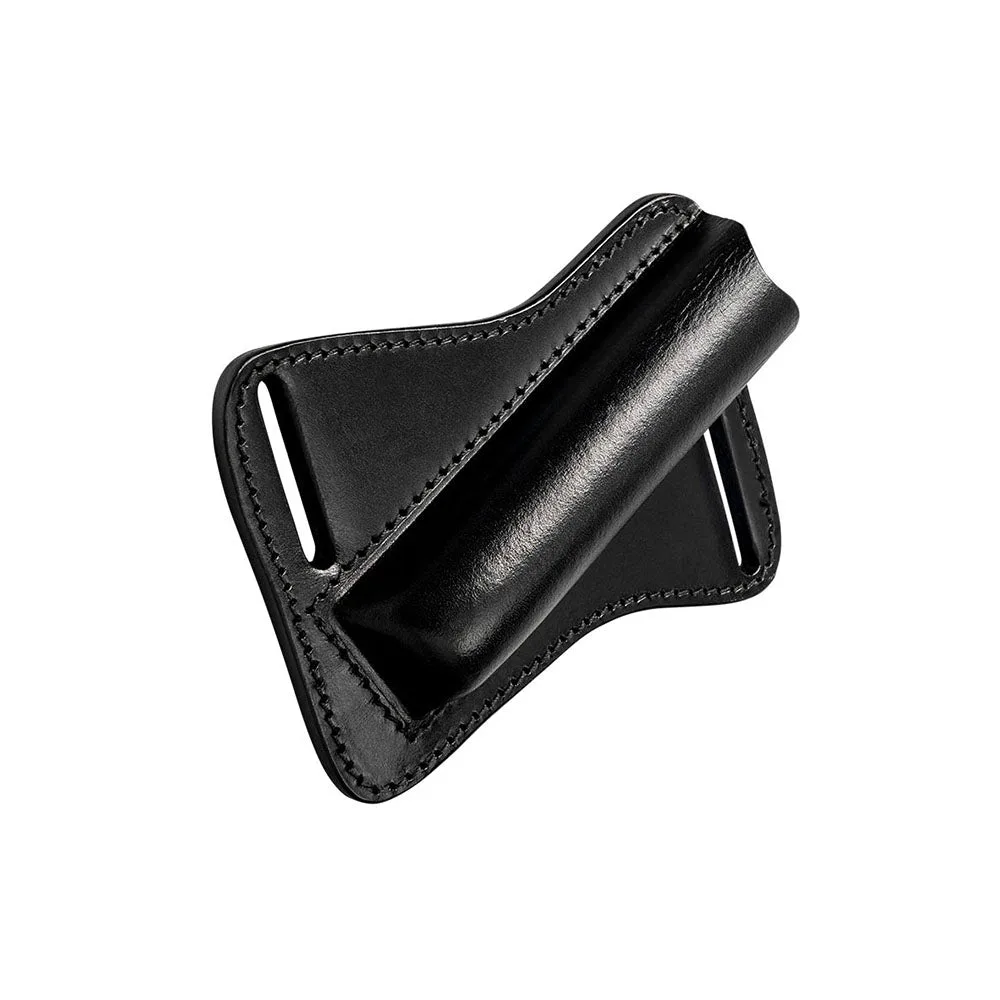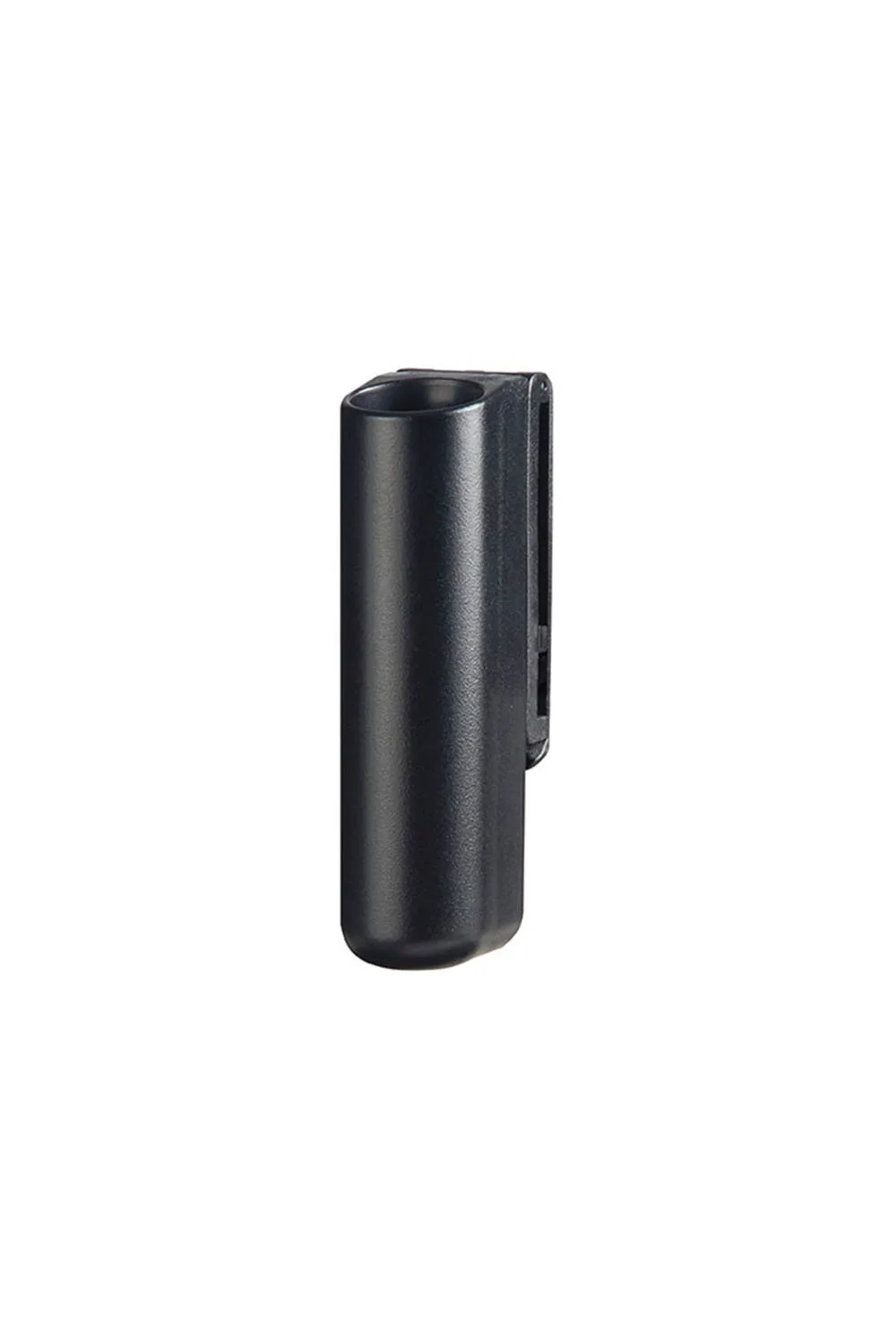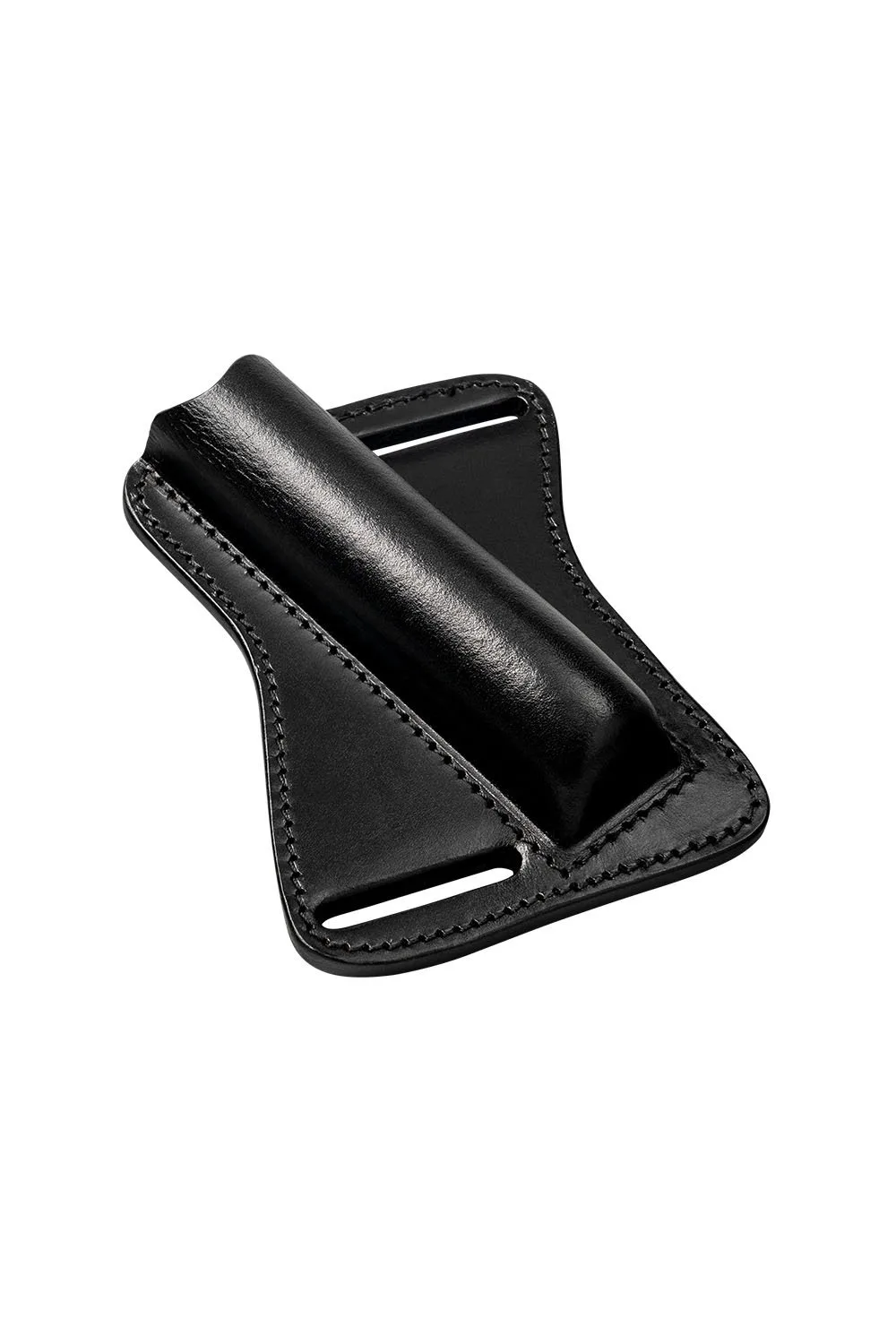
Your baton scabbard is more than just a carry accessory—it protects your baton and ensures quick access when you need it most. Whether you carry daily or use it on duty, the material of your scabbard determines how you should care for it. Leather scabbards offer a classic look and durability, while synthetic materials like nylon and Kydex provide lightweight, low-maintenance options.
In this guide, we'll walk you through the best practices for cleaning and maintaining both leather and synthetic scabbards. From conditioning leather to wiping down Kydex, you'll learn how to keep your scabbard in top condition for years to come.
Why Scabbard Care Matters
A well-maintained scabbard not only looks professional but also functions reliably. Dirt, moisture, and everyday wear can degrade materials over time, leading to cracks, stiffness, or even failure. For leather, neglect can cause drying and cracking. For synthetics, UV exposure and harsh chemicals can weaken the material.
Regular care extends the life of your scabbard, saving you money and ensuring your baton is always secure. Whether you own a https://aspersusa.com/products/horizon-scabbard-a-series-p-series-385875Horizon Scabbard (A Series, P Series) or an https://aspersusa.com/products/envoy-scabbard-50cm-385889Envoy Scabbard, 50cm, understanding the material-specific needs is essential.
- Inspect your scabbard monthly for signs of wear.
- Clean after exposure to rain, sweat, or dirt.
- Store in a cool, dry place away from direct sunlight.
Caring for Leather Scabbards
Leather scabbards are prized for their durability and aesthetic appeal. However, leather is a natural material that requires regular conditioning to stay supple. Start by gently wiping the surface with a soft, dry cloth to remove dust and debris. For deeper cleaning, use a leather cleaner specifically designed for this purpose—avoid harsh soaps that can strip natural oils.
After cleaning, apply a high-quality leather conditioner. This restores moisture and prevents cracking. For scabbards like the Horizon Scabbard (A Series, P Series), which may see heavy use, conditioning every 3-6 months is recommended. Always test any product on a small, inconspicuous area first.
If your leather scabbard gets wet, let it air dry naturally away from heat sources. Never use a hairdryer or place it near a radiator, as this can cause the leather to warp. Once dry, apply conditioner to replenish lost oils.
- Use a soft brush to remove dirt from seams and crevices.
- Avoid over-conditioning—a little goes a long way.
- Store leather scabbards in a breathable fabric bag to prevent dust buildup.
Caring for Synthetic Scabbards (Nylon, Kydex, and More)
Synthetic materials like nylon and Kydex are popular for their lightweight and low-maintenance nature. To clean nylon scabbards, simply wipe with a damp cloth and mild soap. For tougher stains, use a soft-bristled brush. Avoid machine washing, as it can damage the stitching and shape.
Kydex scabbards are even easier—just wipe with a damp cloth and dry. They are resistant to most chemicals, but avoid solvents that could cause discoloration. For scabbards like the Envoy Scabbard, 50cm, which may be made of synthetic materials, regular wiping keeps them looking new.
One common issue with synthetic scabbards is deformation from heat. Never leave them in a hot car or near direct heat sources. If your scabbard becomes warped, you may be able to reshape it with careful heating, but it's often safer to replace it.
- Use a toothbrush to clean textured surfaces.
- Rinse with fresh water after exposure to salt or chlorine.
- Check Velcro or snaps for wear and replace if needed.
Comparing Maintenance Needs: Leather vs Synthetic
When choosing between leather and synthetic, consider your lifestyle and how much time you're willing to invest in maintenance. Leather requires regular conditioning and protection from moisture, while synthetics are nearly maintenance-free. However, leather can develop a beautiful patina over time, adding character, whereas synthetics may show wear more visibly.
For duty use, many prefer synthetics for their quick-drying and easy-cleaning properties. For a classic look, leather is unmatched. Both materials can last for years with proper care.
- Leather: needs conditioning, avoid water, store in breathable bag.
- Synthetic: wipe clean, avoid heat, inspect hardware regularly.
Extending the Life of Your Scabbard
No matter the material, there are universal tips to extend the life of your scabbard. Regularly inspect the stitching, snaps, and belt loops for signs of wear. Replace any worn components promptly to prevent failure.
Rotate your scabbards if you have multiple, to distribute wear. And always store your baton and scabbard in a clean, dry place when not in use. For those with leather scabbards, consider using a leather protector spray to add an extra layer of defense against moisture and stains.
- Keep a maintenance kit: soft cloth, cleaner, conditioner, and brush.
- Set a reminder to inspect your scabbard every season.
- Avoid overloading the scabbard with excessive weight.
Proper scabbard care is simple once you know the material. Whether you choose the classic elegance of leather or the practicality of synthetic, regular maintenance will ensure your scabbard performs reliably for years. If you're in the market for a new scabbard, consider the Horizon Scabbard (A Series, P Series) for its durability and versatility—explore it today and give your baton the protection it deserves.