Quick answer
For most left-handed groomers, the right first purchase is a 7-inch left-handed shear that matches your most common task: a 21-tooth curve chunker for bulk removal and contour work, or a 35-tooth piano fluffer for blending and softening coats. If you want one premium all-rounder for thick coats and long grooming days, choose a lightweight 440C Japanese steel curve bevel such as the 7in Curve Bevel Celestia. Buy left-handed orientation as a non-negotiable; tooth count and blade shape are the variables you tune to your coat work.
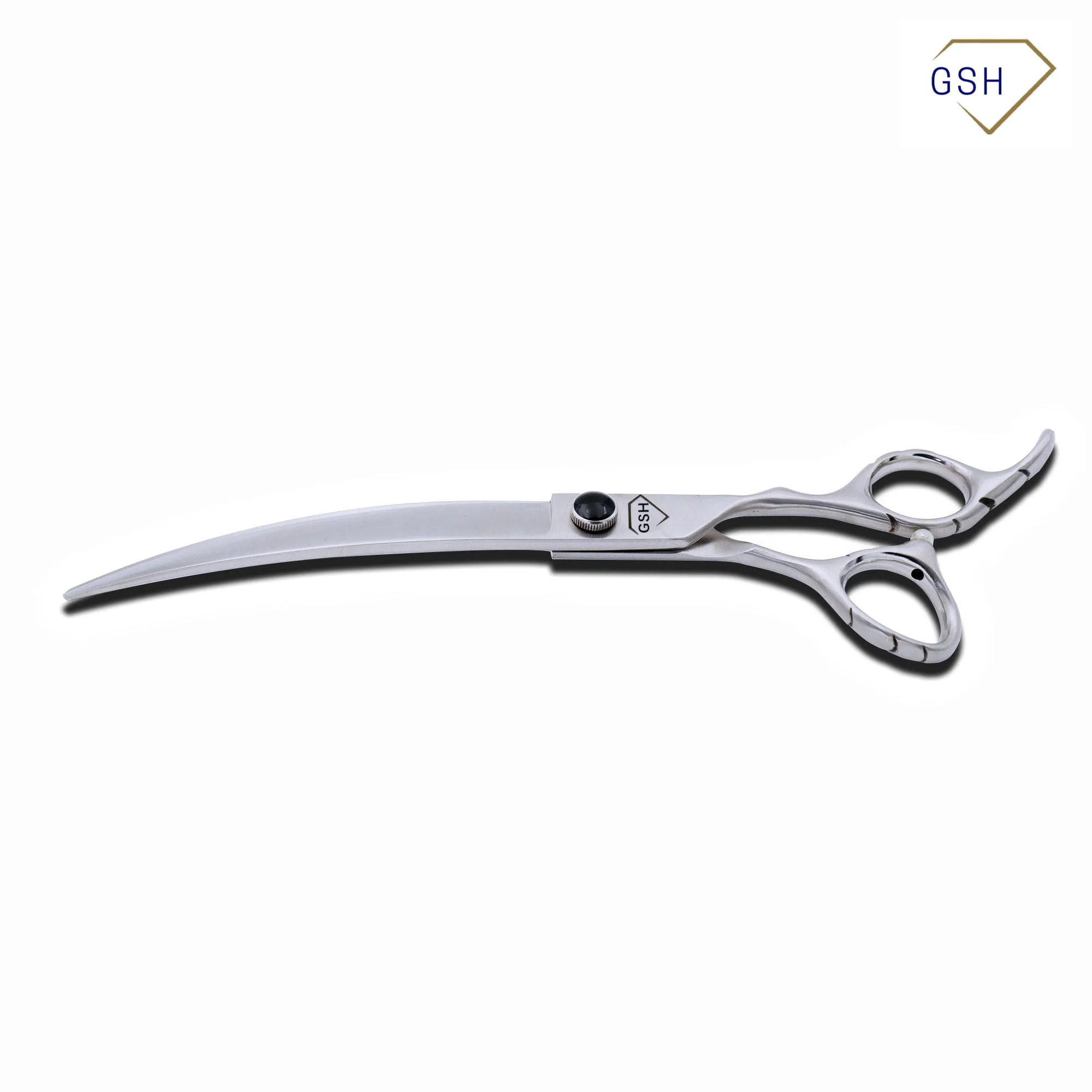
7in Curve
Why left-handed orientation is not a preference
A right-handed shear forces a left-handed groomer to rotate the wrist and cross the cutting line, which reduces control and speeds up hand fatigue. Left-handed shears reverse the finger rest, thumb ring, and blade stack so the cut tracks naturally with your dominant hand. That is why left handed dog grooming scissors should be treated as a fit requirement, not an upgrade. If you currently use right-handed tools, the first change that improves your finish is switching orientation, not buying a more expensive blade.
Tooth count decides the job, not the price
On chunkers and piano shears, tooth count controls how much coat enters the blade per close. A 21-tooth blade takes a larger bite and removes bulk quickly, which suits pre-shaping, matted sections, and heavy coats. A 35-tooth blade takes smaller, more frequent bites and leaves a softer, blended surface, which suits finishing, texturing, and tidying transitions. Neither is better; they are different stages of the same groom. If you can only buy one, choose the tooth count that matches the stage you spend the most time on.
Blade shape and steel affect control and fatigue
A curved blade profile helps you follow contours around the head, feet, and sanitary areas without lifting your wrist, while a straight or bevel edge gives a cleaner, more predictable line on flat surfaces. Steel and construction matter over a full appointment day: 440C Japanese Aichi steel and CNC machining are used in the Celestia series to hold close tolerances, and the 7in Curve Bevel Celestia is listed at 64 grams, which reduces hand fatigue while still cutting through thick coats. Weight is a real trade-off: lighter shears are easier on the hand, but very light blades can feel less stable if you are used to heavier tools. If a product listing does not state a weight or steel, treat that as missing information and ask before buying rather than assuming.
How to check fit before you commit
Length and ring fit matter as much as the blade. A 7-inch shear gives reach and control for most body work; shorter shears suit detail areas but require more passes. Check that your thumb sits in the ring without pinching, that the finger rest lands under your ring or little finger, and that the tension lets the blade close with light thumb pressure. If you groom multiple coat types, build a two-shear kit rather than trying to make one blade do everything: a chunker for bulk and a fluffer for blending covers most appointments.
Decision rules for buying left-handed shears
- Match tooth count to your bottleneck: If most of your time goes to removing bulk or pre-shaping, choose a 21-tooth chunker. If most of your time goes to blending and finishing, choose a 35-tooth piano fluffer. One shear should solve your slowest stage, not every stage.
- Choose curve for contours, bevel for clean lines: A curved profile follows rounded areas with less wrist rotation; a bevel edge gives a more predictable line on flat surfaces. Pick the shape that matches the body areas you groom most.
- Weigh fatigue against stability: Lighter shears such as the 64-gram Celestia reduce hand fatigue on long days, but if you are used to heavier tools, test the lighter feel before committing. Weight is a comfort decision, not a quality ranking.
- Confirm left-handed orientation first: Check the listing states left-handed before comparing tooth count or price. Orientation is the one feature you cannot adapt around. If orientation is unclear, ask before buying.
Left-handed options worth comparing
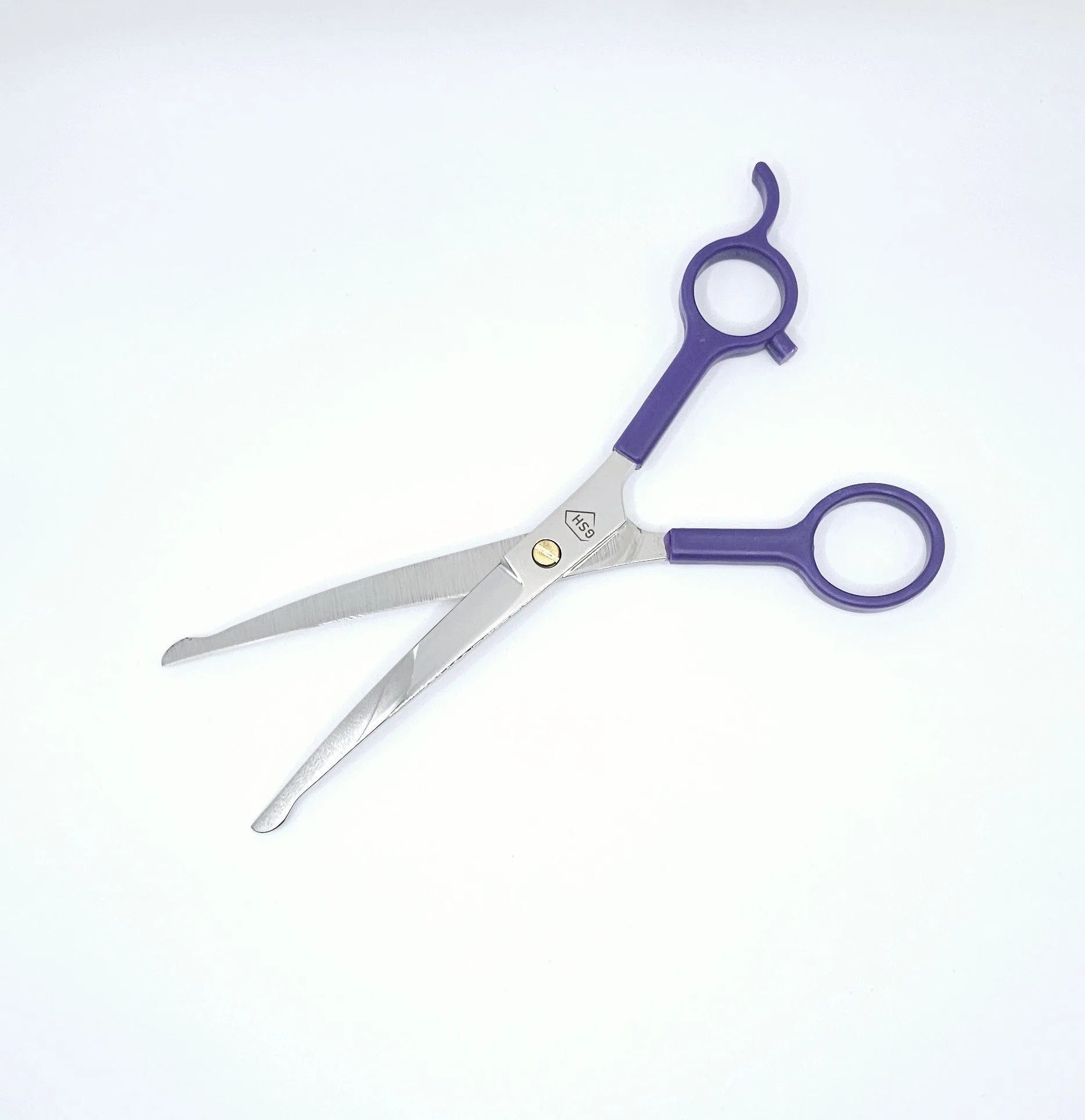
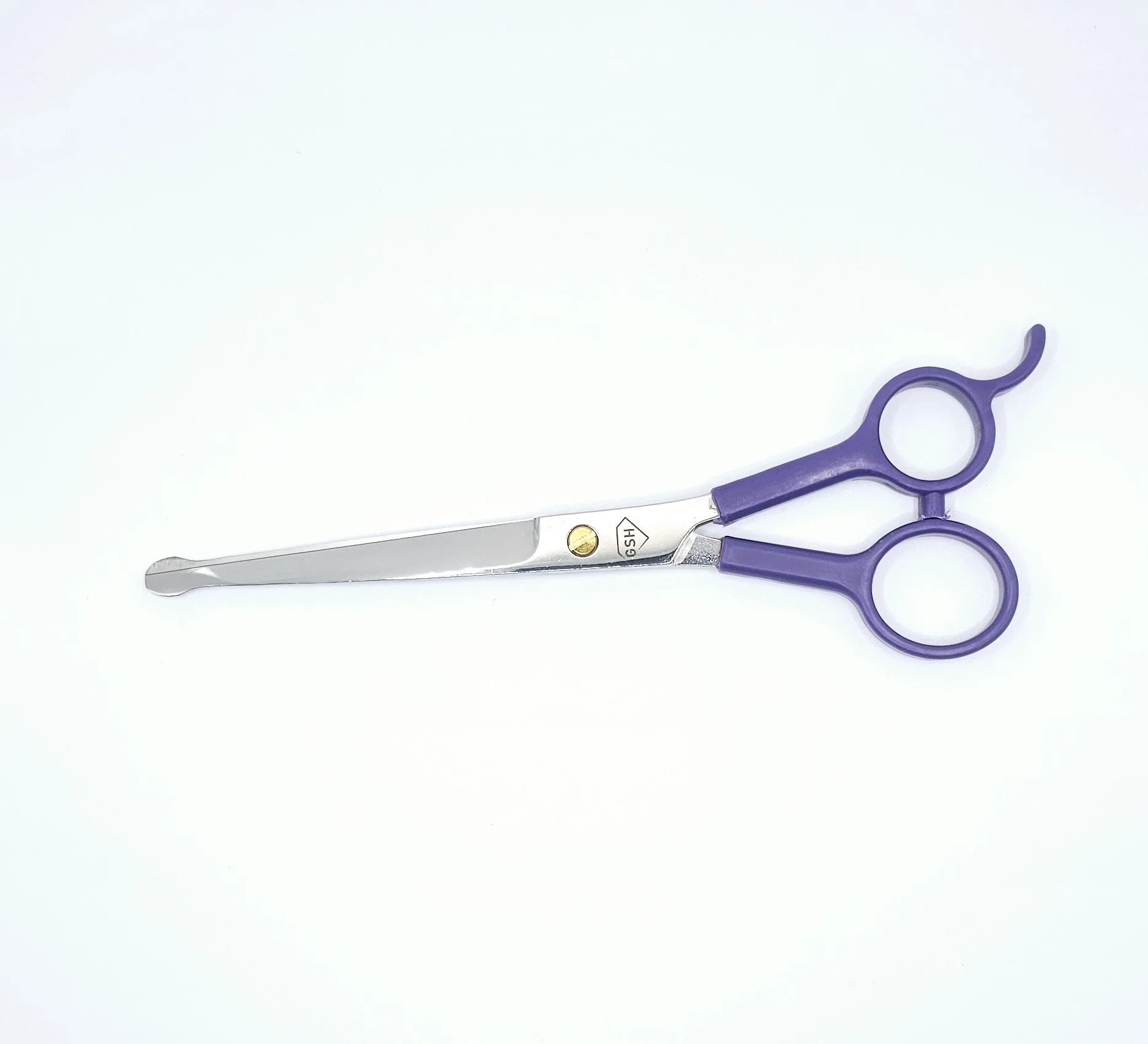
- 7in 21 Tooth Left Handed Curve Chunker: 7-inch, 21-tooth left-handed curve chunker with a curved blade profile. The larger 21-tooth bite removes bulk efficiently, while the curve helps you follow contours around legs, head, and feet.
- 7in 35 Tooth Left Handed Piano "Fluffer": 7-inch left-handed piano shear with a 35-tooth blade configuration. The higher tooth count takes smaller bites for blending and texturing, producing a soft, fluffy finish rather than a blunt cut.
- 7in Curve Bevel Celestia: 7-inch curve bevel shear in the Celestia series, made from 440C Japanese Aichi steel, CNC machined, and listed at 64 grams. The light weight reduces hand fatigue on long days while the steel and machining support close tolerances for thick coats.
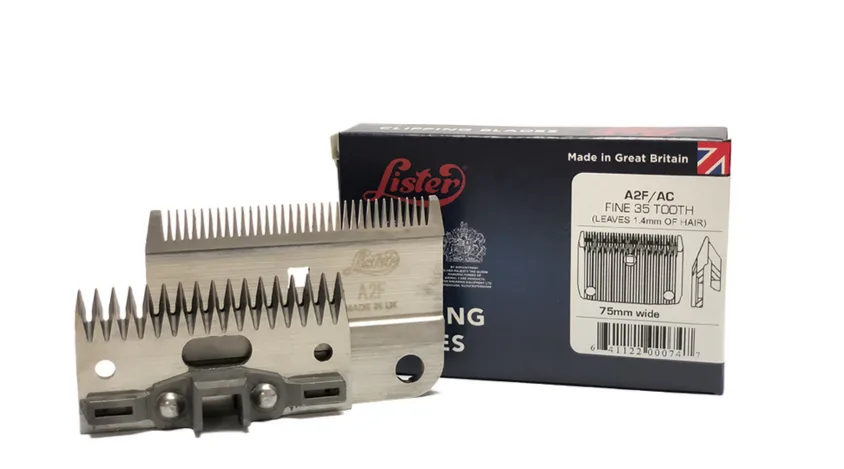
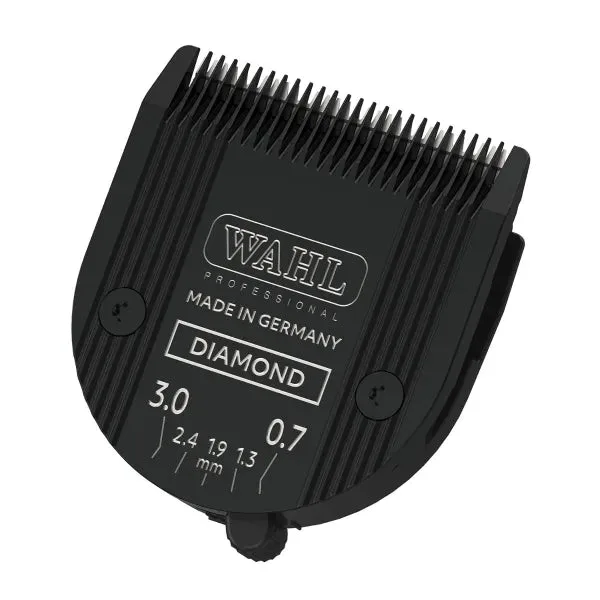
- Codo Mini Replacement Blade: Replacement blade designed to fit the CHC-331 clipper in a mini size. Keeps a compact clipper ready for precise trimming and touch-ups alongside your shears, so blade maintenance does not stall a groom.
Who these left-handed shears fit
Best for
- Left-handed groomers replacing right-handed tools that cause wrist strain
- Groomers who remove bulk and shape contours on medium to heavy coats
- Groomers who blend and soften coats and want a fluffy finish
- Groomers who want a lightweight 7-inch shear for long appointment days
Not for
- Right-handed groomers, who should choose right-handed orientation
- Groomers who need very short detail shears for tight areas
- Buyers who need a stated weight or steel grade and cannot confirm it before purchase