If you're left-handed, you know the struggle of finding gear that works for you. Holsters are no exception. Most holsters are designed for right-handed shooters, leaving lefties with fewer options and often ill-fitting gear. But with the growing demand for left-handed shooting equipment, many manufacturers now offer dedicated left-handed holsters that provide the same comfort, retention, and accessibility as their right-handed counterparts.
This guide will walk you through everything you need to know about choosing a left-handed holster. From understanding the differences between IWB and OWB to evaluating retention and compatibility, we'll help you find the perfect fit for your carry style and firearm.
Why Left-Handed Holsters Matter
Left-handed shooters often face a unique set of challenges. A right-handed holster worn on the left side is not only uncomfortable but also dangerous, as it can impede a smooth draw and increase the risk of accidental discharge. A dedicated left-handed holster is designed with the gun's ejection port and controls positioned for left-hand access, ensuring a natural and safe draw.
Moreover, using a holster that isn't designed for your dominant hand can lead to awkward wrist angles and slower draw times, which can be critical in self-defense situations. Investing in a quality left-handed holster is not just about comfort—it's about safety and performance.
- Left-handed holsters are mirror images of right-handed ones, with the clip or attachment positioned for left-side carry.
- They ensure the firearm is oriented correctly for a smooth draw from the left side of the body.
Key Factors to Consider
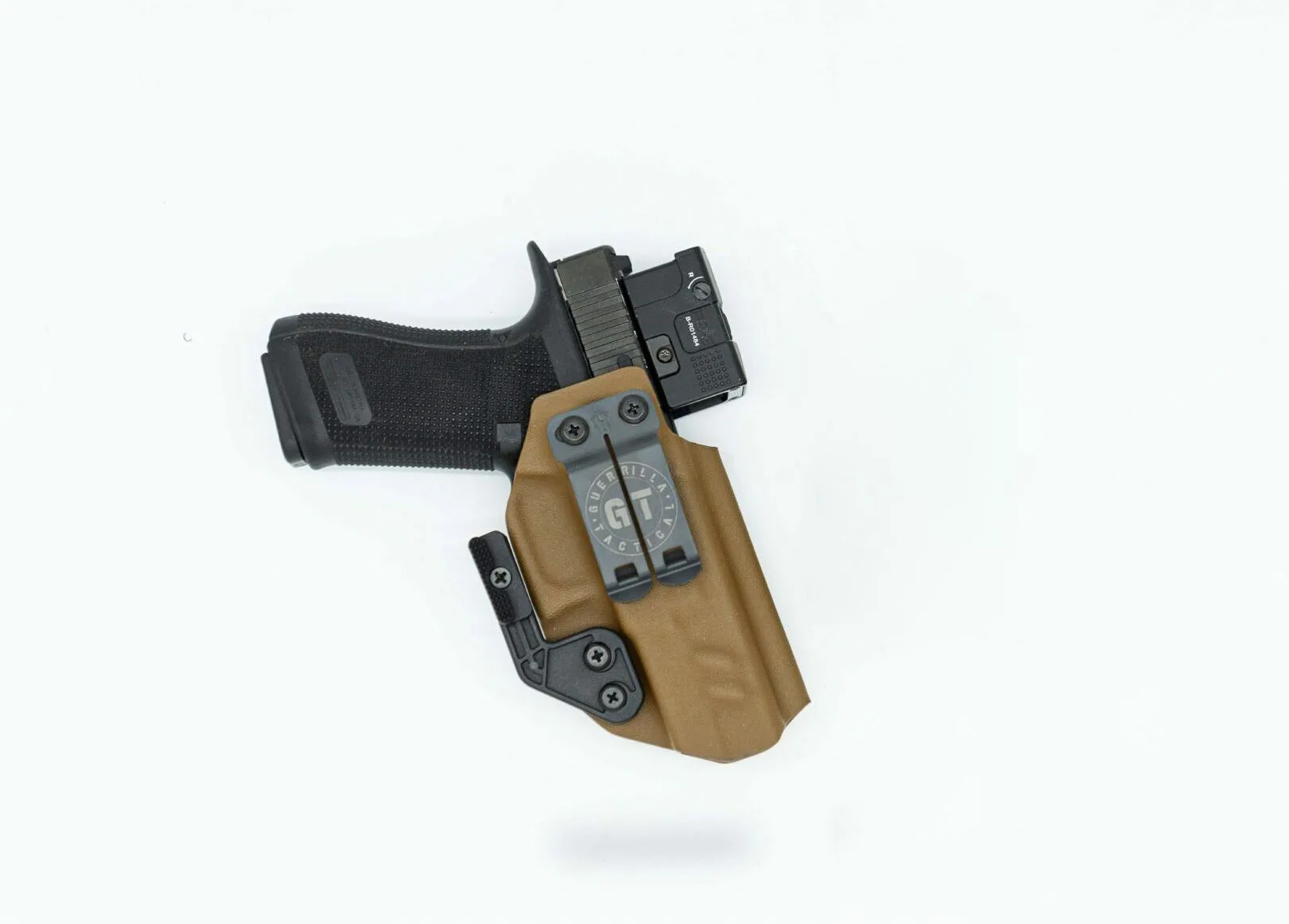
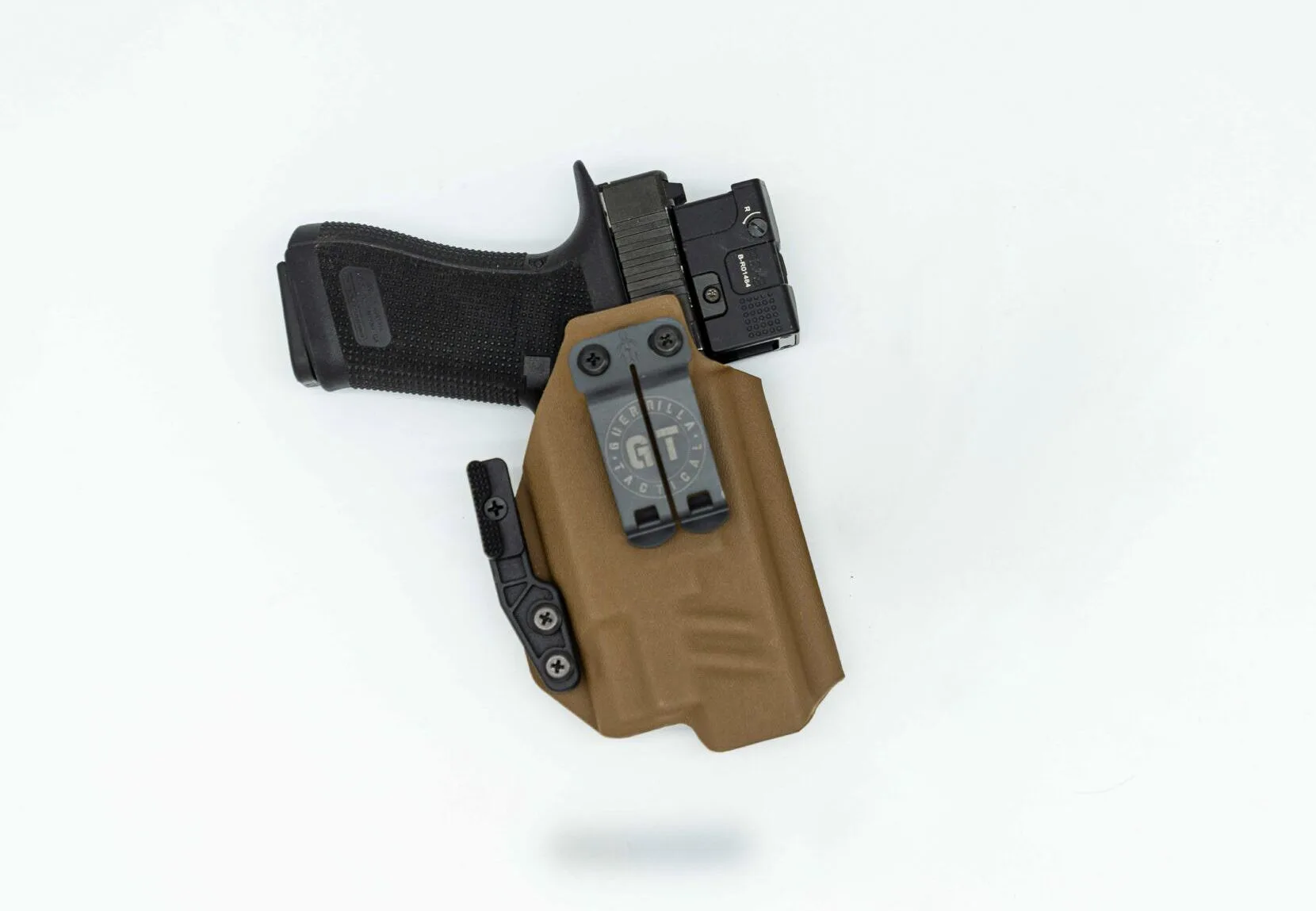
When shopping for a left-handed holster, several factors come into play. First, consider your carry position: inside the waistband (IWB) or outside the waistband (OWB). IWB holsters offer better concealment, while OWB holsters provide easier access and comfort for larger firearms. For appendix carry, a left-hand appendix holster with a claw or wing can help tuck the grip close to the body.
Another critical factor is retention. Passive retention relies on friction, while active retention uses straps or hoods to secure the firearm. For everyday carry, a holster with adjustable retention is ideal, allowing you to customize the draw tension. Additionally, ensure the holster is compatible with your specific firearm model, as a proper fit is essential for safety and performance.
- IWB holsters are great for concealment; OWB holsters offer more comfort for all-day wear.
- Consider a holster with adjustable retention to fine-tune your draw.
- Always check compatibility with your firearm make and model.
Comparing IWB vs. OWB for Left-Handed Carry
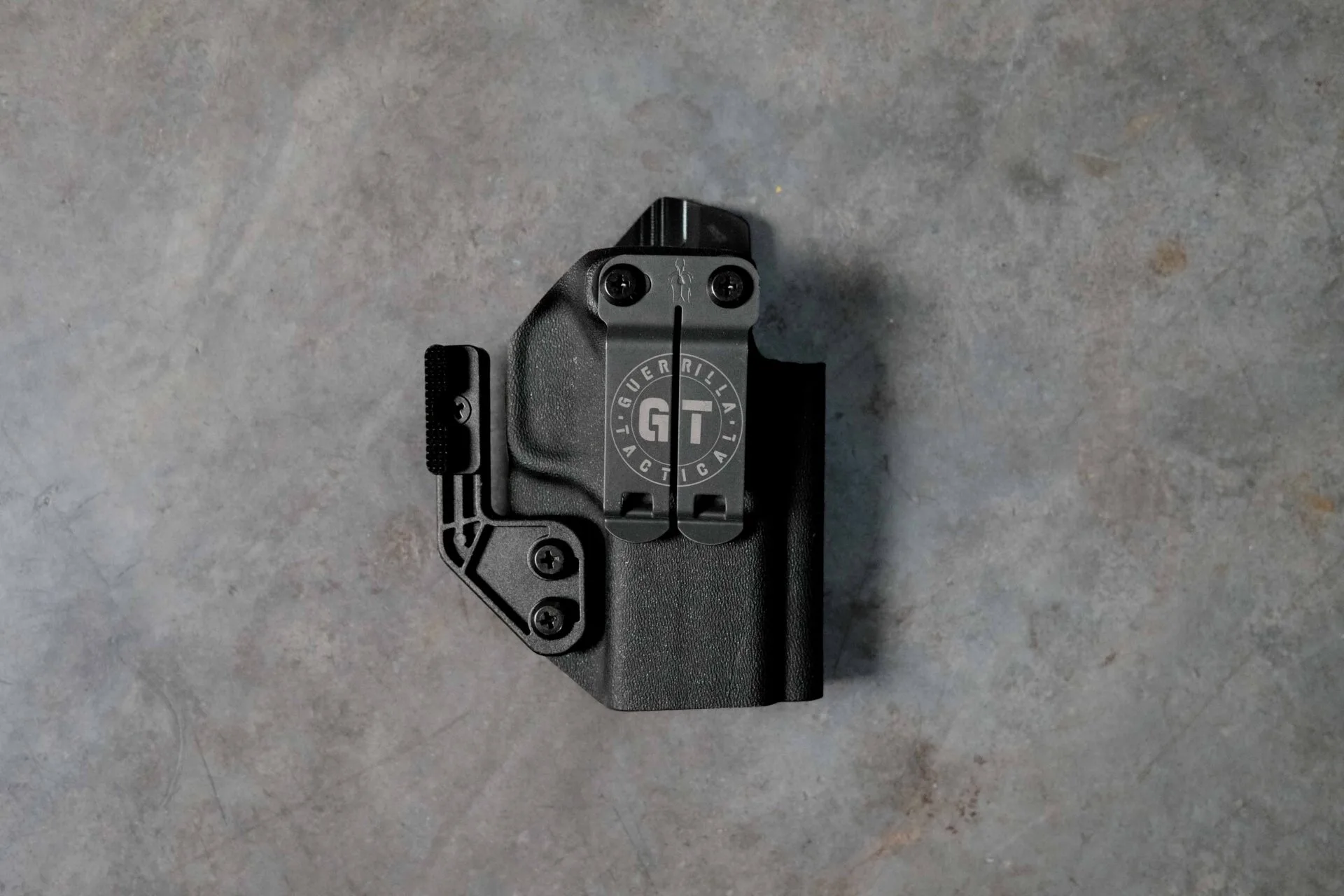
Inside the waistband (IWB) holsters are the most popular choice for concealed carry. They allow you to tuck the holster inside your pants, offering maximum concealment. For left-handed shooters, an LH IWB holster is designed to be worn on the left side of the body, with the clip positioned to hold the holster securely in place. Many IWB holsters also feature a claw or wing that pushes the grip against your body, reducing printing.
Outside the waistband (OWB) holsters are worn on your belt, making them easier to draw and more comfortable for larger firearms. They are often used for open carry or when wearing a cover garment. For lefties, an OWB holster should have a belt loop or paddle that positions the gun correctly on the left hip. Some OWB holsters are also ambidextrous, offering versatility for shooters who may switch hands.
- IWB holsters are best for deep concealment; OWB holsters are better for comfort and accessibility.
- Ambidextrous holsters can be used by both left- and right-handed shooters, but they may not offer the same level of fit as a dedicated left-handed holster.
Retention Mechanisms Explained
Retention is how well a holster holds your firearm in place. There are several types: friction retention, which relies on the tight fit of the holster; active retention, which uses a thumb break or hood; and level II or III retention, which adds extra security features. For concealed carry, most shooters prefer a holster with adjustable friction retention, allowing a smooth draw while keeping the gun secure.
For left-handed shooters, it's crucial to practice drawing with your support hand to ensure the retention mechanism is positioned for easy access. Some holsters have ambidextrous retention releases, but dedicated left-handed holsters often have the release on the left side for natural thumb access.
- Friction retention is common in Kydex and leather holsters; it's adjustable via screws.
- Active retention offers extra security for open carry or duty use.
- Always practice drawing with your left hand to ensure smooth operation.
Compatibility with Popular Firearms
Your holster must fit your firearm precisely. Many manufacturers offer holsters for popular models like Glock, Springfield Armory, and Sig Sauer. For example, if you carry a Glock 19, you'll need a left-handed holster specifically molded for that model. Some holsters are designed to fit multiple models within the same line, but it's always best to check the manufacturer's compatibility list.
At Guerrilla Tactical, you'll find a variety of left-handed holsters for popular handguns. For instance, the Quick Ship - https://guerillatactical.com/products/low-pro-light-compatible-365220Low Pro - Light Compatible is a versatile IWB holster that fits many compact and full-size pistols with a mounted light. Similarly, the https://guerillatactical.com/products/garage-sale-low-pro-springfield-hellcat-pro-365253Garage Sale Low Pro - Springfield Hellcat Pro is a budget-friendly option for Hellcat Pro owners. Both are available in left-handed configurations, ensuring a proper fit for your firearm.
- Always verify that the holster is designed for your exact firearm model and generation.
- Consider holsters that accommodate mounted lights or optics for added versatility.
Top Picks from Guerrilla Tactical
Guerrilla Tactical offers a range of holsters that cater to left-handed shooters. One standout is the Quick Ship - The Rig, a modular holster system that allows you to switch between IWB and OWB carry. It's available in left-handed orientation and features adjustable retention and a claw for concealment. Another excellent choice is the Eotech EFLX / Tan - 3 MOA, which is a red dot sight that can be paired with your left-handed holster for improved target acquisition.
For those who prefer a light-bearing holster, the Quick Ship - Low Pro - Light Compatible is a top pick. It's designed to fit pistols with a mounted light, and its low-profile design makes it ideal for concealed carry. All these holsters are built with high-quality materials and are available in left-handed versions, ensuring you get the right gear for your needs.
- Quick Ship - The Rig offers versatility with its modular design.
- Consider pairing your holster with a red dot sight like the Eotech EFLX for faster aiming.
Finding the right left-handed holster is essential for comfort, safety, and performance. By considering factors like carry position, retention, and compatibility, you can make an informed choice. Explore Guerrilla Tactical's selection of left-handed holsters and gear to find your perfect fit.