Why glute band myths are so easy to believe
Loop resistance bands are small, cheap, and often shown in short clips that make lower-body training look effortless. That combination invites a lot of confident claims about what a band can and cannot do. The useful question is narrower: what does a real band workout plan actually ask you to do, and which popular beliefs contradict it?
The evidence below comes from the Leg Resistance Training Bands workout plan, which sets out a 20–30 minute session for glutes, thighs, and hips using a loop resistance band, performed 3–4 times per week. That plan is a practical reference point for checking the myths, not a substitute for personal medical or training advice.
Myth 1: Any band placement works equally well
- The myth: You can loop a band anywhere on your legs and get the same glute workout.
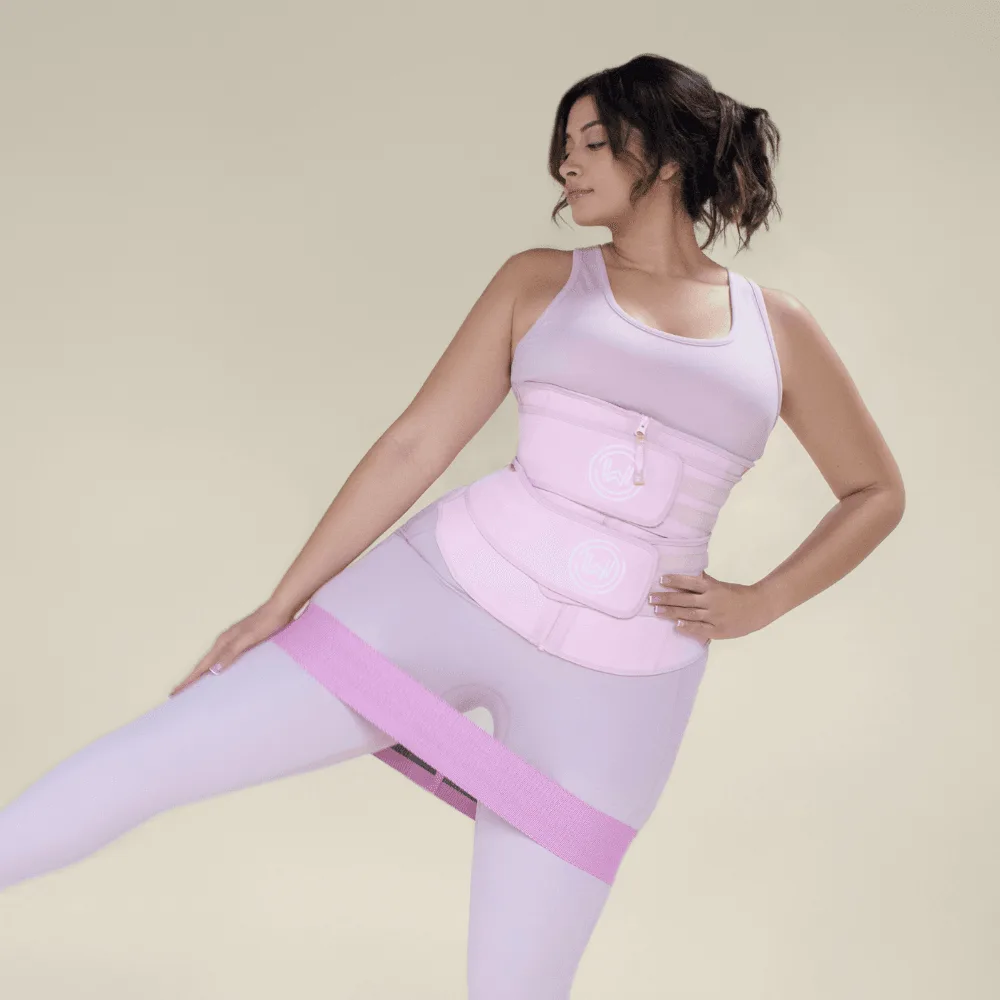
- What the plan says: Placement changes by exercise. Banded squats put the band just above your knees. Lateral band walks place it around the ankles or above the knees. Clamshells use the band above the knees with feet together. Banded kickbacks use the band around the thighs or feet.
- Why it matters: Following the stated placement for each movement keeps the exercise matching its purpose, whether that is glutes and quads, outer thighs and hips, or glute isolation. Treating placement as an afterthought is one of the most common glute band training mistakes.
Myth 2: Tension is something you set once and forget
- The myth: A band only needs to be on your legs; keeping it taut during the movement is optional.
- What the plan says: The glute bridge instructions say to keep tension on the band throughout. Lateral band walks call for constant tension in the band and warn against standing up between steps. Banded kickbacks say to return slowly without dropping tension.
- Why it matters: Tension is the resistance. Letting it go slack between reps turns a band exercise into a movement with little load, which is exactly the resistance band tension mistake the plan keeps flagging.
Myth 3: More reps and faster sets mean a better session
- The myth: Speed and high rep counts are the main way to progress with a band.
- What the plan says: Banded squats use 12–15 reps for 3–4 sets, with a slow descent described as 3 seconds. Glute bridges use 15–20 reps for 3 sets with a 2 second pause at the top. Lateral walks use 10–15 steps each direction with small controlled steps. The key tips repeatedly say to focus on glute activation, not speed, and to avoid swinging the leg during kickbacks.
- Why it matters: The plan's progression section offers other levers: increase reps each week by 2–5, use a stronger band over time, or add extra sets. Speed is not listed as a progression method.
Myth 4: Knee position is a cosmetic detail
- The myth: As long as you complete the squat or bridge, knee tracking does not matter.
- What the plan says: Banded squats instruct you to press knees outward slightly and push knees outward against the band, with a key tip not to let knees collapse inward. Clamshells warn against rolling hips backward.
- Why it matters: These are the form cues the plan treats as part of the exercise, not optional polish. Skipping them is a thigh band myth worth correcting early, because the band is meant to be pushed against, not simply worn.
Myth 5: A band session replaces the need for a structured week
- The myth: You can do band work randomly and still follow the plan.
- What the plan says: The weekly structure example lists Day 1 full workout, Day 2 rest or light cardio, Day 3 full workout, Day 4 rest, and Day 5 full workout. The overview states a frequency of 3–4 times per week and a duration of 20–30 minutes.
- Why it matters: The plan pairs work days with rest or light cardio, which is a scheduling decision rather than a claim about results. If your week does not resemble that pattern, the plan is not being followed as written.
What the plan does not settle
The supplied workout plan gives exercise order, reps, sets, rest guidance, and form cues. It does not specify band resistance levels beyond advising a stronger band over time, and it does not provide a timeline for visible results. The stated result is stronger glutes, toned legs, improved hip stability, and better lower-body strength, which is a training goal rather than a guaranteed outcome.
It also does not address individual injuries, joint conditions, or rehabilitation. If you have a concern about your knees, hips, or lower back, the plan's cues such as keeping weight in your heels and avoiding arching your lower back are general form reminders, not medical clearance.
The product behind these myths
-
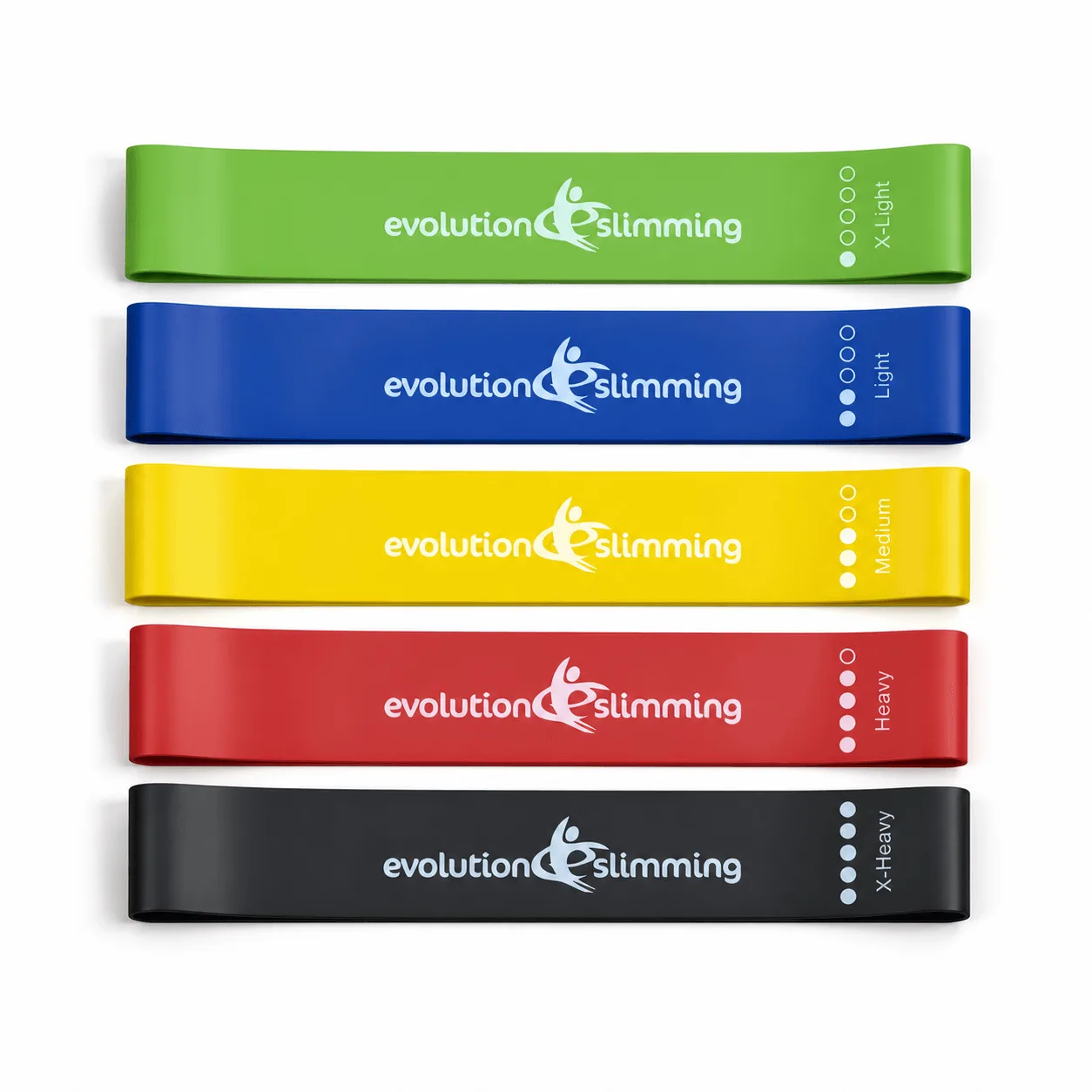
Leg Resistance Training Bands | Glute Strength & Thigh Support: Leg Resistance Training Bands | Glute Strength & Thigh Support includes a loop resistance band workout plan for glutes, thighs, and hips, with a 20–30 minute session performed 3–4 times per week. This is the reference plan used to test each myth, so the guidance above is tied to a specific product rather than general opinion.
Leg Resistance Training Bands | Glute Strength & Thigh Support
-
Leg Resistance Training Bands | Glute Strength & Thigh Support: The plan lists five main exercises: banded squats, glute bridges with band, lateral band walks, banded kickbacks, and clamshells, plus an optional finisher. Knowing the actual exercise list helps you judge whether a claim about band training matches what the plan asks you to do.
-
Leg Resistance Training Bands | Glute Strength & Thigh Support: The plan includes specific reps and sets, such as 12–15 reps for 3–4 sets on banded squats and 15–20 reps for 3 sets on glute bridges, with rest guidance stated in the plan. These numbers give you a concrete baseline for progression instead of relying on the myth that more is always better.
-
Leg Resistance Training Bands | Glute Strength & Thigh Support: The plan's progression section suggests increasing reps each week by 2–5, using a stronger band over time, or adding extra sets for intensity. This shows the intended ways to make the workout harder, which is more useful than chasing speed or extra reps without structure.