Quick Answer
For most workouts, bike shorts offer freedom of movement and breathability, especially in warm weather, while leggings provide more coverage and support for cooler days or activities like yoga and Pilates. If you prioritize pockets and convenience, a high-rise bike short with pockets is a great choice. For maximum coverage and a classic look, a compressive high-rise legging is your best bet.
Choosing between leggings and bike shorts often comes down to the type of workout, the weather, and your personal comfort preferences. Both are activewear staples, but they serve different purposes. Leggings offer full-length coverage and a sleek silhouette, while bike shorts give you more freedom to move and keep you cooler.
In this comparison, we'll break down the key differences—coverage, compression, features like pockets, and temperature control—so you can decide which bottom is right for your next gym session, run, or yoga class.
Coverage and Support
Leggings provide full-length coverage from waist to ankle, which can be beneficial for activities like yoga, Pilates, or stretching where you want to avoid skin contact with mats or floors. They also offer a consistent compressive feel that many people find supportive during high-impact workouts.
Bike shorts, with an inseam typically around 8.5 inches, offer coverage on the thighs while leaving your lower legs free. This can be a plus for cycling, running, or gym sessions where you want maximum mobility and airflow. High-rise bike shorts still give you the tummy-tucking support you might expect from leggings, but with a shorter silhouette.
- Consider your activity: leggings for yoga and Pilates, bike shorts for cycling and HIIT.
Compression and Fit
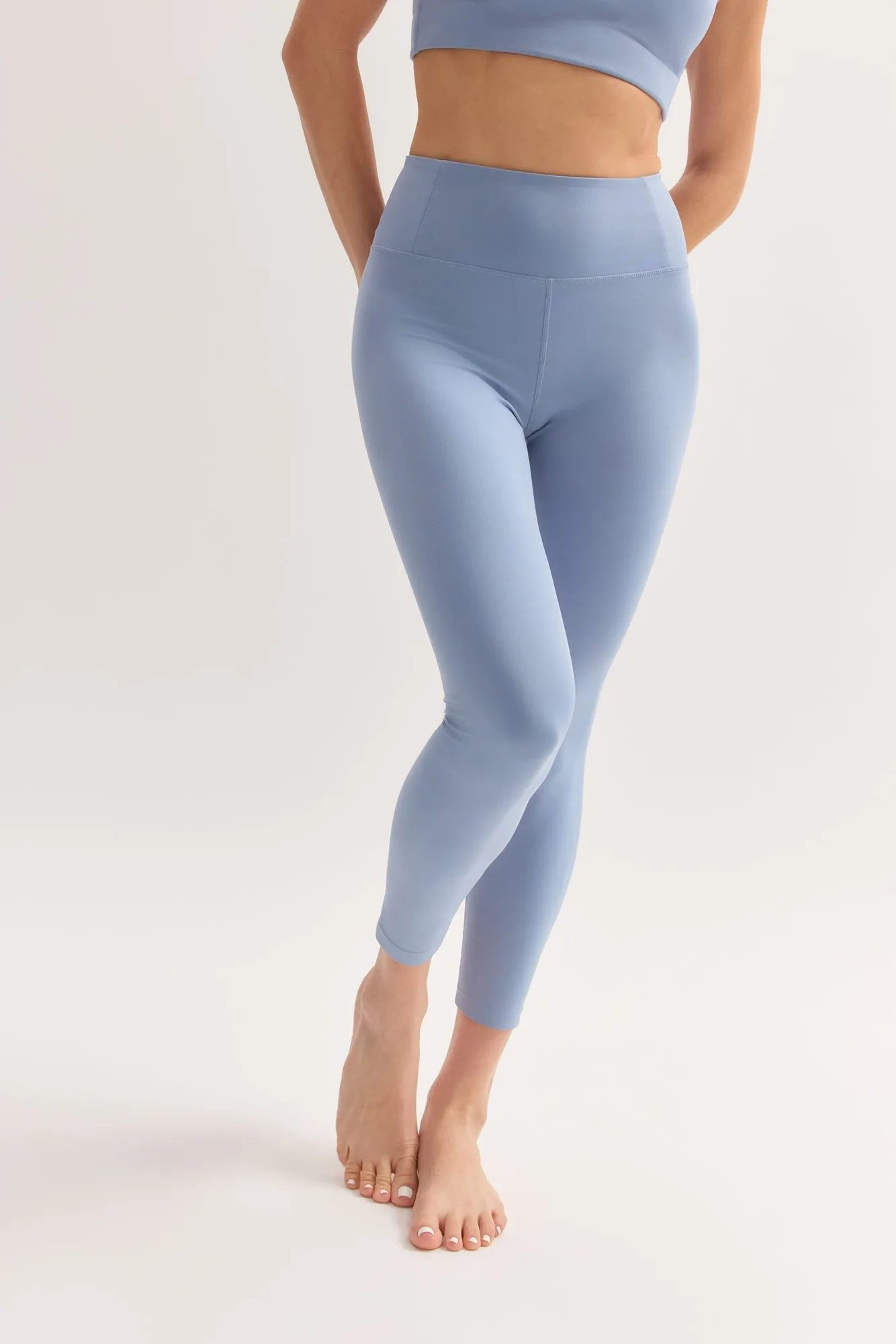
Both leggings and bike shorts can offer compressive fits, but the level of compression may vary by style. For example, a compressive high-rise legging is designed to hug your body and support your muscles during workouts. This can help with blood flow and reduce muscle fatigue.
Bike shorts with a compressive fabric also provide support, but because they cover less surface area, the compression is concentrated on your thighs and hips. This can feel less restrictive than leggings, especially during activities that involve a lot of bending or squatting.
- If you prefer a snug, full-body feel, leggings are the way to go. For a more free-moving option, choose bike shorts.
Pockets and Convenience
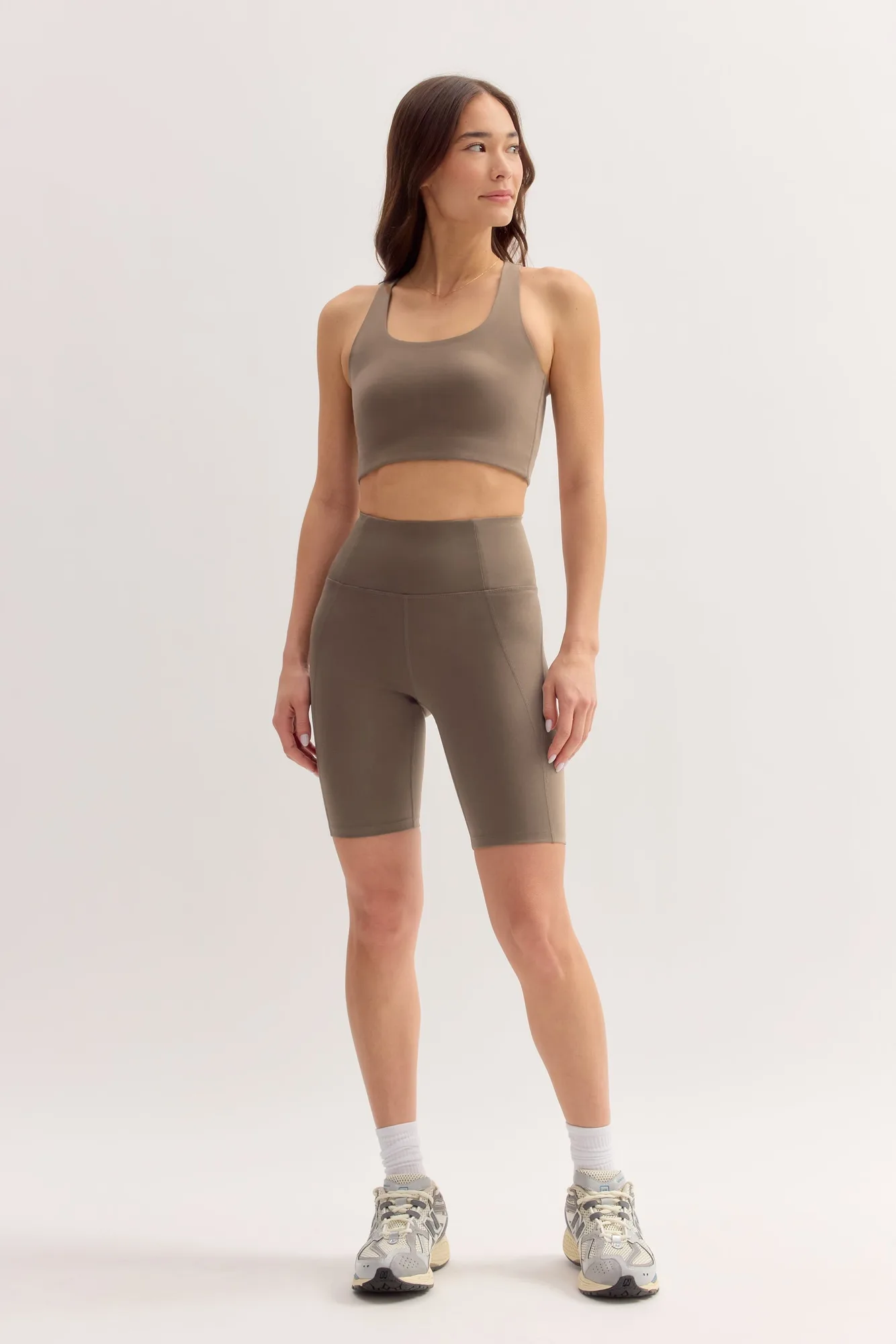
Pockets can be a game-changer when you need to carry your phone, keys, or cards during a workout. Many bike shorts now come with pockets, like the Skyline High-Rise Pocket Bike Short, which lets you carry small items hands-free. This is perfect for outdoor runs or errands where you don't want to carry a bag.
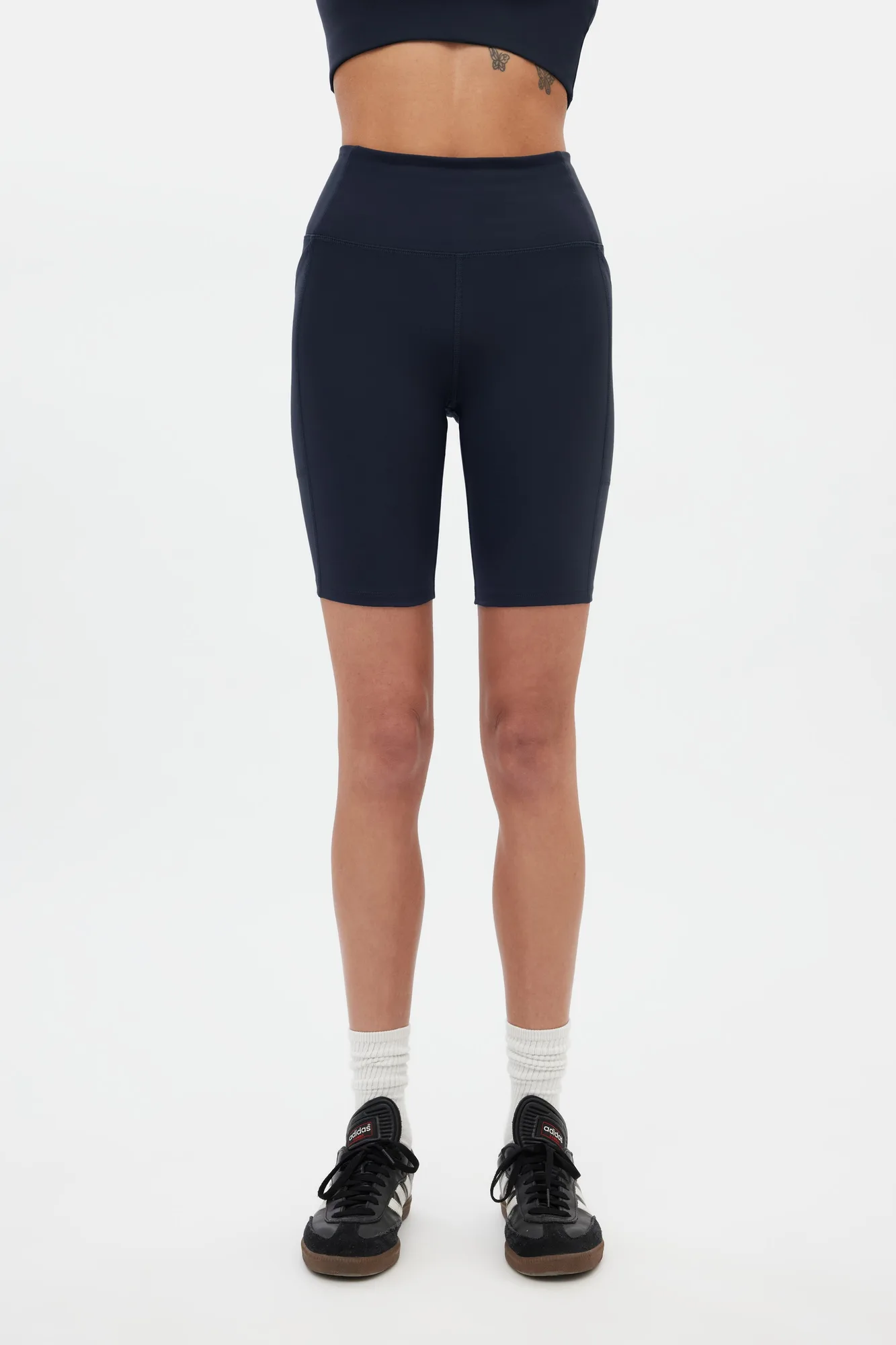
Skyline High-Rise Pocket Bike Short
Leggings also come with pocket options, but not all styles include them. If pockets are a priority, check the product details before purchasing. Some leggings have hidden waistband pockets, while others have side pockets. Bike shorts with pockets are especially convenient for summer activities.
- Think about what you need to carry. If it's just a phone and keys, bike shorts with pockets are a practical choice.
Temperature and Seasonality
When the temperature rises, bike shorts are often the go-to choice. They allow your legs to breathe and keep you cooler during hot summer workouts. The shorter length also means less fabric to sweat in, which can be more comfortable for intense cardio sessions.
Leggings are better suited for cooler weather or air-conditioned gyms. They provide warmth and coverage, making them ideal for outdoor runs in spring or fall. Some leggings, like the FLOAT Ultralight Legging, are designed to be lighter weight, which can be a good compromise for warm days when you still want full coverage.
- For summer workouts, choose bike shorts. For cooler months or indoor studios, leggings are a solid choice.
Tradeoffs to Consider
- Coverage vs. Breathability: Leggings give you full coverage, which can be protective and supportive, but they can trap heat. Bike shorts offer more airflow and freedom, but less skin coverage. Choose based on your activity and environment: coverage for yoga, breathability for cardio.
- Compression vs. Mobility: Compressive leggings provide a snug, supportive feel over the entire leg, which some find helps with muscle support. Bike shorts offer compression on the thighs but allow more unrestricted movement for the lower legs. If you need maximum mobility for squats or lunges, bike shorts might feel less restrictive.
- Pockets vs. Sleekness: Bike shorts with pockets let you carry essentials, but some people prefer the sleek, pocket-free look of leggings for a streamlined silhouette. Decide if hands-free convenience matters more than a minimalist aesthetic.
Product Facts
- Skyline High-Rise Pocket Bike Short: These compressive bike shorts feature a high rise and an 8.5-inch inseam, plus the convenience of pockets for your essentials. If you need to carry your phone or keys without a bag, this style gives you hands-free convenience while still offering the support of a high-rise waist.
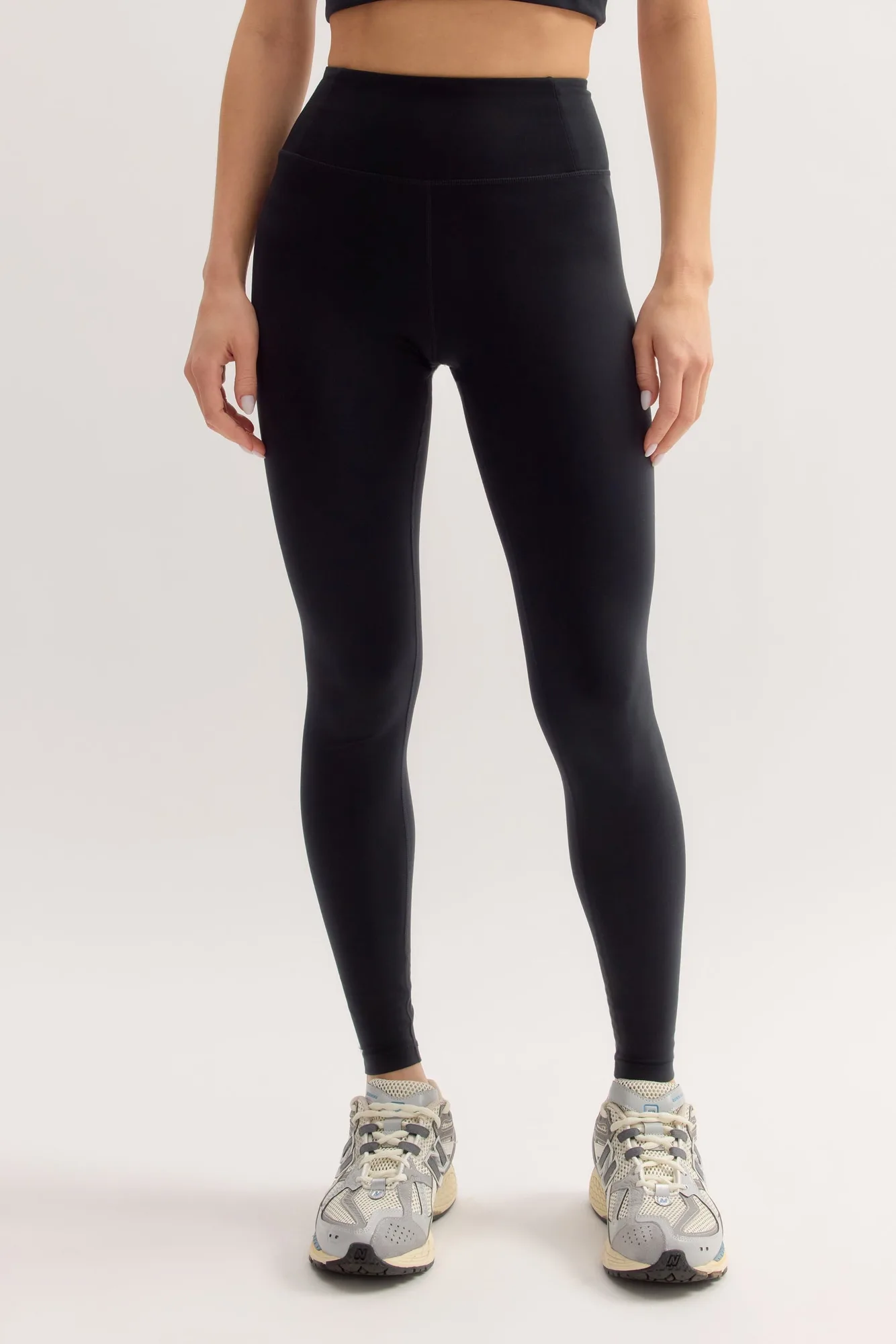
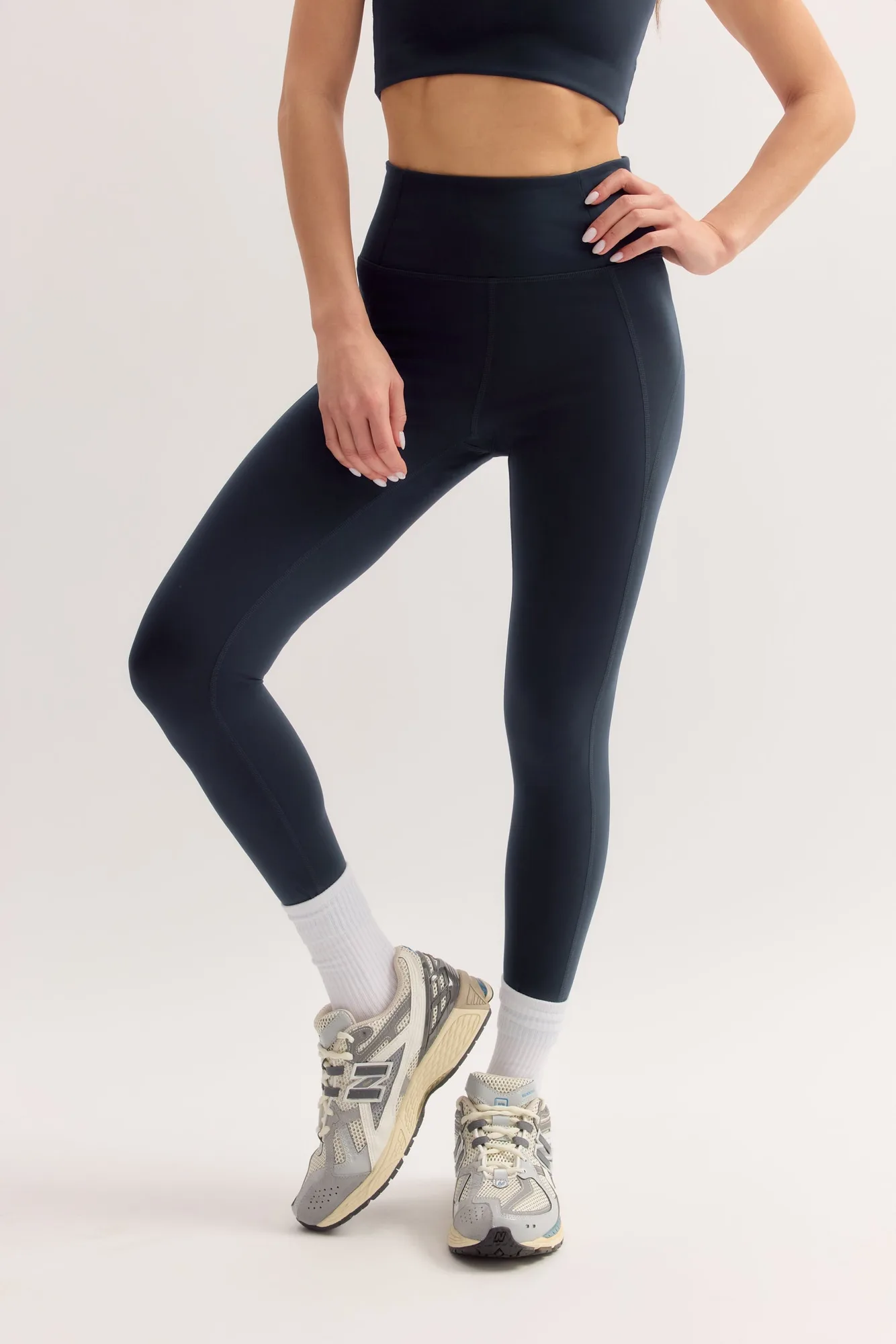
- Rain Compressive High-Rise Legging: Designed with a compressive fit and a high-rise waist, this legging offers support and coverage for a range of activities, from workouts to everyday wear. Available in two inseam lengths: 23.75" and 28". The choice of inseam lengths lets you customize coverage, making it a versatile option whether you prefer a cropped look or full-length coverage.
How to Choose
Best for
- Hot summer workouts, cycling, and high-intensity cardio where breathability is key
- Activities that require a full range of leg motion, like running or HIIT
Not for
- Cooler weather workouts where you need more leg coverage
- Yoga or Pilates if you prefer the feeling of full-length compression and warmth
Ultimately, the choice between leggings and bike shorts comes down to your personal comfort and the demands of your workout. For warm-weather sessions and activities that require mobility, bike shorts are a practical pick. For cooler days and full coverage, leggings are a reliable staple. Consider your priorities—coverage, compression, pockets, or temperature—and you'll find the right bottom for your routine.