The same blend, two very different cups
Lemon Honey Green Tea combines green tea leaves, lemon peel, and natural honey. The blend is designed to be bright and refreshing, with a gentle sweetness from the honey and a citrus lift from the lemon peel. Whether you serve it hot or iced changes how those three ingredients present themselves in the cup.
This comparison focuses on what the supplied product record confirms and what it leaves open. It does not assume brewing temperatures, steeping times, or health outcomes beyond the ingredient descriptions.
What the blend actually contains
-
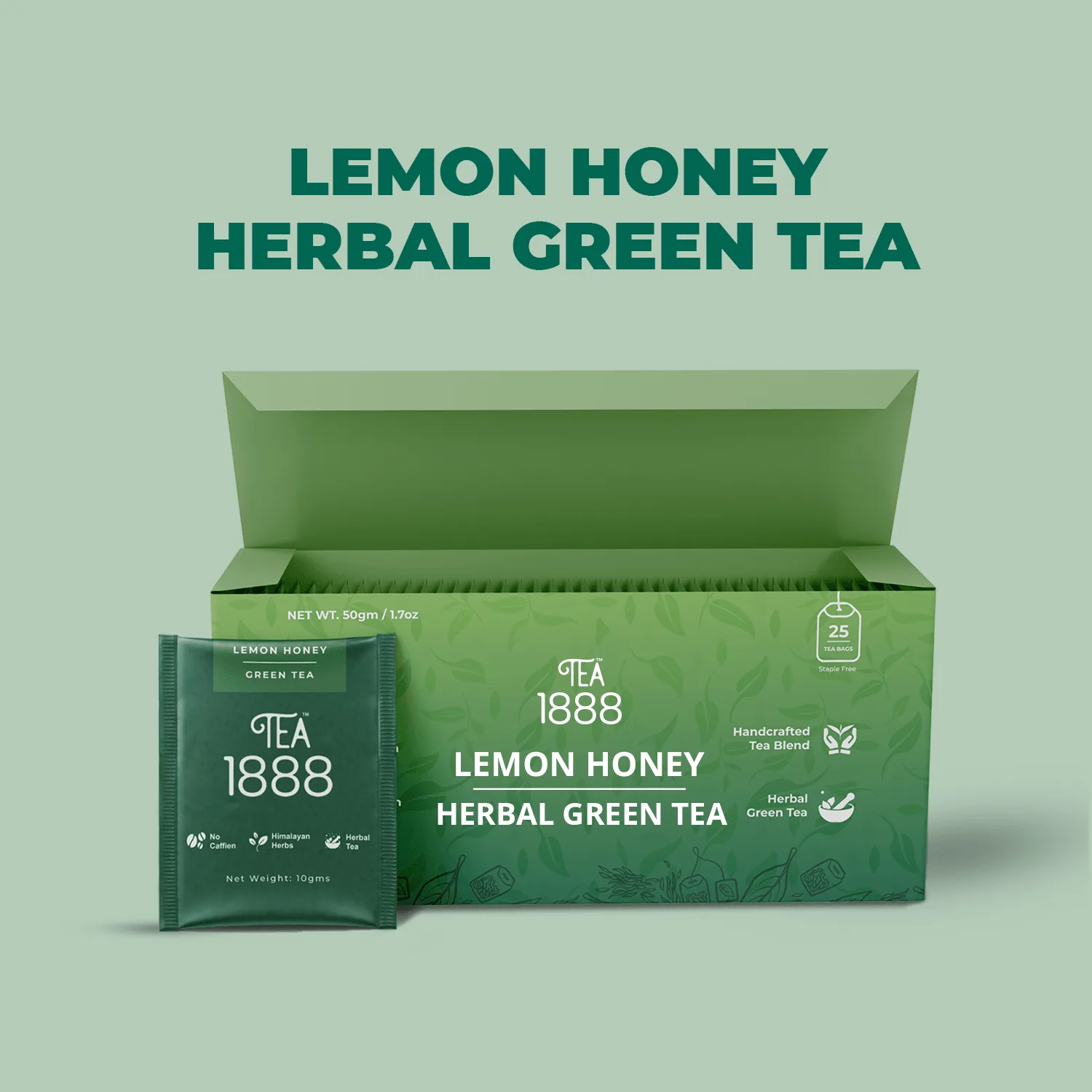
Lemon Honey Green Tea: Key ingredients: green tea leaves, lemon peel, and natural honey. These three ingredients shape both the hot and iced versions; knowing them helps you predict how the cup will taste and how you might adjust your serving.
Lemon Honey Green Tea
-
Lemon Honey Green Tea: The record describes green tea leaves as naturally rich in antioxidants, lemon peel as bringing a crisp citrus burst, and natural honey as adding mellow sweetness. These are flavor and ingredient descriptions, not brewing instructions. They explain why the blend tastes bright and gently sweet rather than telling you how to prepare it.
Hot cup vs iced glass: what changes
The product record does not specify a brewing temperature or steeping time for either method. The comparison below is based on how the ingredients are described and general serving logic, not on manufacturer instructions.
- Aroma and warmth: A hot cup is likely to emphasize the grassy green tea notes and the honey's soothing warmth. The lemon peel may read as a softer citrus background rather than a sharp chill.
- Refreshment and clarity: An iced glass tends to make the lemon peel feel more pronounced and the honey sweetness more subtle against the cold. The green tea base can taste lighter and crisper.
- Sweetness perception: Honey reads differently at different temperatures. The record does not quantify honey content, so taste before adding anything extra.
- Brewing control: Because the record gives no temperature or time, you will need to taste as you go. Hot brewing is easier to monitor; iced versions often start with a concentrated hot brew that is then chilled, but that is a serving approach, not a supplied instruction.
A practical way to serve it hot
The product record does not provide official brewing instructions. Use the following as a starting framework, then adjust to your taste.
- Start with one tea bag: Use one bag per cup as a baseline. The pack sizes are 50, 75, or 100 tea bags, so you can scale to your routine.
- Use freshly boiled water, cooled slightly: Green tea is often brewed with water that is not at a rolling boil, but the record does not specify a temperature. Let boiled water rest briefly before pouring.
- Steep briefly and taste: Begin with a short steep and taste. If it is too light, steep a little longer; if it turns bitter, shorten the next steep. The record gives no target time.
- Add nothing at first: The blend already includes honey and lemon peel. Taste before adding sweetener or lemon so you can judge the balance.
How to make an iced lemon honey green tea
There is no supplied iced recipe, so this is a serving method built around the blend's ingredients. Treat it as a starting point and adjust to your taste.
- Brew a concentrated cup: Steep one tea bag in a smaller amount of hot water than you would for a hot cup. This gives you a stronger base to dilute over ice.
- Cool before pouring over ice: Let the concentrated brew cool for a few minutes so the ice does not melt instantly and water down the drink.
- Pour over plenty of ice: Fill a glass with ice and pour the cooled concentrate over it. The melting ice will dilute the cup to drinking strength.
- Taste and adjust: If the drink tastes weak, brew a second bag next time or use less water in the concentrate. If it tastes strong, add a little more ice or cold water.
What the record does not tell you
The supplied product information does not include brewing temperature, steeping time, storage instructions, allergen statements, or caffeine content. It also does not confirm whether the blend is intended for cold brewing. Any iced method is therefore a serving suggestion, not a manufacturer instruction.
If you need specific guidance on allergens, caffeine, or storage, check the packaging or contact the seller before relying on this article.
Choosing a pack size for your hot or iced habit
Lemon Honey Green Tea comes in packs of 50, 75, or 100 tea bags. If you plan to drink it mostly hot, one bag per cup makes it easy to estimate how long a pack will last. If you plan to make iced pitchers, you may use more bags per serving, so a larger pack can make sense.
The 50-bag pack suits someone trying the blend or drinking it occasionally. The 75-bag pack sits in the middle for a regular routine. The 100-bag pack is the most economical per bag if you already know you like the blend and drink it often.
Product facts for your reference
- Lemon Honey Green Tea: Available pack sizes: 50, 75, or 100 tea bags. Pack size determines how long your supply lasts and how much you commit to one blend before you have tried it hot and iced.
- Lemon Honey Green Tea: The blend is described as combining green tea leaves, lemon peel, and natural honey for a bright, refreshing cup. This is the flavor baseline for both hot and iced serving; it tells you what to expect without prescribing a method.