What Makes Lemon Myrtle Tea Different
Lemon myrtle tea delivers a strong lemon flavor without any citrus fruit. The leaf contains a high percentage of citrol, which gives it a lemon taste that is noticeably stronger than lemongrass. The flavor is smooth and rounded, making it a caffeine-free option for any time of day.
Potential Benefits from the Leaf
Lemon myrtle has traditionally been used for its antiseptic and anti-viral properties. The tea is described as both calming and good to drink before bed. It may also help with keeping things moving regularly. These observations come from the source farm's handling and customer feedback rather than from clinical testing.
How to Brew Lemon Myrtle Tea
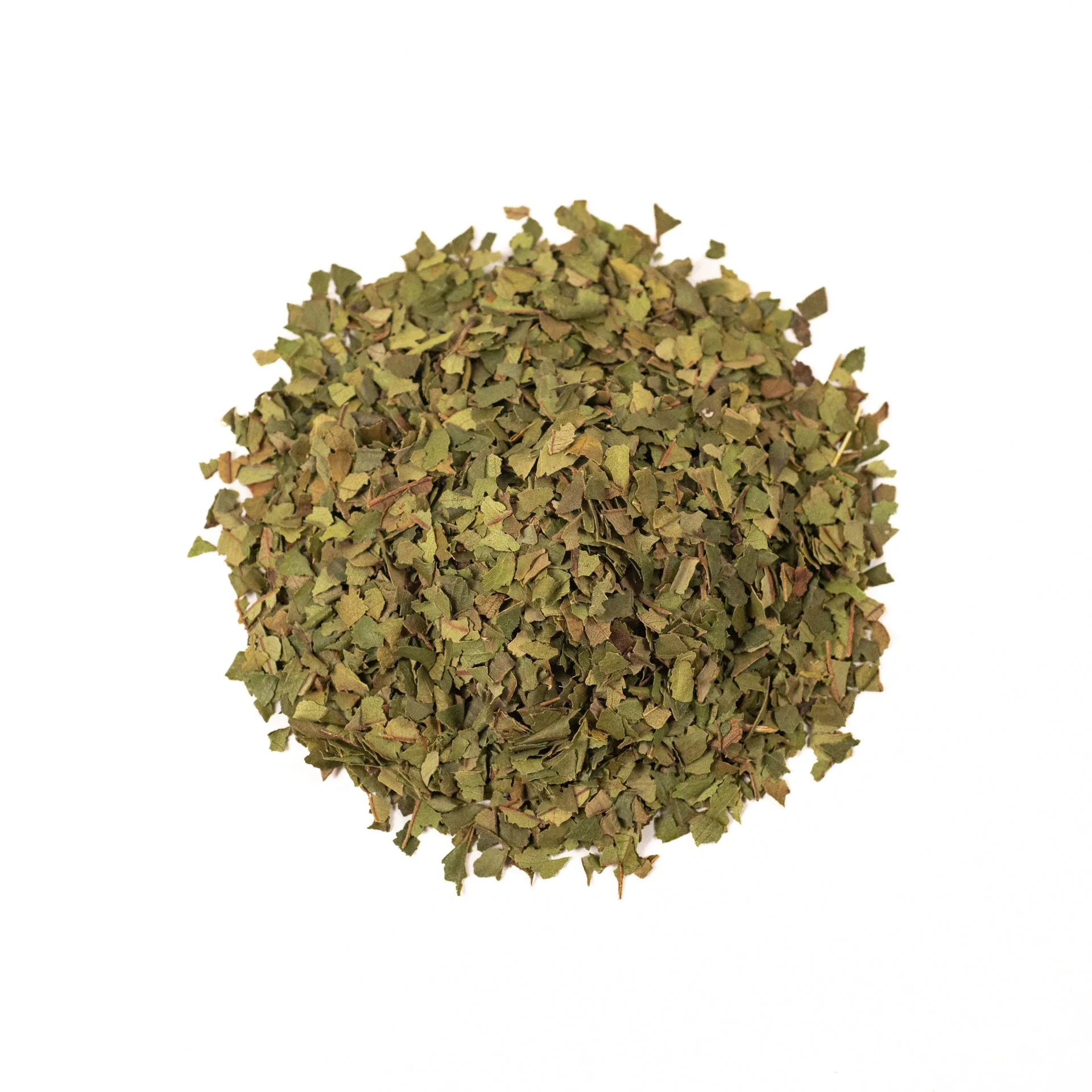
Lemon myrtle can be brewed on its own as a caffeine-free herbal tea. For a lemon twist in your black tea, add a pinch of lemon myrtle before brewing. The leaf flakes can also be used to add zest to food such as pasta, scones, and fish.
Lake Missoula Tea Co. offers lemon myrtle in four sizes: 30g (about 12 cups), 65g (about 26 cups), 200g (about 80 cups), and 500g (about 200 cups). The farm that supplies this lemon myrtle is located in Australia and uses organic farming methods.
Lemon Myrtle at a Glance
-
Lemon Myrtle: Lemon Myrtle tea has a strong lemon flavor with a smooth and rounded flavor. A high percentage of citrol gives this tea a stronger lemon taste than lemongrass. This explains why lemon myrtle stands out among lemon-flavored herbal teas and why a small amount goes a long way.
Lemon Myrtle
-
Lemon Myrtle: The leaf has antiseptic and anti-viral properties. Both calming and good to drink before bed. May also help with keeping things moving regularly. These are the main reasons someone would choose lemon myrtle over other caffeine-free herbal teas.
-
Lemon Myrtle: Love a hint of lemon? add a pinch of lemon myrtle to your black tea before brewing. This gives a practical way to use lemon myrtle as a flavor booster rather than a standalone tea.