Quick Answer
Lemongrass essential oil is a versatile oil for aromatherapy, cleaning, and skincare, but it must be diluted for topical use and used with care around pets.
Why Lemongrass Oil Stands Out
Lemongrass essential oil is known for its pungent, smoky aroma that adds depth to blends. Its skin-purifying benefits make it a favorite in DIY skincare, while its fresh scent makes it a natural choice for cleaning products.
However, because it is a potent oil, it requires proper dilution and patch testing before topical application. Always follow safety guidelines to avoid skin irritation.
Trade-Offs to Keep in Mind
While lemongrass oil is excellent for cleaning and aromatherapy, its strong scent may be overpowering for some. Start with a small amount and adjust to your preference.
For skincare, lemongrass oil can be beneficial, but it is not recommended for those with sensitive skin unless heavily diluted. Always perform a patch test first.
How to Use Lemongrass Oil Safely and Effectively
- Dilute for topical use: Mix 1-2 drops of lemongrass oil with a carrier oil (like coconut or jojoba) before applying to skin. A 2% dilution is recommended for most adults. Never apply undiluted lemongrass oil directly to skin—always use a carrier oil.
- Use in aromatherapy: Add 3-5 drops to a diffuser filled with water and run for 15-30 minutes to enjoy its uplifting, clarifying aroma. Start with fewer drops and increase if the scent is too subtle; avoid diffusing for longer than 30 minutes at a time.
- Incorporate into cleaning: Add 10-15 drops to a spray bottle with water and white vinegar for an all-purpose cleaner. Shake well before each use. Test on a small area first, as lemongrass can be strong and may not be suitable for all surfaces.
Product Spotlight
-
Lemongrass Essential Oil: Lemongrass Essential Oil offers a pungent, smoky aroma and provides skin-purifying benefits. This makes it a versatile addition to your wellness routine, ideal for DIY skincare and aromatic blends.
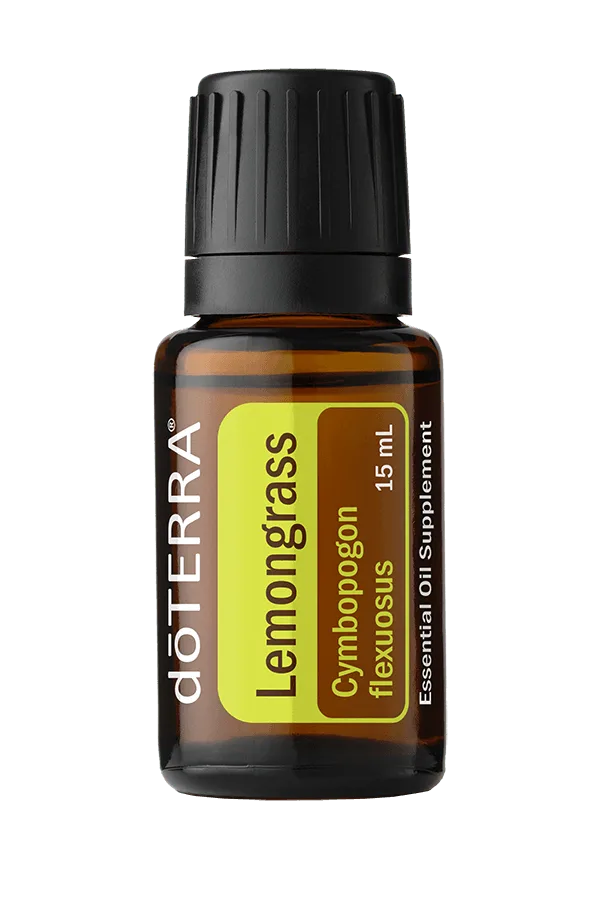
Lemongrass Essential Oil