Start with the serving guidance, not a brewing guess
If you are wondering how to brew lactation tea, the most useful starting point is the label's serving direction. For Lemongrass Lactation Tea, the supplied record says to drink 2–3 cups per day consistently, and most mothers notice improved supply within 3–5 days. That is the routine to build around—not a one-off cup.
The same record does not include steeping time, water temperature, or a specific brewing method. Rather than invent one, treat the 2–3 cup daily range as your anchor and use the tips below to make that range practical in a nursing day.
What the Lemongrass Lactation Tea record confirms
-
Lemongrass Lactation Tea – USDA Organic Breastfeeding Support Tea | Caffeine-Free, 40 Servings: Drink 2–3 cups per day consistently and most mothers notice improved supply within 3–5 days. This is the only serving cadence in the supplied record, so it should shape your daily plan and your pack-size choice.
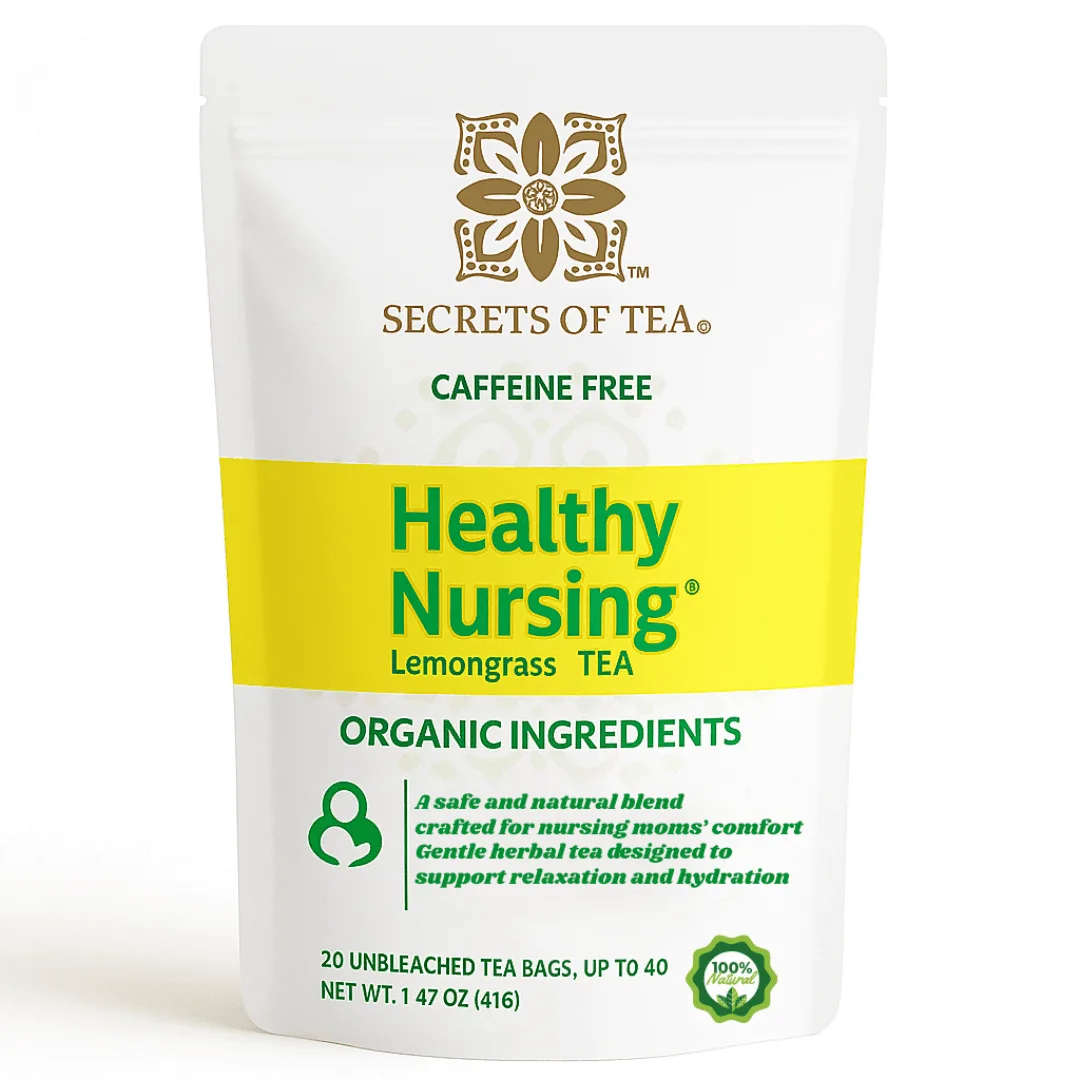
Lemongrass Lactation Tea – USDA Organic Breastfeeding Support Tea | Caffeine-Free, 40 Servings
-
Lemongrass Lactation Tea – USDA Organic Breastfeeding Support Tea | Caffeine-Free, 40 Servings: USDA Certified Organic · Caffeine-free · Alcohol-free · No artificial ingredients. These are the label's stated attributes, useful if you are specifically looking for a caffeine-free breastfeeding tea.
-
Lemongrass Lactation Tea – USDA Organic Breastfeeding Support Tea | Caffeine-Free, 40 Servings: No fenugreek — a common request from nursing mothers. The blend is positioned for mothers who want a fenugreek-free formula or have experienced side effects from fenugreek such as gas or maple syrup odor.
-
Lemongrass Lactation Tea – USDA Organic Breastfeeding Support Tea | Caffeine-Free, 40 Servings: Lemongrass Lactation Tea is a delicious, naturally sweet blend of 14 botanicals traditionally valued for supporting breast milk supply. This describes the blend's composition and traditional use; it is not a promise of a specific outcome for every mother.
A simple way to build a 2–3 cup nursing routine
The record gives a daily cup range but no brewing steps. Use this as a scheduling framework, and follow any preparation directions on the package you receive.
- Pick two or three fixed moments: Choose times you are already seated and likely to finish a cup—for example, after a morning feed and during an afternoon rest. The goal is consistency across days, not a perfect schedule.
- Keep the daily range visible: The label says 2–3 cups per day. Decide whether you are aiming for two or three, then treat that as your baseline rather than adding extra cups when a day feels long.
- Give the routine a few days: The supplied record mentions most mothers notice improved supply within 3–5 days when drinking 2–3 cups consistently. Judge the routine over that window, not after a single cup.
- Check in with your healthcare provider: The label instructs consulting your healthcare provider before use, especially if you are pregnant, nursing, taking medication, or giving this product to a child. Do that before making the tea a daily habit.
Serving tips that fit real nursing days
- Make the cup you will actually finish: A cold half-cup does not support a 2–3 cup routine. Choose moments when you can sit with the tea rather than carrying it between tasks.
- Keep the caffeine-free detail in mind: The record states the tea is caffeine-free, which is relevant if you are choosing a breastfeeding support tea and want to avoid caffeine from other drinks.
- Do not stack cups to catch up: If you miss a cup, the label does not describe a make-up serving. Return to your normal 2–3 cup pattern the next day instead of doubling up.
- Store it where the routine happens: The supplied record does not include storage instructions. Keep the tea where you feed or rest so the habit is easy to repeat, and follow any storage directions printed on the package.
Choosing a pack size around 2–3 cups a day
The product is listed as 40 servings and is available in 1, 2, 3, and 4-pack options, with up to 20% off for larger packs. Your daily cup count determines how long a pack lasts, so run the math for your own routine before choosing.
- 1 Pack: A single pack is the simplest way to test whether the tea fits your day and whether you can keep to 2–3 cups consistently.
- 2 Pack (10% off): A reasonable step up if you already know you will drink the tea daily and want a longer supply without committing to the largest pack.
- 3 Pack (15% off): Fits a household that wants the routine to continue for a longer stretch, with a larger discount than the 2-pack.
- 4 Pack (20% off): The largest discount in the record. Choose it only if you are confident the 2–3 cup routine will continue, since the record does not state a shelf life.
What the label does not tell you about brewing
The supplied record confirms the daily cup range and the caffeine-free, fenugreek-free, organic attributes, but it does not include steeping time, water temperature, or a storage method. That is a gap in the supplied information, not a reason to avoid the tea. Check the package insert for preparation details, and if none are given, ask the seller before you establish a daily habit.
The record also includes the standard statement that these statements have not been evaluated by the Food and Drug Administration and that the product is not intended to diagnose, treat, cure, or prevent any disease. Keep that in mind when reading claims about milk supply, and treat the 3–5 day window as the label's described experience rather than a guarantee.