What the Let's Dance fan is, and why care starts with the print
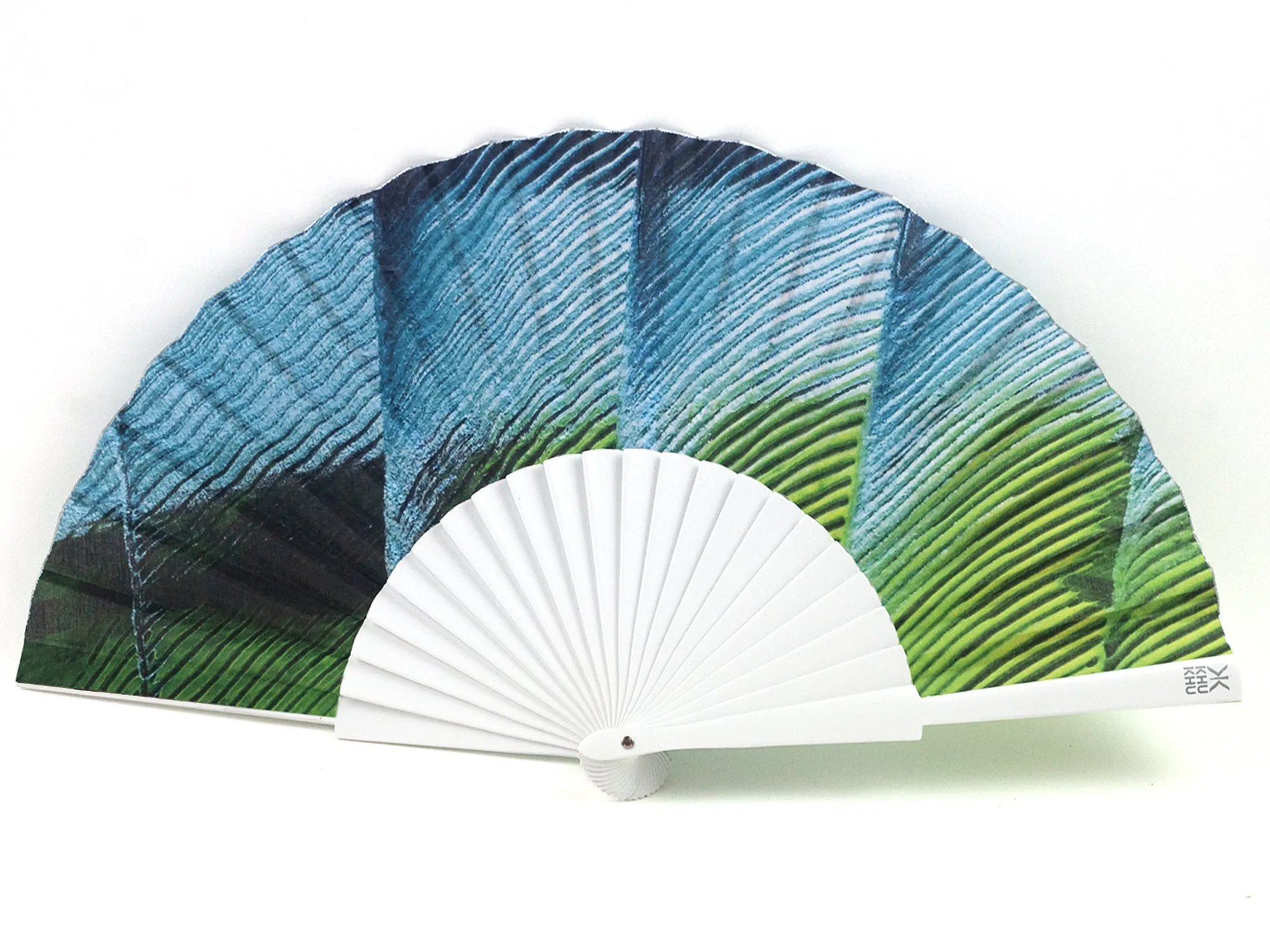
The Let's Dance Hand Fan is a printed fan made in honour of David Bowie, aimed at anyone who likes to move it on the dance floor. That description is the whole of the catalog story: a printed surface, a tribute design, and a fan meant to be used rather than kept in a drawer.
Printed surfaces are the part of a fan that ages first. Ink sits on the material and reacts to rubbing, moisture and heat, so most of the care decisions below come down to one rule: keep friction and water away from the print wherever you can.
The catalog details that shape your routine
-
Let's Dance Hand Fan: Designed in honour of David Bowie; the catalog describes it as a fan for everyone who likes to move it on the dance floor. It signals a fan built for use at gigs, parties and dance floors, where sweat, handling and bag storage are the real risks to the print.

Let's Dance Hand Fan
-
Let's Dance Hand Fan: Available in a single Standard variant. There is no alternate finish or material option to choose between, so one care routine covers the whole product.
-
Let's Dance Hand Fan: Catalog price is USD 34.00, shown against a comparison price of USD 50.00. Useful context if you are deciding whether a protective routine is worth the small effort.
What the supplied information does not tell you
The supplied record includes no material specification, no care, safety or compatibility instructions, and no preparation or operating steps. That means you should not treat any specific cleaner, water temperature, drying method or folding technique as a manufacturer instruction for this fan.
The honest position: the routine below is general, conservative practice for printed folding fans. Before you do anything more than a light surface dust, check the care information that comes with your fan or on the product page. If a method is not confirmed there, test it on a small, hidden area first, or leave the fan alone.
A gentle routine for a printed fan
Work from the least invasive step and stop as soon as the fan looks clean. None of these steps require soaking the fan.
- Dust before anything else: Open the fan and brush loose dust off both faces with a soft, dry cloth or a clean dry brush, moving in one direction across the print rather than scrubbing back and forth.
- Handle by the sticks, not the leaf: Finger oils and sweat are the most common cause of dulled print. Grip the fan at the base of the sticks and the guard, and avoid pinching the printed panel.
- Spot-clean only if you must: For a mark on the print, use the smallest amount of moisture you can on a soft cloth and dab, never rub. Because the supplied record does not confirm the material or a cleaning method, test on an inconspicuous area first and stop if the colour lifts.
- Dry fully open and flat: Never fold a damp fan. Leave it open in a dry, shaded spot with air moving around it, away from direct sun and radiators, until it is completely dry.
- Close it the way it came: Fold along the existing creases rather than creating new ones, and return the fan to its guard or sleeve when it is dry.
Storage habits that protect the print
- Keep it closed and covered: A guard, sleeve or soft pouch stops the printed leaf rubbing against other items in a bag.
- Avoid heat and damp: Store the fan away from radiators, sunny windowsills and humid bathrooms, where print and sticks can warp or discolour.
- Do not stack weight on it: Store the fan flat or upright with nothing pressing on the leaf, so the folds stay crisp.
- Give it air occasionally: If a fan lives in storage for months, open it briefly now and then to check for mustiness or sticking before refolding.
Dance-floor use versus long-term keeping
The Let's Dance fan is described as a fan for people who like to move it on the dance floor, so treating it as a display piece only misses the point. The trade-off is simple.
- Using it out: You get the fan doing its job in a hot room, but sweat, handling and bag storage put wear on the print faster. Carry a sleeve and keep hands on the sticks.
- Keeping it pristine: Careful storage preserves the print, but a fan that never leaves its sleeve does not cool anyone down. A middle path: use it, then dry and sleeve it the same evening.
When to stop and ask
If the print is flaking, the sticks are separating, or a stain will not lift with dry dusting and a cautious dab, do not escalate to stronger cleaners or soaking. The supplied record gives no repair or material guidance, so contact the store before attempting anything that could make the damage permanent.
For everyday upkeep, the routine above is enough: dust, handle by the sticks, dry fully open, and store covered and flat. That is the whole maintenance story this fan needs.