Two Herbal Teas for Cold Season
When a cold strikes, many reach for a warm herbal tea to ease congestion, soothe a sore throat, and support immunity. Licorice mulethi tea and ginger tea are two popular choices, but they work differently. This comparison looks at what each tea offers based on available product information, so you can choose the one that fits your symptoms best.
Licorice Mulethi Tea vs Ginger Tea: Key Differences
Both teas are herbal, but their flavor profiles and targeted benefits differ. Licorice mulethi tea is naturally sweet with a honey-like taste, while ginger tea is spicy and warming. Below is a side-by-side look at what each tea is known for.
- Flavor: Licorice mulethi tea: sweet, honey-like, with notes of liquorice and spearmint. Ginger tea: pungent, spicy, and warming.
- Primary cold relief action: Licorice mulethi tea is noted for relief against nasal congestion and sore throat. Ginger tea is traditionally used for its warming effect and to soothe nausea, but the supplied records do not specify cold-specific claims.
- Immunity support: Licorice mulethi tea is described as having powerful immunity strengthening properties. Ginger tea is often associated with immune support, but this is not confirmed in the available product details.
- Additional wellness benefits: Licorice mulethi tea provides gastrointestinal relief, helps regulate sugar and blood pressure, and is anti-inflammatory and rich in antioxidants. Ginger tea benefits are not detailed in the supplied information.
How Licorice Mulethi Tea Helps During a Cold
According to the product details, Licorice mulethi zing tea bags are known for providing relief against nasal congestion and sore throat. The tea is also described as a rasayana (a rejuvenating herb) that strengthens immunity, improves digestion, and offers relief from acidity. Its sweet, honey-like flavor makes it easy to drink even when your taste buds are dulled by a cold.
Licorice Mulethi Zing Tea Bags at a Glance
-
Licorice mulethi zing tea bags: A honey-like sweet tea with powerful immunity strengthening properties. Mulethi is known to provide relief against nasal congestion and sore throat. Directly addresses two common cold symptoms: stuffy nose and scratchy throat.
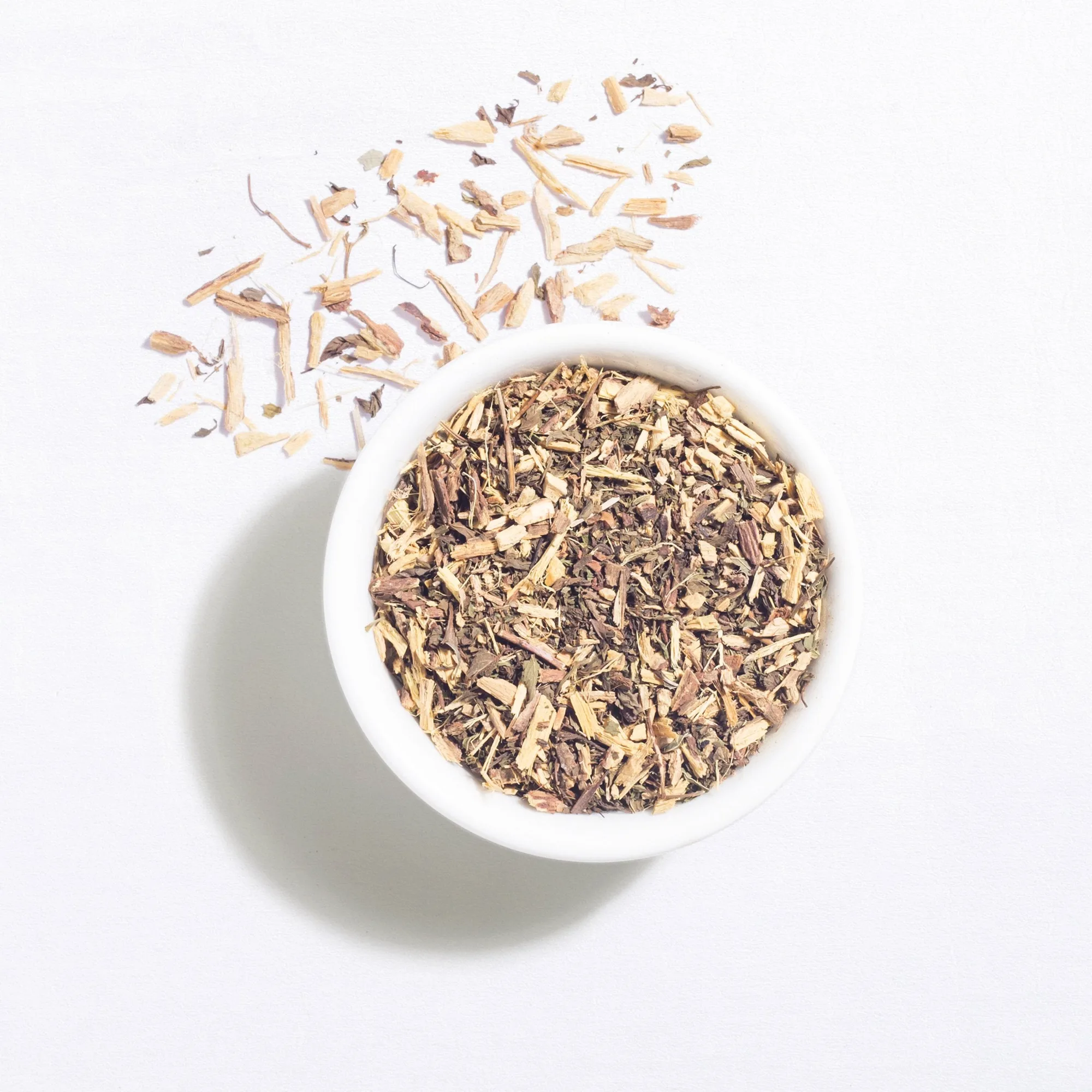
Licorice mulethi zing tea bags
-
Licorice mulethi zing tea bags: It provides gastrointestinal relief, regulates sugar and blood pressure levels, is an anti-inflammatory, is rich in antioxidants, and improves metabolism. Offers additional wellness support beyond cold relief, which may be appealing during recovery.
Choosing Between the Two
If your main cold symptoms are nasal congestion and a sore throat, licorice mulethi tea is a direct match based on the available information. Its sweet, soothing taste is gentle on an irritated throat. Ginger tea, while a classic cold remedy, does not have specific cold-relief claims in the supplied records, so it may be better suited for general warmth or digestive comfort rather than targeted cold symptom relief.
Both teas are available in bagged formats for easy brewing. Licorice mulethi zing tea comes in 15, 30, or 60 pyramid tea bags, making it convenient to keep on hand during cold season.
How to Brew Licorice Mulethi Tea for Cold Relief
For best results during a cold, follow these simple steps.
- Boil water: Bring fresh water to a rolling boil.
- Steep the tea bag: Place 1 Licorice mulethi zing tea bag into a cup of hot water. Steep for 3–4 minutes.
- Adjust strength: For a stronger flavor, increase the steeping time by one minute. The tea bag can generally be brewed up to 2 times.
- Enjoy: Remove the tea bag and sip slowly. The natural sweetness means no added sugar is needed.