When disaster strikes—whether a natural disaster, power outage, or unexpected wilderness emergency—having a well-stocked bug-out bag can mean the difference between safety and danger. While most preppers focus on food, first aid, and shelter, one critical item often gets overlooked: a reliable water filter. Without clean water, dehydration and waterborne illnesses can quickly turn a survival situation into a life-threatening crisis.
Enter the LifeStraw—a compact, lightweight, and highly effective water filter that has become a staple in emergency preparedness kits worldwide. Unlike bulky water storage systems that weigh you down, a LifeStraw allows you to drink directly from virtually any freshwater source, removing 99.9999% of bacteria and 99.9% of protozoan parasites. In this article, we’ll explore why a LifeStraw deserves a permanent spot in your bug-out bag, how to choose the right model, and practical tips for integrating it into your survival plan.
Why Water Filtration Is Non-Negotiable in a Bug-Out Bag
In any emergency scenario, the human body can survive only about three days without water. Yet carrying enough bottled water for a multiday evacuation is impractical—a single gallon weighs over eight pounds. A portable water filter like a LifeStraw solves this dilemma by allowing you to purify water from streams, lakes, or even tap water of questionable quality on the go. This drastically reduces the weight of your pack while ensuring a virtually unlimited supply of safe drinking water.
Moreover, natural water sources can harbor dangerous pathogens such as Giardia, Cryptosporidium, E. coli, and cholera. Boiling water requires fuel and time, and chemical tablets leave an unpleasant taste. A mechanical filter like LifeStraw provides instant, chemical-free purification without the need for batteries or electricity, making it an ideal survival tool when infrastructure fails.
- Always test your LifeStraw before an emergency to ensure it functions properly and you know how to use it.
Choosing the Right LifeStraw for Your Bug-Out Bag
Not all LifeStraw products are created equal when it comes to emergency preparedness. The classic LifeStraw Personal Water Filter is a favorite for its ultralight design and simplicity—just dip, sip, and go. However, if you’re planning for a family or longer-term survival, consider the LifeStraw Peak Series Collapsible Squeeze 1L Bottle with Filter. This model combines a durable, collapsible bottle with a high-flow filter, allowing you to collect and filter water quickly without needing to suck directly from a source.
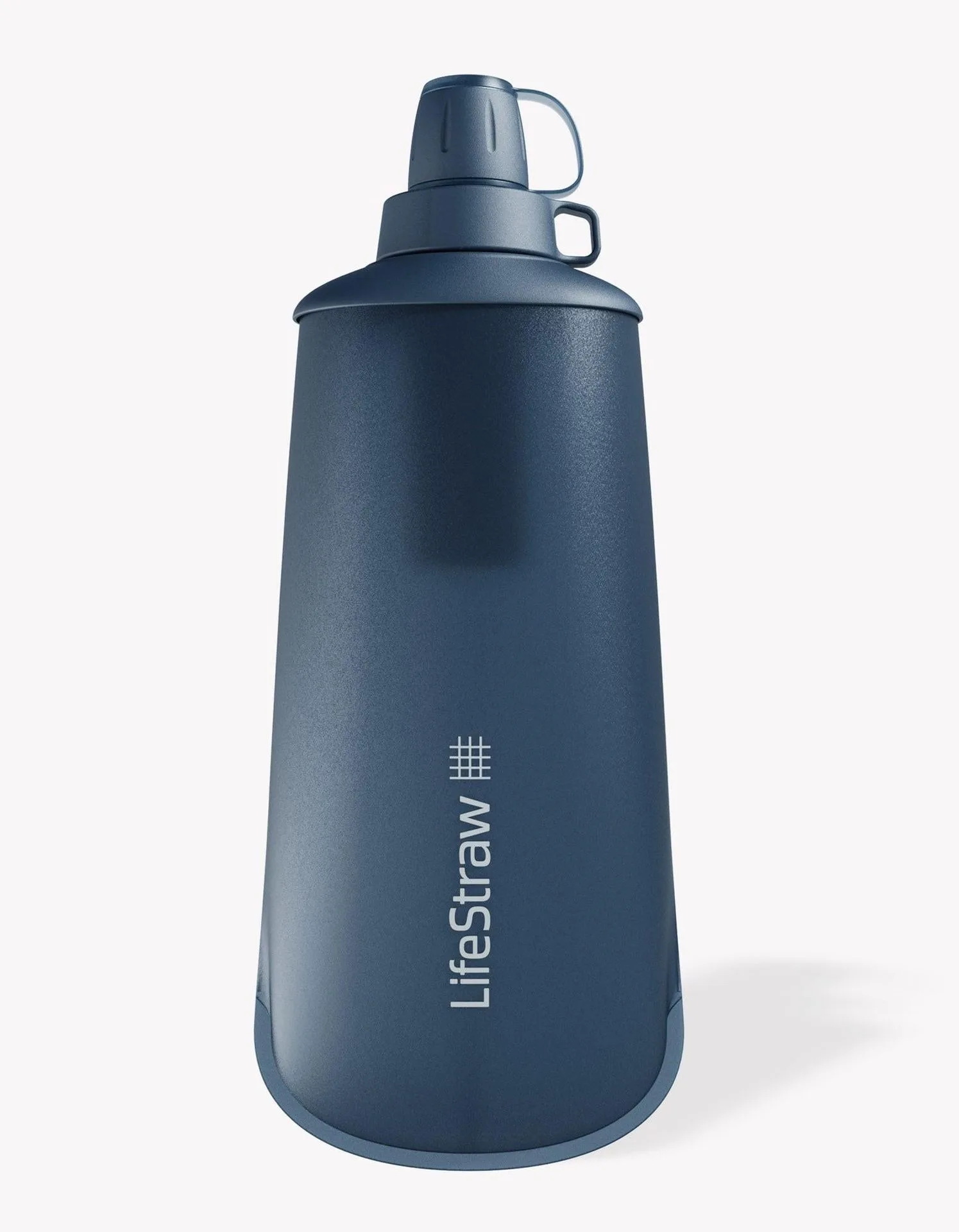
LifeStraw Peak Series Collapsible Squeeze 1L Bottle with Filter
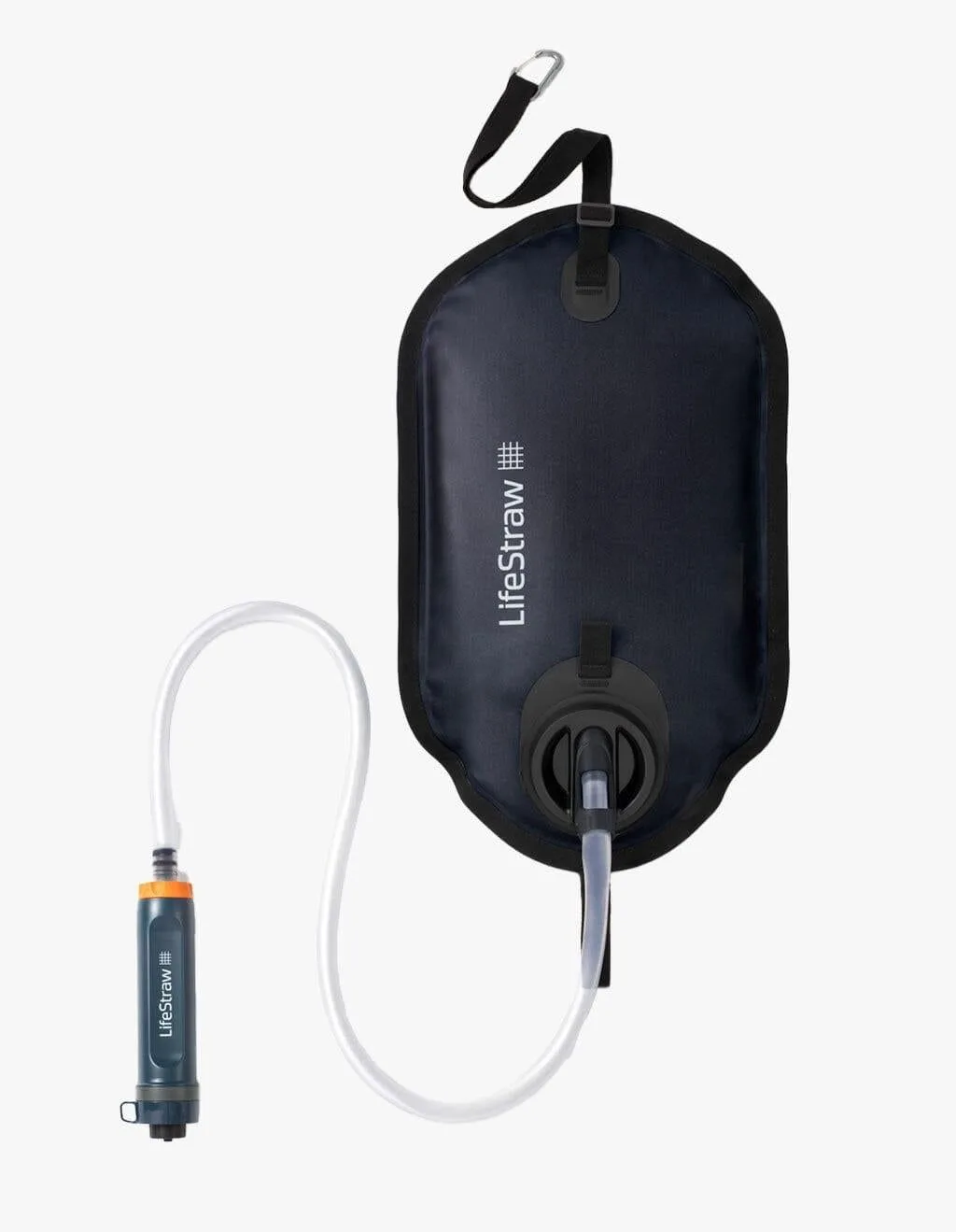
For those who prefer a metal bottle that can also be used for boiling water, the LifeStraw Go Series Stainless Steel 1L offers the best of both worlds: a stainless steel exterior for durability and a built-in filter that removes contaminants. It’s a versatile choice for bug-out bags where every item must serve multiple purposes. If you’re building a kit for a larger group, the LifeStraw Max is a gravity-fed system that can filter up to 1,000 gallons, ideal for base camps or long-term shelters.
- Match your LifeStraw model to your bug-out bag’s weight limit and the number of people it needs to support.
How to Pack and Maintain Your LifeStraw for Emergencies
Proper packing ensures your LifeStraw stays clean and functional when you need it most. Store it in a sealed plastic bag or a dedicated pouch to protect the filter from dust and damage. If you choose a bottle model like the LifeStraw Go Series Glass 20 oz, wrap it in a soft cloth or bubble wrap to prevent breakage. Always keep the filter moist if you anticipate using it within a few days—dry filters can crack and lose effectiveness.
Maintenance is minimal but critical: backwash the filter after heavy use by blowing air through the mouthpiece, and replace the filter according to the manufacturer’s guidelines. For long-term storage, ensure the filter is completely dry to prevent mold growth. A spare filter, such as the LifeStraw Go Carbon Filter Replacement, can be a lifesaver if your primary filter clogs during an extended emergency.
- Rotate your LifeStraw into your everyday carry every few months to keep it in working condition and familiarize yourself with its operation.
Integrating LifeStraw with Other Survival Gear
A bug-out bag is only as strong as its weakest link. Pair your LifeStraw with a durable water container, such as a collapsible bladder or a stainless steel canteen, to collect water before filtering. For group scenarios, consider the LifeStraw Peak Series Solo and Carry Case Bundle, which includes a carrying case that can also hold a backup filter or purification tablets. This bundle ensures you have redundancy without adding significant weight.
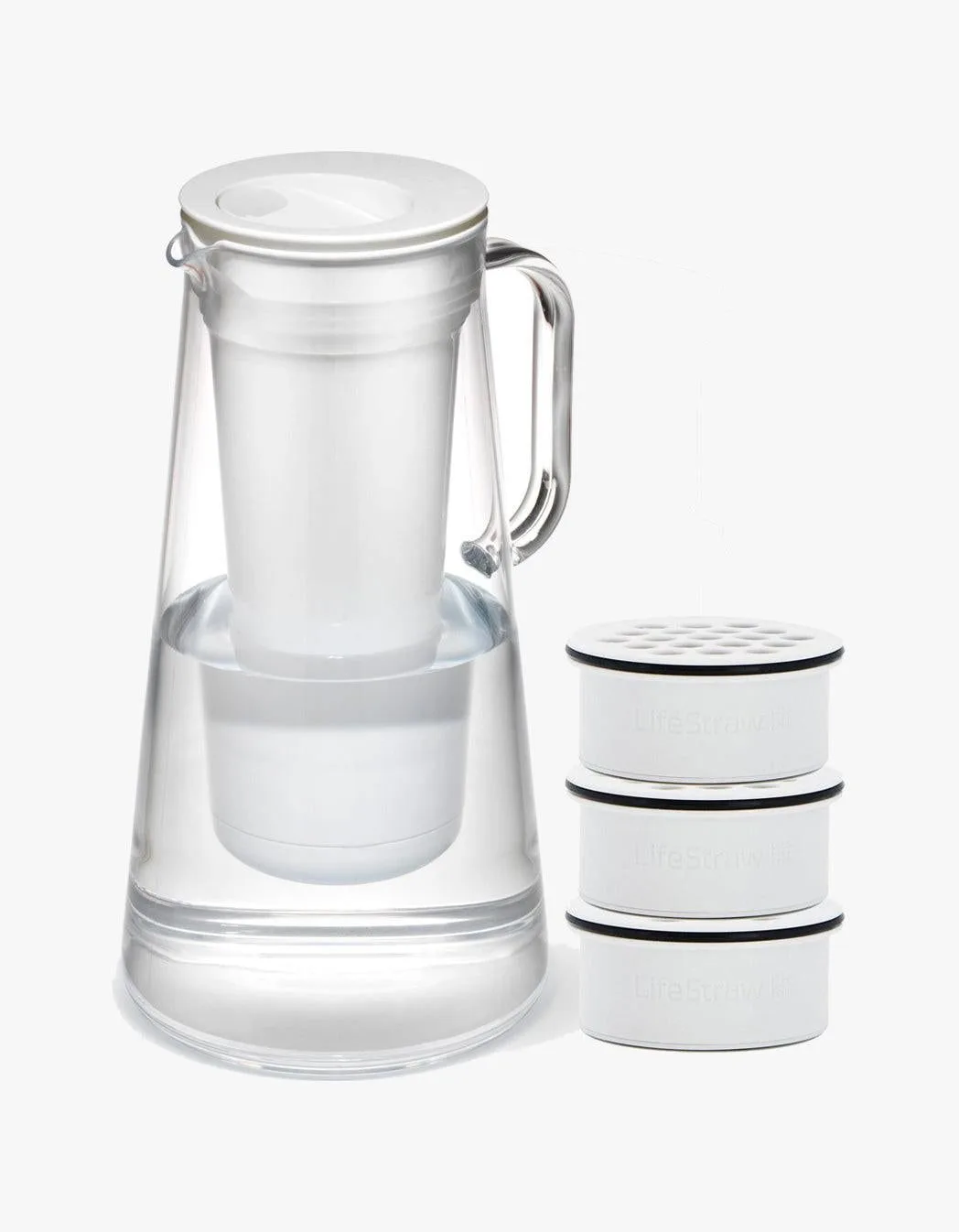
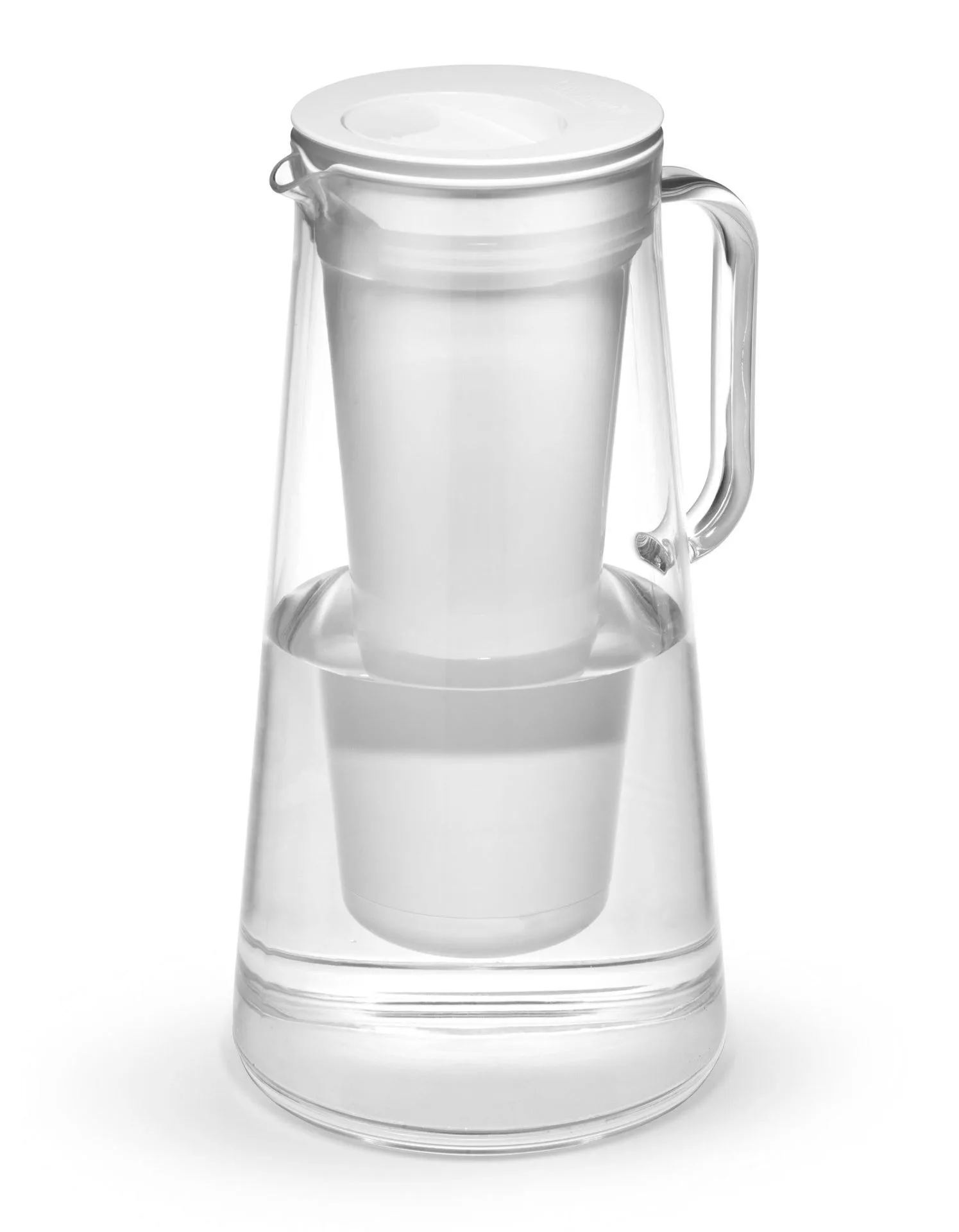
Don’t forget to include a pre-filter or a clean cloth to remove large sediment before using your LifeStraw—this extends the filter’s lifespan. For home-based emergencies, the LifeStraw Home 7-Cup Glass pitcher provides a stationary filtration solution that can be paired with your bug-out bag for a layered approach to water safety. By combining portable and home filtration, you cover both evacuation and shelter-in-place scenarios.
- Label your LifeStraw and its accessories clearly so they can be quickly identified in a stressful situation.
Real-World Scenarios Where LifeStraw Saves Lives
From hurricane aftermaths to backcountry mishaps, LifeStraw has proven its worth in countless emergencies. During the 2010 Haiti earthquake, relief organizations distributed LifeStraws to prevent cholera outbreaks among displaced populations. More recently, hikers stranded by wildfires in California used LifeStraws to drink from mountain streams when municipal water supplies were contaminated. These stories underscore the importance of having a personal water filter in any survival kit.
Even in less dramatic situations—like a broken water main during a winter storm—a LifeStraw can provide peace of mind. The key is to practice using it before an emergency arises. Try filtering water from a local pond or creek during a weekend camping trip to build confidence. When seconds count, familiarity with your gear can be a lifesaver.
- Keep a printed instruction card in your bug-out bag in case you forget how to use your LifeStraw under stress.
Adding a LifeStraw to your bug-out bag is one of the smartest investments you can make in your emergency preparedness plan. Lightweight, durable, and proven effective against waterborne pathogens, it ensures you’ll have access to clean water no matter where your evacuation route takes you. Whether you choose the classic straw, a squeeze bottle, or a stainless steel model, the peace of mind that comes from knowing you can safely hydrate is invaluable. Start building your survival kit today and make water filtration a top priority—your future self will thank you.