When it comes to clean drinking water, LifeStraw offers two distinct filtration technologies: activated carbon filters and hollow fiber membrane filters. Each serves a unique purpose, from improving taste and reducing chemicals to removing bacteria and protozoa. Understanding how they work—and when to use each—can help you make an informed purchase for your kitchen, backpack, or emergency kit.
In this comparison, we break down the science behind LifeStraw carbon filters and hollow fiber membrane technology, highlight their best use cases, and guide you toward the right product for your water quality concerns. Whether you are filtering tap water at home or treating stream water on the trail, knowing the difference ensures you get the most out of your LifeStraw.
How LifeStraw Carbon Filters Work
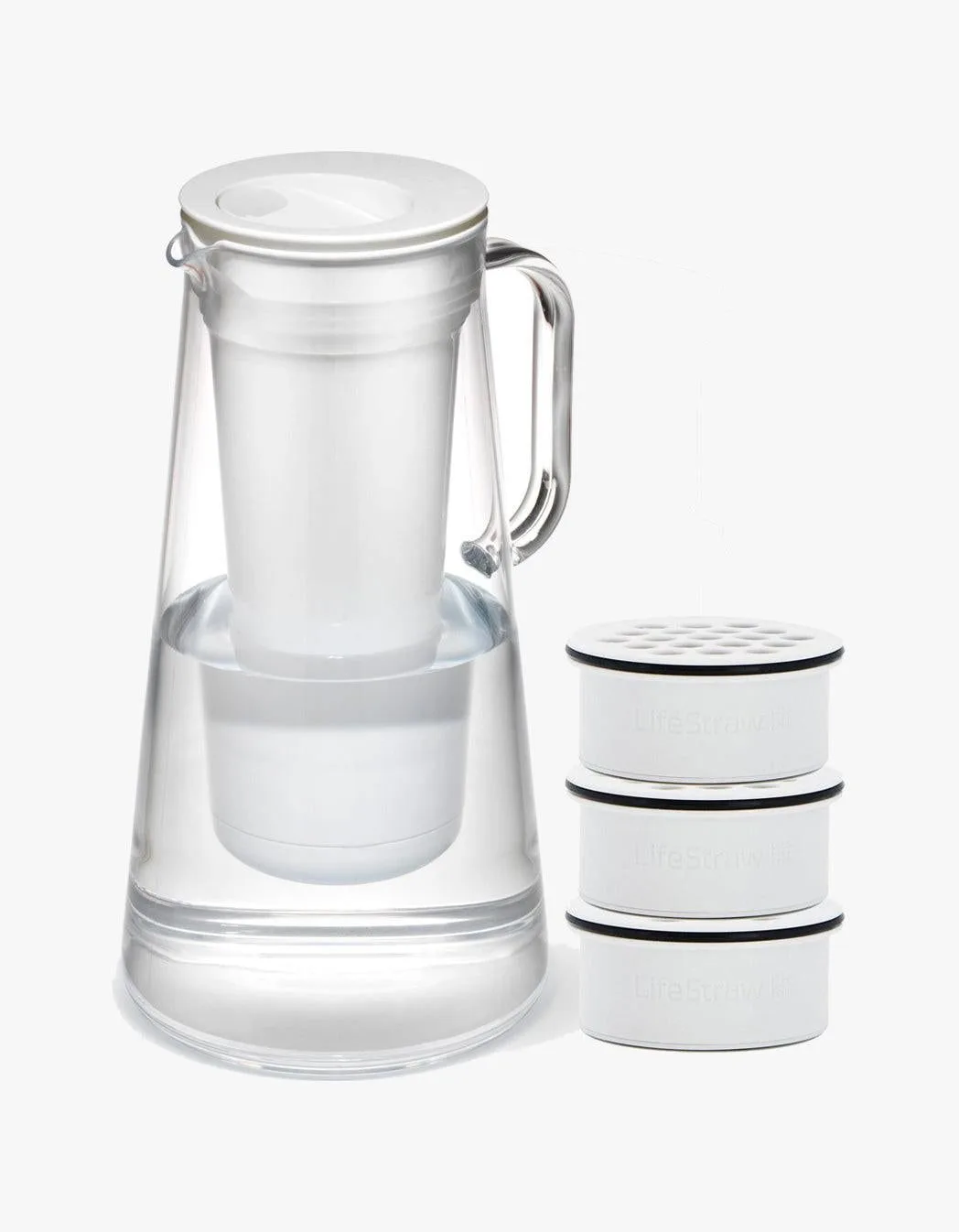
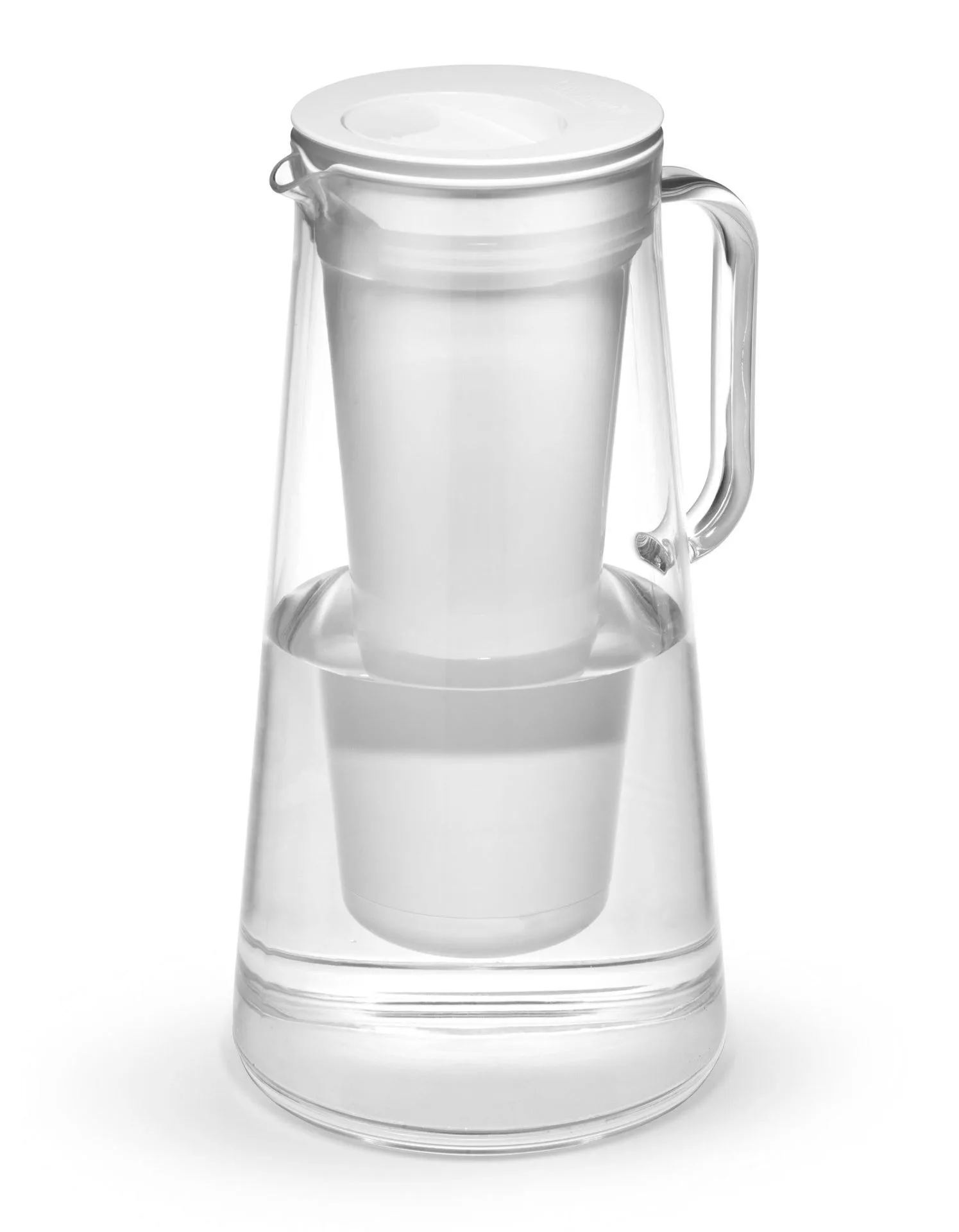
LifeStraw carbon filters use activated carbon—a form of carbon processed to have millions of tiny pores that trap contaminants. These filters excel at reducing chlorine, volatile organic compounds (VOCs), bad tastes, and odors. They are commonly found in gravity-based home systems like the LifeStraw Home 7-Cup Plastic, which uses a carbon filter to improve the taste and clarity of municipal tap water. Carbon filters do not remove bacteria or viruses; their strength lies in chemical and aesthetic filtration.
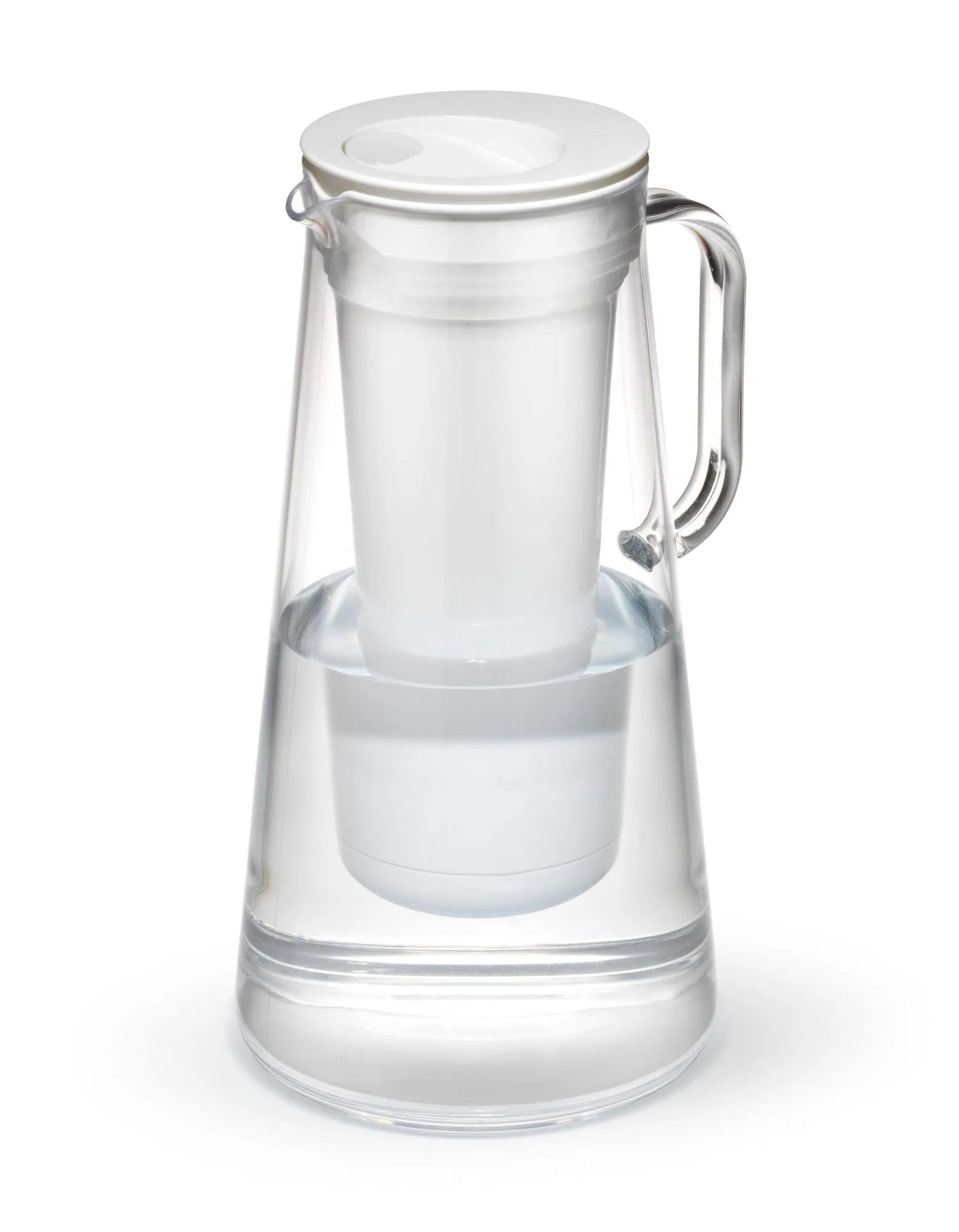
LifeStraw Home 7-Cup Plastic
For everyday use, carbon filtration is ideal if your water source is already microbiologically safe but needs polishing. The LifeStraw Home 7-Cup Plastic is a popular choice for families who want better-tasting drinking water without the need for electricity or plumbing. However, carbon filters have a limited lifespan and must be replaced regularly to maintain effectiveness—typically every 2-3 months or after 40 gallons, depending on usage.
- Reduces chlorine, sediment, and bad tastes/odors
- Best for treated tap water or known safe sources
- Requires periodic replacement—check your model’s guidelines
How Hollow Fiber Membrane Filters Work
Hollow fiber membrane technology is the backbone of LifeStraw’s portable and emergency filters. These filters consist of thousands of tiny hollow tubes with microscopic pores (0.2 microns) that physically block bacteria, protozoa, and microplastics. Water passes through the fiber walls while contaminants are trapped on the outside. This technology does not remove chemicals or improve taste, but it provides a high level of microbiological protection—making it essential for untreated sources like rivers, lakes, and streams.
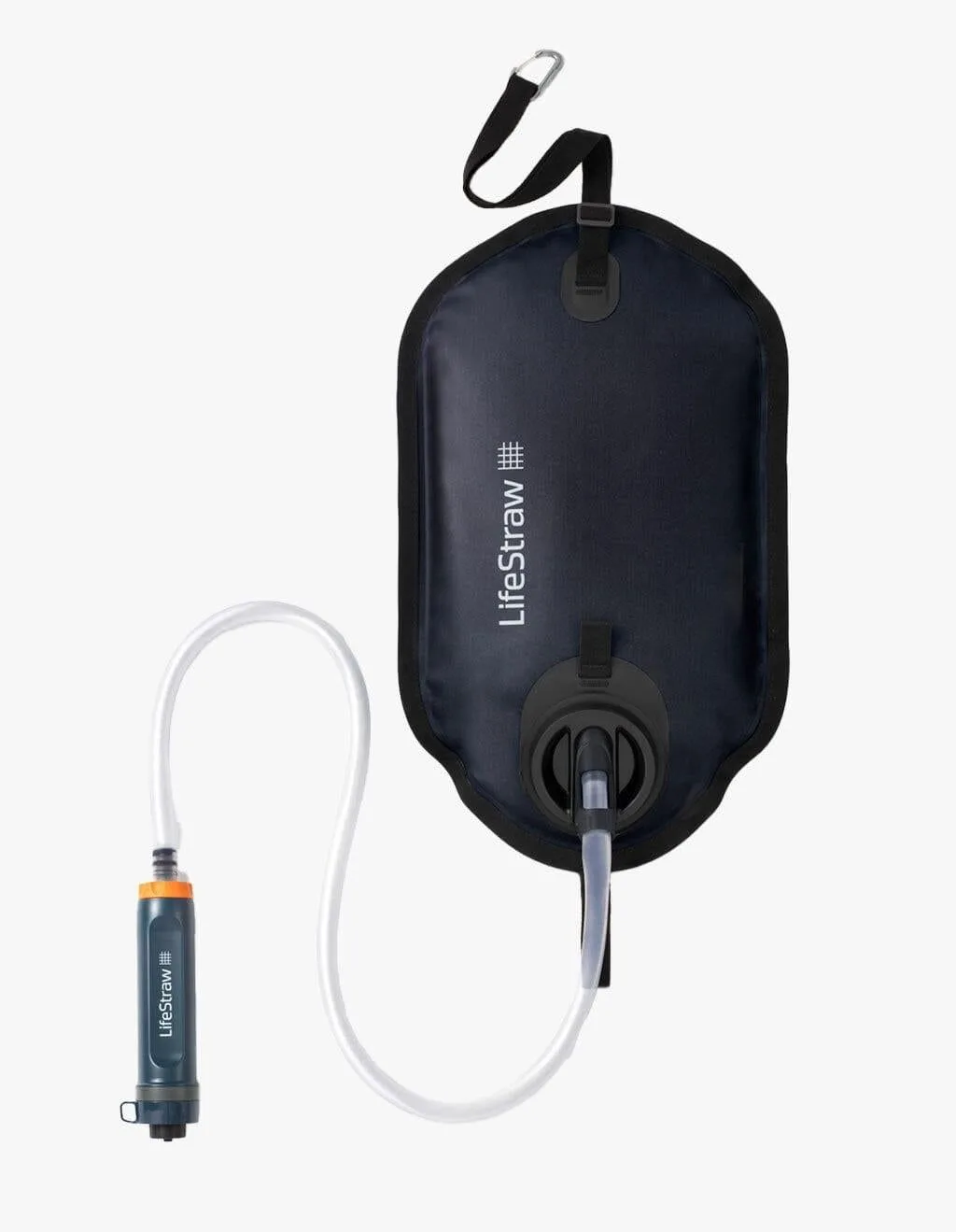
Products like the LifeStraw Peak Series Gravity Filter System – 3L rely on hollow fiber membranes to deliver safe water for groups in the backcountry. The membrane is durable, easy to backwash, and can filter up to 1,000 gallons before needing replacement. For outdoor enthusiasts or emergency preparedness, this technology offers peace of mind when water quality is unknown.
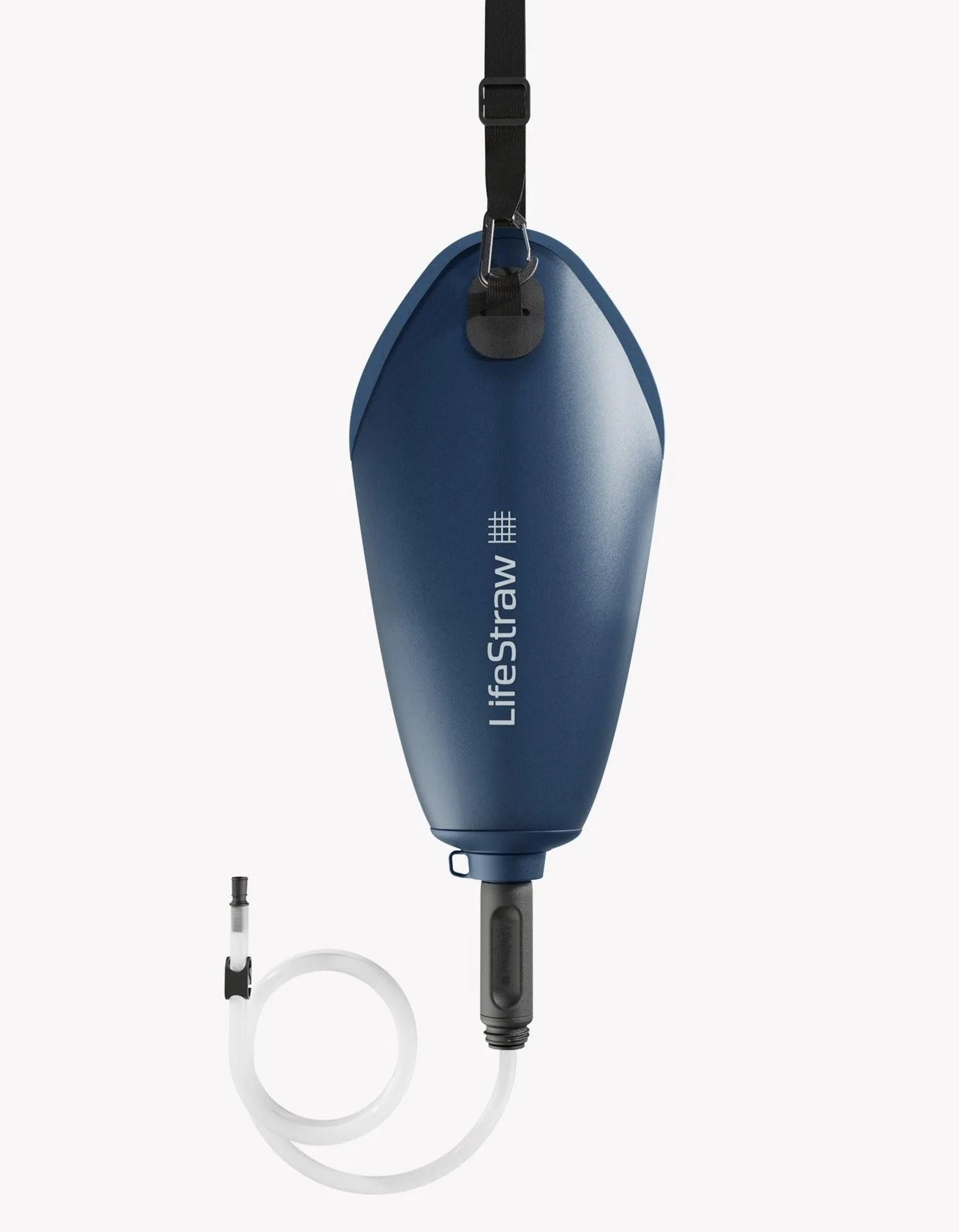
LifeStraw Peak Series Gravity Filter System – 3L
- Removes 99.9999% of bacteria and 99.9% of protozoa
- Ideal for untreated surface water (rivers, lakes, streams)
- Long filter lifespan—up to 1,000 gallons per cartridge
Key Differences at a Glance
To help you decide, here is a quick comparison of the two technologies across important factors:
- Contaminant removal: Carbon filters target chemicals, taste, and odor; membrane filters target microorganisms.
- Best water source: Carbon filters work on treated tap water; membrane filters work on untreated surface water.
- Flow rate: Carbon filters often have faster flow rates (gravity-fed); membrane filters depend on pressure (squeeze or gravity).
- Lifespan: Carbon filters last 2-3 months or 40 gallons; membrane filters last 1,000 gallons with proper care.
- Portability: Membrane filters are lightweight and compact for travel; carbon filters are usually part of larger home pitchers or dispensers.
Which LifeStraw Should You Choose?
Your choice depends on your primary water source and intended use. If you are filtering municipal tap water at home to remove chlorine and improve taste, a carbon-based system like the LifeStraw Home 7-Cup Plastic is a practical, low-cost solution. It fits easily on a countertop and requires no installation. For those concerned about chemical contaminants or aesthetic issues, this is the way to go.
For outdoor adventures—hiking, camping, or international travel—a hollow fiber membrane filter is essential. The LifeStraw Peak Series Gravity Filter System – 3L is a top choice for groups, offering a high flow rate and long filter life. It can treat water from any source without batteries or pumping. If you need a personal filter for solo trips, consider a straw-style membrane filter for direct drinking from streams.
- Home use with safe tap water: Carbon filter (e.g., LifeStraw Home 7-Cup Plastic)
- Outdoor or emergency use with unknown water: Membrane filter (e.g., LifeStraw Peak Series Gravity Filter System – 3L)
Maintenance and Replacement Tips
Both filter types require regular maintenance to perform at their best. Carbon filters should be replaced according to the manufacturer’s schedule—usually every 2-3 months or after 40 gallons. Signs it is time to change include a slower flow rate or a noticeable return of chlorine taste. The https://outdoorvault.store/products/lifestraw-escape-replacement-carbon-filter-63372LifeStraw Escape Replacement Carbon Filter is a common upgrade for certain models, so check compatibility before buying.
Membrane filters need periodic backwashing to remove trapped particles. For the LifeStraw Peak Series Gravity Filter System – 3L, simply attach the included syringe to flush water backward through the fibers. This restores flow rate and extends filter life. Avoid letting membrane filters freeze, as ice crystals can damage the hollow fibers. Store them in a cool, dry place when not in use.
- Replace carbon filters every 2-3 months or after 40 gallons
- Backwash membrane filters with a syringe to maintain flow
- Never freeze membrane filters—store above 32°F (0°C)
Understanding the difference between LifeStraw carbon and hollow fiber membrane filters helps you choose the right technology for your water. Whether you need better-tasting tap water at home or reliable protection on the trail, LifeStraw has a solution. For a versatile home option that improves taste and reduces chemicals, consider the LifeStraw Home 7-Cup Plastic. For outdoor adventures where microbiological safety is critical, the LifeStraw Peak Series Gravity Filter System – 3L delivers dependable performance. Explore our full range to find the perfect filter for your lifestyle.