Ultralight backpacking is all about shaving grams without sacrificing safety or hydration. One of the smartest ways to cut weight is by ditching rigid water bottles and switching to a collapsible bottle paired with a lightweight water filter. LifeStraw offers some of the most compact, reliable filtration options on the market, and when combined with a foldable container, you can carry just enough water for the next stretch without lugging around heavy plastic or metal bottles.
In this guide, we’ll walk you through the best ways to use a LifeStraw with a collapsible water bottle on the trail. You’ll learn how to set up your hydration system, avoid common mistakes, and choose the right LifeStraw model for your ultralight kit. Whether you’re thru-hiking, day hiking, or trail running, these tips will help you stay hydrated while keeping your pack weight to a minimum.
Why Go Ultralight with a Collapsible Bottle and LifeStraw?
Every ounce counts when you’re covering long distances. A standard 1-liter hard plastic bottle weighs about 100 grams, while a collapsible silicone or nylon bottle can weigh as little as 30 grams. Pair that with a LifeStraw — which is already one of the lightest water filters on the market — and you have a hydration system that weighs less than a single energy bar.
The real advantage is flexibility. With a collapsible bottle, you can fill it only when needed, reducing the weight of water you carry between sources. LifeStraw filters are designed to work directly from the source, so you don’t need to pre-filter or carry a heavy reservoir. This combination is ideal for ultralight backpackers who want to move fast and light.
- Collapsible bottles save 50-70% weight compared to rigid bottles.
- LifeStraw filters remove bacteria, parasites, and microplastics directly from streams and lakes.
- You can carry only the water you need for the next mile, not the next day.
Best LifeStraw Models for Ultralight Backpacking
Not all LifeStraw models are created equal for ultralight use. The LifeStraw Peak Series Solo is a top choice because it weighs just 2.5 ounces and includes a built-in squeeze bag that doubles as a collapsible container. It filters down to 0.2 microns and handles up to 1,000 gallons of water. For an even lighter setup, the original LifeStraw (straw-only) weighs only 2 ounces and can be used directly from a collapsible bottle as a straw.
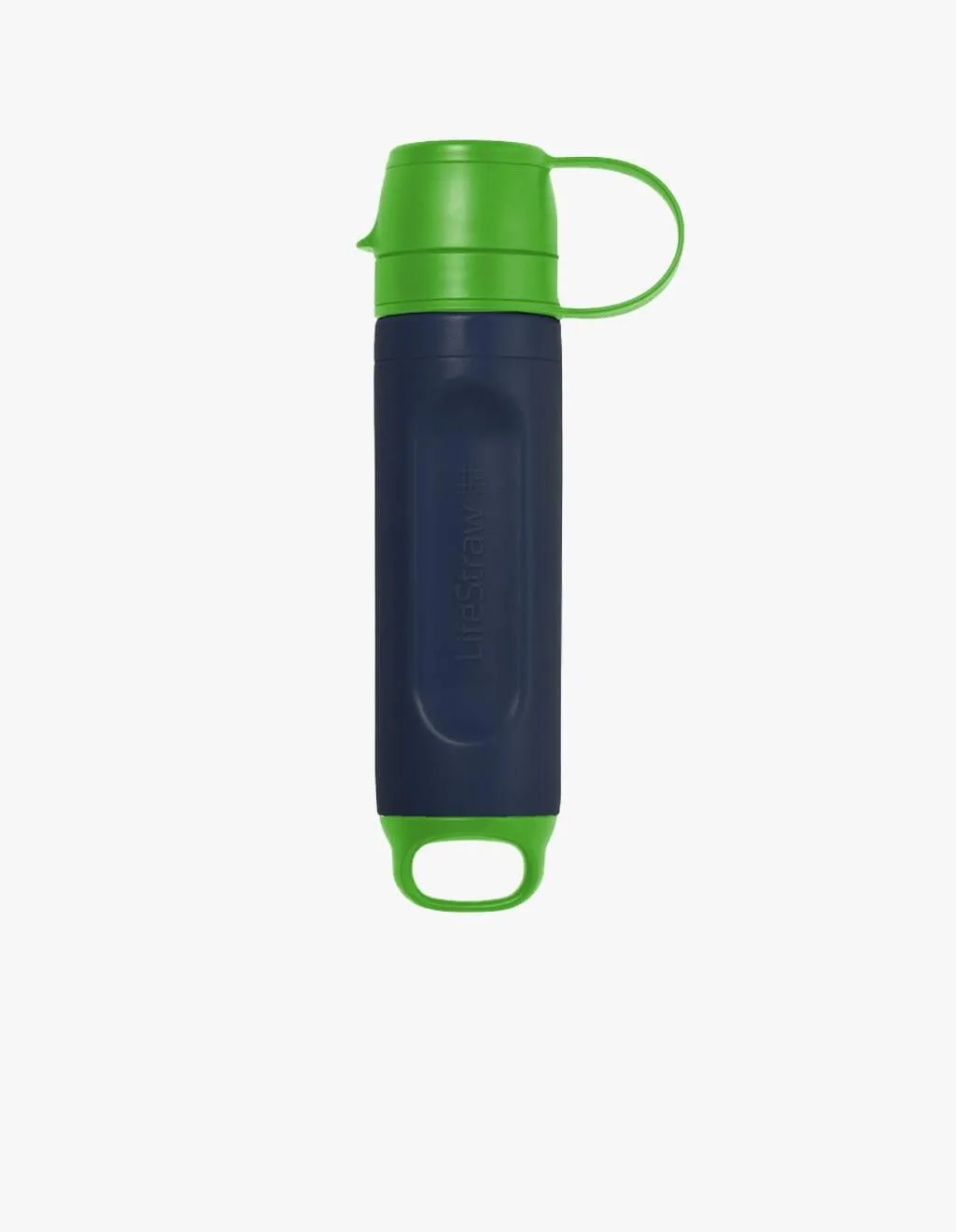
LifeStraw Peak Series Solo
If you want a hands-free drinking experience, the LifeStraw Go Series with its integrated bottle is a great option, but for true ultralight hiking, we recommend using the LifeStraw Peak Series Solo with a separate collapsible bottle. This allows you to swap bottles easily and keep your pack weight to a minimum.
- LifeStraw Peak Series Solo: 2.5 oz, built-in squeeze bag, 0.2 micron filter.
- Original LifeStraw: 2 oz, no moving parts, works directly from any container.
- LifeStraw Go Series: 6 oz, integrated bottle, ideal for day hikes but heavier for ultralight.
How to Set Up Your Collapsible Bottle and LifeStraw System
The simplest method is to use a collapsible bottle as your dirty water container. Fill the bottle from a stream or lake, then screw on the LifeStraw Peak Series Solo’s squeeze cap or use the original LifeStraw as a straw. If you’re using the original LifeStraw, simply dip it into the bottle and drink directly — no need to transfer water. This eliminates the weight of an extra container and keeps your setup minimal.
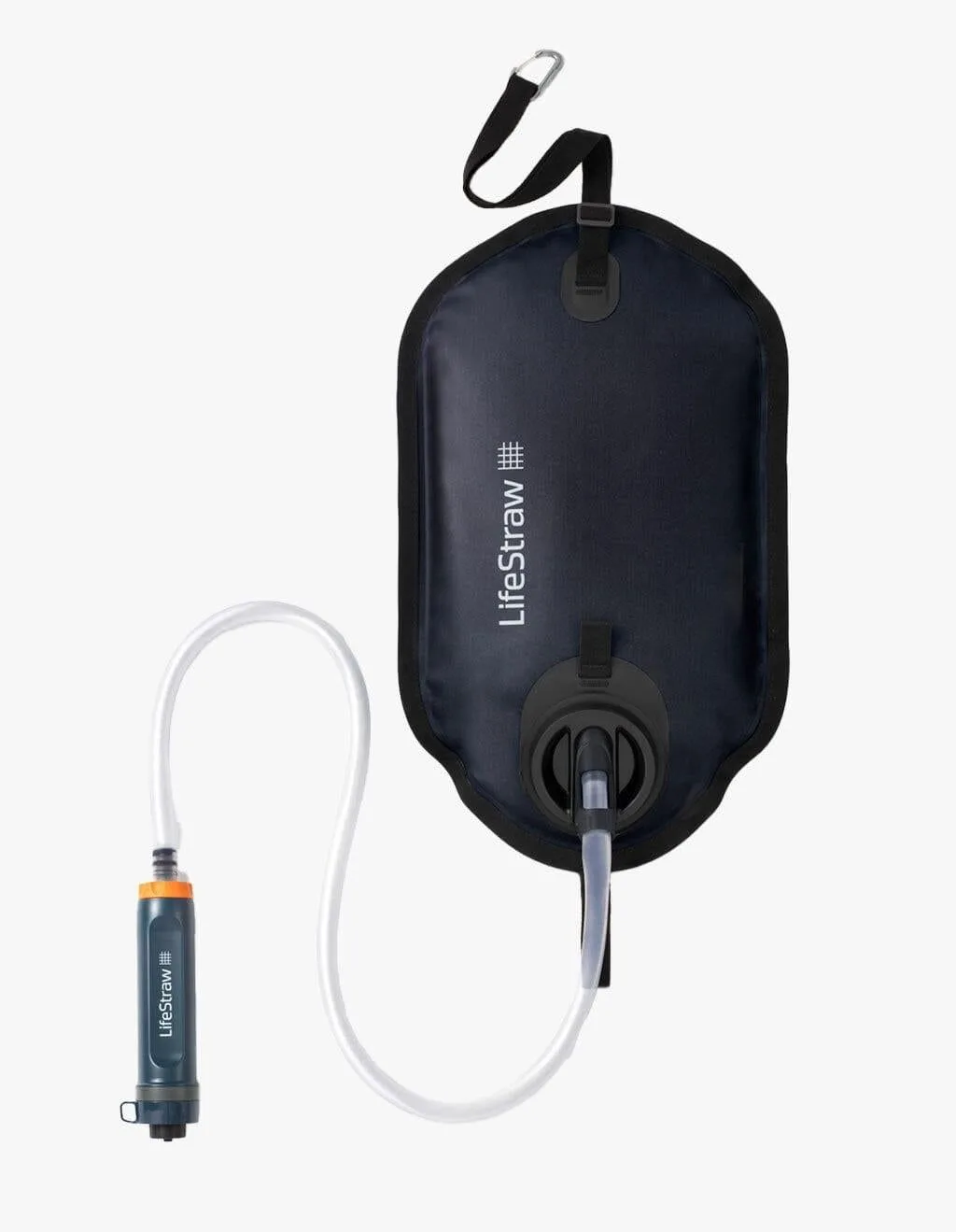
For a more efficient system, use two collapsible bottles: one for dirty water and one for clean. After filtering, squeeze the clean water into your second bottle. This is especially useful for cooking or for sharing water with a partner. The LifeStraw Mission, a larger gravity filter, can also be used with collapsible bottles if you’re base camping, but for ultralight backpacking, the Peak Series Solo is the better choice.
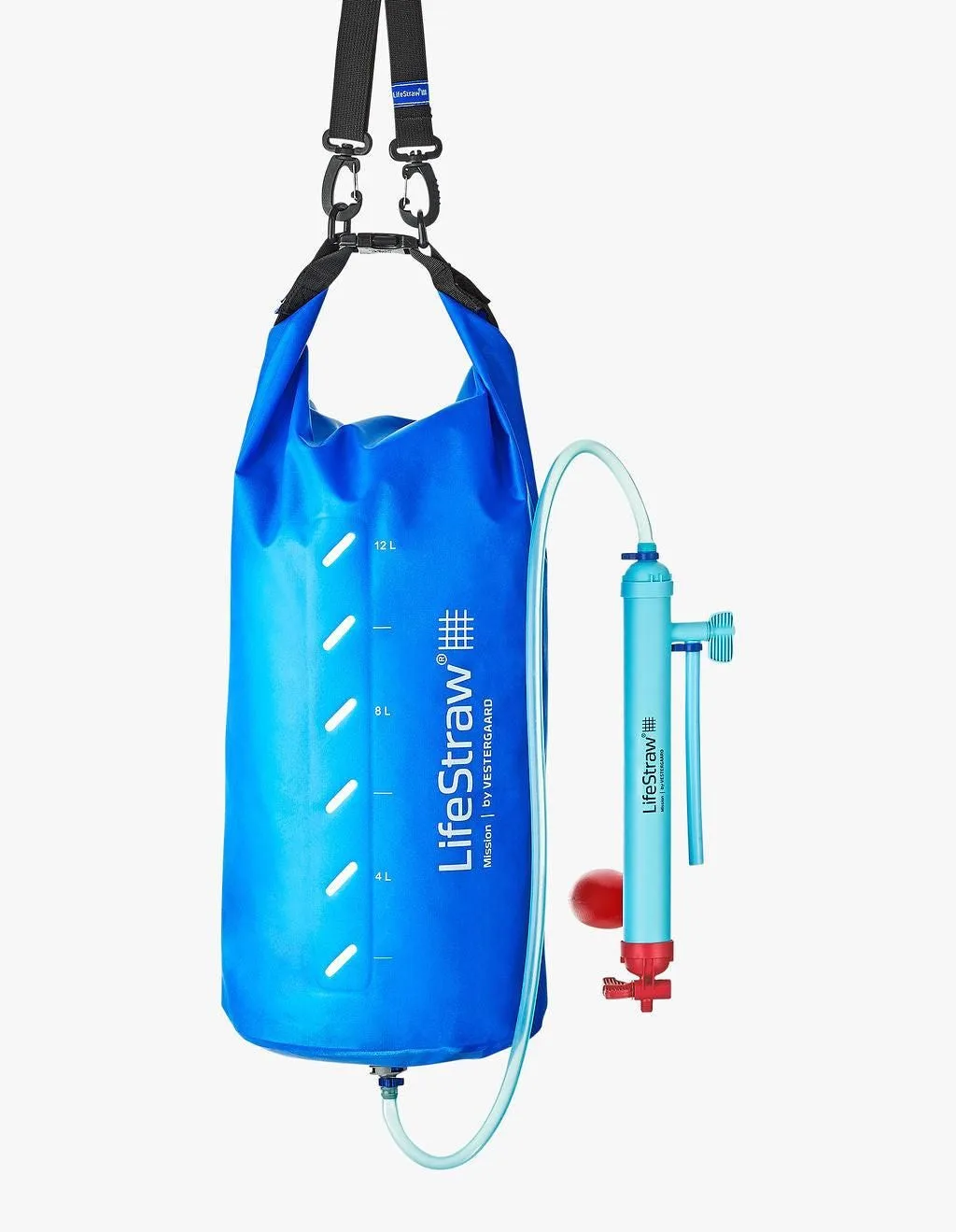
LifeStraw Mission
- Use one collapsible bottle for dirty water and drink directly with the LifeStraw.
- For clean water storage, carry a second collapsible bottle and filter into it.
- Always label your bottles to avoid cross-contamination.
Tips for Maintaining Flow Rate on the Trail
Collapsible bottles can collapse under suction if you’re not careful, especially when using a straw-style LifeStraw. To avoid this, partially fill the bottle so there’s less vacuum, or use a bottle with a wide mouth that allows air to enter. Another trick is to backwash the filter every few days by blowing water back through the mouthpiece — this clears trapped particles and keeps the flow rate high.
If you’re using the LifeStraw Peak Series Solo, backwashing is built into the design: just squeeze the bag to force water back through the filter. For the original LifeStraw, you can blow hard into the mouthpiece to dislodge debris. Always store your filter in a clean, dry place overnight to prevent mold growth.
- Partially fill collapsible bottles to prevent collapse during suction.
- Backwash the filter every 3-5 days to maintain flow rate.
- Store the filter in a dry, ventilated bag to avoid mold.
Common Mistakes to Avoid
One common mistake is using a collapsible bottle that’s too flimsy — some cheap bottles collapse completely when you try to drink, making it impossible to get water. Look for bottles made of durable silicone or TPU (thermoplastic polyurethane) that hold their shape slightly. Another mistake is forgetting to clean the bottle’s threads, where dirt and bacteria can accumulate and compromise the filter seal.
Also, don’t assume all LifeStraw models fit all collapsible bottles. The threading on the LifeStraw Peak Series Solo is standard 42mm, which fits most wide-mouth bottles, but the original LifeStraw has no threading — it’s designed to be used as a straw. Test your setup at home before hitting the trail to ensure a snug fit.
- Choose a collapsible bottle with some structural rigidity.
- Clean bottle threads regularly to maintain a proper seal.
- Test your LifeStraw and bottle compatibility before your trip.
Pairing a LifeStraw with a collapsible water bottle is one of the smartest moves you can make for ultralight backpacking. It saves weight, reduces bulk, and gives you the freedom to hydrate from any fresh water source. Whether you choose the LifeStraw Peak Series Solo for its integrated squeeze bag or the original LifeStraw for its simplicity, you’ll be carrying a reliable, lightweight filtration system that keeps you safe on the trail. Ready to lighten your pack? Check out the LifeStraw Peak Series Solo for a compact, high-performance filter that pairs perfectly with your collapsible bottle.