When disaster strikes—whether a hurricane, earthquake, or flood—access to clean drinking water becomes the most critical survival need. Contaminated water sources can quickly lead to waterborne diseases like cholera, typhoid, and dysentery, compounding the crisis. That is why emergency relief organizations and preparedness-minded individuals turn to high-capacity, portable water filters like the LifeStraw Community system. Designed to deliver safe water for large groups, this gravity-powered filter can process up to 100,000 liters over its lifetime, making it a cornerstone of any disaster response kit.
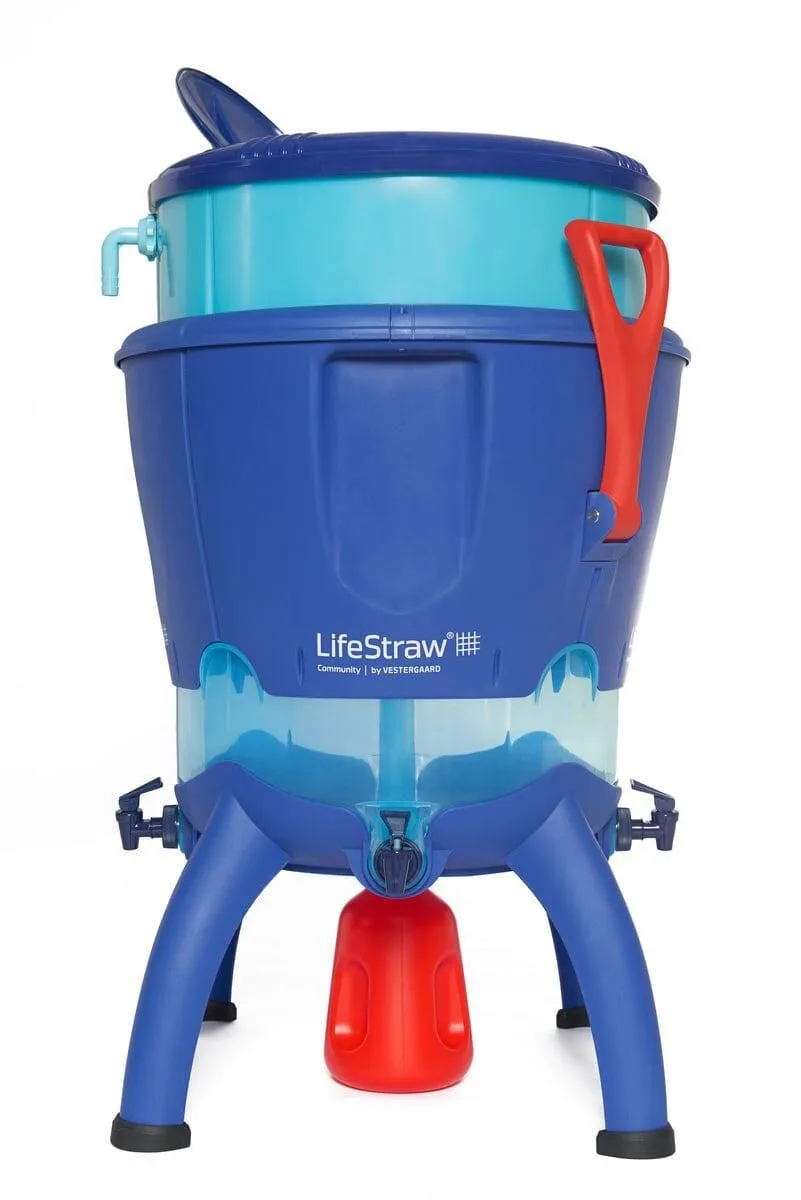
LifeStraw Community
In this guide, we will walk you through the complete setup process for the LifeStraw Community filter, explain how to maintain it in the field, and share best practices for using it during emergency relief operations. Whether you are a volunteer aid worker, a community leader, or someone building a family emergency plan, understanding how to deploy this filter correctly can save lives. We will also highlight related products that complement the Community system, such as the LifeStraw Sip Water Filter Straw for individual use and the LifeStraw Home 10-Cup for base-camp hydration.
Why the LifeStraw Community Filter Is Ideal for Emergency Relief
The LifeStraw Community filter is a gravity-fed, hollow-fiber membrane system that requires no electricity, batteries, or chemicals. It can treat up to 12 liters of water per hour, making it suitable for a family of 10–15 people or a small community of up to 100 individuals in a single day. Its compact design packs into a durable carrying bag, and the entire setup weighs less than 2 kilograms, allowing easy transport in a backpack or emergency vehicle. The filter removes 99.999% of bacteria (e.g., E. coli, Salmonella), 99.99% of viruses (e.g., rotavirus, norovirus), and 99.9% of protozoan parasites (e.g., Giardia, Cryptosporidium).
During emergencies, water sources such as rivers, lakes, wells, or even floodwater can be heavily contaminated with sediment, debris, and pathogens. The LifeStraw Community filter's pre-filter removes large particles, while the advanced membrane captures microscopic threats. Unlike boiling, which requires fuel and time, or chemical tablets, which leave an unpleasant taste, this filter provides instant, great-tasting water. For prolonged relief efforts, the system's replaceable membrane cartridge can be swapped out quickly, ensuring continuous operation. Pairing it with the LifeStraw Sip Water Filter Straw gives each individual a personal backup filter for drinking directly from a bottle.
- Gravity-powered: no pumps, batteries, or electricity needed
- High capacity: filters up to 100,000 liters per cartridge
- Removes bacteria, viruses, and parasites to WHO standards
- Lightweight and portable: fits in a backpack or emergency kit
Step-by-Step Setup for Emergency Deployment
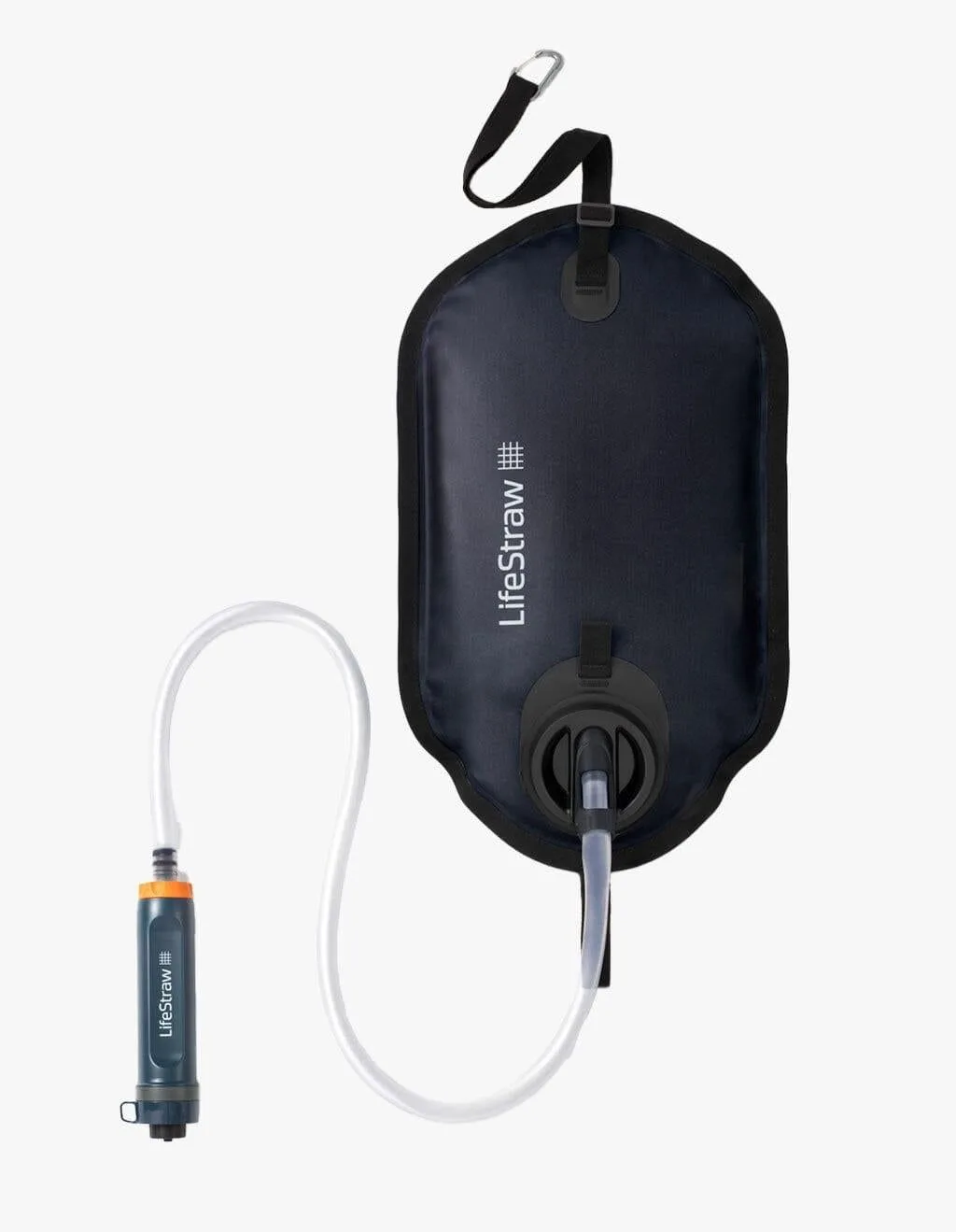
Setting up the LifeStraw Community filter is straightforward, but in a crisis scenario, speed and accuracy matter. Start by finding a clean water source—ideally one with minimal sediment. If only murky water is available, let it settle in a bucket for 30 minutes before filtering. Remove the filter from its storage bag and attach the pre-filter (the blue mesh sock) to the intake hose. Place the intake hose into the water source, ensuring the pre-filter is fully submerged. Next, hang the filter bag from a sturdy branch, tripod, or vehicle roof rack at least 1 meter above the collection container. This height creates the gravity pressure needed for optimal flow.
Connect the clean water hose to the filter outlet and place the end into your clean collection vessel (e.g., a jerry can, pot, or hydration bladder). Open the vent cap on the filter bag to allow air to escape, then let gravity do the work. The first liter of water should be discarded to flush any manufacturing residues. After that, the filter will produce approximately 200 milliliters per minute. For larger groups, you can set up multiple Community filters in parallel. To speed up filtration in cold weather, warm the water slightly (never above 40°C/104°F) to reduce viscosity. For a home base during extended relief, the LifeStraw Home 10-Cup is an excellent companion for providing filtered drinking water in a kitchen or shelter setting.
- Always flush the first liter of filtered water to waste
- Hang the filter bag at least 1 meter above the collection container
- Use a pre-filter sock to extend membrane life in dirty water
- In freezing conditions, keep the filter warm to prevent damage
Maintenance in the Field: Keeping Your Filter Running
Emergency relief operations can run for days or weeks, so maintaining the LifeStraw Community filter is essential. After each use, backwash the filter by reversing the water flow: disconnect the clean water hose, attach it to the inlet, and squeeze the filter bag gently to push water backward through the membrane. This dislodges trapped particles and restores flow rate. If the pre-filter becomes clogged with mud or algae, rinse it in clean water or replace it with a spare. The membrane cartridge should be replaced after filtering 100,000 liters or if the flow rate drops significantly despite backwashing.
Store the filter in a cool, dry place when not in use. Never let the membrane freeze, as ice crystals can rupture the hollow fibers. If you are operating in a dusty or sandy environment, keep the hose ends capped to prevent debris ingress. For long-term storage, dry the filter completely and store it in its original bag. It is also wise to carry a replacement membrane cartridge in your emergency kit. The LifeStraw Sip Water Filter Straw is a perfect backup for individuals if the Community filter needs servicing. Additionally, the LifeStraw Home 10-Cup can serve as a stationary filter at a base camp while the Community unit is deployed to remote collection points.
- Backwash after every 10–20 liters of use to maintain flow
- Replace the pre-filter sock when visibly dirty
- Never freeze the filter—store above 0°C
- Carry a spare membrane cartridge for extended missions
Integrating LifeStraw Community into a Larger Emergency Water Plan
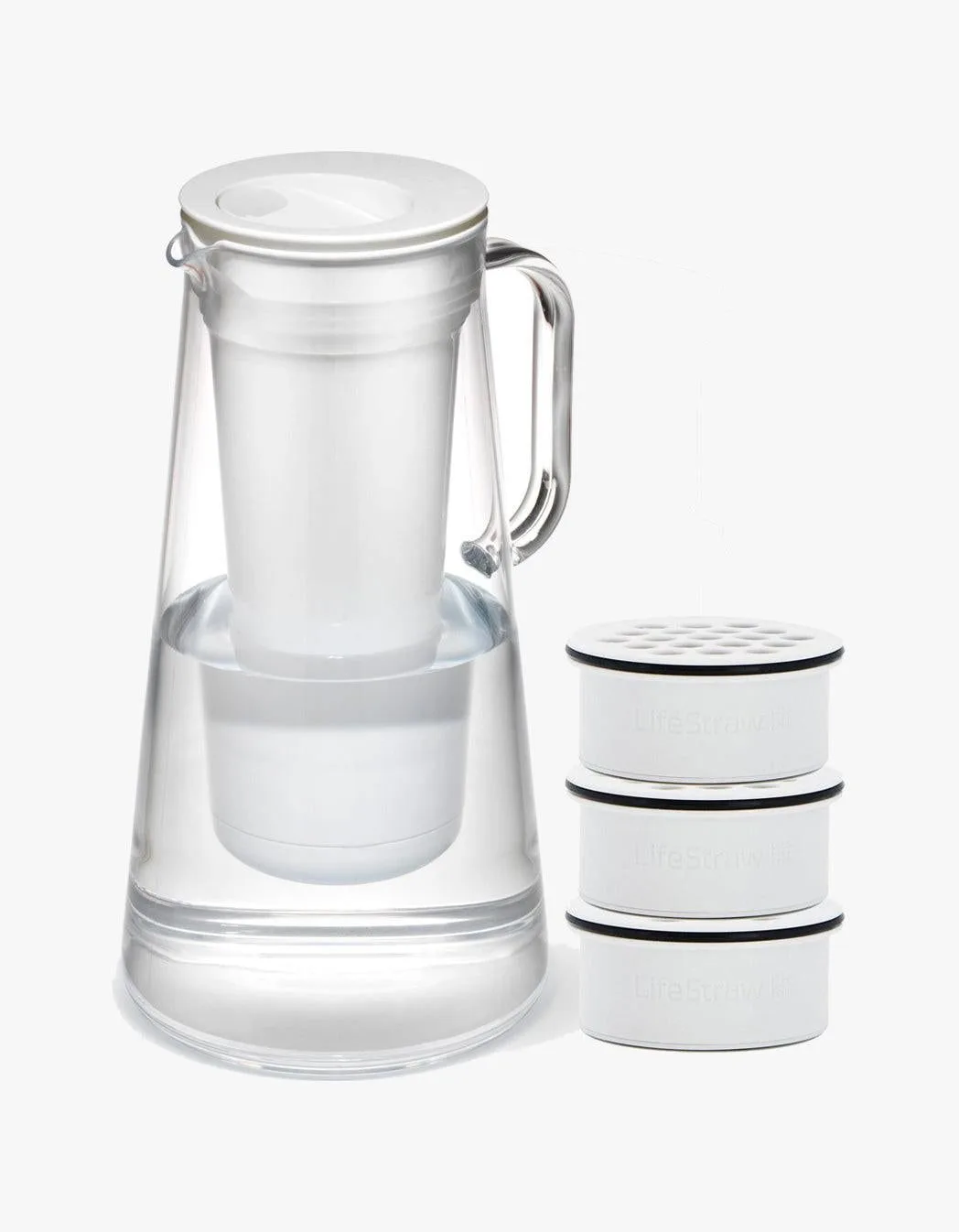
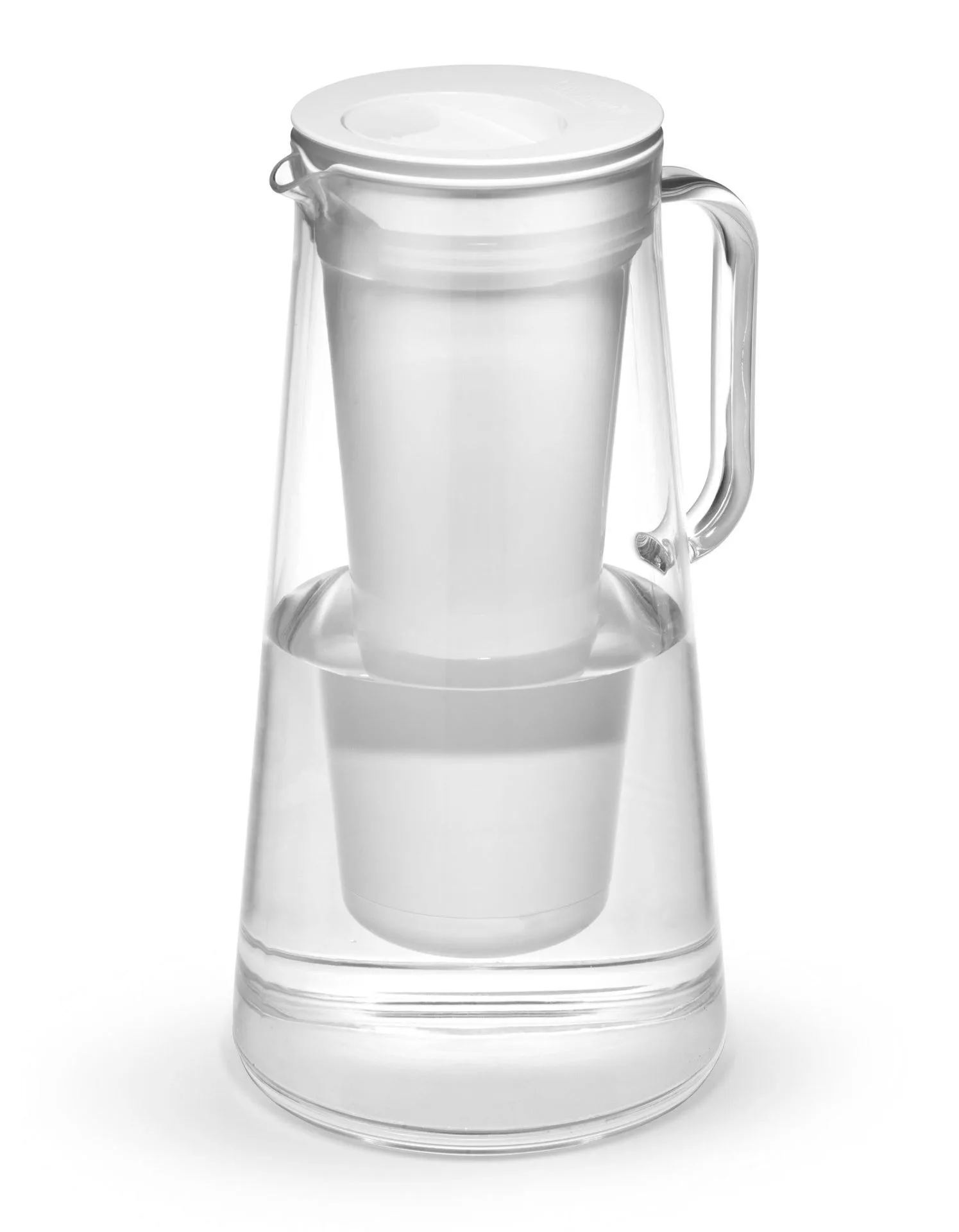
A comprehensive emergency water plan should include multiple layers of filtration. The LifeStraw Community filter works best as a central water treatment hub, but individual hydration solutions are equally important. For example, each person can carry a LifeStraw Sip Water Filter Straw for drinking directly from any water source during movement or evacuation. This straw filters up to 4,000 liters and fits into standard water bottles. At a fixed location, the LifeStraw Home 10-Cup provides a gravity-fed pitcher for drinking and cooking water, with a capacity of 10 cups (2.4 liters) and a replaceable filter lasting 264 gallons.
For large-scale disaster relief, combining the Community filter with the Home 10-Cup creates a scalable system: the Community unit handles bulk water treatment at a central point, while the Home pitcher serves individual households or shelter stations. This reduces the need for repeated trips to the water source and minimizes contamination risks during transport. Always label clean water containers and designate a separate area for dirty water handling to avoid cross-contamination. Training a small team on setup and maintenance ensures the system remains operational even if the primary user is unavailable.
- Use the Community filter for bulk treatment, Home pitcher for daily use
- Label all containers to prevent cross-contamination
- Train at least two people on setup and maintenance
- Store spare filters and pre-filter socks in your emergency kit
Mastering the LifeStraw Community filter for emergency relief is a vital skill that can protect entire communities from waterborne disease. With proper setup, regular backwashing, and smart integration with individual filters like the LifeStraw Sip Water Filter Straw, you can ensure safe water for days or weeks after a disaster. Start building your emergency water plan today by exploring the LifeStraw Community filter and its compatible accessories.