When you rely on a portable water filter for hydration during hikes, camping trips, or emergency preparedness, every minute counts. One of the most common questions among LifeStraw users is about flow rate — how quickly does filtered water come out, and what can you do if it slows down? Understanding LifeStraw flow rate expectations and knowing how to maintain optimal performance can make the difference between a frustrating wait and a smooth, reliable water source.
LifeStraw products are engineered with advanced hollow fiber membrane technology that removes bacteria, parasites, and microplastics while allowing water to pass through. However, flow rate naturally varies by model, water quality, and usage. In this guide, we break down typical flow rates for popular LifeStraw filters, explain why speed can change, and provide actionable tips to keep your filter flowing fast.
Typical Flow Rates by LifeStraw Model
LifeStraw offers a range of filters designed for different scenarios, from personal straws to gravity systems and home pitchers. Each model delivers a different flow rate based on its design and intended use. For example, the LifeStraw Personal Water Filter Straw provides about 0.5 liters per minute under optimal conditions, making it ideal for individual use during hiking or travel. The LifeStraw Go Series Tumbler 18 oz offers a similar flow rate but in a convenient sipping bottle format, perfect for daily commutes or gym sessions.
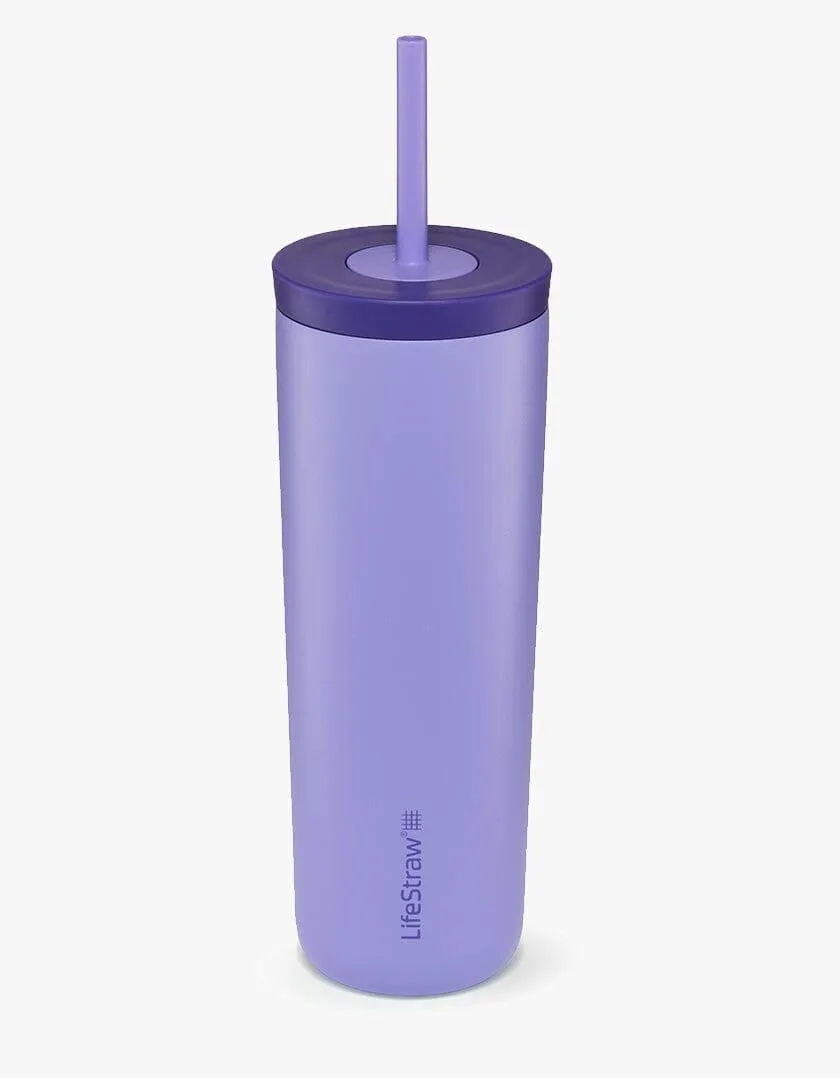
LifeStraw Go Series Tumbler 18 oz
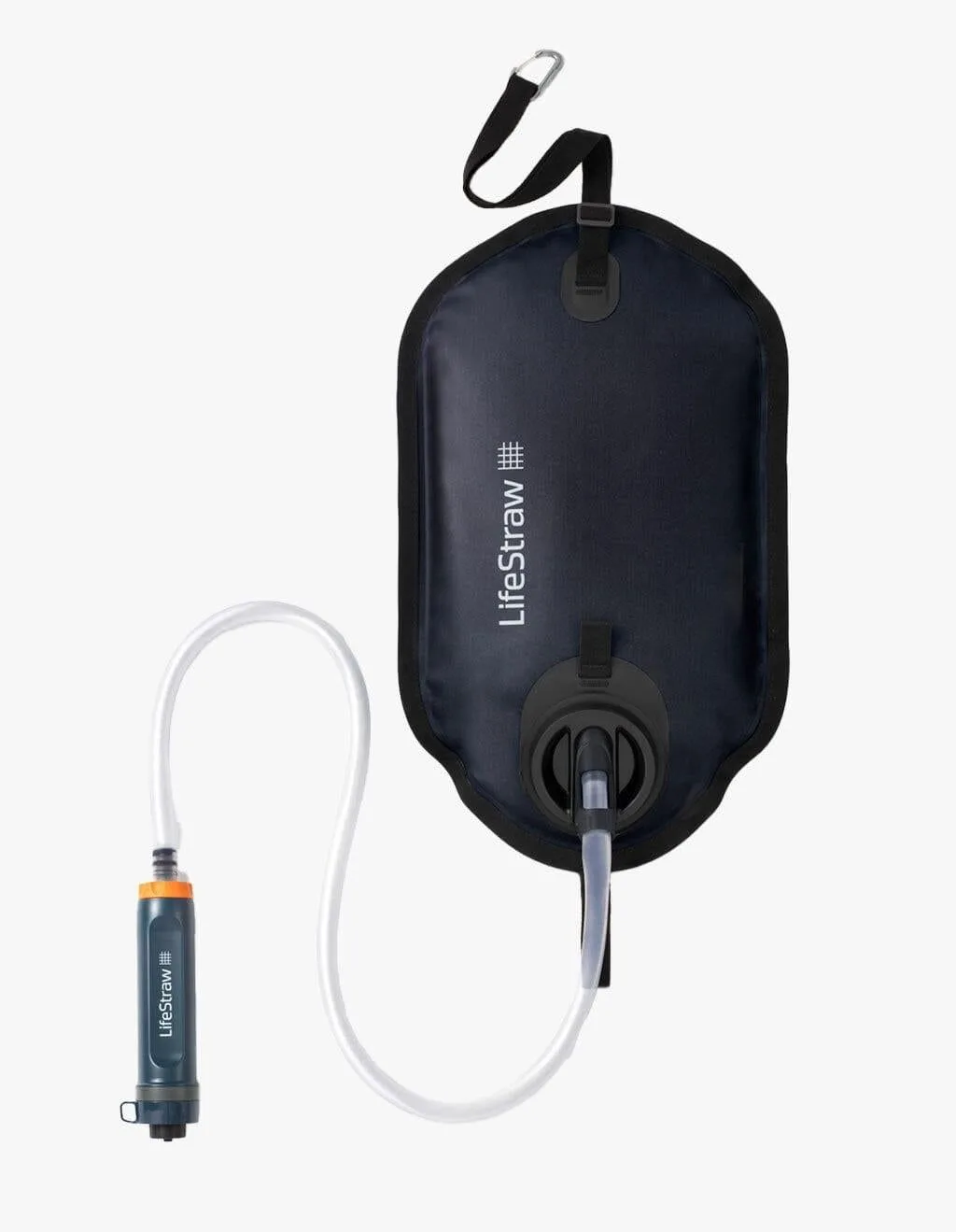
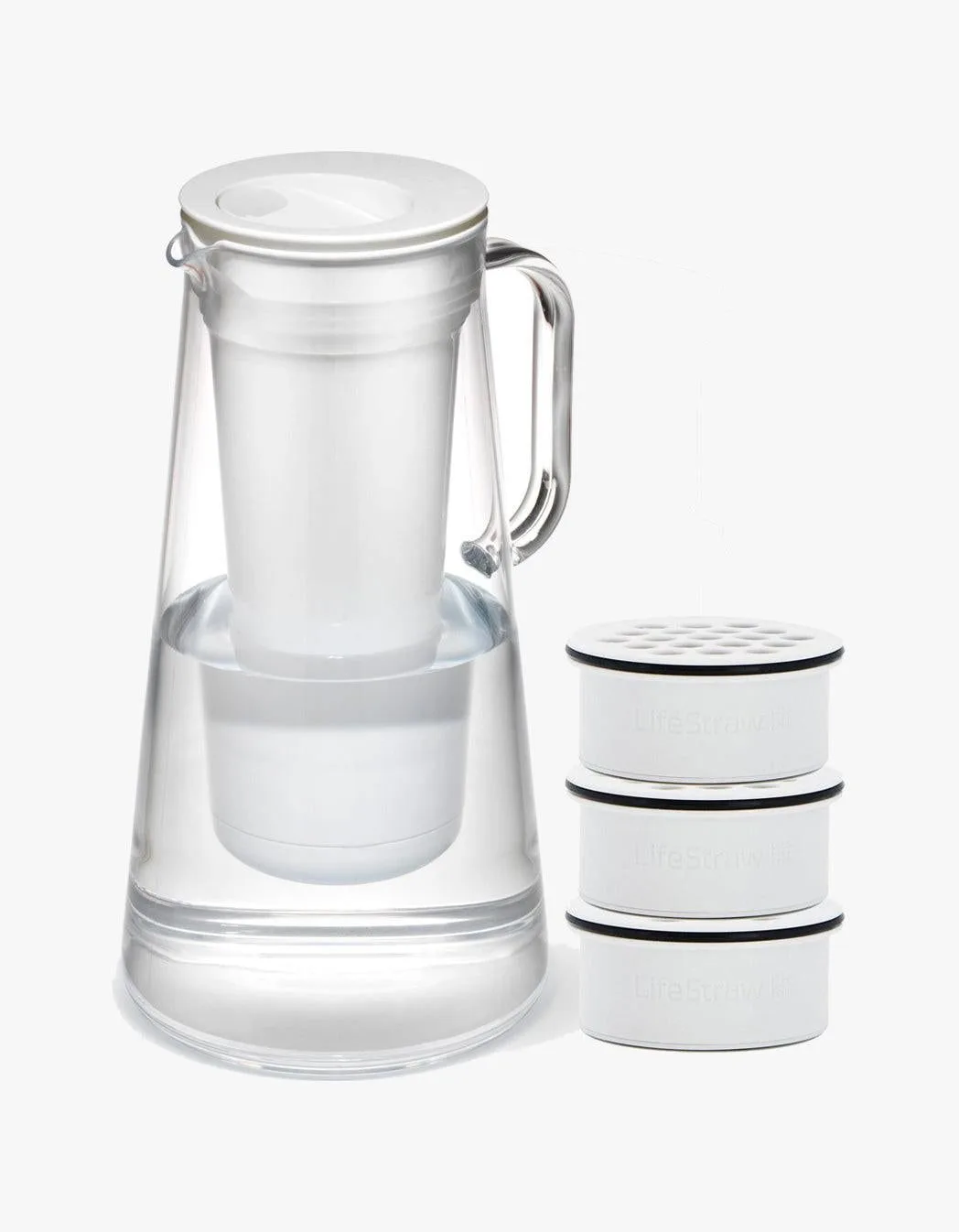
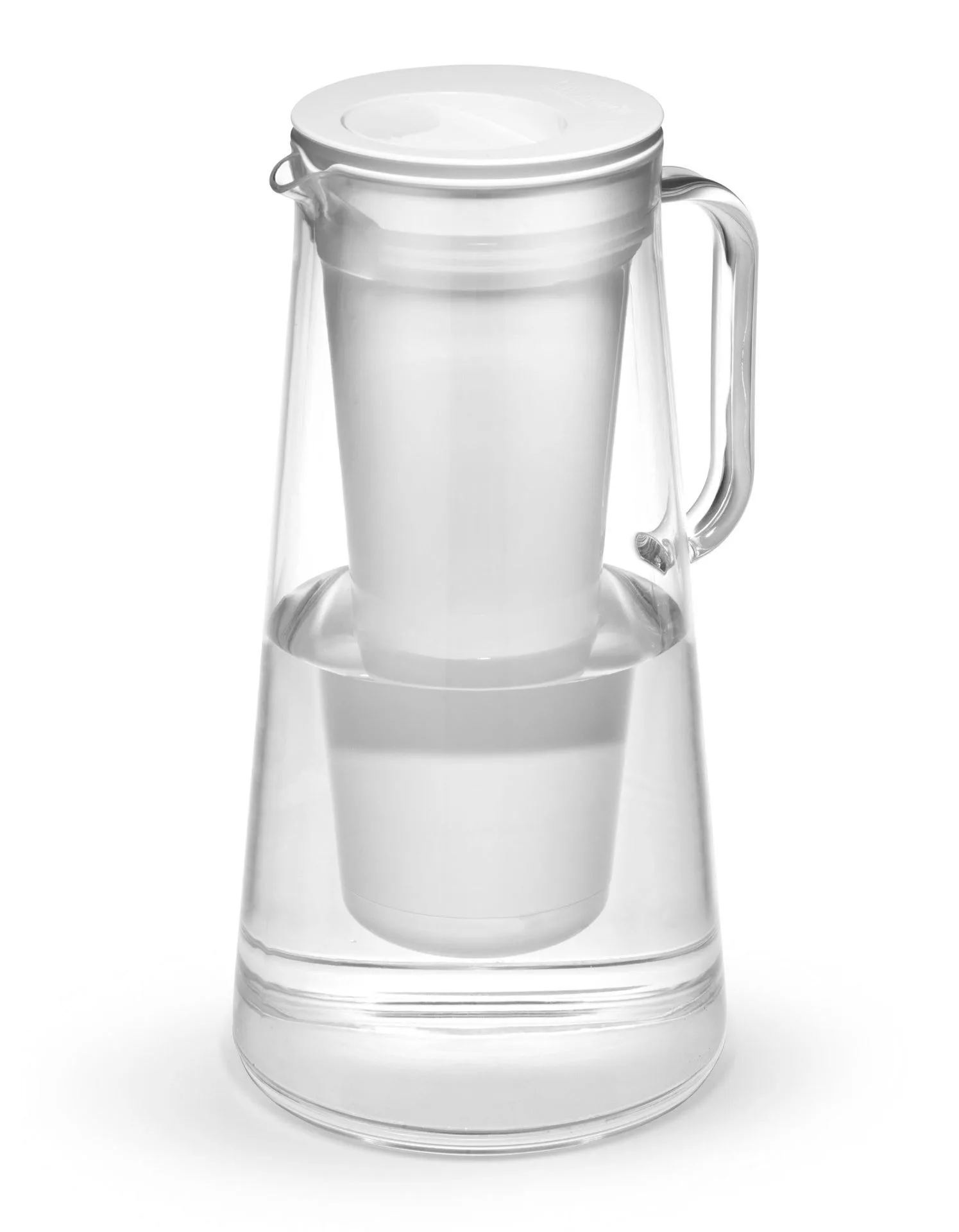
For group camping or emergency family use, gravity systems like the LifeStraw Peak Series Gravity Purifier with virus removal can deliver up to 3 liters per minute, significantly faster because gravity drives water through the filter without manual suction. Home pitchers and countertop units, such as the LifeStraw Home series, typically achieve 0.3–0.5 liters per minute, balancing thorough filtration with a steady pour. Knowing these baseline rates helps you set realistic expectations and choose the right product for your needs.
- LifeStraw Personal Straw: ~0.5 L/min – ideal for solo outdoor use
- LifeStraw Go Series bottles: ~0.3–0.5 L/min – convenient for everyday hydration
- LifeStraw Peak Series Gravity: up to 3 L/min – best for groups or base camps
- LifeStraw Home Pitcher: ~0.3–0.5 L/min – steady flow for kitchen countertop use
Why Does Your LifeStraw Flow Rate Slow Down?
A drop in flow rate is often the first sign that your filter needs attention. The most common cause is physical clogging. Over time, sediment, silt, or organic particles accumulate on the hollow fiber membranes, restricting water passage. If you draw water from murky sources like ponds or rivers without pre-filtering, you may notice a slowdown after just a few uses. Another factor is air bubbles trapped inside the filter, which can block water channels and reduce speed.
Temperature also plays a role. Cold water is more viscous and flows slower through the membrane, so winter camping or high-altitude trips may yield reduced flow rates. Finally, the filter's age and total volume filtered matter. Each LifeStraw filter has a lifespan (typically 1,000 to 4,000 liters depending on the model), and as it nears the end, flow rate naturally declines. Regular maintenance and cleaning can restore performance, but eventual replacement is inevitable.
- Sediment and debris buildup from dirty water sources
- Air pockets inside the filter that need to be purged
- Cold water temperatures increasing water viscosity
- Filter nearing the end of its rated lifespan
How to Maximize Your LifeStraw Flow Rate
To keep your LifeStraw flowing at its best, start with pre-filtration. If your water source is visibly cloudy or contains floating debris, strain it through a cloth, coffee filter, or pre-filter attachment before running it through your LifeStraw. This simple step dramatically reduces clogging and extends filter life. For straw-style filters, backflushing — blowing air or clean water backward through the mouthpiece — can dislodge trapped particles and restore flow.
For gravity systems like the LifeStraw Peak Series Gravity Purifier with virus removal, ensure the dirty water bag is elevated at least 3–4 feet above the clean container to maximize gravitational pressure. Clean the filter regularly by shaking it gently in clean water or using the included cleaning syringe. If you use a LifeStraw Go Series bottle, disassemble and rinse the mouthpiece and straw after each use. Also, store your filter in a cool, dry place when not in use to prevent mold or bacterial growth that can clog pores.
- Pre-filter turbid water through a cloth or coffee filter
- Backflush straw-style filters by blowing air through the mouthpiece
- Elevate gravity systems at least 3 feet for better pressure
- Rinse and dry all components after each use
When to Replace Your LifeStraw Filter for Optimal Speed
Even with meticulous care, every LifeStraw filter has a finite lifespan. When flow rate drops below a usable level despite cleaning, it's time for a replacement. For the LifeStraw Go Series, you can replace the internal microfilter with the LifeStraw Go Series Replacement Membrane Microfilter, which restores original flow performance. For home pitchers, replacing the filter cartridge every 2–3 months (or after 264 liters) ensures consistent speed.
Other models like the LifeStraw Family unit have replaceable cartridges designed for high-volume use. If you notice that cleaning no longer improves flow, or if the filter has reached its rated capacity (check the product manual), do not hesitate to swap it out. A clogged filter not only slows down but may also reduce filtration effectiveness. Keeping a spare replacement on hand, especially during emergencies or extended trips, ensures you never have to compromise on clean water access.
- Replace Go Series microfilter when flow remains slow after cleaning
- Home pitcher cartridges should be changed every 2–3 months
- Check filter lifespan in product manual (e.g., 1,000–4,000 liters)
- Stock spare replacements for emergency kits or long expeditions
Maximizing your LifeStraw flow rate comes down to understanding your model's baseline, maintaining it with simple cleaning habits, and knowing when to replace the filter. Whether you're using a personal straw on a trail or a gravity system at a family campsite, a few proactive steps can keep your water flowing fast and reliably. Explore the LifeStraw Peak Series Gravity Purifier with virus removal for group trips where speed matters, or browse our full collection of filters and replacement parts to keep your gear in top shape.