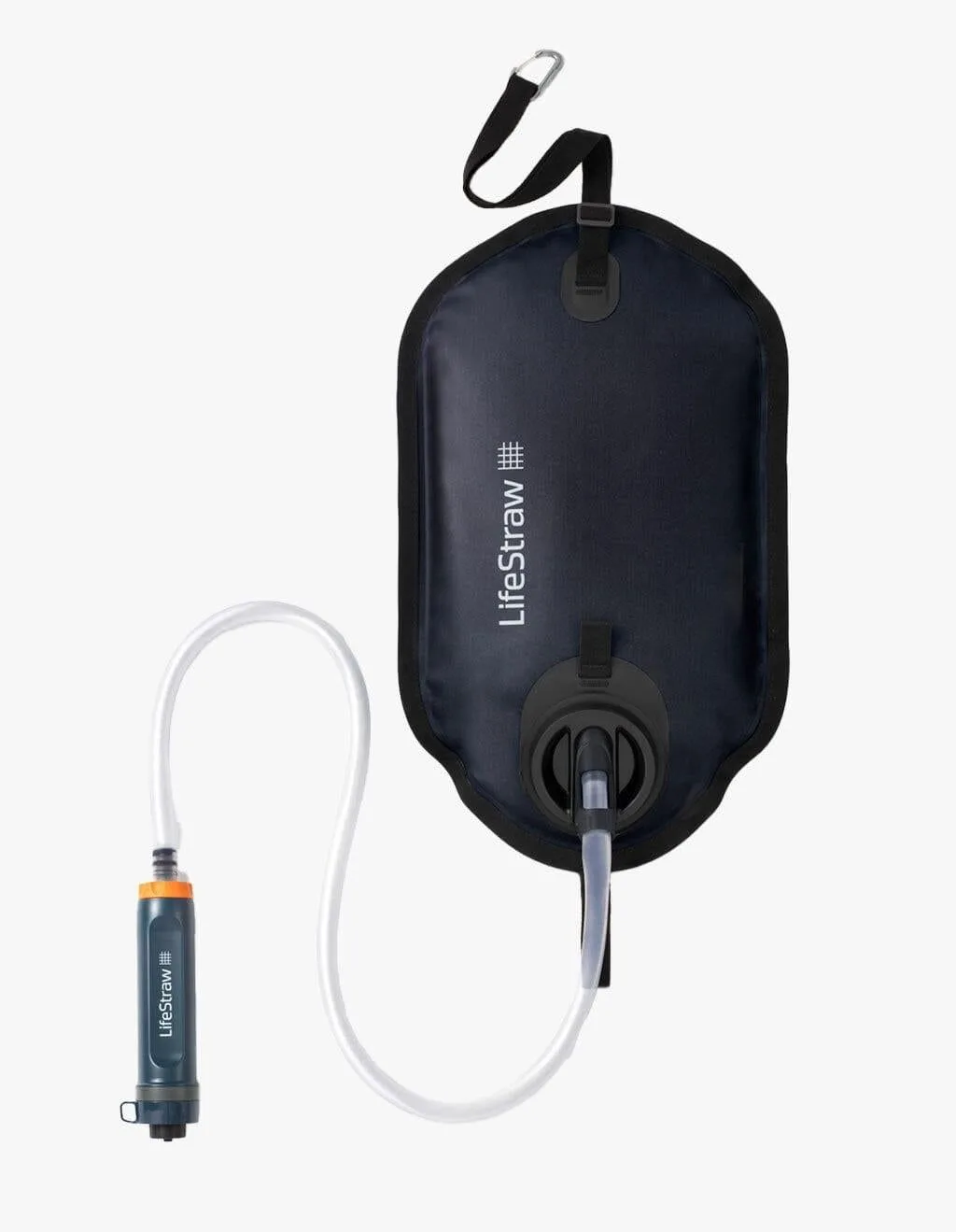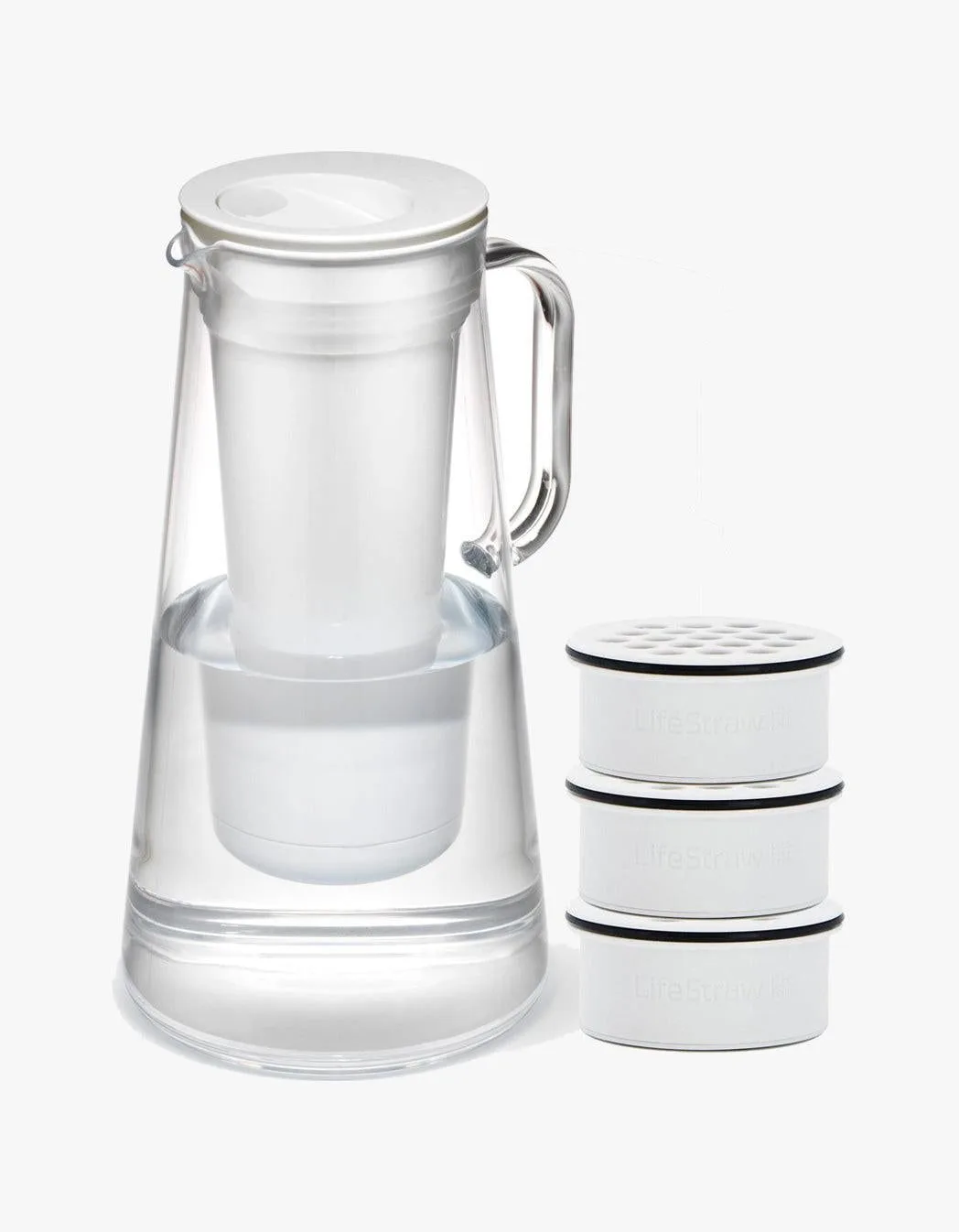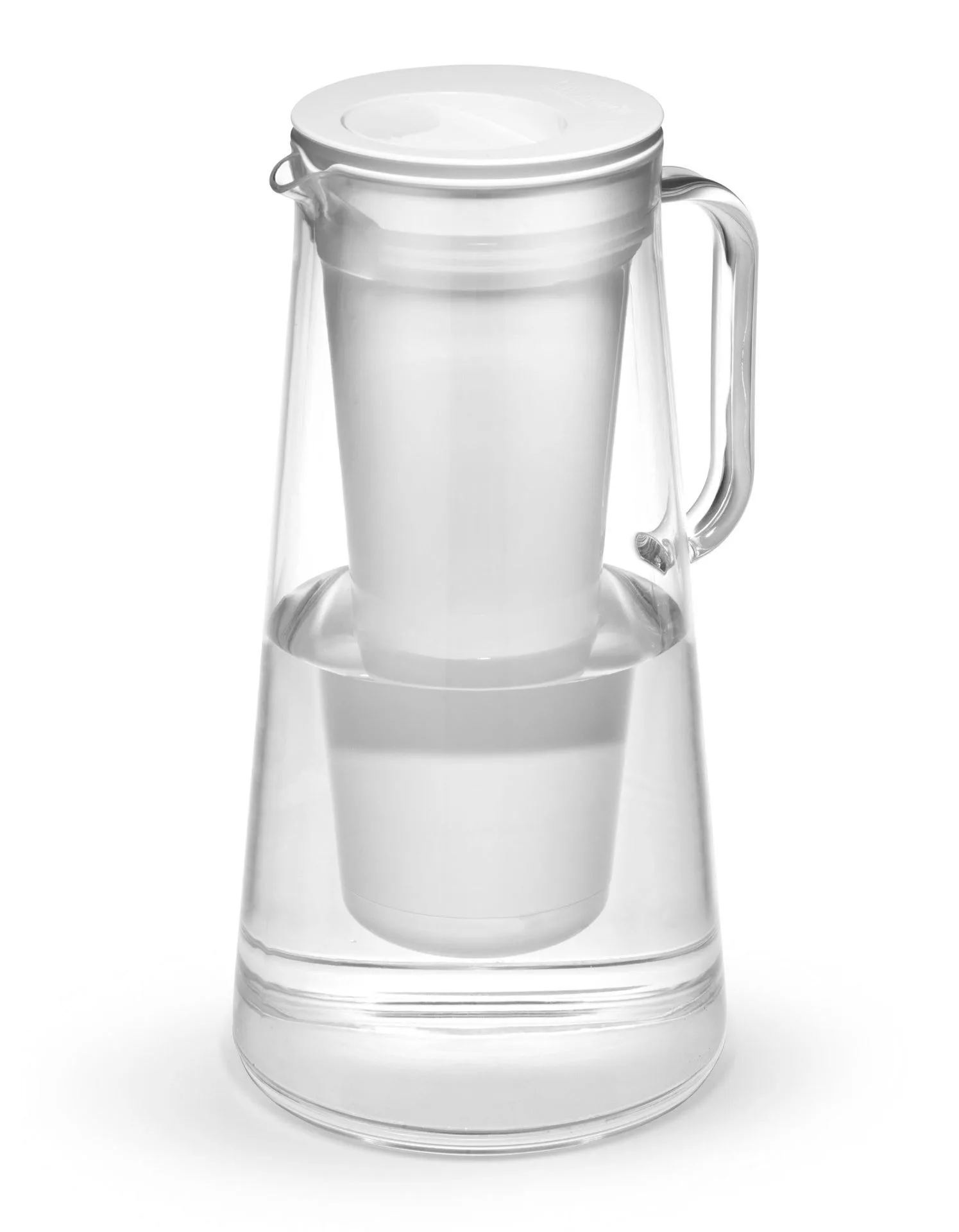
Quick Answer
Avoid common LifeStraw filter replacement mistakes by following the manufacturer's guidelines, using genuine replacement filters, and maintaining proper care. Regularly replace filters as recommended, store them correctly, and never use damaged filters. This ensures optimal performance and extends the life of your LifeStraw.
Replacing your LifeStraw filter seems straightforward, but small mistakes can compromise performance and shorten its lifespan. Whether you're using a personal straw, a gravity purifier, or a home pitcher, understanding the do's and don'ts of filter replacement is key to getting the most out of your investment.
In this article, we debunk common myths and highlight five mistakes that many users make. By avoiding these errors, you'll ensure your LifeStraw continues to provide safe, great-tasting water for years to come.
Mistake 1: Ignoring Replacement Schedules
One of the most common mistakes is not replacing filters on time. Each LifeStraw filter has a specific lifespan, such as the https://outdoorvault.store/products/lifestraw-escape-replacement-carbon-filter-63372LifeStraw Escape Replacement Carbon Filter which lasts about 600 liters (roughly 2 months). Over time, filters become clogged and less effective at removing contaminants, so sticking to the recommended schedule is crucial.
Set a reminder or subscribe to a replacement program to ensure you never miss a change. For example, the Subscription for LifeStraw Home Replacement Filters delivers a new carbon filter every two months, taking the guesswork out of maintenance.
- Mark your calendar with the replacement date when you install a new filter.
- Consider a subscription service for automatic deliveries.
Mistake 2: Using Non-Genuine or Incompatible Filters
Using off-brand or incompatible filters can damage your LifeStraw and reduce filtration efficiency. LifeStraw filters are designed specifically for their devices, ensuring proper fit and performance. For instance, the LifeStraw Escape Membrane Ultrafilter Replacement is engineered with a 0.02-micron membrane to remove 99.99% of viruses, but a generic filter may not offer the same protection.
Always purchase genuine LifeStraw replacement filters from authorized retailers to guarantee safety and compatibility. This also maintains your warranty and ensures the filter meets LifeStraw's quality standards.
- Check the model compatibility before buying a replacement.
- Avoid third-party filters that claim universal fit.
Mistake 3: Incorrect Installation
Improper installation is a frequent error that leads to leaks, poor flow, or even contamination. Each LifeStraw model has specific installation steps. For example, the LifeStraw Family requires careful seating of the membrane filter to prevent bypass. Always read the manual and watch official videos if available.
Take your time during installation. Rushing can cause misalignment, which may allow unfiltered water to pass through. After installing, prime the filter according to instructions to remove air bubbles and activate the filtration media.
- Follow the step-by-step guide provided by LifeStraw.
- Test the filter with clean water before using it in the field.
Mistake 4: Neglecting Cleaning and Maintenance
Many users forget that filters need regular cleaning to maintain flow rate and effectiveness. For instance, the LifeStraw Escape Membrane Ultrafilter Replacement includes a pre-filter that should be rinsed periodically. Neglecting this can cause clogging and reduce the filter's lifespan.
Clean the exterior of your device and the filter housing as recommended. Avoid using harsh chemicals or soaps, as they can damage the filter media. Instead, use clean water and a soft brush if needed.
- Rinse the pre-filter after heavy use.
- Store your LifeStraw in a dry, clean place when not in use.
Mistake 5: Storing Filters Improperly
Storing your LifeStraw or spare filters incorrectly can lead to mold growth or damage. Filters should be kept in a cool, dry place away from direct sunlight. If you store a wet filter, it can develop bacteria, so always dry it thoroughly before storage.
Use a protective case like the LifeStraw Personal Straw Filter Carry Case to shield your straw from bumps and shocks. This not only protects the filter but also extends its lifespan.
- Air-dry filters completely before storing.
- Keep spare filters in their original packaging until needed.
Myth vs. Fact: Common Filter Replacement Claims
- Myth: You can wash and reuse a filter indefinitely.: While some filters have a pre-filter that can be rinsed, the actual filtration media has a finite lifespan. For example, the LifeStraw Escape Carbon Filter lasts only 600 liters. Once exhausted, it cannot be restored. Follow the manufacturer's replacement schedule for optimal performance.
- Myth: All replacement filters are the same.: LifeStraw filters are specifically designed for their devices. Using a non-genuine filter may not fit properly or provide the same level of contamination removal, such as the 0.02-micron filtration in the Escape Membrane Ultrafilter. Always use genuine LifeStraw replacement filters to ensure safety and compatibility.
- Myth: You only need to replace the filter when water tastes bad.: By the time taste deteriorates, the filter may have already lost its ability to remove contaminants. Regular replacement, like every two months for carbon filters, is essential. Set a schedule or subscribe to a replacement program to avoid missing the optimal replacement time.
Product Facts
- Subscription for LifeStraw Home Replacement Filters: Join our LifeStraw Home Replacement Filter Subscription Program today. We'll send you a new carbon filter every two months when it's time to switch it up for fresh-tasting water. No obligation. Modify or cancel your subscription anytime. Available only in the US. No shipping fees apply. This subscription helps you avoid the mistake of forgetting to replace your filter on time, ensuring consistent water quality.
- LifeStraw Escape Membrane Ultrafilter Replacement: Includes pre-filter and 0.02-micron Membrane Ultrafilter. Removes 99.99% of viruses, 99.999999% of bacteria, 99.999% of parasites, and 99.999% of microplastics, sand, dirt and cloudiness. Membrane Ultrafilter lasts 18,000L. Knowing the filter's capacity helps you plan replacements and avoid using a filter past its effective life.
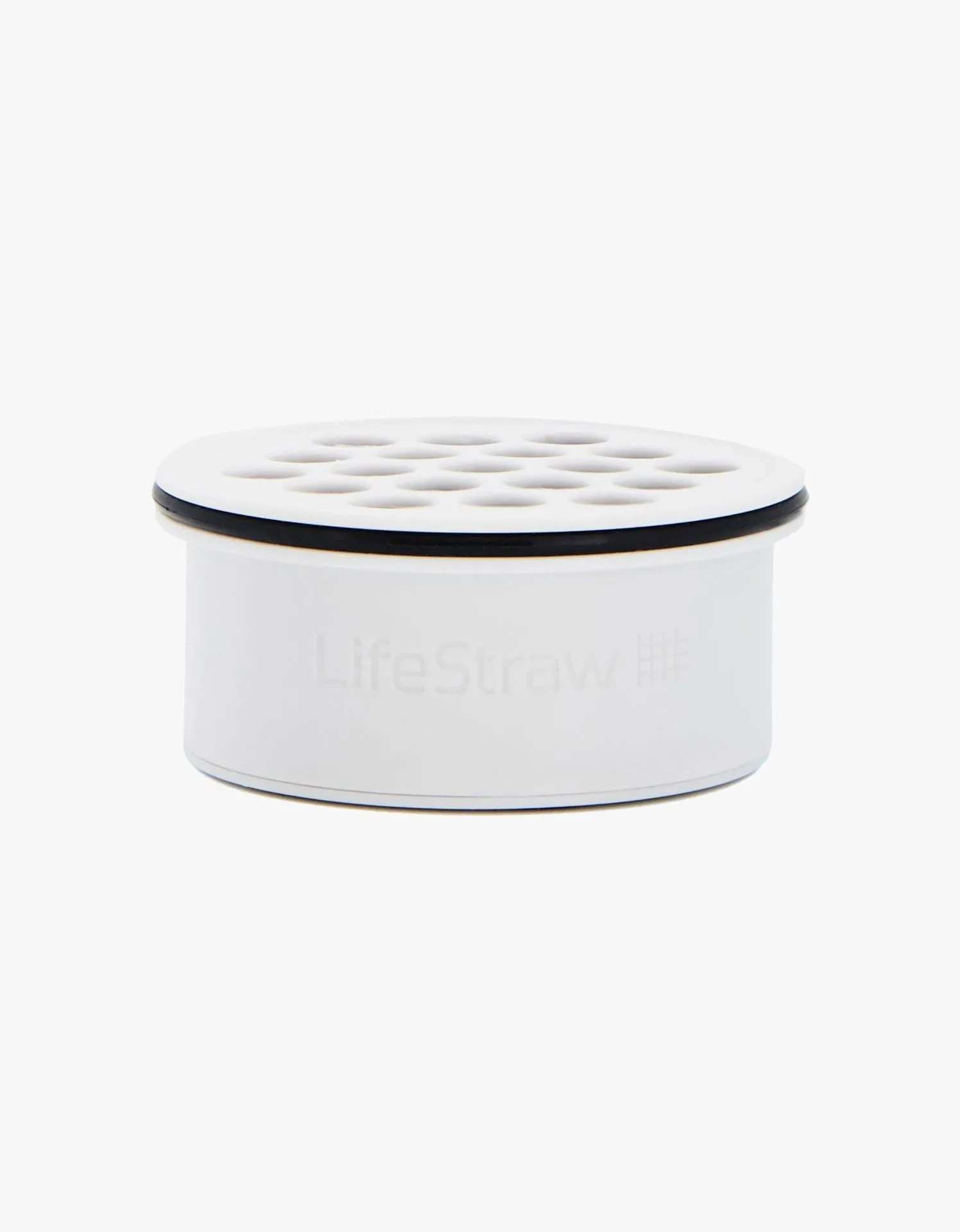
- LifeStraw Escape Replacement Carbon Filter: Includes Activated Carbon + Ion Exchange Replacement Filter. Reduces chlorine, lead, organic matter and improves taste and odor. Lasts 600L (about 2 months). BPA-free, FDA-approved materials. This filter's shorter lifespan highlights the importance of regular replacement to maintain taste and chemical reduction.
Avoiding these common LifeStraw filter replacement mistakes will help you get the most from your water filter, ensuring safe and great-tasting water every time. Remember to follow the manufacturer's guidelines, use genuine parts, and maintain a regular replacement schedule. Your health and peace of mind are worth it.