If you own a LifeStraw Home Pitcher or a LifeStraw Community Dispenser, you'll eventually need to replace the filter. While both filters remove contaminants and improve taste, they are not interchangeable. Understanding the differences between the LifeStraw Home Pitcher replacement filter and the LifeStraw Community replacement filter ensures you buy the correct one and get the best performance.
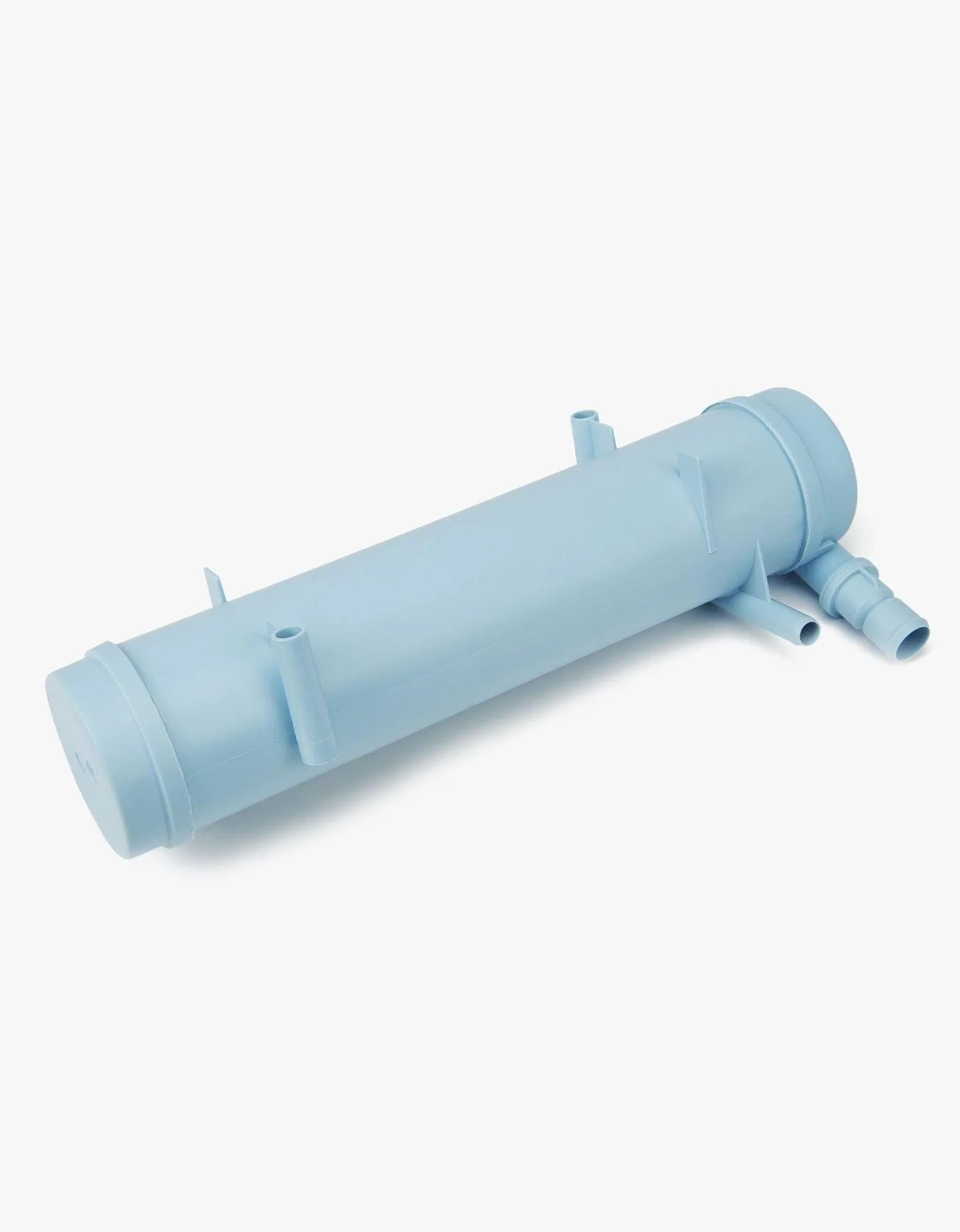
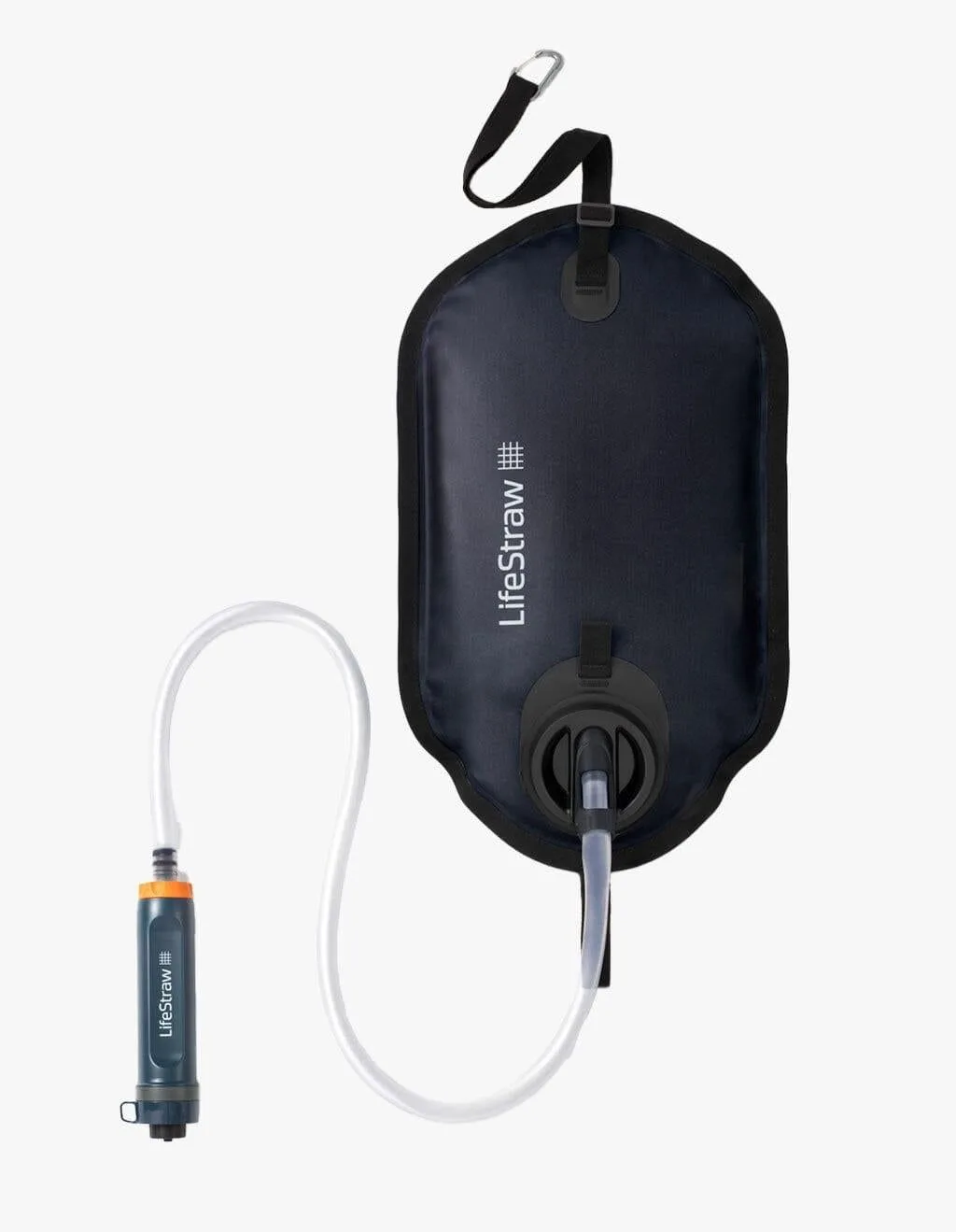
LifeStraw Community replacement filter
This guide breaks down the key distinctions in filtration technology, flow rate, filter lifespan, and compatibility. Whether you're stocking up for your kitchen or preparing for a large household, knowing these details will save you time and money.
Filtration Technology and Contaminant Reduction
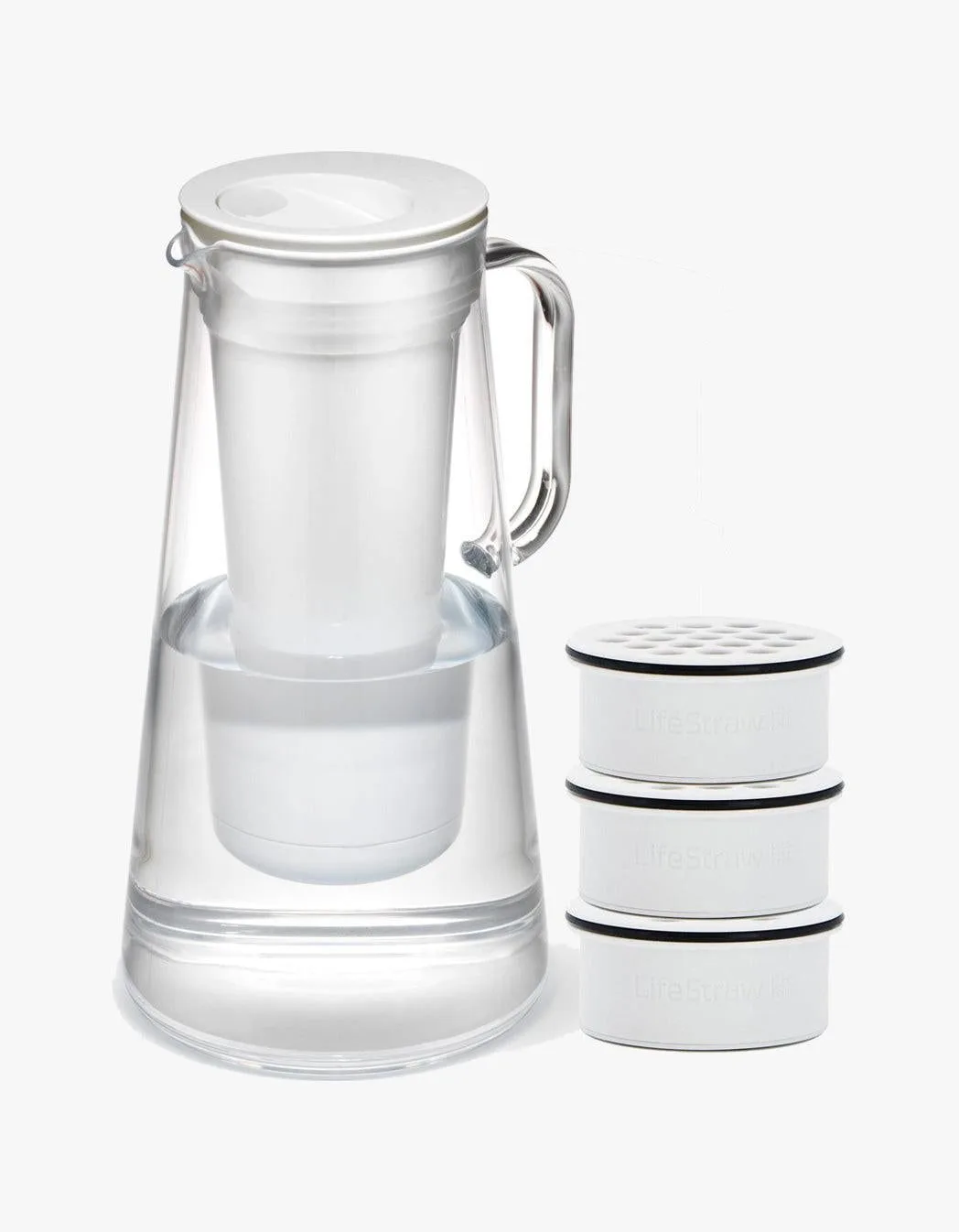
Both filters use advanced hollow fiber membrane technology to reduce bacteria, parasites, and microplastics. However, the LifeStraw Home Pitcher replacement filter is designed for point-of-use gravity filtration, targeting common tap water issues like chlorine taste and odor. It also reduces lead and mercury thanks to an activated carbon core. The LifeStraw Community replacement filter, on the other hand, is built for higher flow rates and longer service life, with a larger membrane surface area. It meets NSF standards for cyst reduction but does not include activated carbon, so it won't improve taste or reduce chemical contaminants as effectively.
If your main concern is improving tap water taste and reducing lead, the Home Pitcher filter is the better choice. For microbiologically unsafe water where taste is secondary, the Community filter excels.
- LifeStraw Home Pitcher: reduces chlorine, lead, mercury, and improves taste.
- LifeStraw Community: focuses on bacteria, parasites, and microplastics; no taste improvement.
Flow Rate and Filter Lifespan
The LifeStraw Home Pitcher replacement filter has a flow rate of about 0.5 liters per minute, which is sufficient for filling a pitcher. It lasts for 264 liters (about 2 months for an average family). In contrast, the LifeStraw Community replacement filter is designed for high-volume use, with a flow rate of 2 liters per minute and a lifespan of 18,000 liters (up to 5 years depending on usage). This makes the Community filter ideal for large families, offices, or emergency preparedness.
Consider your daily water consumption. For a small household, the Home Pitcher filter's shorter lifespan is manageable and cost-effective. For heavy use, the Community filter's longevity and faster flow save frequent replacements.
- Home Pitcher: 264 liters, ~2 months, 0.5 L/min.
- Community: 18,000 liters, up to 5 years, 2 L/min.
Compatibility and Installation
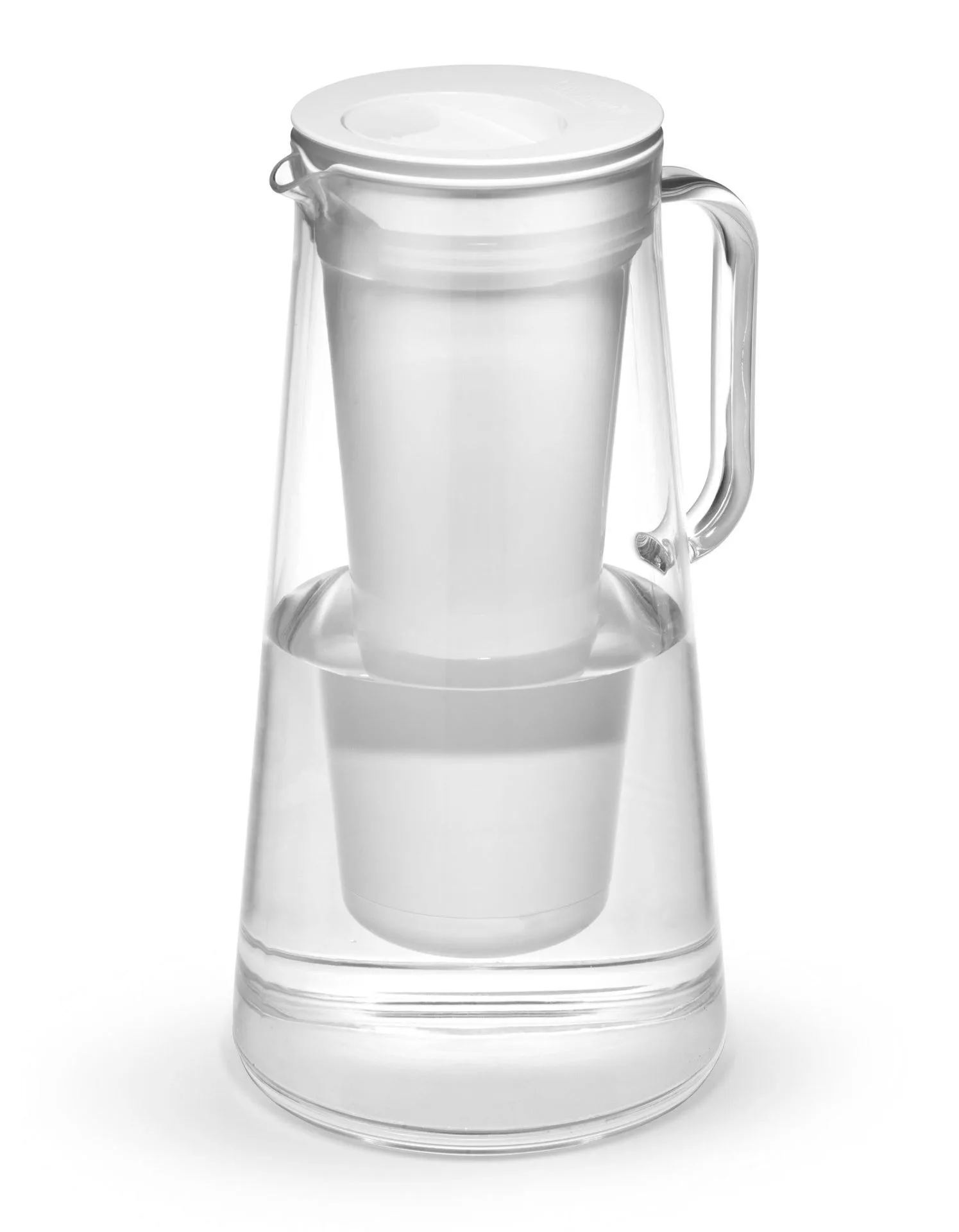
These filters are not cross-compatible. The LifeStraw Home Pitcher replacement filter fits only the LifeStraw Home Pitcher (both glass and plastic versions). The LifeStraw Community replacement filter fits the LifeStraw Community Dispenser and the LifeStraw Family (older model). Installation is straightforward: for the pitcher, simply twist the old filter off and screw on the new one. For the Community dispenser, you need to remove the filter housing and replace the cartridge. Always follow the manufacturer's instructions to avoid leaks.
Before purchasing, double-check your device model. If you own a LifeStraw Home Pitcher, do not buy a Community filter—it won't fit. Similarly, the Community filter is the only option for the Community Dispenser.
- Always verify your device model before ordering a replacement filter.
- LifeStraw Home Pitcher filters are not compatible with Community Dispensers.
Choosing between the LifeStraw Home Pitcher replacement filter and the LifeStraw Community replacement filter comes down to your specific needs. For everyday tap water improvement with better taste, the Home Pitcher filter is ideal. For high-volume, long-term microbiological protection, the Community filter is the workhorse. Both are reliable, but they serve different purposes—so pick the one that matches your water source and usage pattern.