Choosing the right water filter for your home can feel overwhelming, especially when you’re deciding between a pitcher and a countertop model. LifeStraw offers both, each designed to remove contaminants while fitting different lifestyles and kitchen spaces. In this comparison, we’ll break down the key differences between the LifeStraw Home Pitcher and countertop filter options, so you can make an informed choice.
Whether you’re filtering tap water for daily drinking or prepping for emergencies, understanding capacity, filtration speed, and ease of use is essential. We’ll also highlight two popular products from the LifeStraw lineup—the LifeStraw Home 7-Cup Plastic and the LifeStraw Go Series 22 oz—to give you concrete examples of what works best in various scenarios.
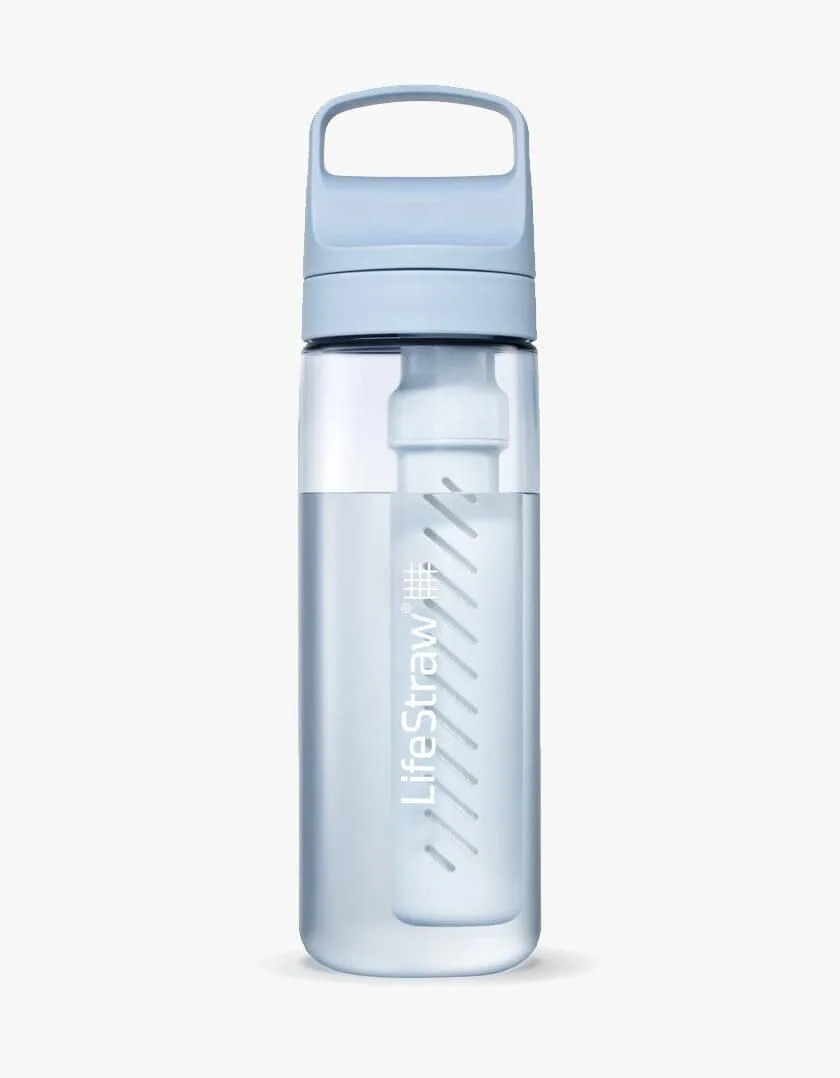
LifeStraw Go Series 22 oz
Design and Capacity: Pitcher vs. Countertop
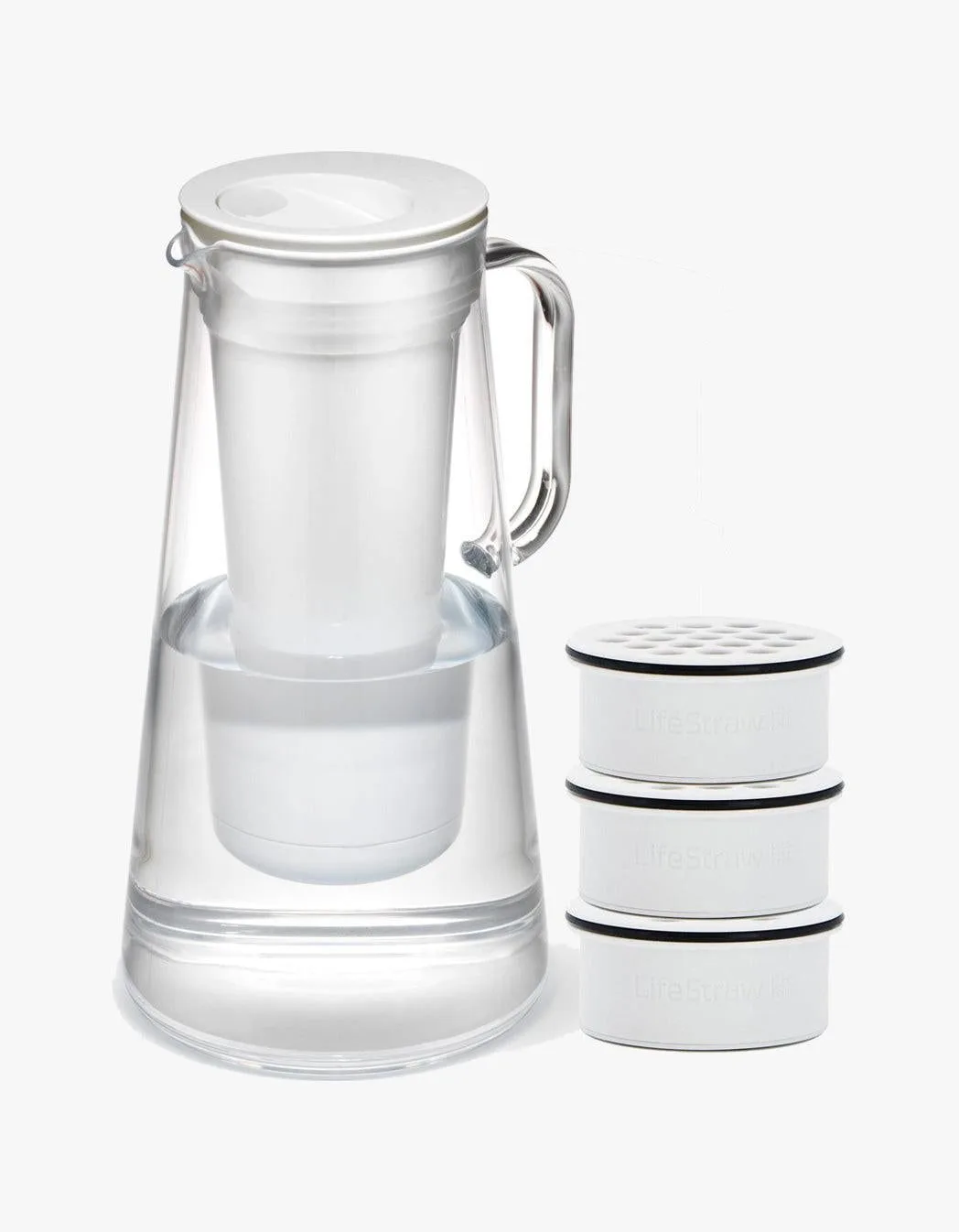
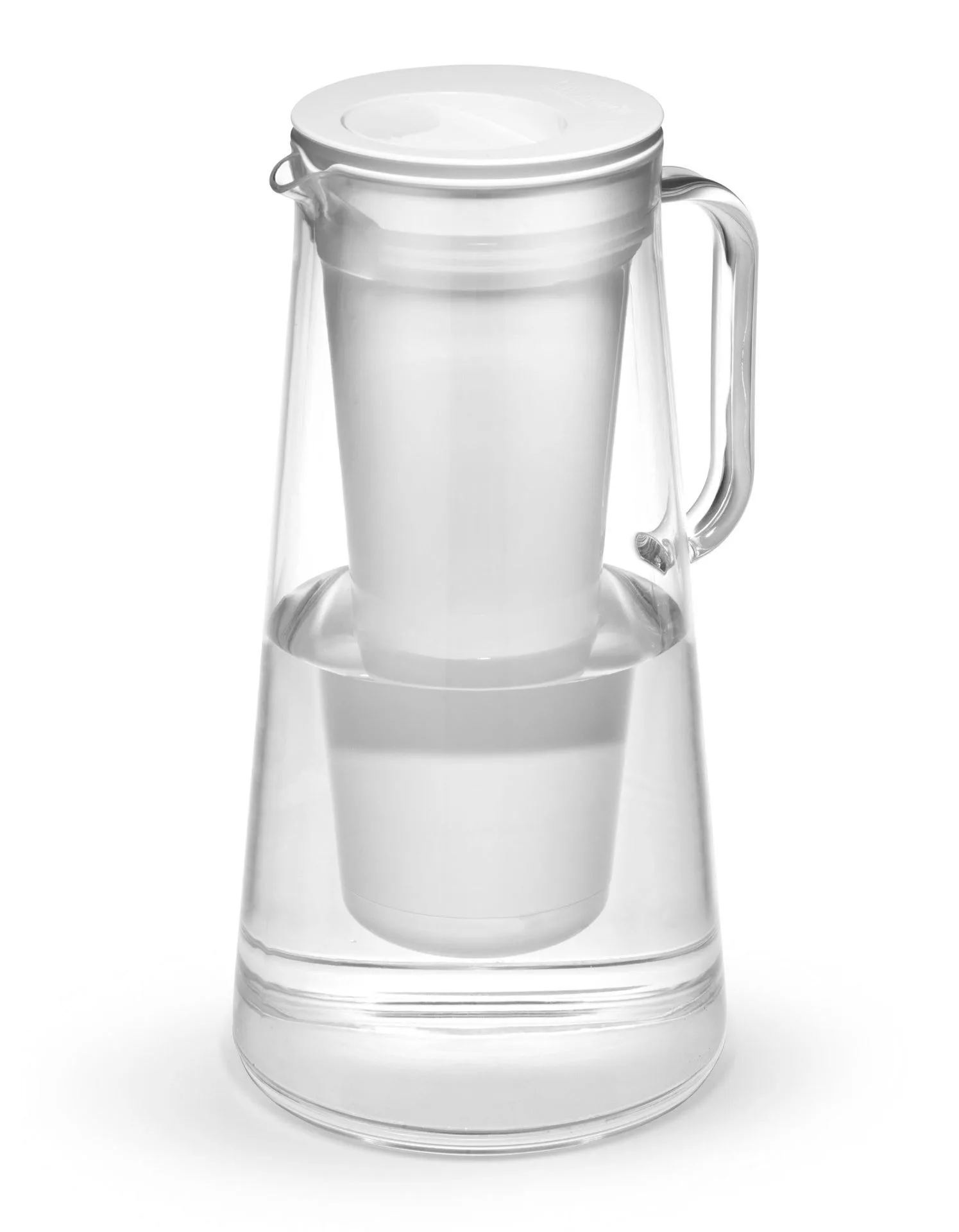
The most obvious difference between a pitcher and a countertop filter is size and how they integrate into your kitchen. A pitcher like the LifeStraw Home 7-Cup Plastic is compact, fits neatly in your refrigerator, and is ideal for individuals or small families. Its 7-cup capacity means you can filter enough water for daily drinking without taking up much counter space.
Countertop filters, by contrast, are larger and sit directly on your kitchen counter. They often have higher capacities—some models hold up to 10 cups or more—and can filter water faster because they don’t rely on gravity alone. If you have a busy household or entertain frequently, a countertop unit might be a better fit. However, it requires dedicated counter space and may need a separate faucet or connection.
- Pitcher: Best for small spaces, easy to store in fridge.
- Countertop: Higher capacity, faster flow, but takes up counter space.
Filtration Technology and Contaminant Removal
Both pitcher and countertop filters from LifeStraw use advanced filtration to reduce common contaminants like chlorine, lead, mercury, and sediment. The LifeStraw Home 7-Cup Plastic uses a carbon filter that effectively improves taste and odor while trapping particles. For those who need a portable option, the LifeStraw Go Series 22 oz offers similar filtration in a travel-friendly bottle.
Countertop filters often incorporate multiple stages, including sediment pre-filters and activated carbon blocks, to handle higher volumes of water. While both types meet NSF standards for reducing specific contaminants, countertop models may have a longer filter lifespan due to their larger capacity. If you’re concerned about long-term cost and filter replacement frequency, the countertop option might save you time and money.
- Both reduce chlorine, lead, and sediment.
- Countertop filters typically have longer filter life.
- Portable options like the Go Series 22 oz are great for on-the-go.
Ease of Use and Maintenance
Pitchers are incredibly simple to use: fill the top chamber, let gravity do the work, and pour. The LifeStraw Home 7-Cup Plastic requires no installation and can be used immediately. Cleaning is straightforward—just wash the pitcher and replace the filter every 2-3 months depending on usage.
Countertop filters may require a bit more setup, such as attaching a diverter valve to your faucet or installing a separate spigot. Once installed, they offer continuous filtered water on demand. Maintenance involves replacing the filter cartridge periodically, which is similar to pitcher filters but often less frequent. For those who prefer a no-fuss solution, the pitcher wins on simplicity.
- Pitcher: No installation, easy to clean.
- Countertop: Requires setup but offers on-demand filtration.
- Filter replacement intervals vary; check product specs.
Cost and Value Over Time
Initial cost is a key factor. A pitcher like the LifeStraw Home 7-Cup Plastic is generally more affordable upfront than a countertop system. Replacement filters for pitchers are also inexpensive and widely available. Over a year, the total cost of ownership can be quite low.
Countertop filters have a higher initial price but may offer better value for larger households because they filter more water per minute and have longer-lasting filters. If you’re looking for a starter pack to try both styles, the LifeStraw Go Series 22 oz is a versatile entry point that can be used at home or on the trail. Weigh your budget and daily water consumption to decide which option makes sense for you.
- Pitcher: Lower upfront cost, easy to maintain.
- Countertop: Higher initial investment but better for heavy use.
- Consider filter replacement frequency in long-term cost.
Ultimately, the choice between a LifeStraw Home Pitcher and a countertop filter comes down to your kitchen space, daily water needs, and preference for convenience. If you value simplicity and portability, the LifeStraw Home 7-Cup Plastic is a reliable, affordable option. For larger families or those who want faster filtration, a countertop model may be worth the investment. Explore the LifeStraw Home 7-Cup Plastic today and enjoy cleaner, better-tasting water straight from your tap.