When you're planning a group camping trip or preparing for a natural disaster, access to clean drinking water is non-negotiable. LifeStraw offers two heavy-duty gravity water filters designed for high-volume use: the LifeStraw Mission and the LifeStraw Community. Both are built to handle large groups, but they differ in capacity, flow rate, and intended use. This comparison will help you decide which one fits your needs best.
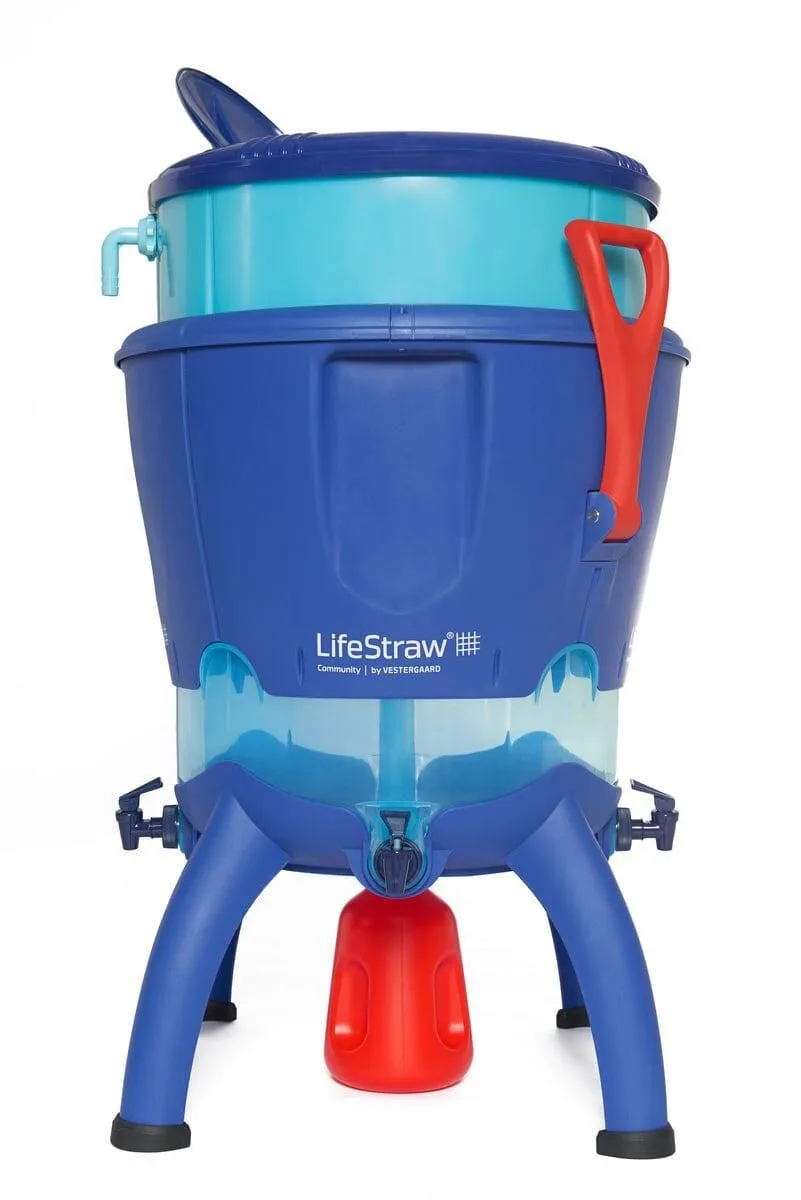
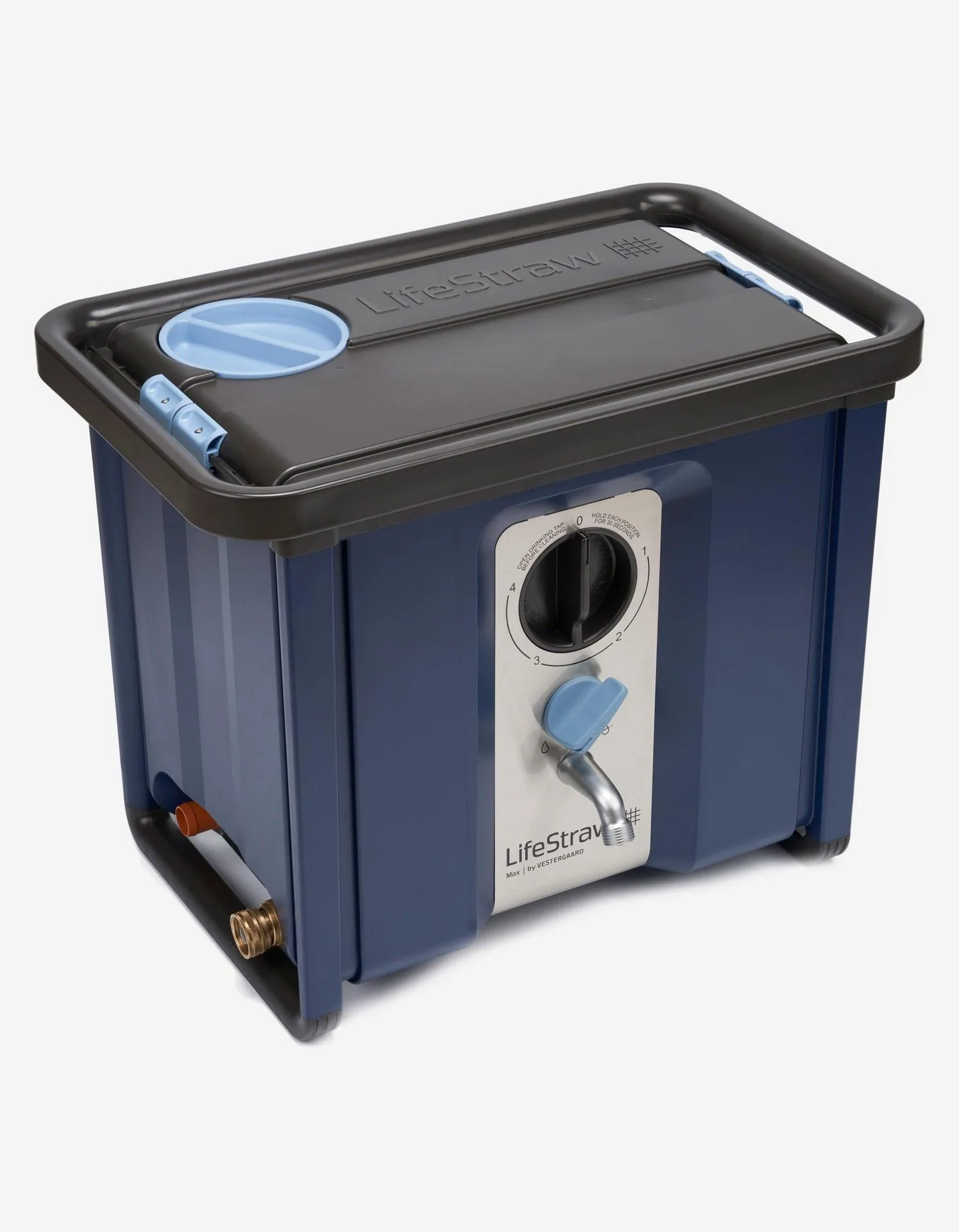
LifeStraw Community
We'll dive into key features like filter lifespan, purification speed, portability, and ease of maintenance. Whether you're leading a scout troop, organizing a family reunion at a remote campsite, or equipping an emergency shelter, understanding these differences will ensure you choose the right tool for the job.
Capacity and Flow Rate: Which Filters Faster?
The LifeStraw Mission is designed to filter up to 12 liters per hour, making it ideal for small to medium-sized groups of 4-8 people. It uses a 5-liter dirty water bag and a 12-liter clean water bag, giving you a solid balance between portability and output. The hollow fiber membrane technology removes 99.9999% of bacteria and 99.9% of protozoa, so you can trust the water even from questionable sources.
The LifeStraw Community, on the other hand, is a beast. It filters up to 18 liters per hour and comes with a 10-liter dirty water bag and a 20-liter clean water bag. This is perfect for larger groups of 10-20 people or for disaster relief sites where water demand is high. Its flow rate is significantly faster, and the filter lasts for up to 100,000 liters—nearly 10 times the lifespan of the Mission's 20,000-liter filter. If you need heavy-duty, long-term filtration, the Community wins hands down.
- LifeStraw Mission: 12 L/hr, 20,000-liter filter lifespan, 5L/12L bags
- LifeStraw Community: 18 L/hr, 100,000-liter filter lifespan, 10L/20L bags
Portability and Setup: Ease of Use in the Field
Both filters are gravity-fed, so no pumping or electricity is required. The LifeStraw Mission is more compact and lightweight (about 1.5 pounds), making it easier to pack in a backpack or duffel for camping trips. Its simple setup involves hanging the dirty water bag, attaching the filter hose, and letting gravity do the work. It's also compatible with standard water bottles, so you can refill directly.
The LifeStraw Community is bulkier (around 3 pounds) and requires a sturdy tree branch or hook to hang the larger bags. Setup is still straightforward, but the extra size means it's better suited for base camps, RVs, or emergency shelters rather than backpacking. However, its robust construction and high-capacity bags make it a workhorse for stationary use. For disaster relief, where you might be setting up a water station for hours, the Community's durability is a major plus.
- Mission: 1.5 lbs, compact, backpack-friendly, easy to hang
- Community: 3 lbs, larger bags, best for stationary base camps or shelters
Filter Replacement and Maintenance: Long-Term Costs
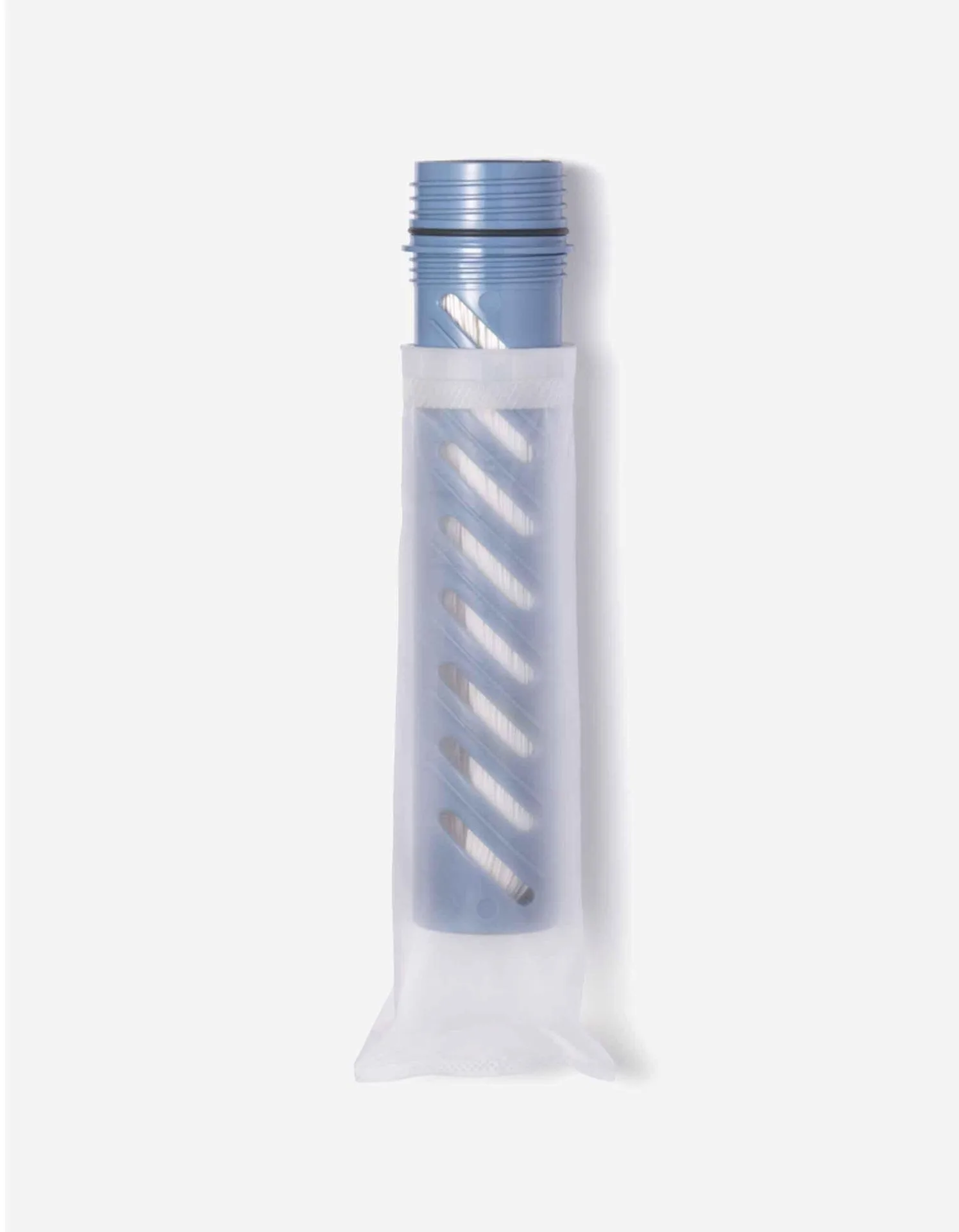
Maintenance is straightforward for both models. The LifeStraw Mission uses a replaceable membrane filter that you can backwash to extend its life. When it's time to swap, you'll need a new membrane—available as the LifeStraw Peak Series Membrane Replacement Filter. This filter is easy to replace in the field, but you'll need to carry a spare for extended trips.
The LifeStraw Community's filter lasts up to 100,000 liters, which means years of use for most groups. It also has a pre-filter that catches larger particles, reducing clogging and extending the main filter's life. Replacement is less frequent, but when needed, you'll want to have the correct parts on hand. Both filters are BPA-free and meet EPA standards for microbiological water purifiers.
- Mission: replace membrane every 20,000 liters; backwashable
- Community: replace filter every 100,000 liters; includes pre-filter
Group Size and Use Case Scenarios
For a family camping trip with 4-6 people, the LifeStraw Mission is more than sufficient. It filters water quickly enough for drinking, cooking, and cleaning dishes. Its lighter weight means you can take it on hiking trips or move it around camp easily. If you're leading a larger group or running a disaster relief operation, the LifeStraw Community is the better investment. Its higher flow rate and massive capacity reduce wait times and ensure everyone stays hydrated.
Consider also that the LifeStraw Community can be paired with multiple units for even larger gatherings. For example, two Community filters can provide 36 liters per hour, enough for 40+ people. The Mission can also be daisy-chained, but its lower output makes it less practical for very large groups. In a disaster scenario, where water sources may be contaminated for weeks, the Community's longevity and reliability are critical.
- Mission: best for 4-8 people, camping, backpacking
- Community: best for 10-20 people, disaster relief, base camps
Durability and Build Quality
Both filters are built to withstand rough conditions. The LifeStraw Mission uses a rugged, impact-resistant plastic housing and silicone hoses that won't crack in cold weather. The bags are made from durable, puncture-resistant material. The LifeStraw Community steps up with even thicker bag material and reinforced seams, designed for repeated use in challenging environments like refugee camps or flood zones.
The Community also includes a carry handle and a wider hose for faster flow. While both are field-maintainable, the Community's pre-filter is easier to clean, reducing downtime. If you expect extreme conditions—muddy water, debris, or frequent movement—the Community's extra durability justifies its higher price tag.
- Mission: impact-resistant, silicone hoses, puncture-resistant bags
- Community: thicker bags, reinforced seams, pre-filter for debris
Price and Value: Which Offers Better Bang for Your Buck?
The LifeStraw Mission is more affordable, typically priced under $100, making it accessible for most families and small groups. Its 20,000-liter filter lifespan is plenty for regular camping use over several years. The LifeStraw Community costs significantly more—often $200-$250—but its 100,000-liter filter lifespan and higher flow rate deliver exceptional value for high-volume users. Over its lifetime, the Community actually costs less per liter filtered.
If you're a frequent group camper or part of a volunteer disaster relief team, the Community pays for itself in reduced replacement costs and time saved. For occasional use, the Mission is a smarter buy. Also consider that both filters can use the LifeStraw Go Series Replacement Caps for bottle compatibility, but the Community's larger bags are better suited for bulk water storage.
- Mission: ~$90, 20,000 liters, best for occasional group use
- Community: ~$230, 100,000 liters, best value for high-volume use
Choosing between the LifeStraw Mission and LifeStraw Community ultimately depends on your group size and usage frequency. For most family campers and small groups, the Mission offers an excellent balance of portability, performance, and price. But if you're preparing for disaster relief or leading large expeditions, the Community's superior flow rate and longevity make it the clear winner. Explore the LifeStraw Peak Series Membrane Replacement Filter to keep your Mission running strong, or check out the Community model for heavy-duty needs—either way, you're investing in reliable, life-saving clean water.