When you're packing for a backcountry adventure or building an emergency kit, choosing the right water purification method can feel overwhelming. Two of the most popular portable options are hollow fiber membrane filters like LifeStraw and UV light purifiers. Each has passionate advocates, but they work in fundamentally different ways and excel in different scenarios.
This guide breaks down the strengths and weaknesses of LifeStraw vs. UV purifiers for travel and emergency use. We'll compare filtration speed, maintenance needs, battery dependency, and reliability against common waterborne pathogens. By the end, you'll know which system fits your specific needs—and why many savvy travelers actually carry both.
How LifeStraw Filters Work vs. UV Purifiers
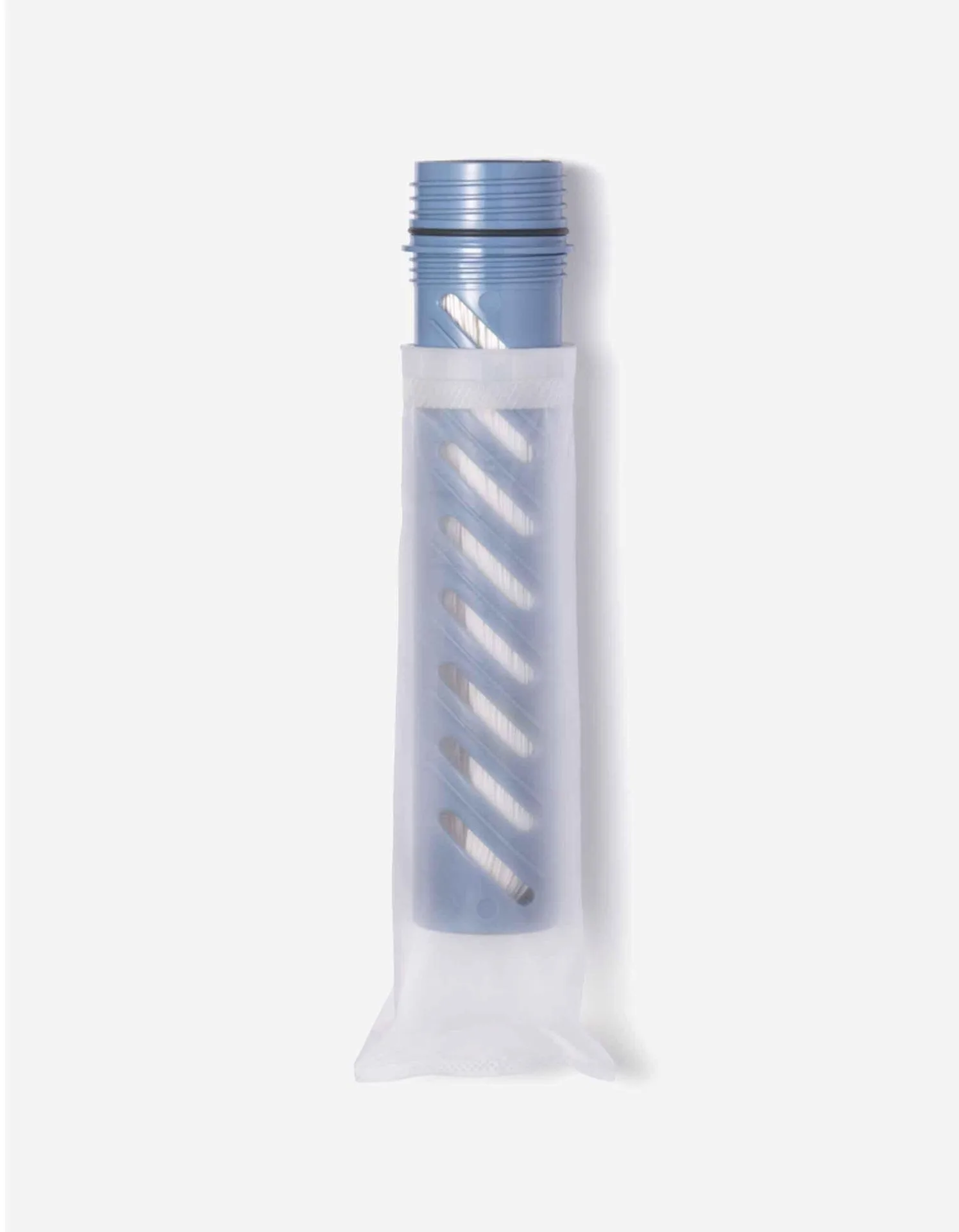
LifeStraw uses hollow fiber membrane technology with microscopic pores (0.2 microns) that physically block bacteria, protozoa, and parasites. No batteries, no chemicals, no waiting—just sip or squeeze water through the filter. This mechanical filtration is instantly effective and requires zero power, making it ideal for emergencies where electricity is unavailable.
UV purifiers, such as the SteriPEN, use ultraviolet light to damage the DNA of microorganisms, rendering them unable to reproduce. They are highly effective against viruses (which LifeStraw does not remove), but they need batteries, a clear water sample, and proper exposure time. If the water is cloudy, pre-filtration is often required for UV to work reliably.
- LifeStraw filters remove bacteria and protozoa immediately; UV also kills viruses but requires batteries and clear water.
Speed and Convenience in the Field
For quick hydration on the trail, few things beat the simplicity of a LifeStraw Go Series 1L bottle. You fill it from a stream, screw on the cap, and drink directly through the integrated straw filter. There is no wait time, no button to press, and no risk of dead batteries leaving you thirsty. This instant gratification is a major advantage when you are tired and need water now.
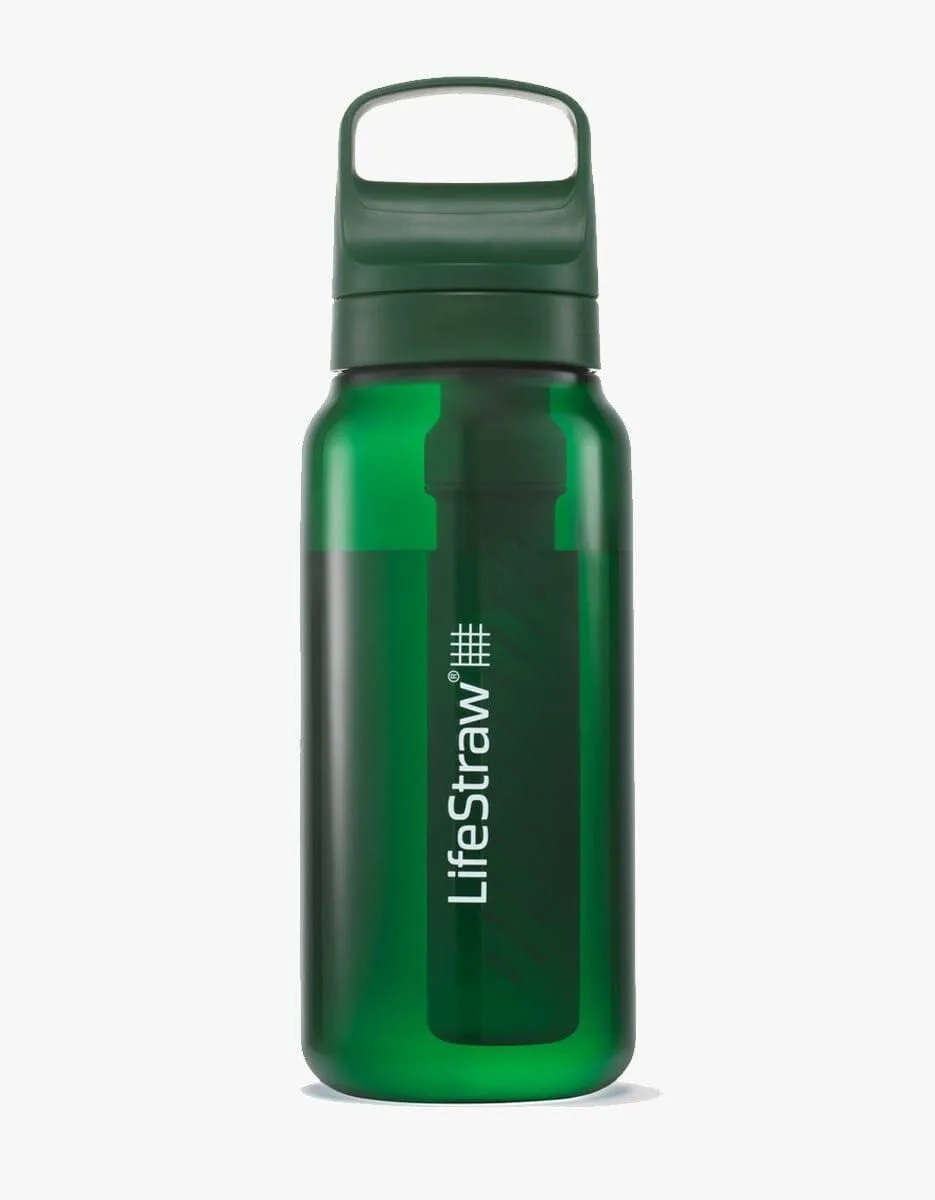
LifeStraw Go Series 1L
UV purifiers typically take 30 to 90 seconds to treat a full bottle, and you must stir the device to ensure all water is exposed. While fast, this process still requires a conscious action and a charged device. In cold weather, battery life can drop significantly, and in a panic situation, fumbling with electronics can be a liability.
- Tip: For emergency kits, choose a LifeStraw filter—it works every time without power.
Maintenance and Long-Term Costs
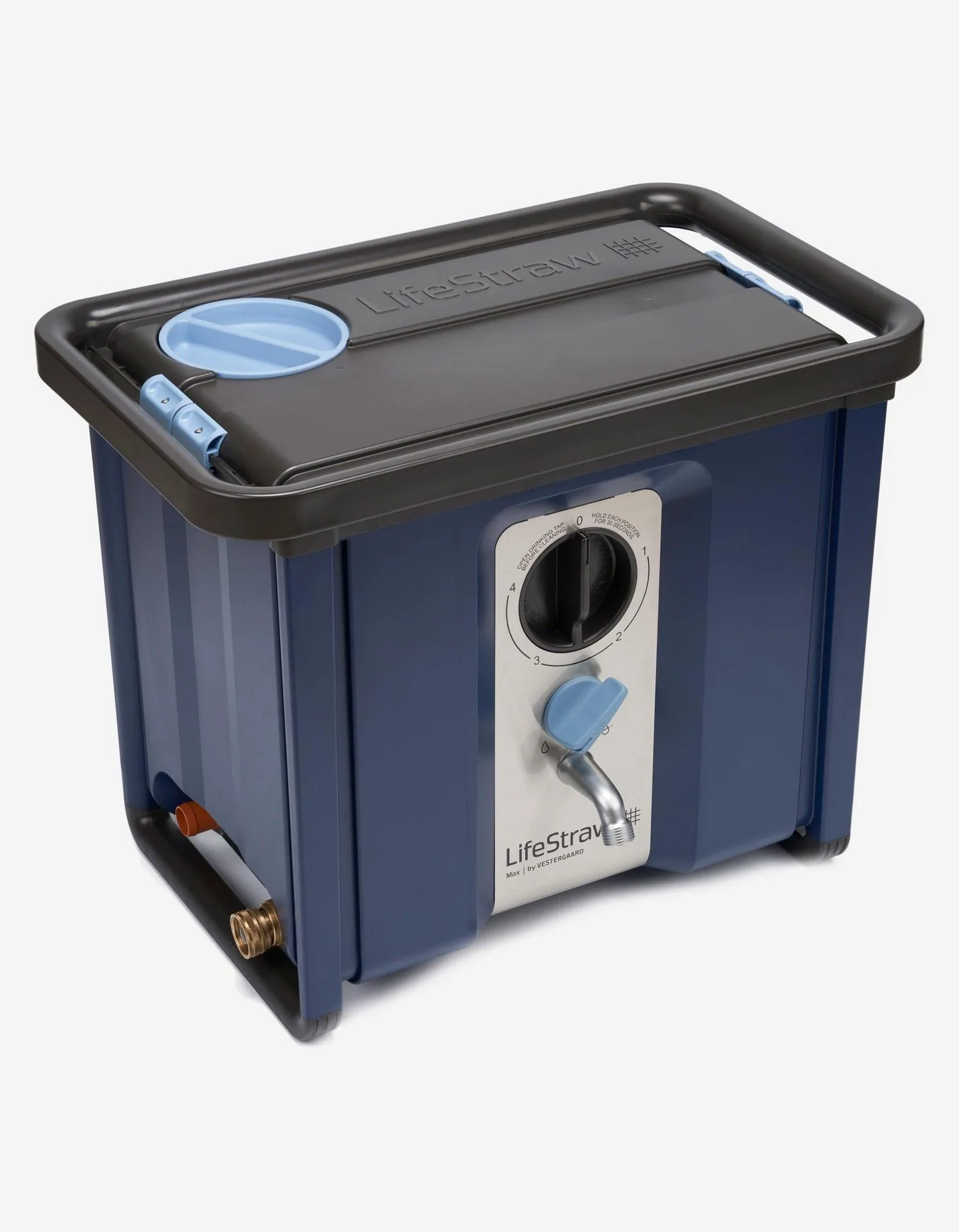
LifeStraw filters have a finite lifespan, typically around 1,000 gallons for the LifeStraw Go Series 22 oz or 1L models. When the filter slows down, you replace the cartridge. The https://outdoorvault.store/products/lifestraw-max-replacement-filters-63322LifeStraw Max Replacement Filters are designed for high-volume use and can be backwashed to extend life, but eventually all mechanical filters need swapping. Replacement costs are moderate and predictable.
UV purifiers last longer in terms of bulb life (often 8,000+ treatments), but they require regular battery replacements or recharging. If you use rechargeable batteries, you need a power source—problematic in remote areas. Additionally, UV bulbs can break if dropped, and the device may fail if the water is turbid. Over years of use, UV systems can be more expensive due to battery and bulb replacements.
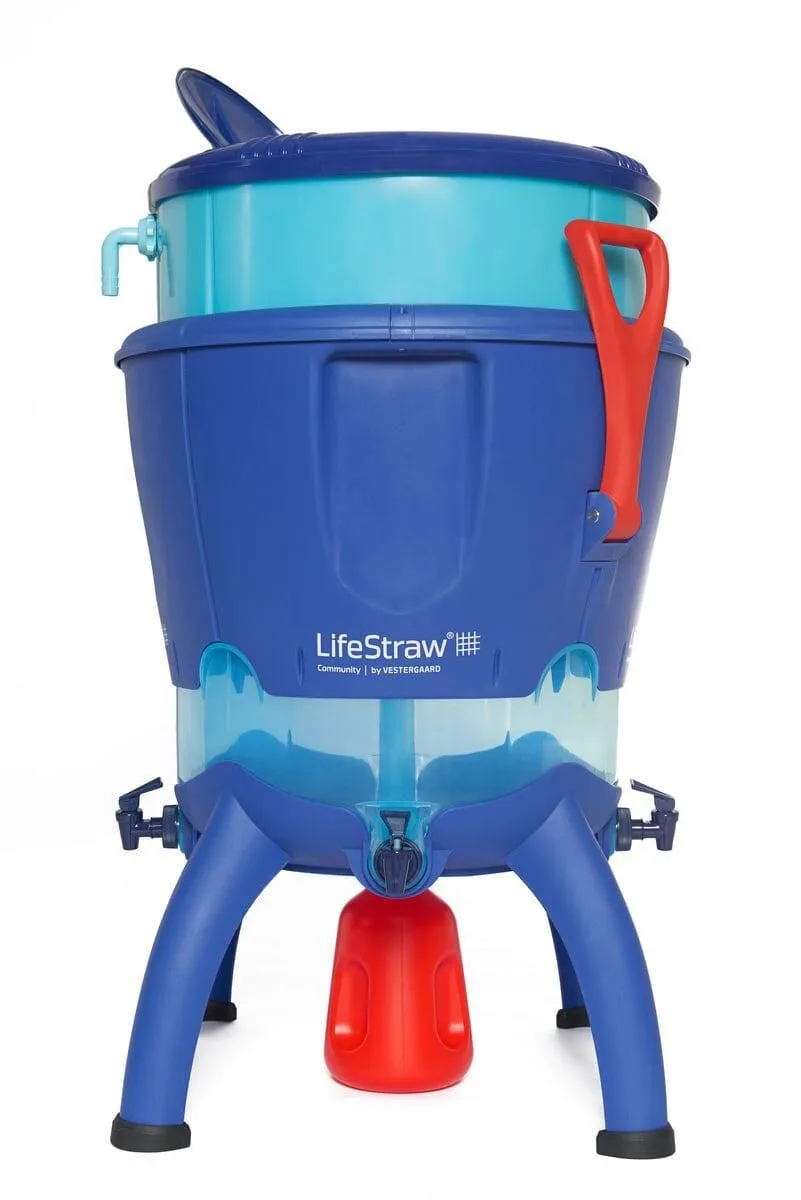
- LifeStraw filters require no batteries and have simple, low-cost replacements like the LifeStraw Community Replacement Filter for group use.
Virus Removal: The Critical Difference
The most significant technical difference between LifeStraw and UV purifiers is virus removal. LifeStraw's 0.2-micron pores block bacteria and protozoa but do not stop viruses, which are much smaller. In most North American and European wilderness areas, viruses are not a major concern, but in developing countries or after flooding, viruses like hepatitis A or norovirus can be present.
UV purifiers effectively inactivate viruses, making them a better choice for international travel to regions with poor sanitation. However, many travelers combine a LifeStraw for bulk filtration (to remove sediment and larger pathogens) with a UV pen for final viral protection. This layered approach offers the broadest protection without relying solely on one technology.
- If you travel to areas with viral risks, consider pairing a LifeStraw filter with a UV purifier for comprehensive safety.
Emergency and Survival Scenarios
In a true emergency—power outage, natural disaster, or wilderness survival—reliability trumps all other features. A LifeStraw filter requires no electricity, no batteries, and no special preparation. You can drink directly from a muddy puddle (though pre-filtering helps extend filter life). The LifeStraw Escape is a rugged, compact option designed specifically for emergency kits and bug-out bags.
UV purifiers are more fragile and dependent on power. If your batteries die or the bulb breaks, you have no way to treat water. For this reason, most emergency preparedness experts recommend a mechanical filter as your primary tool, with a UV device as a backup or secondary treatment for viruses. The peace of mind that comes from a device that always works is invaluable when help is far away.
- For emergency kits, prioritize a battery-free filter like the LifeStraw Go Series Stainless Steel 18 oz for durability and zero power needs.
Choosing between LifeStraw and a UV purifier doesn't have to be an either/or decision. For most travelers and emergency preppers, a LifeStraw filter provides the best baseline protection—instant, reliable, and independent of power. If you need virus protection for international travel, add a UV pen to your kit. Start with a trusted mechanical filter like the LifeStraw Go Series 1L and build your water purification system from there. Explore the LifeStraw Go Series 1L today and enjoy safe, simple hydration wherever you go.