When you're miles from the nearest tap, every drop of water you drink needs to be safe. Backpackers have long relied on two primary methods for treating backcountry water: mechanical filters like LifeStraw and chemical purification tablets. But which one is truly better for your next adventure? The answer depends on water conditions, trip duration, weight, and personal preference. In this head-to-head comparison, we'll break down the key differences between LifeStraw and water purification tablets so you can make an informed choice.
Both options are lightweight, portable, and effective against most waterborne pathogens. However, they work in fundamentally different ways. LifeStraw uses a hollow fiber membrane to physically remove bacteria, protozoa, and microplastics, while purification tablets release chemicals like chlorine dioxide or iodine to kill or inactivate viruses and bacteria. Understanding these mechanisms is crucial for selecting the right tool for your specific backpacking scenario.
How LifeStraw Filters Work: Mechanical Filtration for Instant Clean Water
LifeStraw products, such as the LifeStraw Peak Series Collapsible Squeeze 650 ml Bottle with Filter, use a hollow fiber membrane with pores as small as 0.2 microns. This physical barrier traps bacteria (e.g., E. coli, Salmonella), protozoa (e.g., Giardia, Cryptosporidium), and even microplastics. No chemicals, no waiting—just sip or squeeze and you get clean water immediately. The filter is effective for up to 1,000 gallons (depending on the model) and requires no batteries or moving parts.
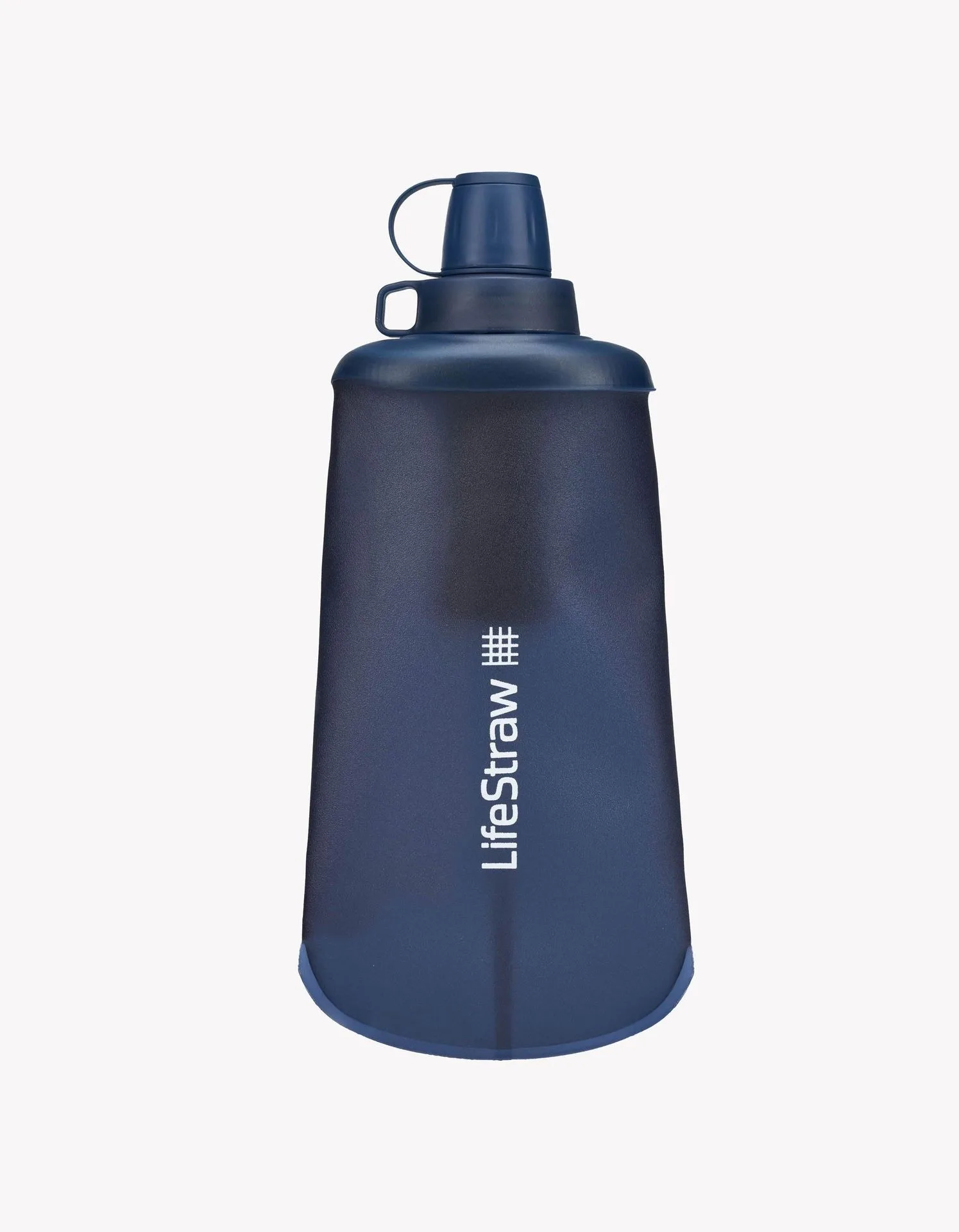
LifeStraw Peak Series Collapsible Squeeze 650 ml Bottle with Filter
The main advantage of mechanical filtration is speed and taste. You don't have to wait 30 minutes for chemical disinfection, and there's no unpleasant aftertaste. LifeStraw filters also remove sediment and particulate matter, which improves clarity. However, they do not remove viruses, which are too small for the membrane. In regions with viral contamination (e.g., developing countries), a secondary treatment like UV light or chemical tablets is needed. For most North American and European backcountry water, viruses are rarely a concern.
- Instant filtration: no wait time for chemical reaction
- No chemical taste or odor in the water
- Removes bacteria, protozoa, and microplastics
- Does not remove viruses without additional treatment
How Water Purification Tablets Work: Chemical Disinfection for Viruses
Water purification tablets, typically containing chlorine dioxide or iodine, work by releasing chemicals that destroy pathogens' cell walls and disrupt their metabolism. Chlorine dioxide is the preferred choice for backpackers because it is effective against bacteria, viruses, and protozoa (including Giardia and Cryptosporidium, though contact time must be longer). Iodine is faster but less reliable against Cryptosporidium and leaves a distinct taste.
The biggest strength of tablets is their effectiveness against viruses, which mechanical filters miss. They are also ultralight—a single bottle of tablets can treat dozens of liters. Tablets are ideal for international travel or areas with suspected viral contamination. The downsides include a waiting period (typically 30 minutes to 4 hours for full disinfection), a chemical aftertaste, and reduced efficacy in cold or turbid water. Some people also have allergies or thyroid concerns with iodine.
- Effective against viruses, bacteria, and protozoa (with correct contact time)
- Ultralight and compact: no hardware to carry
- Requires 30+ minutes of wait time before drinking
- Chemical taste; less effective in cold or murky water
Side-by-Side Comparison: LifeStraw vs. Purification Tablets
To help you decide, here's a quick comparison of the most important factors for backpackers. Note that both methods have trade-offs, and many experienced hikers carry both for redundancy. The table below summarizes key differences in treatment speed, weight, effectiveness, and convenience.
- Filtration speed: LifeStraw provides instant water; tablets require 30 minutes to 4 hours
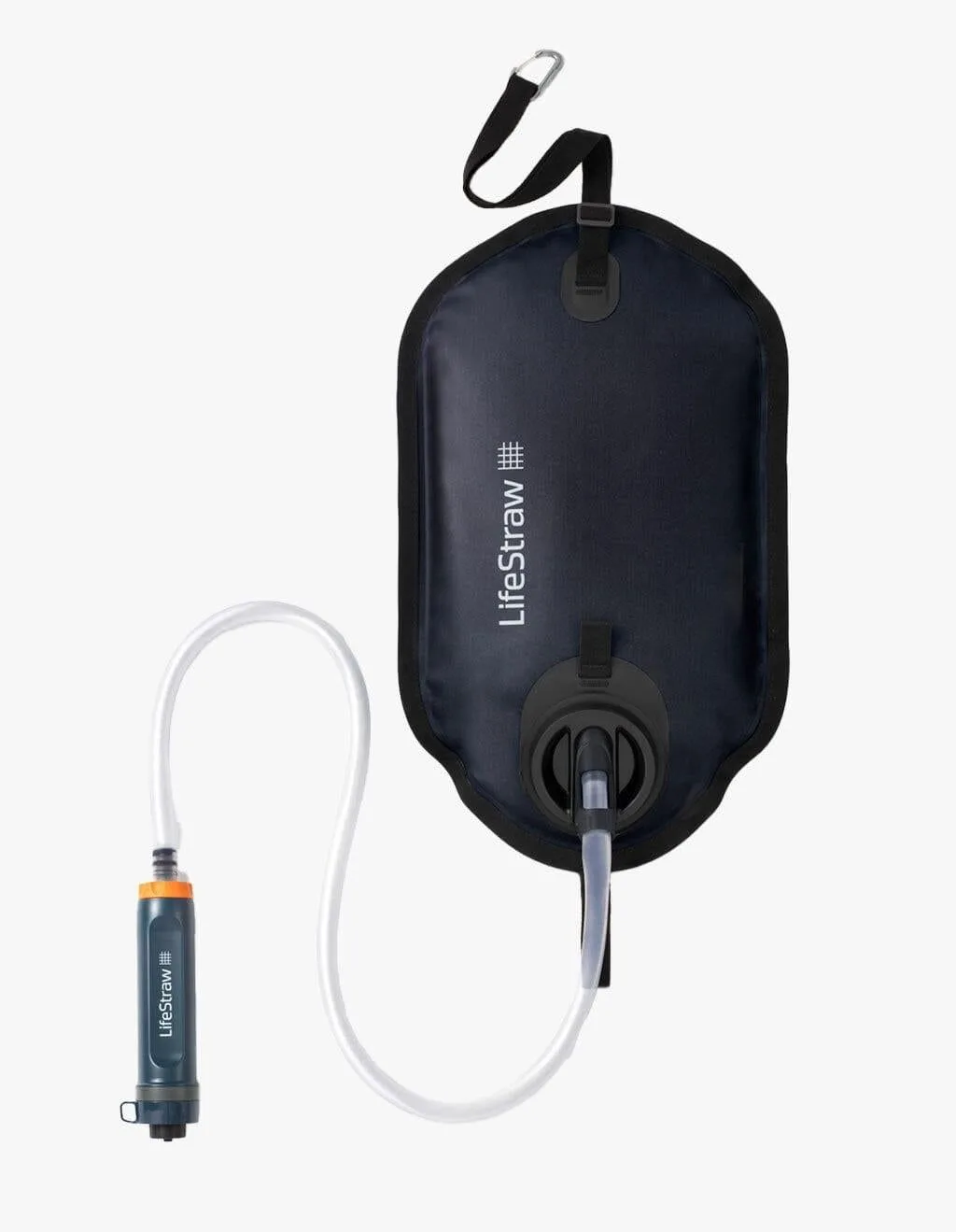
- Weight: Tablets are lighter (a few ounces for a bottle); LifeStraw Peak Series Gravity Filter System – 3L weighs about 11 oz
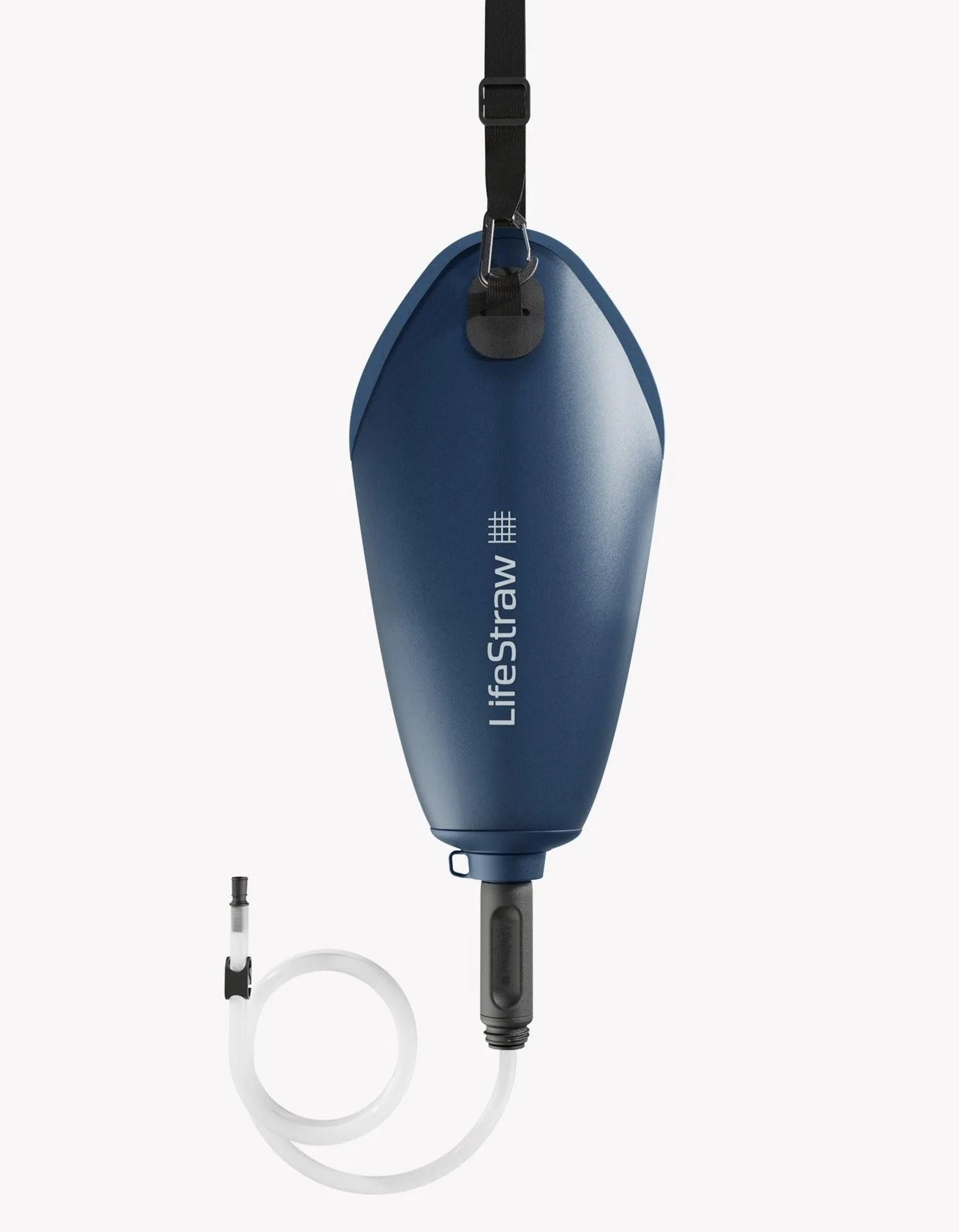
LifeStraw Peak Series Gravity Filter System – 3L
- Effectiveness: LifeStraw removes bacteria and protozoa; tablets also kill viruses
- Taste: LifeStraw leaves no chemical aftertaste; tablets can impart a chlorine or iodine flavor
- Maintenance: LifeStraw needs occasional backflushing; tablets require no cleaning
- Cost per liter: Tablets are cheaper upfront; LifeStraw filter replacement costs add up over time
When to Choose LifeStraw for Backpacking
LifeStraw is the better choice when you value speed, taste, and reliability against biological threats common in North American and European wilderness. If you're hiking in areas with clear, cold streams and lakes where viruses are rare, a LifeStraw filter is a hassle-free solution. The LifeStraw Peak Series Collapsible Squeeze 650 ml Bottle with Filter is perfect for solo day hikes, while the LifeStraw Peak Series Gravity Filter System – 3L is ideal for group trips or base camps where you need to filter larger volumes.
Mechanical filters also shine in silty or murky water because they physically remove sediment. Tablets can struggle with turbidity, as organic matter can shield pathogens from chemical action. If you're hiking in a region with heavy glacial runoff or after a rainstorm, a filter is more reliable. Plus, you can drink immediately without waiting—a big plus when you're thirsty after a steep climb.
- Best for clear, low-virus water sources (most US/Canada backcountry)
- Instant hydration: no waiting, no chemical taste
- Great for groups: gravity systems filter large volumes quickly
- Works well in cold and turbid water
When to Choose Purification Tablets for Backpacking
Purification tablets are the superior option when you're traveling to regions where viruses are a concern, such as parts of Asia, Africa, or Central America. They are also unbeatable for ultralight backpackers who count every gram. A single small bottle can treat dozens of liters, and you don't need to carry any hardware. Tablets are also useful as a backup to a filter—if your LifeStraw clogs or breaks, tablets can save the day.
However, tablets require discipline. You must wait the full contact time, especially in cold water (which slows chemical reactions). You also need to pre-filter if the water is cloudy. For many backpackers, the chemical taste is a dealbreaker, though flavor-neutralizing tablets (like those with vitamin C) can help. If you're on a multi-day trip and need to treat water from multiple sources, tablets offer simplicity and reliability.
- Best for international travel or viral-risk areas
- Ultralight and compact: no filter to carry or maintain
- Good backup option for filter failure
- Requires patience: wait times can be 30 minutes to 4 hours
Combining Both: The Ultimate Backpacking Water Treatment System
Many seasoned backpackers carry both a LifeStraw filter and a small supply of purification tablets. This dual approach covers all bases: the filter handles bacteria and protozoa instantly, while tablets provide a safety net for viruses or if the filter clogs. For example, you could use the LifeStraw Peak Series 3-in-1 Kit for everyday filtration and keep a few tablets in your emergency kit. This redundancy is especially valuable on long-distance trails or remote expeditions where water sources are unpredictable.
Another hybrid approach is to use a filter for primary treatment and then add a tablet for viral protection in questionable sources. This is common in developing countries. The combination ensures you have clear, great-tasting water with an added layer of safety. Just remember that tablets need contact time even after filtration, so plan ahead.
- Use filter for speed and taste; tablets for virus protection
- Ideal for long trips or international travel
- Tablets serve as lightweight backup if filter fails
- Pre-filter turbid water before adding tablets for best results
Ultimately, the choice between LifeStraw and purification tablets comes down to your specific backpacking environment and priorities. For most North American and European trails, a LifeStraw filter offers instant, great-tasting water without chemicals. For international adventures or ultralight trips, tablets are hard to beat. And for maximum peace of mind, carrying both ensures you're prepared for any water source. Explore the LifeStraw Go Series Tumbler 24 oz for a versatile everyday option that combines filtration with a reusable bottle, perfect for both trail and town.