Why Light and Exposure Matter in Nature Photography
Light shapes every nature photograph. Whether you are shooting a misty forest at dawn or a sunlit desert in the afternoon, understanding how light interacts with your subject is the foundation of a compelling image. Exposure—the balance of brightness and shadow—determines whether the scene looks as you intended or loses detail in highlights and shadows.
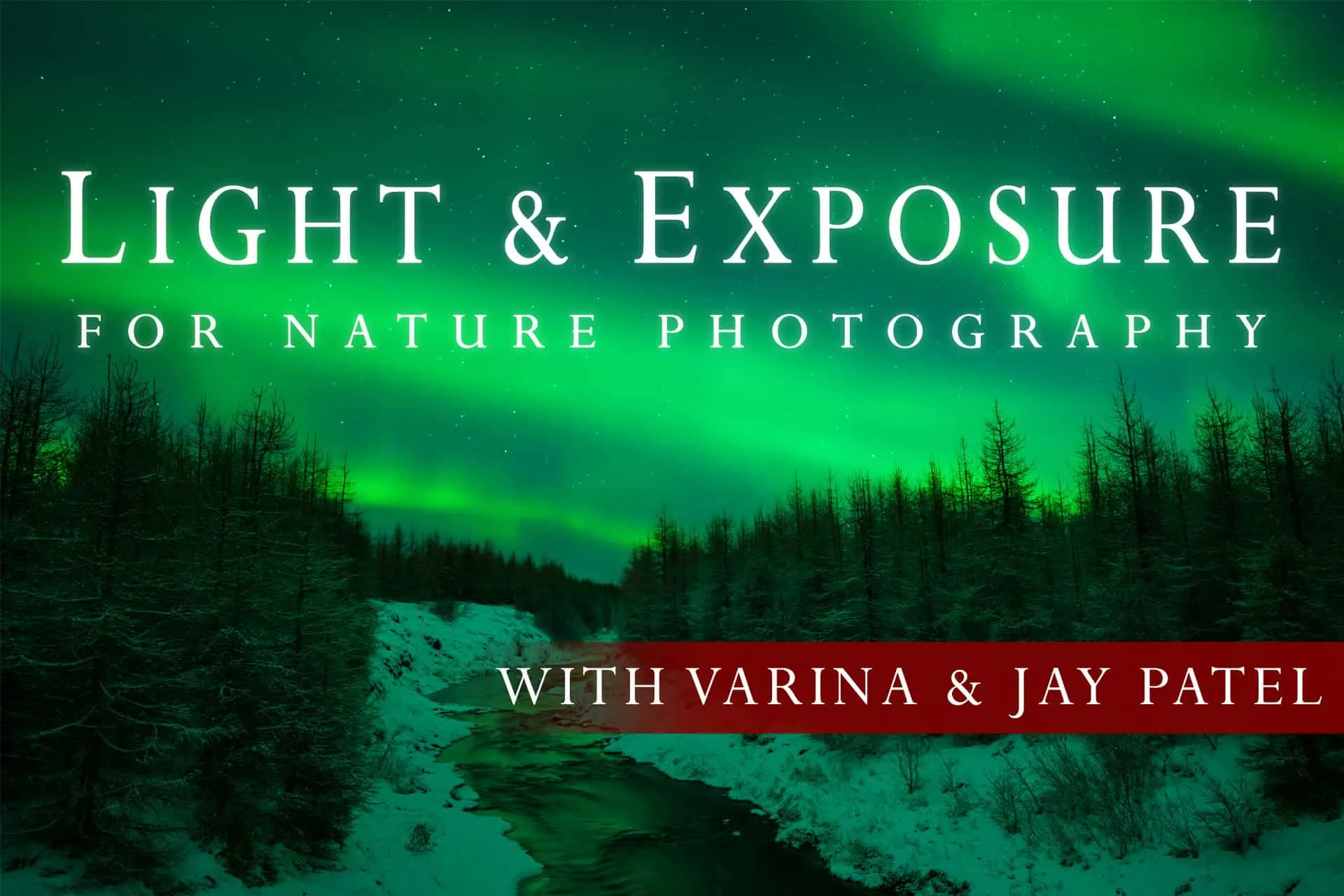
The class recording Light & Exposure for Nature Photography from Visual Wilderness, presented by Jay and Varina Patel, is designed to help photographers gain control of these two elements. Instead of relying on guesswork, you learn to read natural light and adjust exposure settings to consistently produce brilliant photos.
What the Class Recording Covers
-
Light & Exposure for Nature Photography: Light & Exposure for Nature Photography is a class recording from Visual Wilderness, presented by Jay and Varina Patel. Knowing the instructors' experience helps you trust the techniques. Jay and Varina Patel are seasoned nature photographers who teach practical field methods.
Light & Exposure for Nature Photography
-
Light & Exposure for Nature Photography: Gain control of your light and exposure for nature photography with this complete guide to and come way with brilliant photos, no matter what. This confirms the class is a comprehensive resource, not just a quick tip. It aims to equip you with skills that work across different lighting conditions.
Practical Steps to Improve Your Light and Exposure
These steps reflect the kind of process you can expect to learn from the class recording. They are general guidance; for full details, refer to the class itself.
- Observe the Quality of Light: Before setting up your camera, look at the light: is it harsh or soft? Warm or cool? Direction matters—side light adds texture, backlight creates drama, and flat light reduces contrast. Matching your composition to the light quality is the first step.
- Set Exposure Based on the Scene: Use your camera's histogram to check exposure. Avoid clipping highlights in bright areas or losing shadow detail. The class explains how to adjust aperture, shutter speed, and ISO to balance exposure for nature scenes.
- Adapt to Changing Conditions: Natural light changes quickly. Clouds, moving sun, or shifting foliage can alter exposure. The techniques taught in the class help you recognize these shifts and adjust settings on the fly without missing the moment.
Building Confidence in Any Light
Many photographers struggle when conditions are not ideal—overcast skies, deep shade, or bright midday sun. The class recording addresses these common hurdles by teaching you to see light as a creative tool rather than an obstacle. By the end, you should feel equipped to handle a variety of natural lighting situations and return home with images that match your vision.
This approach is about more than technical settings. It is about training your eye to notice subtle changes in light and exposure, so you can react intuitively. The result is a more consistent and enjoyable shooting experience.