Double cleansing has become a cornerstone of effective skincare routines, especially for those who wear makeup or sunscreen. The method involves using an oil-based cleanser first to dissolve oil-based impurities, followed by a water-based cleanser to remove sweat, dirt, and leftover residue. But with so many products on the market, choosing the right combination can be confusing.
In this article, we compare two popular options: a lightweight cleansing oil and a gentle PHA face wash. We'll explore their roles in double cleansing, their benefits, and how to decide which one is better for your skin type. Whether you're new to double cleansing or looking to refine your routine, this guide will help you make an informed choice.
What Is Double Cleansing?
Double cleansing originated from Korean skincare and has gained worldwide popularity for its thorough yet gentle approach. The first step uses an oil-based cleanser to break down makeup, sunscreen, and excess sebum. The second step uses a water-based cleanser to remove any remaining impurities and prepare the skin for subsequent products.
The key is to choose cleansers that complement each other without stripping the skin. An oil cleanser should be lightweight and non-comedogenic, while the second cleanser should be gentle and effective. This is where the comparison between a light work cleansing oil and a PHA clarifying face wash becomes relevant.
- Oil cleanser: removes oil-based impurities, makeup, sunscreen.
- Water-based cleanser: removes sweat, dirt, and residue.
- Double cleansing ensures a clean canvas for serums and moisturizers.
Light Work Cleansing Oil: The Ideal First Step
A lightweight cleansing oil is designed to melt away makeup and sunscreen without leaving a greasy residue. It typically contains emulsifiers that allow it to rinse off easily with water. For those with oily or combination skin, a light oil can help balance sebum production without clogging pores.
When used as the first step in double cleansing, a good cleansing oil should spread easily, emulsify quickly, and rinse clean. It should not require harsh rubbing, which can irritate sensitive skin. Many users find that a light work cleansing oil leaves the skin feeling soft and hydrated, not stripped.
- Choose a non-comedogenic oil to avoid breakouts.
- Look for ingredients like jojoba oil or squalane for lightweight texture.
- Always follow with a water-based cleanser to remove any oily residue.
PHA Clarifying Face Wash: The Gentle Second Step
A PHA (polyhydroxy acid) face wash offers gentle exfoliation while cleansing. Unlike stronger acids, PHAs are larger molecules that work on the skin's surface, making them suitable for sensitive or reactive skin. They help remove dead skin cells, unclog pores, and improve texture without irritation.
As the second step in double cleansing, a PHA clarifying face wash can effectively remove any leftover residue from the oil cleanser while providing mild exfoliation. This is especially beneficial for those with blemish-prone skin or uneven texture. The PHA Clarifying Face Wash for Blemish-Prone Skin is a great option that combines cleansing with gentle exfoliation.
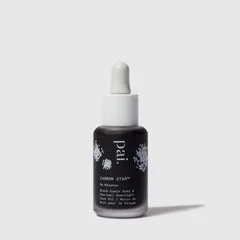
PHA Clarifying Face Wash for Blemish-Prone Skin
- PHA is ideal for sensitive skin due to its larger molecular size.
- Use 2-3 times per week if your skin is new to acids.
- Always follow with a moisturizer to maintain hydration.
Key Differences at a Glance
To help you decide which product suits your double cleansing routine, here's a quick comparison of the two cleansers.
- Oil cleanser: dissolves oil-based impurities, makeup, sunscreen. Best for first step.
- PHA face wash: removes water-based impurities, exfoliates gently. Best for second step.
- Oil cleanser: may require emulsification; rinse thoroughly.
- PHA face wash: lathers lightly; leaves skin smooth.
- Oil cleanser: suitable for all skin types if formulated properly.
- PHA face wash: ideal for sensitive, dry, or blemish-prone skin.
How to Choose Based on Your Skin Type
For oily or acne-prone skin, a lightweight cleansing oil can help regulate sebum without over-drying. Follow with a PHA face wash to keep pores clear and prevent breakouts. Combination skin can benefit from this duo as well, as the oil cleanser balances the T-zone while the PHA wash provides gentle exfoliation.
Dry or sensitive skin should opt for a hydrating oil cleanser and a mild PHA face wash. The PHA Clarifying Face Wash for Blemish-Prone Skin is gentle enough for daily use, but if your skin is very sensitive, start with every other day. Always patch test new products.
- Oily skin: oil cleanser + PHA face wash 2-3 times a week.
- Dry skin: oil cleanser + gentle PHA wash 1-2 times a week.
- Sensitive skin: oil cleanser + PHA wash once a week, then adjust.
Can You Use Both in the Same Routine?
Absolutely! In fact, using a light work cleansing oil followed by a PHA clarifying face wash is an excellent double cleansing combination. The oil removes makeup and sunscreen, while the PHA wash exfoliates and cleanses deeply. This duo ensures your skin is thoroughly clean without being stripped.
If you have sensitive skin, you can alternate the PHA face wash with a more basic cleanser on other days. For best results, apply the oil cleanser to dry skin, massage gently, add water to emulsify, and rinse. Then follow with the PHA face wash on damp skin, lather, and rinse.
- Use oil cleanser first, then PHA face wash.
- Emulsify oil cleanser with water before rinsing.
- Do not over-cleanse; double cleansing once daily (PM) is sufficient.
Double cleansing doesn't have to be complicated. By choosing a lightweight cleansing oil for the first step and a gentle PHA face wash for the second, you can achieve a clean, balanced complexion without irritation. If you're ready to upgrade your routine, consider trying the PHA Clarifying Face Wash for Blemish-Prone Skin to experience gentle exfoliation and a refreshed look.