Start with the lamp's two materials, not the room
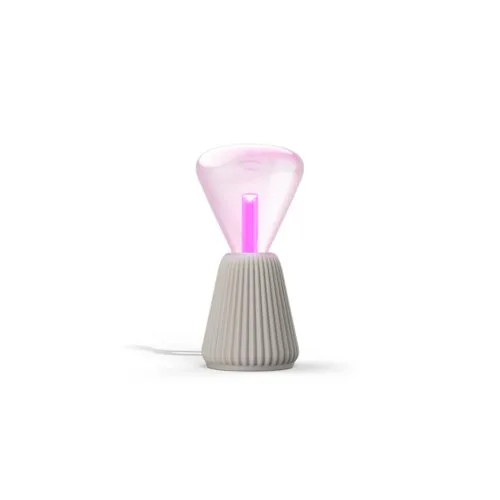
The Lightguide Triangle + Cone Table Lamp in sand is a design piece first. Its bulb is handblown glass, and the lamp base is 3D-printed using bio-circular materials. That combination gives you a textured, matte base and a glass bulb that will look different depending on where you put it.
Before you choose a spot, decide whether you want the lamp to be the focal point or a quiet layer. The bold triangle-and-cone shape reads as sculpture even when it is off, so it earns a surface where you can see its silhouette. A crowded shelf or a dark corner wastes that shape.
What the catalog confirms about this lamp
-
Lightguide triangle + cone table lamp (sand): The bulb is handblown glass, while the lamp is 3D-printed using bio-circular materials. Two different materials mean two different care routines and two different visual weights in a room.
Lightguide triangle + cone table lamp (sand)
-
Lightguide triangle + cone table lamp (sand): The lamp has a textured, matte lamp base and a bold triangle-and-cone shape. Matte textures hide fingerprints better than gloss, but the open shape still collects dust on horizontal edges.
Placement ideas that suit the sand finish and bold shape
- Bedside, but check reach first: A sand finish is warm and low-contrast, so it works well on a nightstand without competing with bedding. Measure the depth of your nightstand before you commit: the triangle and cone shapes need breathing room, and you still need space for a phone or book.
- Living room console or side table: Place it where the silhouette can be seen against a plain wall. The textured matte base picks up soft shadows, which makes the lamp look intentional rather than lost among other decor.
- Reading corner as a secondary light: Use it to layer light rather than as your only reading lamp. The catalog does not specify brightness, beam angle, or whether the bulb is dimmable, so treat it as an accent until you confirm those details on the packaging or product page.
- Entryway or hallway table: The sand color blends with wood and neutral walls, and the glass bulb adds a little sparkle. Keep it away from high-traffic edges where the handblown glass could be knocked.
Bulb fit: what to confirm before you buy
The catalog describes a handblown glass bulb but does not list a bulb base type, wattage, or whether the bulb is included as a separate replaceable item. That matters if you plan to swap bulbs or match the lamp to an existing Hue setup.
Check the product packaging or the full product page for the bulb fitting and any recommended replacement. Do not assume a standard screw base or a particular Hue bulb will fit just because the lamp is sold in the Hue ecosystem. If the listing does not confirm compatibility, ask the retailer before ordering.
How to clean a Lightguide table lamp without damaging it
The catalog does not include manufacturer care instructions, so the safest approach is conservative: dust the 3D-printed base with a soft, dry cloth, and clean the handblown glass bulb only with a method confirmed by the manufacturer or retailer.
Avoid abrasive cleaners, scouring pads, and soaking the base. The textured matte finish can trap residue, and bio-circular printed materials may not respond well to harsh chemicals. If you need to use a cleaning product on the glass, test it on an inconspicuous area first and follow the label. When in doubt, unplug the lamp before cleaning.
Sand table lamp decor tips that hold up
- Pair with warm neutrals, not cool grays: Sand reads warmer next to cream, oatmeal, and natural wood. Against cool gray walls it can look washed out, so check the lamp in your actual room lighting if possible.
- Keep the surrounding surface simple: The triangle and cone are the statement. A bare tray or one small object is enough; a cluster of frames and plants will fight the shape.
- Use the off state as a test: A good placement looks deliberate even when the lamp is switched off. If it only works when lit, the spot is probably too dark or too cluttered.
The trade-offs to accept before you buy
This is a design-forward lamp with a catalog price of USD 118.99, compared with a catalog comparison price of USD 169.98. The value is in the handblown glass bulb and the 3D-printed bio-circular base, not in a long list of confirmed technical features.
The catalog does not confirm smart-home compatibility, dimming behavior, or bulb specifications for this lamp. If you need app control or a specific light output, verify those details before purchase rather than assuming they are included. If you mainly want a sculptural accent that looks good in a warm neutral room, the lamp's confirmed materials and shape are the strongest reasons to choose it.