Start With What the LightStim for Acne Is Designed to Do
The LightStim for Acne is an FDA-cleared blue and red LED light therapy device. According to the catalog, it kills acne-causing bacteria and helps skin heal, with no irritation or downtime. That description sets a clear expectation: the device is meant to be a low-disruption addition to an acne routine, not a treatment that leaves you red or peeling.
Because the catalog does not list operating instructions, session times, or a recommended frequency, this guide focuses on how to build a sensible routine around the device using the facts that are available. You will not find invented step-by-step timings here; instead, you will get a framework for using the device without triggering irritation, plus checkpoints to help you decide if it fits your skin.
The One Catalog Fact That Should Shape Your Routine
-
LightStim For Acne: FDA-cleared blue and red LED light therapy device that kills acne-causing bacteria and helps skin heal, with no irritation or downtime. This tells you the device is intended for acne-prone skin and is described as non-irritating. It also means you can treat it as a support tool rather than an aggressive active, which influences how you combine it with other products.
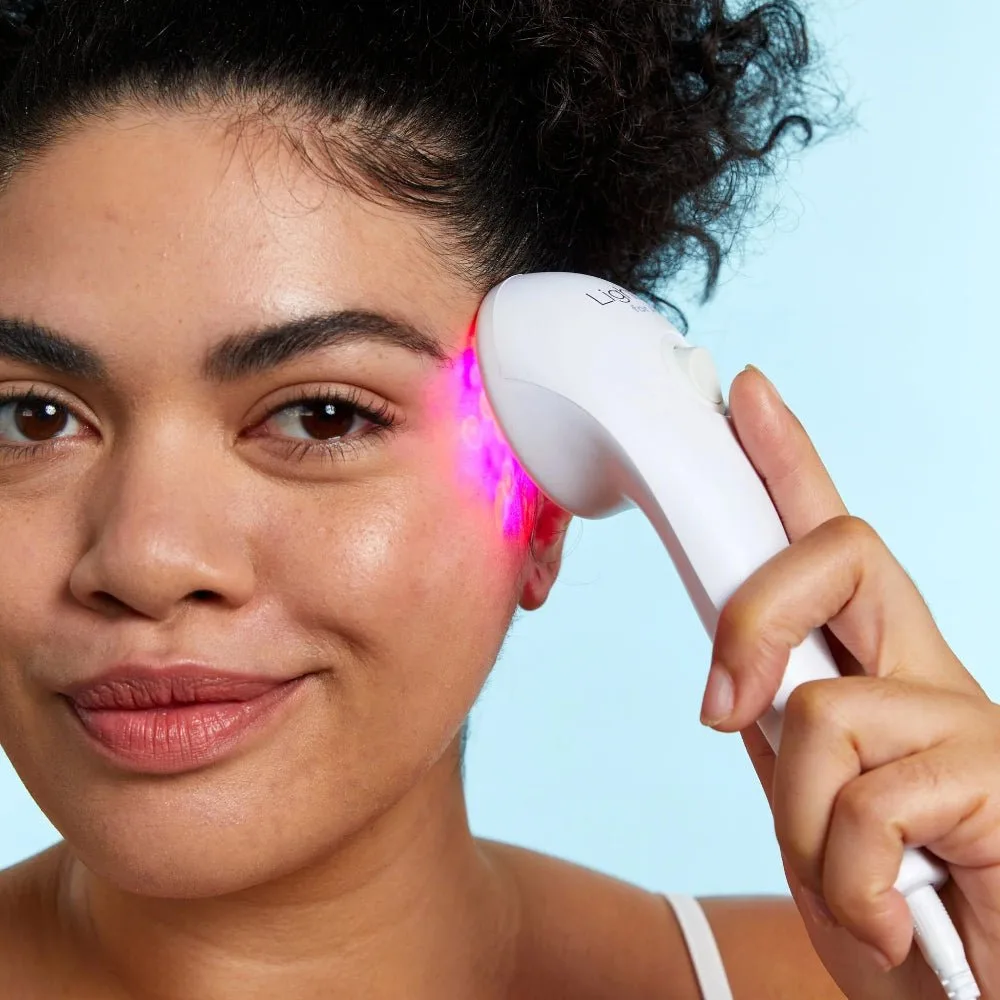
LightStim For Acne
A Sensible Way to Add LightStim for Acne to Your Routine
The catalog does not provide a session length or frequency, so the steps below focus on order and observation rather than exact timings. Use them to integrate the device without overwhelming your skin.
- Start with clean, dry skin: Use the device on skin that is free of makeup, sunscreen, and heavy products. This is a standard practice for LED devices and helps ensure light reaches the skin. The catalog does not specify a cleansing step, but it is a reasonable starting point.
- Treat the device as a separate step: Use the LightStim for Acne before applying leave-on treatments or moisturizer. This keeps the device in contact with clean skin and avoids product buildup on the surface.
- Begin with a short session and observe: Because no session time is supplied, start with a brief session—shorter than you think you need—and watch for any signs of sensitivity. The device is described as having no downtime, but individual responses vary.
- Build frequency gradually: The catalog does not state how often to use the device. A conservative approach is to use it a few times per week and increase only if your skin remains comfortable. If you experience irritation, reduce frequency or pause use.
- Follow with a gentle moisturizer: After the session, apply a bland moisturizer to support the skin barrier. Avoid introducing new active ingredients on the same day you start the device.
How to Pair LightStim for Acne With Retinol and Other Actives
Retinol and other exfoliating acids can make skin more sensitive. The LightStim for Acne is described as non-irritating, but combining it with potentially irritating actives requires care. The catalog does not provide specific guidance on using the device with retinol, so the following is general prudent advice rather than a manufacturer instruction.
If you use retinol, consider using the LightStim for Acne on alternate evenings or in the morning, and apply retinol at night as usual. This reduces the chance of overlapping irritation. Similarly, on days you use strong exfoliants, you may want to skip the device or use it earlier in the day. Always monitor your skin’s response and adjust as needed.
What to Expect and When to Reassess
The catalog states that the device kills acne-causing bacteria and helps skin heal, but it does not promise a timeline for results. LED light therapy for acne is typically a gradual process, and improvements may take several weeks. Use the device consistently as part of your routine, but do not judge its effectiveness after only a few sessions.
Reassess after a month: if your acne is not improving or if you experience irritation, consider whether the device fits your routine. The absence of downtime in the catalog description does not guarantee that your skin will not react, so pay attention to how your skin feels and looks after each use.
What the Catalog Does Not Settle
The supplied information does not include session duration, recommended frequency, or specific instructions for combining the device with other acne treatments. It also does not specify whether the device should be used on clean skin or with a conductive gel. These gaps mean you will need to rely on your own observation and, if possible, consult a skincare professional for personalized guidance.
This article has focused on the supported facts and a conservative approach to building a routine. Always prioritize your skin’s comfort over strict adherence to any schedule, and adjust based on how your skin responds.