Quick Answer
If you have oily or combination skin, or you live in a humid climate, a lightweight moisturizer is usually your best bet—it hydrates without clogging pores or feeling greasy. If your skin is dry, flaky, or you're facing harsh winter weather, a heavy cream provides the rich, occlusive barrier that locks in moisture and repairs the skin's lipid layer. Many people switch between the two seasonally or use a lightweight formula in the morning and a heavier one at night.
Moisturizer is a non-negotiable step in any skincare routine, but the sheer number of textures can make choosing one feel overwhelming. The most fundamental split is between lightweight moisturizers—often gels, lotions, or fluids—and heavy creams, which are thick, rich, and often balm-like. Each serves a distinct purpose, and understanding the difference can save you from greasy breakouts or persistent dryness.
In this comparison, we'll break down the key differences, benefits, and trade-offs of lightweight vs. heavy moisturizers, and offer practical guidance on how to choose based on your skin type, climate, and routine. We'll also highlight a few products that fit each category, so you can see the real-world options.
What Is a Lightweight Moisturizer?
A lightweight moisturizer is typically water-based, with a gel, lotion, or fluid consistency. It absorbs quickly and leaves little to no residue, making it ideal for daytime wear, oily or combination skin, and warm, humid environments. These formulas focus on delivering hydration (water) to the skin without adding heavy oils or occlusive ingredients that can feel sticky or clog pores.
Key ingredients in lightweight moisturizers often include humectants like hyaluronic acid, glycerin, and squalane, which draw water into the skin. Squalane, for example, is a lightweight, non-comedogenic oil that mimics the skin's natural sebum, providing hydration without greasiness. Snow mushroom and moringa seed oil are other lightweight, antioxidant-rich ingredients that support the skin barrier without weighing it down.
- Best for oily, combination, or acne-prone skin
- Great for morning routines under makeup or sunscreen
- Ideal for hot, humid weather or travel
What Is a Heavy Cream?
A heavy cream, on the other hand, is oil-rich and often contains emollients and occlusives like shea butter, ceramides, or petrolatum. These ingredients create a physical barrier on the skin that prevents water loss and seals in hydration. Heavy creams are thicker, take longer to absorb, and leave a more noticeable film, which is exactly what dry or mature skin needs to feel comfortable and protected.
Heavy creams are particularly beneficial in cold, dry climates or during winter when the skin's moisture barrier is under constant assault. They're also a go-to for nighttime use, when the skin's repair processes are most active. However, for oily or acne-prone skin, a heavy cream can feel suffocating and may contribute to breakouts, which is why texture choice is so personal.
- Best for dry, flaky, or mature skin
- Great for nighttime routines or winter months
- Provides a protective barrier against environmental stress
Key Differences at a Glance
The main difference lies in the water-to-oil ratio. Lightweight moisturizers have a higher water content and lower oil content, making them fluid and fast-absorbing. Heavy creams have a higher oil content and lower water content, giving them a rich, dense consistency that sits on the skin longer. This affects not only how they feel but also how they function: lightweight formulas hydrate, while heavy creams moisturize by trapping water and replenishing lipids.
Another difference is the level of occlusivity. Lightweight moisturizers are often non-comedogenic and breathable, but they may not be enough for very dry skin that needs a barrier to prevent transepidermal water loss. Heavy creams provide that barrier but can clog pores if you're prone to breakouts. Understanding your skin's needs and your environment is key to making the right choice.
- Texture: gel/lotion vs. thick cream
- Absorption: quick vs. slow
- Function: hydration vs. barrier repair
The Trade-Off: Lightweight vs. Heavy
- Hydration vs. Moisture: Lightweight moisturizers deliver water to the skin, while heavy creams provide oils and occlusives that lock that water in. If you only use a lightweight formula on very dry skin, you may still feel tight; if you use a heavy cream on oily skin, you may feel greasy. Match the texture to your skin's oil production and hydration needs.
- Absorption vs. Barrier: Lightweight formulas absorb quickly and are great under makeup, but they may not offer enough protection against harsh weather. Heavy creams create a barrier that shields the skin but can take time to sink in, making them less ideal for rushed mornings. Consider your daily routine and how much time you have to let products absorb.
- Seasonal Switching: Your skin's needs change with the seasons. In summer, a lightweight moisturizer may be all you need; in winter, you might need to switch to a heavy cream or layer a lightweight formula under a heavier one. Don't be afraid to have both on hand and alternate based on weather and skin condition.
Real Product Examples
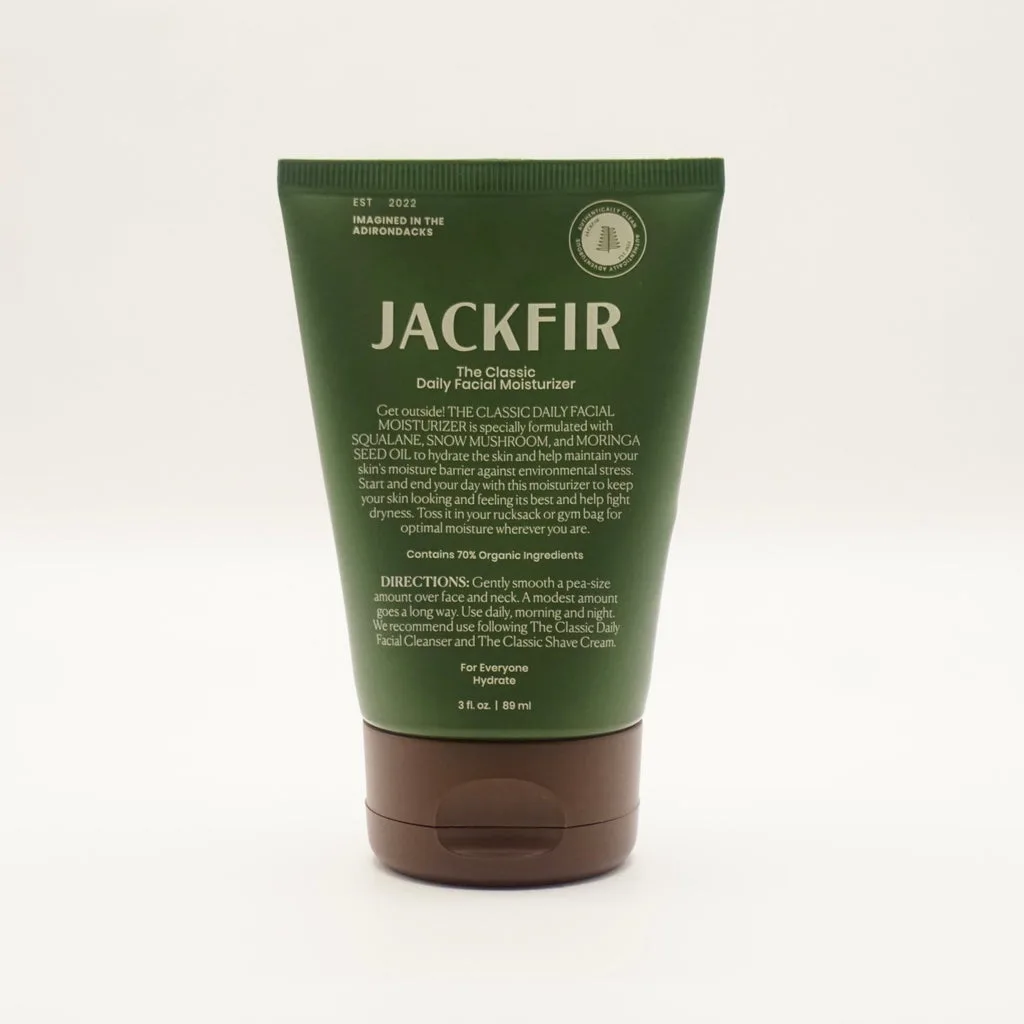
- Jackfir Classic Daily Facial Moisturizer: Formulated with squalane, snow mushroom, and moringa seed oil to hydrate the skin and help maintain your skin’s moisture barrier against environmental stress. This is a great example of a lightweight moisturizer that offers hydration without heaviness. Squalane and snow mushroom are humectant-rich, making it suitable for daily use, even for oily skin types.
- Alder Cleansing Facial Brush: Use Alder New York’s Cleansing Facial Brush to stimulate skin and boost the efficiency of your Everyday Face Cleanser. Made with over 1.25 million gentle nylon bristles and an ergonomic palm grip handle for ultimate pressure control and comfort. While not a moisturizer, this brush helps your lightweight moisturizer absorb better by gently exfoliating and stimulating circulation, which can enhance the effectiveness of your hydrating products.
How to Choose
Best for Lightweight Moisturizers
- Oily or combination skin that needs hydration without added oil
- Warm, humid climates or summer months
- Morning routines where you need quick absorption before sunscreen or makeup
Not for Heavy Creams
- Very dry, flaky skin that needs a rich occlusive barrier
- Cold, dry winter weather or nighttime repair when skin barrier is compromised
- Those who prefer a minimal, non-greasy feel and don't mind reapplying during the day
Choosing between a lightweight moisturizer and a heavy cream doesn't have to be a one-time decision. Listen to your skin, consider your environment, and don't hesitate to switch between formulas as the seasons change. Whether you opt for a squalane-based gel or a rich butter, the goal is the same: healthy, comfortable, well-hydrated skin.