Quick Verdict
Limited‑edition original canvas paintings can offer solid value when the artist’s reputation, edition size, and condition are verified. Look for signed pieces with clear provenance and compare the listed price to the regular retail price to gauge the discount.
Limited‑edition canvas paintings sit between mass‑produced prints and one‑off originals, offering collectors a blend of exclusivity and affordability. Understanding what drives their worth helps you avoid overpaying and spot genuine opportunities.
This guide walks you through the key factors—edition details, artist credibility, condition, and pricing—so you can confidently evaluate each piece before you buy.
What Makes a Painting ‘Limited‑Edition’?
A limited‑edition canvas is produced in a set number of copies, each usually signed and numbered by the artist. The scarcity creates a perceived value, but the actual worth depends on how tightly the edition is controlled and documented.
If the edition size is publicly disclosed and each piece carries a certificate of authenticity, you have a stronger basis for appraisal. Undisclosed or loosely managed editions can dilute value quickly.
- Verify edition size on the product page or ask the seller for a certificate of authenticity.
Artist Reputation and Market Demand
An artist’s track record influences how collectors view limited editions. Established artists with a history of gallery shows or published work tend to retain value better than newcomers.
Research the artist’s recent exhibitions, social media following, and any press coverage. A growing fan base can signal future demand, which is a positive sign for investment potential.
- Check for recent exhibitions or media mentions of the artist.
Condition, Presentation, and Provenance
Canvas paintings are vulnerable to warping, fading, and surface damage. A piece in pristine condition, with its original frame and protective packaging, will command a higher resale price.
Provenance—documentation of ownership history—adds credibility. If the seller can provide purchase receipts, a signed artist statement, or a provenance sheet, the painting’s appraisal becomes more reliable.
- Ask for high‑resolution photos of the front, back, and any signatures.
Pricing Benchmarks and Discounts
Limited‑edition canvases often list a “regular” price alongside a discounted sale price. Comparing these numbers helps you gauge the seller’s margin and the market’s willingness to discount.
If a piece is listed at $75 with a regular price of $150, the 50 % discount suggests the seller is moving inventory, but it also means you’re paying half of what a new buyer would. Verify whether the discount reflects condition, edition size, or simply a promotional offer.
- Calculate the discount percentage and compare it to similar works from the same artist.
Decision Rules for Evaluating Limited‑Edition Canvas Paintings
- Check Edition Size & Authentication: Confirm the exact number of prints in the edition and request a signed certificate of authenticity from the seller. Only proceed if the edition is documented and signed.
- Assess Condition & Presentation: Inspect for warping, surface scratches, and verify that the original frame and protective packaging are included. Reject pieces with visible damage or missing original components.
- Compare Discount to Market Norms: Calculate the discount percentage and compare it with similar works by the same artist or genre. A discount larger than 60 % may indicate lower demand or compromised condition.
Sample Original Canvas Paintings from Janine Payne Illustrations
- Oil Pastel Figs | Original Canvas Painting: Medium: Oil Pastel; Dimensions: 4x4 inch x 1.5 inch profile canvas frame; Price: USD 75.00 (regular USD 150.00) Small, hand‑signed canvases are easy to display and the 50 % discount highlights the value of limited‑edition pricing.
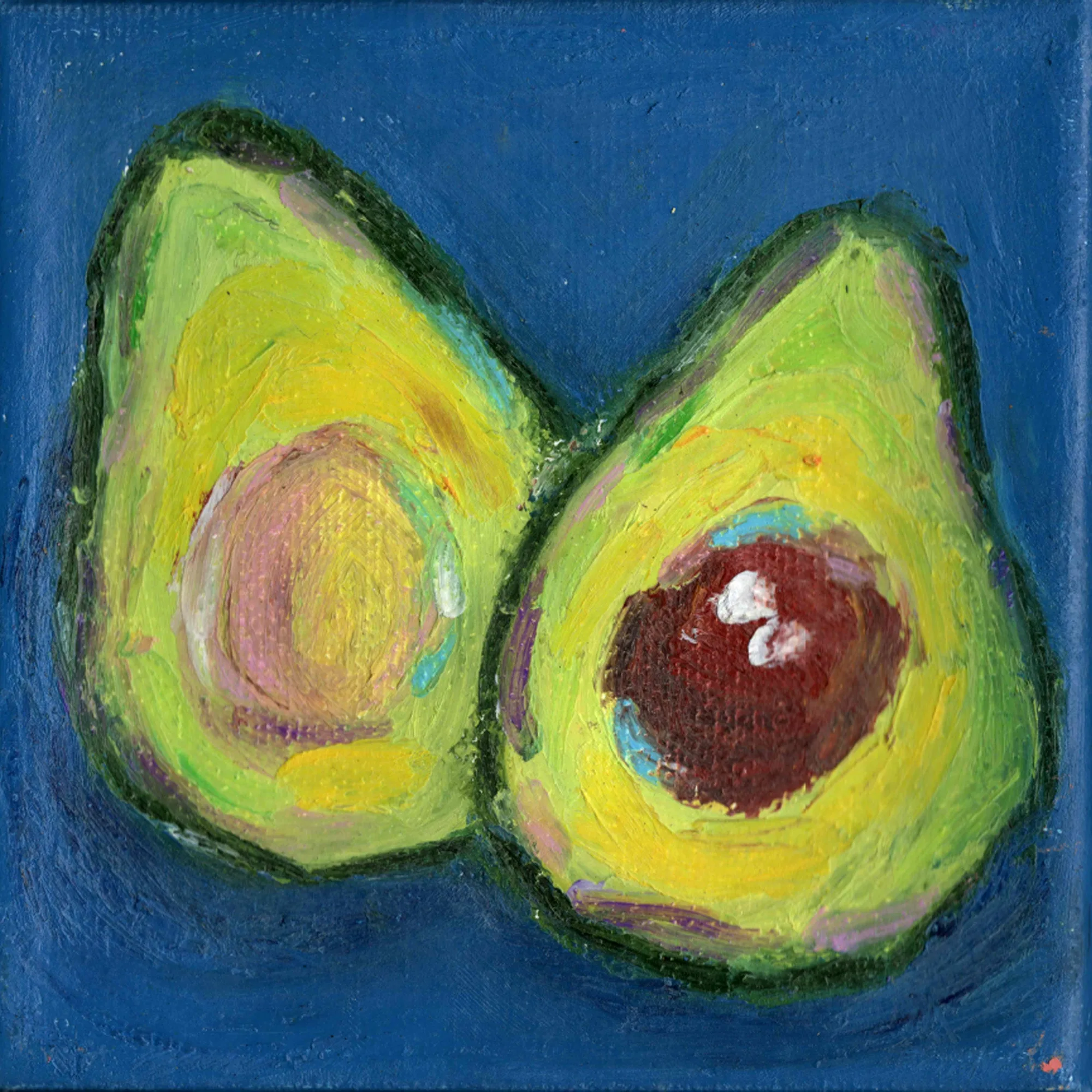
- Oil Pastel Avocado | Original Canvas Painting: Medium: Oil Pastel; Dimensions: 4x4 inch x 1.5 inch profile canvas frame; Price: USD 75.00 (regular USD 150.00) Identical size and price to the Figs piece provides a clear benchmark for comparing condition and discount across the same edition series.
Who Should Consider These Limited‑Edition Originals?
Best For
- Collectors seeking affordable, signed originals from emerging or mid‑career artists
- Home decorators who want a small‑scale, vibrant artwork without a high price tag
Not Ideal For
- Buyers looking for large statement pieces to dominate a wall
- Investors needing high‑value, widely recognized artworks for quick resale
By applying these decision rules—verifying edition details, inspecting condition, and weighing discounts—you can confidently evaluate limited‑edition canvas paintings and decide whether they fit your collection or décor goals.