Start with the print details, not the box art
A limited edition deck earns its premium from how and where it was made, not just how it looks on a shelf. Before you fall for a design, check three catalog facts: the printer, the stock description and the card count. Those details tell you whether you are buying a deck for handling, for display, or for both.
Two decks in this store show why that order matters. HEATH HEREAFTER PLAYING CARDS is printed at USPCC on high quality crushed stock, while THE 17TH KINGDOM AVANT GARDE PLAYING CARDS is a 56-card deck with an hourglass shape printed by WJPCC in China. Same category, very different buying decisions.
Two decks, two different production stories
-
HEATH HEREAFTER PLAYING CARDS: HEREAFTER - Selected Works 2017-2021 is a custom deck featuring an eclectic collection of artworks, with 52 playing cards and 2 jokers, printed at USPCC on high quality crushed stock. A known printer and a named stock give you a handling reference point before you buy, and the 52+2 count fits standard play and cardistry.
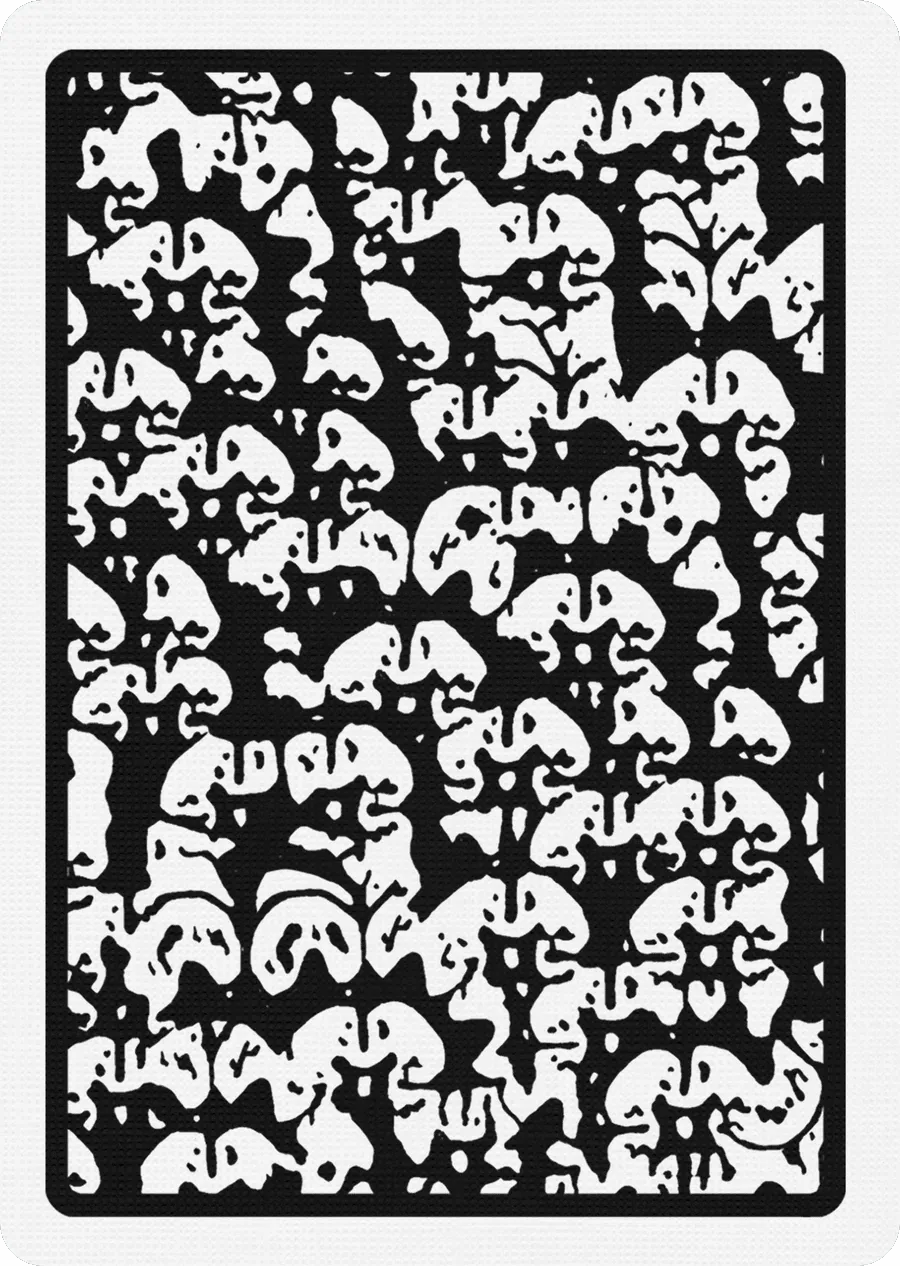
HEATH HEREAFTER PLAYING CARDS
-
THE 17TH KINGDOM AVANT GARDE PLAYING CARDS: The 17th Kingdom Avant Garde deck contains 56 poker-sized cards with an unconventional hourglass shape, custom court cards and jokers, and matte red edge printing. The extra cards and shaped edges make this a display or novelty piece as much as a playing deck, so it suits a different kind of first purchase.
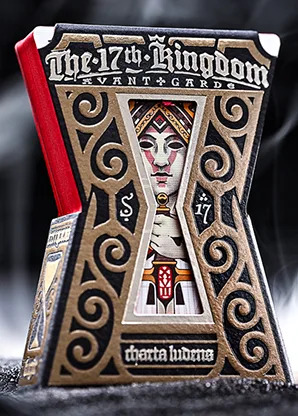
THE 17TH KINGDOM AVANT GARDE PLAYING CARDS
Decide whether shape is a feature or a friction point
An unconventional shape is the clearest fork in the road for a first limited deck purchase. The 17th Kingdom Avant Garde cards are described as handling remarkably well and suitable for a variety of purposes, with an ergonomic design the catalog says surpasses conventional playing cards. That is a strong claim for a shaped deck, but it is still a shaped deck: if your main goal is learning standard sleights or playing familiar card games, a conventional rectangular deck removes a variable.
HEREAFTER stays rectangular with a standard 52-card plus 2-joker count, so it slots into normal play and practice without adjustment. Neither deck's supplied record includes care instructions or age guidance, so treat both as adult collector items unless the packaging you receive states otherwise.
What each deck asks you to trade
Use this side-by-side to match the deck to the job you have in mind, not to rank one above the other.
- HEREAFTER: art-first, standard format: A HEATH collaboration with New York artist Corey Presha, built around an eclectic collection of artworks. Choose it if you want a custom art deck that still handles like a normal 52-card deck.
- 17th Kingdom Avant Garde: object-first, shaped format: Hourglass-shaped cards with custom courts, matte red edge printing and a foldbox with dual foils, embossing and inner red coloring. Choose it if the deck is partly a display object and you accept a non-standard shape.
- Price context: HEREAFTER is listed at USD 8.54 against a USD 14.00 comparison price; the 17th Kingdom Avant Garde is USD 9.75 against USD 15.00. Both sit in a similar entry range, so let format and production details decide rather than a small price gap.
A five-step check before you commit
- 1. Name your primary use: Practice, play, display or collection. A shaped deck like the 17th Kingdom Avant Garde is easier to justify for display; a standard-format deck like HEREAFTER is easier to justify for practice.
- 2. Verify the printer and stock: USPCC and crushed stock on HEREAFTER give you a familiar reference. The 17th Kingdom record names WJPCC as printer but does not describe the stock, so judge that deck on shape and finish instead.
- 3. Count the cards: 52 plus 2 jokers on HEREAFTER versus 56 cards on the 17th Kingdom. If you need a standard deck for games, the smaller count is simpler.
- 4. Read the packaging as part of the product: The 17th Kingdom foldbox is printed by Boschiero & Newton in Italy with dual foils, embossing and glue-less construction. If you keep decks boxed, that packaging is part of what you are paying for.
- 5. Accept the information gaps: The supplied records do not list care instructions, age ranges or edition sizes for either deck. If any of those is a dealbreaker, ask before you buy rather than assuming.
Collector deck buying tips that survive the first purchase
These habits matter more than any single deck choice, especially when you are new to playing card collecting basics.
- Buy one deck to open and one to keep: If a deck is printed in limited numbers, a sealed copy preserves the option to sell or trade later. This is a general collecting habit, not a claim about either deck's scarcity.
- Record what you paid and where you bought it: A simple note with the deck name, price and date makes later comparisons honest. Catalog comparison prices such as USD 14.00 and USD 15.00 are reference points, not guarantees of resale value.
- Judge custom art by the whole deck, not the tuck: HEREAFTER's appeal is an eclectic art collection across the cards; the 17th Kingdom's is custom courts, jokers and a unique Ace of Spades. Decide which kind of custom work you actually want to look at repeatedly.
- Do not pay a premium for details the listing does not confirm: Edition size, certifications and stock are not in the supplied records for these decks. A limited edition label is a starting question, not an answer.
Which first limited deck fits you
Choose HEATH HEREAFTER PLAYING CARDS if you want a custom art deck in a standard 52-card format, printed at USPCC on crushed stock, at the lower listed price of the two. It is the safer first limited deck purchase because nothing about its shape or count changes how you handle or play it.
Choose THE 17TH KINGDOM AVANT GARDE PLAYING CARDS if the deck is partly an object to display: the hourglass shape, matte red edge printing and foil-embossed foldbox are the reasons to pay the slightly higher USD 9.75. Go in knowing the shape is the point, and that the supplied record does not describe its stock or care needs.