Quick answer
For most hot sleepers, a linen blend duvet cover is the cooler choice because linen fibers naturally wick moisture and allow airflow. Percale, with its crisp cotton weave, is a close second—it feels cool to the touch but traps less air. Choose linen blend if you sleep hot and sweat; choose percale if you prefer a crisp, lightweight feel without the textured look.
Summer nights can turn your bed into a heat trap, and the duvet cover you choose makes a bigger difference than you might think. Two fabrics dominate the conversation: linen blend and percale. Both are breathable, but they achieve coolness in different ways. Understanding these differences helps you pick bedding that matches your sleep style and keeps you comfortable all season.
In this comparison, we’ll break down how each fabric performs on breathability, moisture management, and feel. We’ll also look at real product options from NORDIC KNOTS to ground the discussion in practical choices. By the end, you’ll know exactly which duvet cover to reach for when the temperature climbs.
How Linen Blend and Percale Differ in Breathability
Breathability is about how easily air passes through the fabric. Linen is renowned for its loose weave and hollow fibers, which allow air to circulate freely. A linen blend duvet cover typically combines linen with cotton or other fibers, retaining much of linen’s airflow while adding softness and durability. This makes it a top contender for summer bedding.
Percale is a plain-weave cotton fabric with a matte finish and a crisp, hotel-like hand. The tight, one-over-one-under weave creates a lightweight but structured cloth. While percale doesn’t have the open structure of linen, its thin yarns and breathable cotton make it a solid choice for warm sleepers. The key difference: linen blend offers more airflow, while percale offers a cooler initial touch.
If you’re a hot sleeper who tosses and turns, the superior air circulation of linen blend can help regulate your body temperature all night. If you prefer a fabric that feels cool the moment you slide in, percale’s crisp texture delivers that instant sensation.
- Linen blend: hollow fibers and loose weave maximize airflow.
- Percale: crisp cotton weave feels cool to the touch but traps less air.
- Consider your sleep style: hot and sweaty → linen blend; prefer crisp coolness → percale.
Moisture Wicking and Humidity Control
Night sweats and humidity can ruin sleep. Linen is famous for its moisture-wicking ability—it absorbs moisture and releases it quickly, keeping you dry. A linen blend duvet cover inherits much of this property, making it an excellent choice for humid summer climates. The fabric also dries fast, so you won’t wake up in a damp bed.
Percale cotton also absorbs moisture well, but it may feel clammy if you sweat heavily. The tight weave can hold moisture against the skin longer than linen. However, percale’s lightweight nature helps it dry relatively quickly, and many sleepers find it comfortable in moderate humidity.
For high-humidity regions or if you’re prone to night sweats, linen blend is the clear winner. It actively moves moisture away from your body, keeping you comfortable even on muggy nights. Percale works well for light sweaters or those in drier climates.
- Linen blend wicks moisture and dries fast—ideal for humid nights.
- Percale absorbs moisture but may feel clammy for heavy sweaters.
- Choose linen blend for humid climates; percale for drier conditions.
Feel and Comfort: Crisp vs. Softly Textured
The tactile experience is personal. Percale offers a crisp, cool, and slightly stiff feel that many associate with luxury hotels. It softens with each wash but retains a breathable freshness. If you love that ‘snap’ of fresh sheets, percale is your fabric.
Linen blend, on the other hand, has a relaxed, textured look and a soft, lived-in feel. It starts slightly rough but becomes softer and more supple over time. The blend—often with cotton—makes it more gentle on the skin than pure linen, while preserving linen’s airy character. For those who prefer a casual, effortless aesthetic, linen blend is appealing.
Consider your sensory preference: crisp and smooth → percale; soft and textured → linen blend. Both keep you cool, but the feel will influence your nightly comfort.
- Percale: crisp, cool, and smooth—softens with washes.
- Linen blend: textured, soft, and relaxed—becomes more supple over time.
- Try a swatch or touch samples to decide your preference.
The Trade-Off: Linen Blend vs. Percale
- Breathability: Linen blend offers superior airflow due to its loose weave and hollow fibers. Percale is breathable but less airy. Choose linen blend if you need maximum air circulation.
- Moisture Wicking: Linen blend wicks moisture away from the body and dries quickly. Percale absorbs moisture but may feel clammy for heavy sweaters. Linen blend wins for humid climates and night sweats.
- Feel and Texture: Percale is crisp and smooth, while linen blend is soft and textured. Both soften with washing, but percale maintains a stiffer hand. Your tactile preference will guide your choice.
Real Product Options at NORDIC KNOTS
- Sateen Duvet Cover – Sand: Soft, smooth, and cloudlike, with the feel of carefully chosen luxury hotel bed linen. Lustrous sateen made from 400 thread count Egyptian cotton, indulgent yet inviting to the touch. While sateen isn't the focus of this comparison, it's a third option for those who prioritize a silky, smooth feel over breathability. If you sleep cool but love luxury, sateen offers indulgence—but for hot sleepers, linen blend or percale are better.
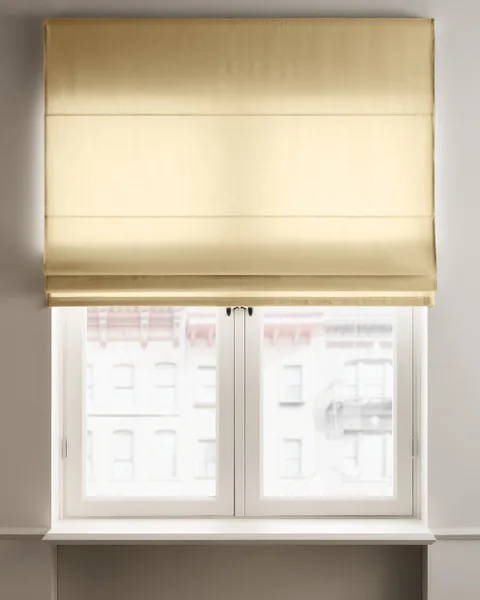
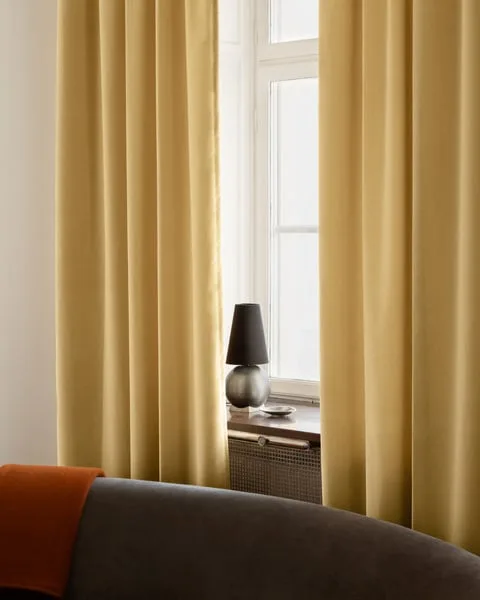
- The Sheer – Old Rose: A lightweight, sheer curtain. Diffuses natural light beautifully, creating a soft, welcoming frame. Each curtain panel is made-to-measure, tailored precisely to your desired length for a perfect fit. To maximize coolness, pair your breathable duvet cover with sheer curtains that let in airflow and light control. The Sheer – Old Rose adds a soft, airy feel to your bedroom while complementing summer bedding.
Which Should You Choose?
Best for
- Hot sleepers who sweat and need maximum airflow and moisture wicking.
- Those living in humid climates who want bedding that dries quickly and feels fresh.
Not for
- Sleepers who prefer a crisp, smooth, hotel-like feel—choose percale instead.
- Those who dislike a textured, casual aesthetic—linen blend may not suit your style.
Choosing between linen blend and percale for summer comes down to your sleep style and sensory preferences. If you run hot and sweat, a linen blend duvet cover will keep you cooler with its breathable, moisture-wicking fibers. If you love a crisp, cool touch and don’t struggle with heavy perspiration, percale offers a refreshing alternative. Either way, you’ll sleep better with a fabric that matches your needs—and NORDIC KNOTS has options to help you stay comfortable all summer long.