There's something undeniably special about a table dressed in linen. The natural texture, the gentle drape, the way it softens with each wash — linen brings a sense of warmth and occasion to everyday meals and festive gatherings alike. But to keep your linens looking their best, a little know-how goes a long way. Linen is a resilient, natural fiber, but it does have its quirks. In this guide, we'll walk you through everything you need to know about linen care: from washing and drying to storing your treasured table linens so they stay fresh, crisp, and beautiful for years to come.
Why Linen Deserves Special Care
Linen is made from the flax plant, and its long, strong fibers give it a unique character. Unlike cotton, linen is highly absorbent, dries quickly, and resists pilling. It also becomes softer and more lustrous with each wash — if cared for properly. Harsh detergents, high heat, and improper storage can shorten its lifespan and dull its natural beauty. By adopting a few simple habits, you can extend the life of your linen tablecloths, napkins, and runners while preserving their lovely hand feel.
How to Wash Linen Napkins and Tablecloths
Pre-Treating Stains
Before tossing your linens into the wash, check for stains. Linen is prone to absorbing spills quickly, but it also releases stains fairly easily if treated promptly. For common stains like red wine, coffee, or grease, gently blot (don't rub) the area with cold water, then apply a small amount of mild liquid detergent directly to the stain. Let it sit for 10–15 minutes before washing. For stubborn marks, you can use a gentle oxygen-based stain remover — avoid chlorine bleach, which can weaken linen fibers over time.
Choosing the Right Detergent
Use a mild, liquid detergent that's free of harsh chemicals, optical brighteners, and bleach. Eco-friendly or plant-based detergents work beautifully with linen. Avoid fabric softeners, as they coat the fibers and reduce linen's natural absorbency. If you want extra softness, add a quarter cup of white vinegar to the rinse cycle — it naturally softens fabric and helps remove any lingering soap residue.
Water Temperature and Cycle Settings
Most linen table linens can be machine washed on a gentle or delicate cycle using warm water (not hot). Hot water can cause linen to shrink or become brittle. If your linens are heavily soiled, a cold water soak for 30 minutes before the main wash can help lift dirt without damaging fibers. Always check the care label, but as a general rule, warm water (around 40°C / 104°F) is safe for most linen products.
Drying Your Linens
Air drying is the gentlest method and helps maintain the fabric's structure. Hang your linens on a clothesline or drying rack, away from direct sunlight to prevent fading. If you prefer using a dryer, select the lowest heat setting (air fluff or no heat) and remove the linens while they're still slightly damp — this minimizes wrinkles and prevents over-drying, which can make linen feel stiff. For a polished look, you can iron linen while it's still a bit damp using a medium-hot iron.
The Art of Ironing Linen
Linen wrinkles naturally, which is part of its charm, but for formal table settings, you may want a crisp finish. Iron your linens on the linen or cotton setting (usually around 200°C / 392°F) with steam. Press on the reverse side first, then the front. If the fabric is very dry, lightly spritz with water before ironing. For heavily wrinkled pieces, a quick spray of starch can help, though many linen enthusiasts prefer the soft, lived-in look. Our Dinner Napkins Double Sided Stripe - Quiet Season are a perfect example of how linen's texture adds visual interest — even with a few gentle creases, they elevate any table.
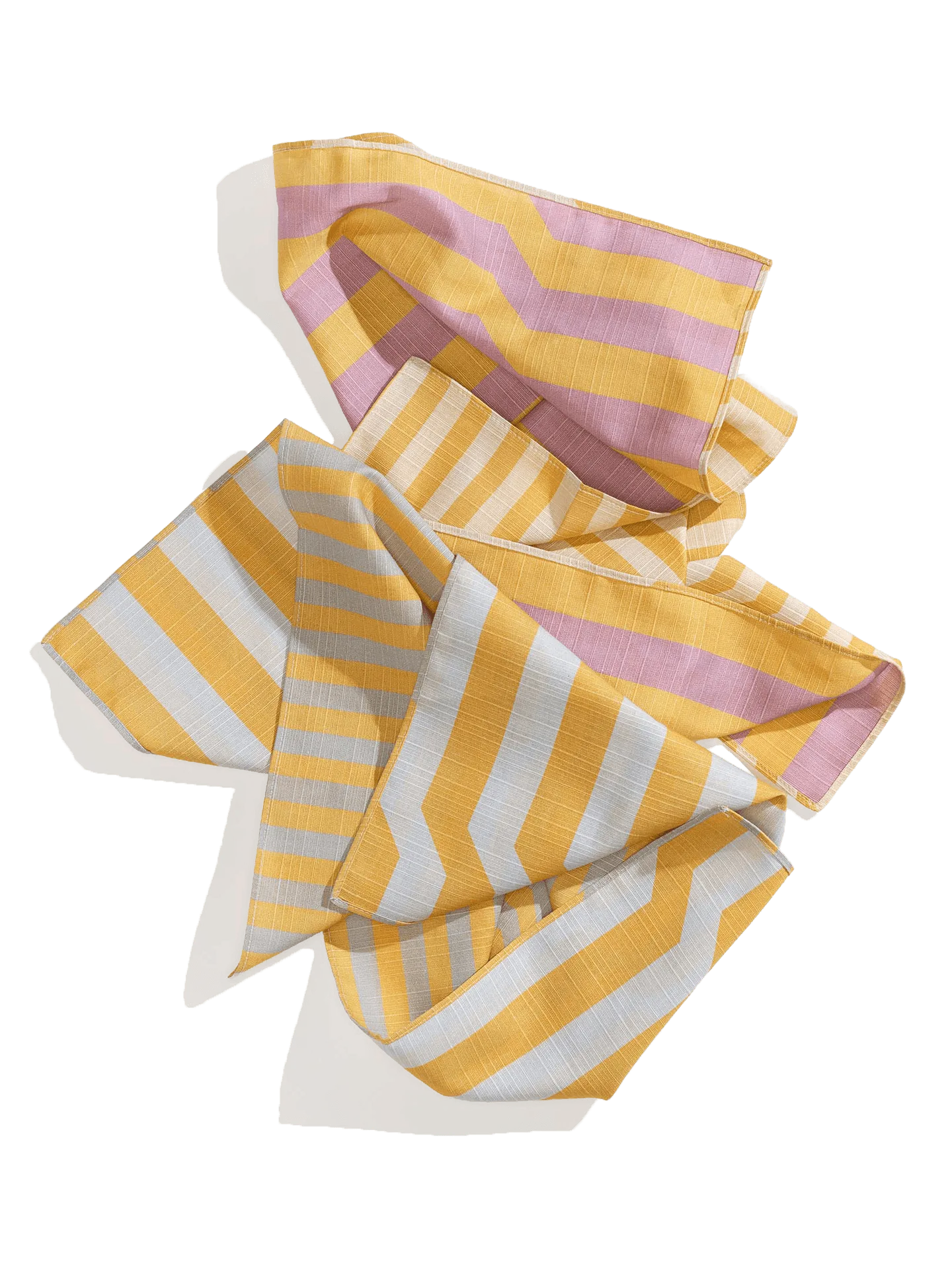
Dinner Napkins Double Sided Stripe - Quiet Season
Storing Your Table Linens
Keep Them Clean and Dry
Always store linens that are completely clean and bone dry. Any residual moisture can lead to mildew or yellowing. Fold them loosely to avoid sharp creases that can weaken the fibers over time. If you must stack multiple pieces, place acid-free tissue paper between folds to prevent color transfer and reduce pressure on the fabric.
Choose the Right Storage Space
Store your linens in a cool, dry, dark place — a linen closet or a drawer away from direct sunlight. Avoid attics, basements, or areas prone to humidity. Sunlight can cause fading, and dampness encourages mold. If you use cedar or lavender sachets to repel moths, keep them away from direct contact with the fabric, as essential oils can stain or yellow linen over time.
Fold vs. Roll
For small items like napkins, rolling is a space-saving, crease-reducing method. Roll each napkin loosely and stand them upright in a drawer or basket. For larger tablecloths and runners, fold them in thirds or quarters and store flat in a drawer or on a shelf. Avoid hanging linen tablecloths, as the weight of the fabric can cause stretching and distortion at the point of hanging.
How Often Should You Wash Linen Napkins?
It depends on use. For everyday meals, linen napkins can be reused several times if they aren't heavily soiled — simply shake them out and let them air between uses. For formal dinner parties or when serving oily or heavily colored foods (like tomato sauce or red wine), wash after each use. Linen's natural antimicrobial properties make it resistant to odor, so you can often get multiple uses out of a napkin before it needs laundering.
Caring for Specialty Linens
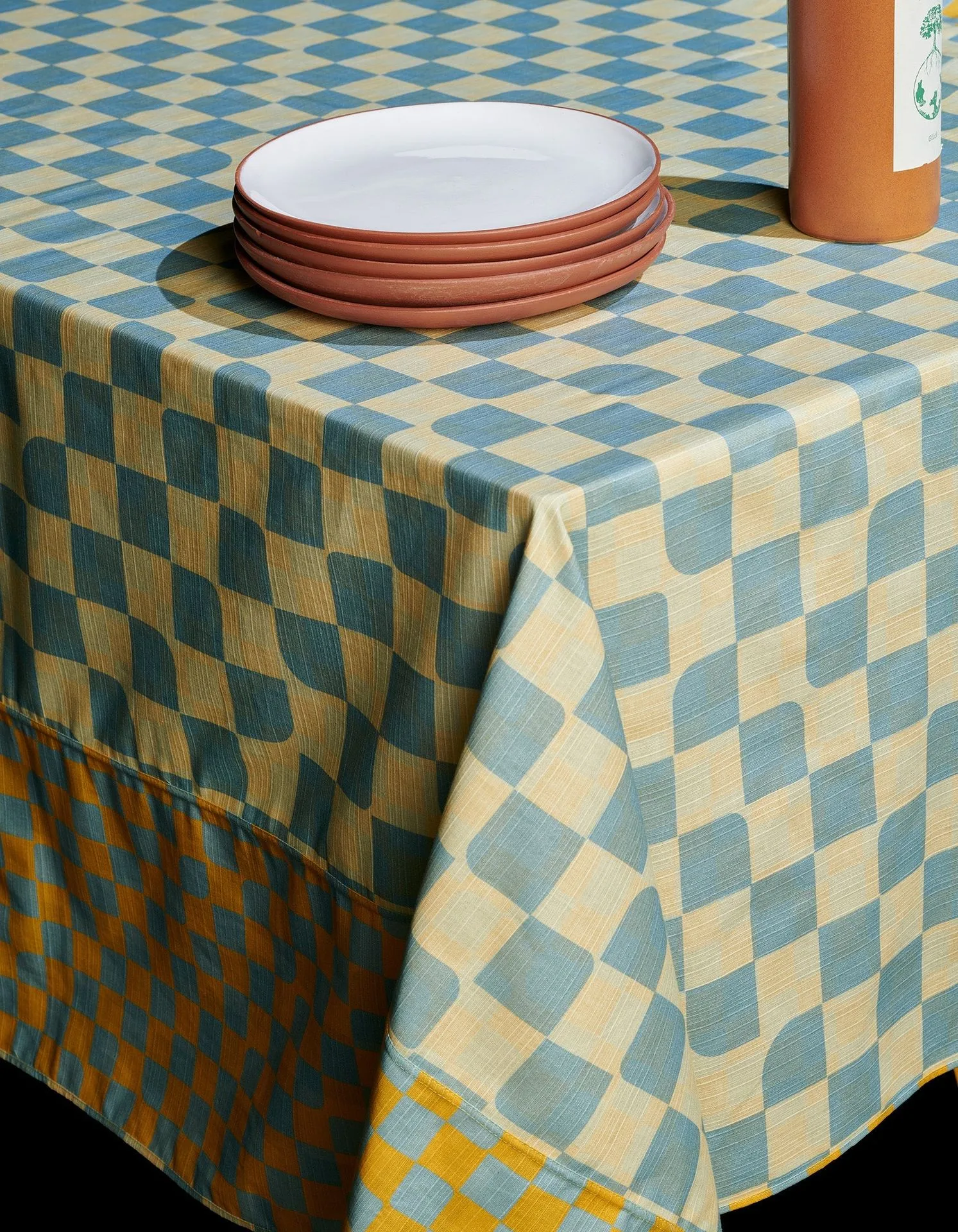
Some linen pieces come with special treatments or finishes, such as printed patterns, embroidery, or double-sided designs. For example, our Dinner Napkins Double Sided Checker - Quiet Season feature a reversible pattern that adds versatility to your table setting. To preserve the print and prevent fading, wash these linens inside out and avoid prolonged soaking. Iron on the reverse side to protect the printed surface.
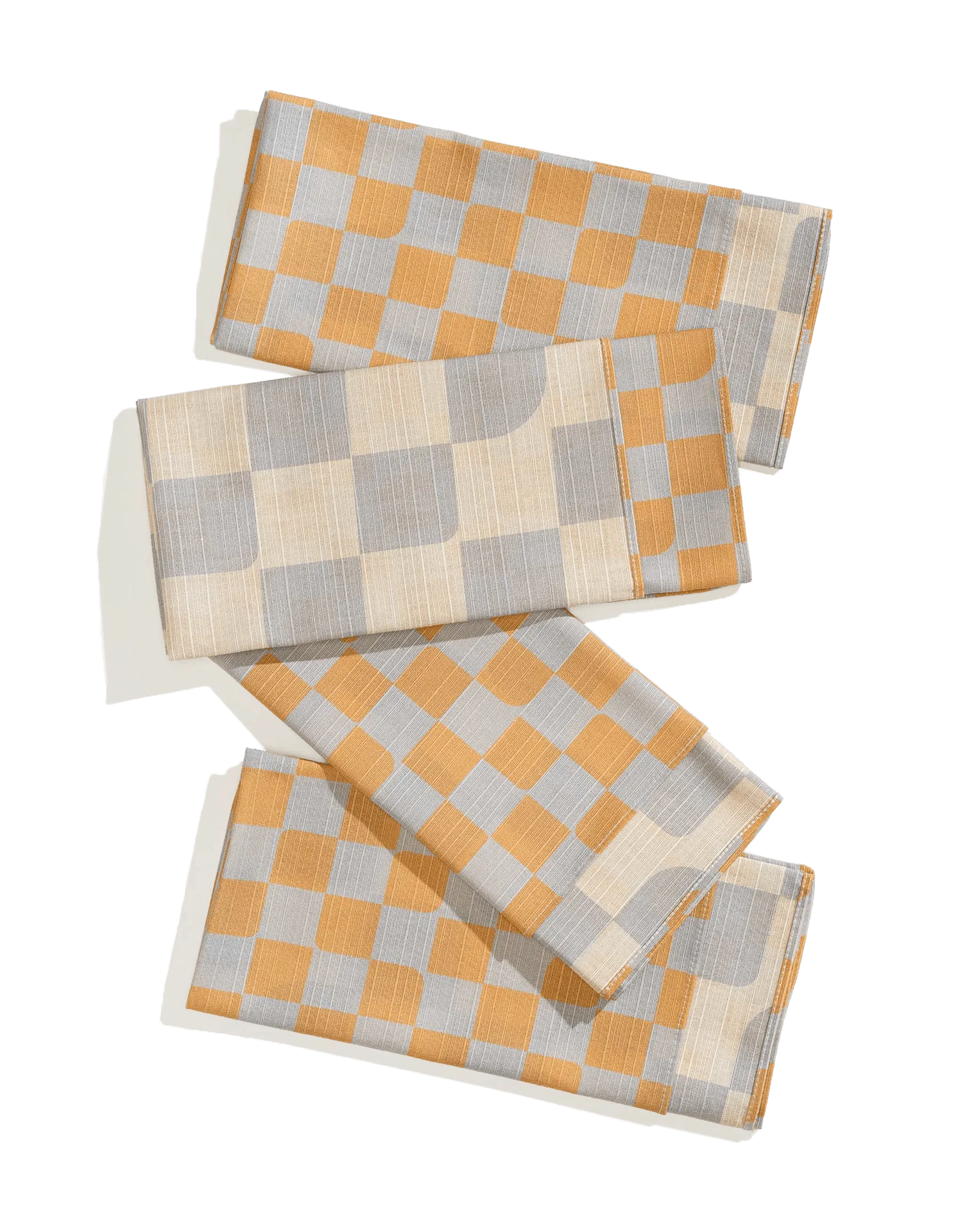
Dinner Napkins Double Sided Checker - Quiet Season
Common Linen Care Mistakes to Avoid
- Using too much detergent: Excess soap can leave a residue that attracts dirt and makes linen feel stiff. Use about half the amount you'd use for cotton.
- Skipping the rinse cycle: An extra rinse ensures all detergent is removed, keeping linens soft and residue-free.
- Overloading the washing machine: Linens need room to move freely for effective cleaning. Wash in small loads.
- Drying in direct sunlight for too long: While a bit of sun can help whiten linen, prolonged exposure weakens fibers and causes fading.
- Storing linens while still warm from ironing: Wait until they've cooled completely to avoid trapping heat and moisture in the folds.
When to Replace Your Linens
With proper care, linen table linens can last for decades. However, signs it's time for a refresh include thin spots, frayed edges, or persistent stains that won't come out. Linen that has become permanently yellowed from age or improper storage may also need to be retired. Consider repurposing old linens as dust cloths or kitchen towels — linen is wonderfully absorbent and gentle on surfaces.
Eco-Friendly Benefits of Linen Care
One of the best reasons to invest in quality linen is its sustainability. Linen is biodegradable, requires less water than cotton to produce, and when cared for thoughtfully, it lasts for years — reducing waste. By washing in cold water, air drying, and avoiding harsh chemicals, you're not only preserving your linens but also minimizing your environmental footprint. Every small choice adds up.
Final Tips for Beautiful Table Linens
Embrace the natural texture of linen — those gentle wrinkles are a sign of authenticity and comfort. For a crisp, formal look, iron your linens and store them flat. For a relaxed, everyday feel, simply shake them out and fold. Either way, your table will always look inviting. Pair your linens with complementary dinnerware and flatware to complete the scene. For instance, our French Country Cutlery adds a rustic elegance that pairs beautifully with soft linen napkins.
Ready to refresh your table linens or start a collection? Explore our curated selection of Dinner Napkins Double Sided Stripe - Quiet Season and discover how easy it is to elevate your dining experience with natural, sustainable linen. Your table — and the planet — will thank you.