Quick Answer
A sleep mask wins on total light blocking because it wraps the face and stays put when you roll over. A linen eye pillow wins on breathability, gentle weighted pressure, and multi-use: it works for meditation, screen breaks, and rest, not just sleep. If your main goal is blackout sleep, choose a contoured sleep mask. If you want a breathable, unscented tool for winding down and seated practice, choose the linen eye pillow.
How Each One Blocks Light
A sleep mask blocks light by sealing against the face with a strap or contoured cups. That seal is what makes it effective in a bright room, but it also means fit matters more: a gap at the nose bridge or cheek lets light in, and a tight strap can press on the eyes or ears.
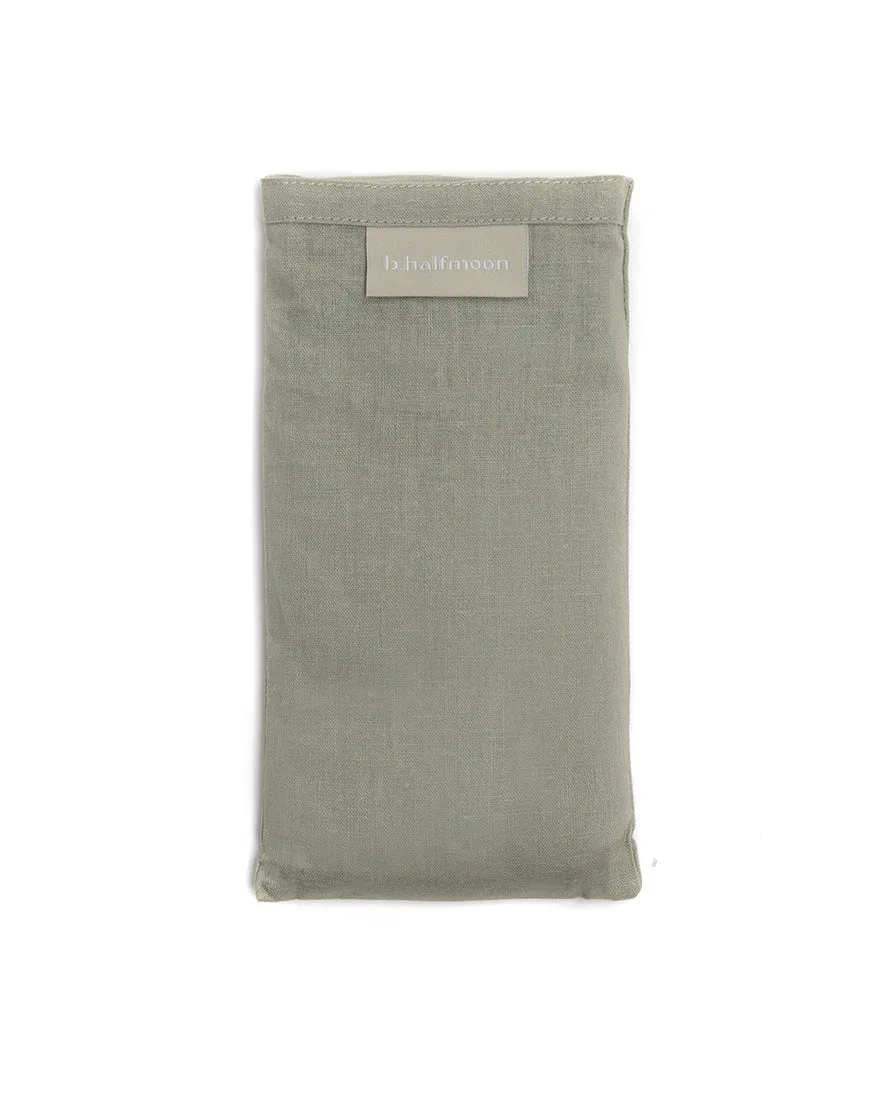
A linen eye pillow blocks light by resting its weight over the eyes rather than strapping on. The linen eye pillow (unscented) is oversized to keep out distractions and light, and it is filled with wheatberries to add a subtle weight. That weight helps it settle into the eye area, but because it is not attached to your head, it can shift if you move a lot in your sleep.
Weight, Pressure, and Breathability
The wheatberry fill gives the eye pillow a gentle, distributed pressure that many people find calming during meditation or before sleep. The linen cover is made of natural fibers from the stalk of a flax plant, so it is durable, hypoallergenic, and breathable. That breathability matters if you run warm or wear the pillow for longer sessions.
Most sleep masks use foam, synthetic fabric, or molded cups. They can block more light, but they trap heat and can feel clammy over a full night. If you overheat easily, a breathable linen eye pillow may be more comfortable even if it blocks slightly less light.
Fit and Positioning
Sleep masks depend on a strap and a shaped seal. They stay in place when you turn, which is why they are the better pick for side sleepers and people who share a bed with a light on. The trade-off is pressure: straps can leave marks, tangle in hair, and need readjusting if they stretch.
An eye pillow stays in place by weight and surface contact. It works best lying on your back or sitting upright, which makes it a natural fit for savasana, meditation, and short rests. If you sleep on your side, expect to reposition it during the night.
Where a Zabuton Fits In
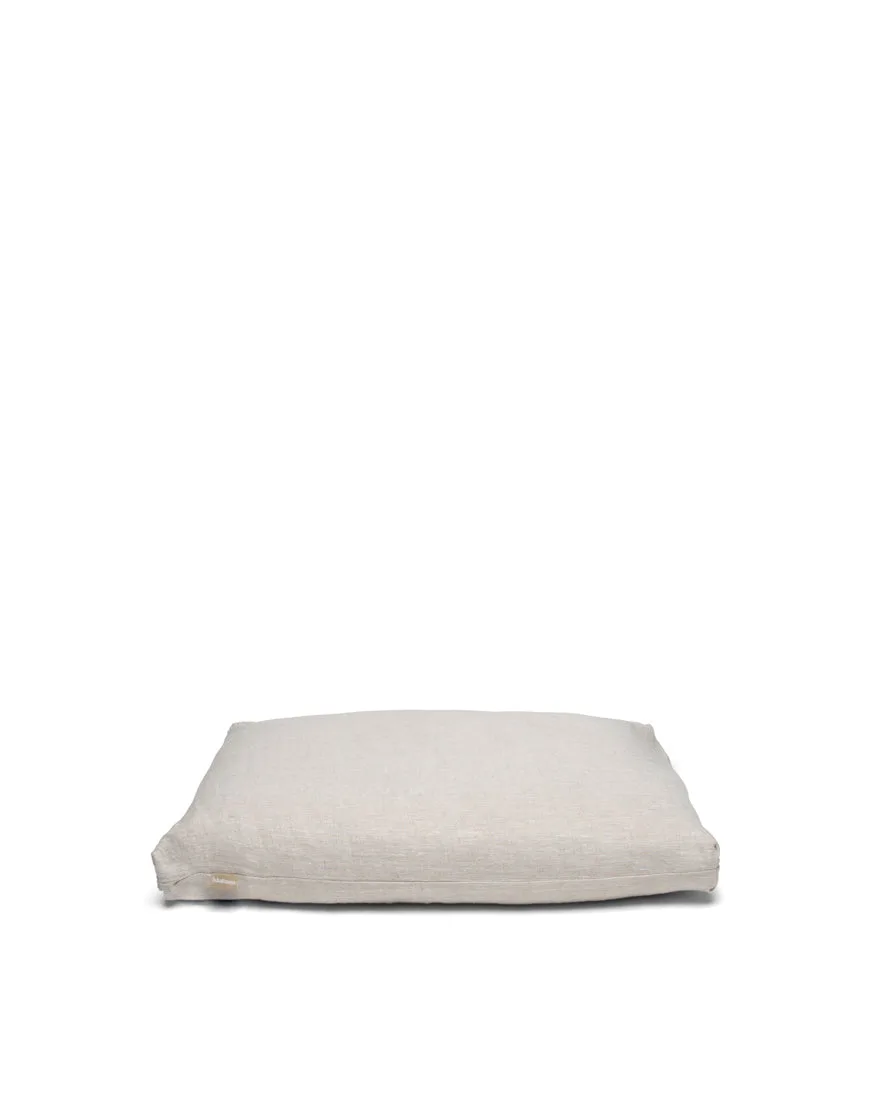
If you use an eye pillow for seated meditation, the surface underneath you changes the experience. The linen zabuton cushion is designed as a soft platform to elevate you off the floor and cushion your seat, legs, and feet. It can be used on its own or with a meditation cushion to cradle the ankles and feet as you sit cross-legged.
That matters for light blocking only indirectly: when your seat and legs are comfortable, you fidget less, and an eye pillow stays where you placed it. If discomfort is what breaks your stillness, fix the seat first, then the eyes.
Trade-Offs at a Glance
- Light blocking: A sleep mask seals against the face and blocks more total light, especially in bright rooms. A linen eye pillow rests over the eyes and blocks most light, but gaps can appear at the nose and cheeks. Choose the mask for blackout sleep; choose the eye pillow for dimming and calming.
- Stability in bed: A mask stays on when you roll over. An eye pillow stays put best when you lie on your back or sit upright, and may need repositioning if you move a lot. Side sleepers and restless sleepers usually do better with a mask.
- Breathability and heat: Linen is breathable and hypoallergenic, so the eye pillow stays cooler over longer sessions. Foam and synthetic mask materials can trap heat and feel clammy overnight. If you overheat easily, the linen eye pillow is the more comfortable option.
- Pressure and feel: The wheatberry fill adds a subtle, distributed weight that many people find soothing for meditation and wind-down. A mask applies pressure mainly at the strap and seal points. Prefer gentle weight over a strap? Choose the eye pillow.
- Multi-use: An eye pillow works for meditation, screen breaks, and rest, not just sleep. A mask is built for one job: blocking light while you sleep. For seated practice and short rests, the eye pillow earns its place.
Product Facts
- linen eye pillow (unscented): Oversized linen eye pillow filled with wheatberries for subtle weight; linen cover is durable, hypoallergenic, and breathable; unscented. The oversized shape and wheatberry weight help it rest over the eyes without a strap, while the breathable linen cover stays comfortable during meditation, screen breaks, and pre-sleep wind-down.
- linen zabuton cushion: Linen zabuton cushion designed as a soft platform to elevate you off the floor and cushion your seat, legs, and feet; can be used alone or with a meditation cushion. A stable, cushioned seat reduces fidgeting during seated practice, which helps an eye pillow stay in place and makes it easier to keep your eyes covered.
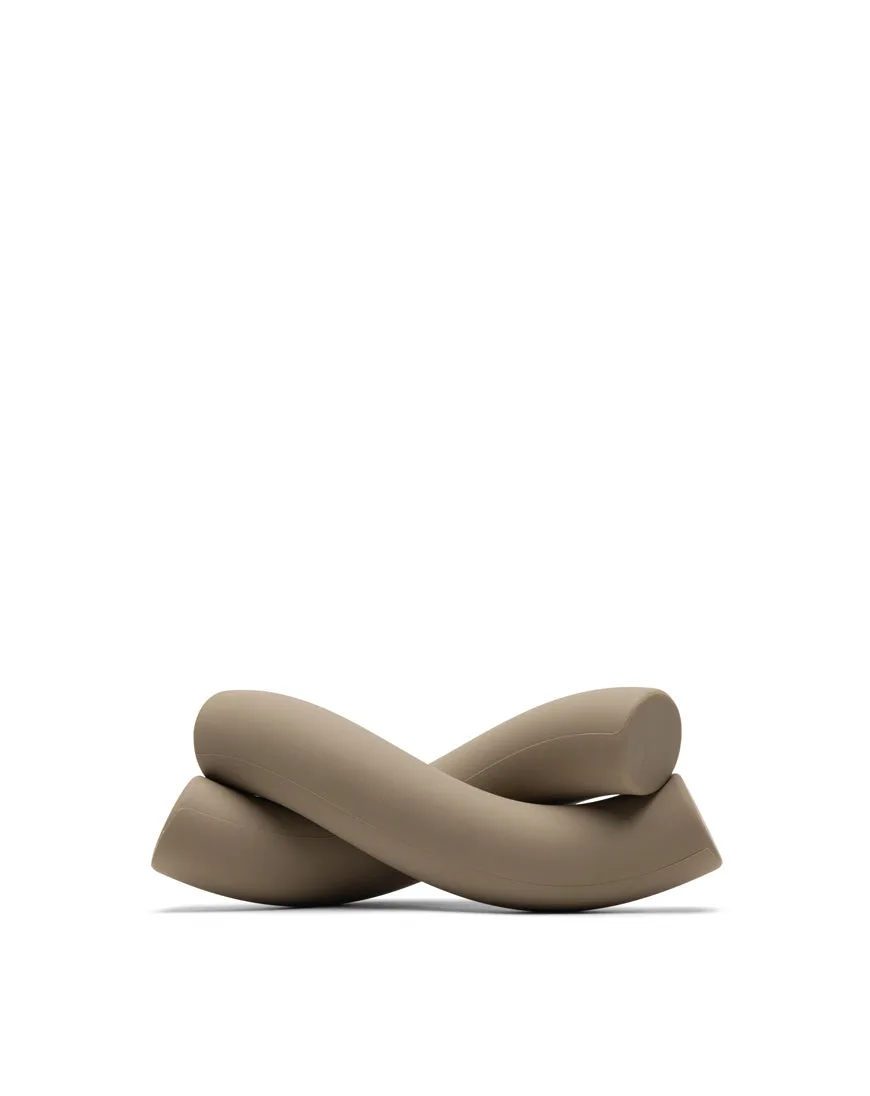
- helix weights 3lb: Helix weights 3lb are a dual-purpose set with a shape designed to fit the curves of your hand, covered in smooth silicone for a secure grip. If you pair eye-closed rest with gentle movement, these light hand weights support high-rep toning without overwhelming the body.
Which Should You Choose?
Best for
- People who want maximum light blocking for sleep, including side sleepers and shift workers
- Anyone who shares a bed with a light on or sleeps in a bright room
- Travelers who need a compact, packable blackout option
Not for
- People who dislike straps or pressure on the face and head
- Anyone who runs warm and finds foam or synthetic masks clammy
- Meditators who want a weighted, breathable tool for seated practice rather than sleep