Quick answer
Choose linen when you want natural texture, breathability, and a soft, quiet surface in low-moisture rooms like a bedroom or living area. Choose plastic when the rug will face spills, pets, wet feet, or heavy traffic, because a woven plastic rug can be rinsed and wiped instead of dry-cleaned. If your space is somewhere in between, a tightly woven plastic rug in a calm pattern gives you the look of a textile with the cleaning behavior of a utility surface.
How the two materials actually behave
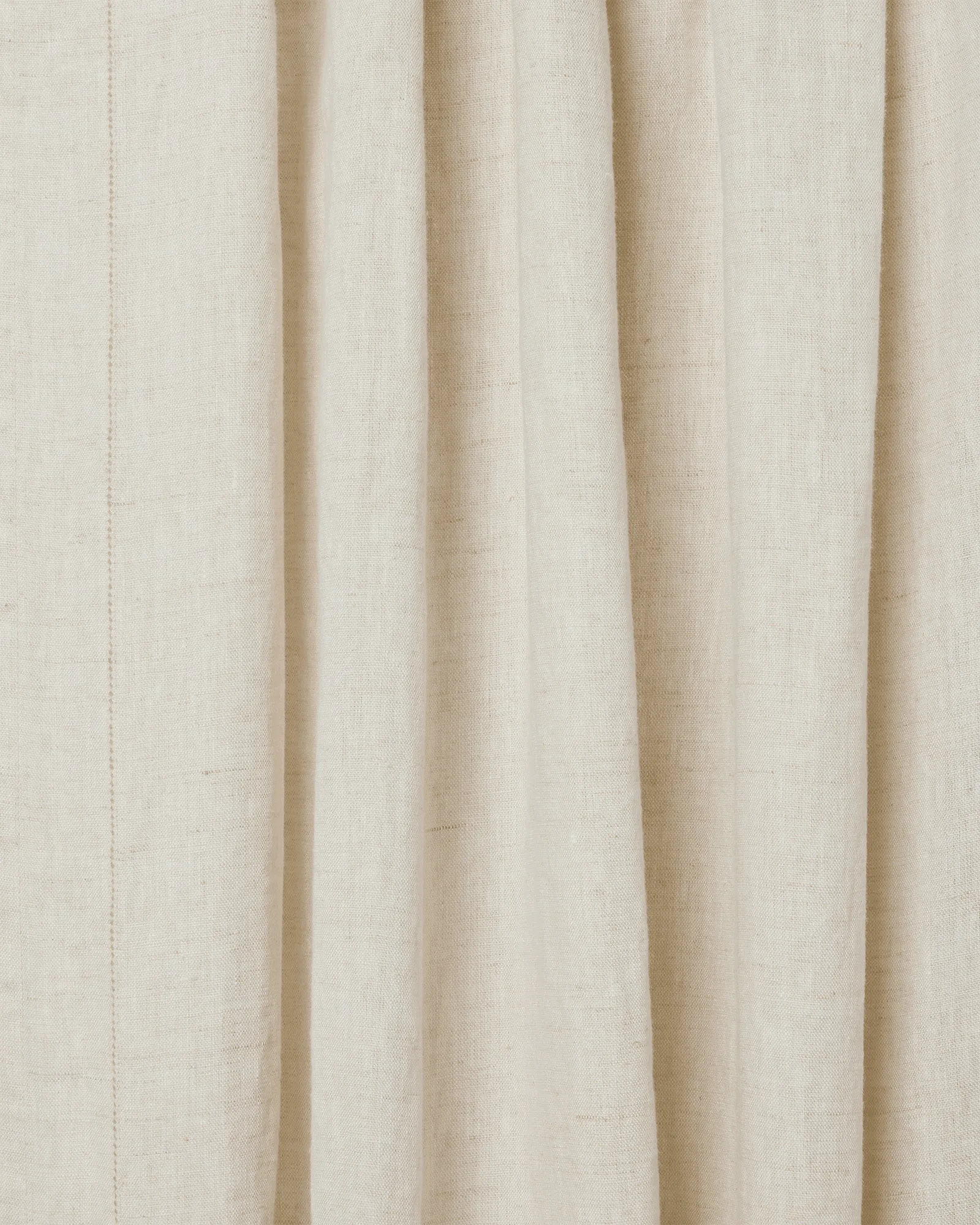
Linen is a natural plant fiber. It feels cool and dry to the touch, develops a relaxed slub texture over time, and tends to crease rather than spring back. It is not naturally water-repellent, so a spilled drink spreads unless you blot quickly, and most linen rugs are spot-clean only or require professional cleaning. Sun exposure will gradually fade the color.
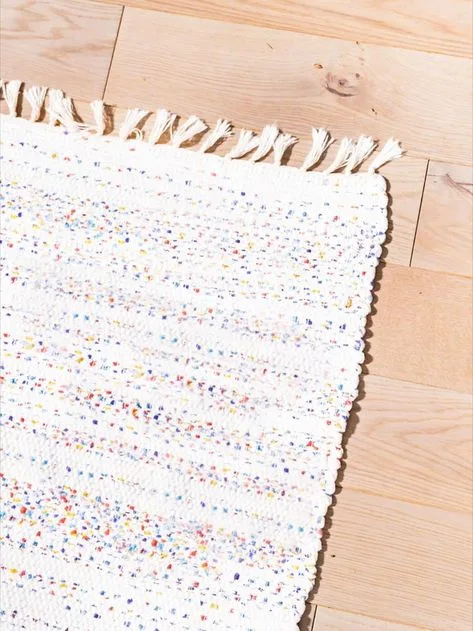
Woven plastic rugs are built from synthetic strands woven on traditional looms. That construction is what makes them useful in entryways, kitchens, bathrooms, and covered outdoor areas: moisture sits on the surface instead of soaking in, and a damp cloth handles most messes. The trade-off is feel. A plastic rug is firmer underfoot than linen, and it does not have the same breathable, natural quality.
Cleaning and daily upkeep compared
For linen, vacuum on low suction without a beater bar, rotate the rug every few months so wear stays even, and treat spills immediately with a clean, dry cloth. Never machine wash a linen rug unless the care label explicitly permits it. For plastic, shake or vacuum off grit, then wipe with mild soap and water; a rug with welded edges resists fraying at the border, which matters if you clean it often. Both materials benefit from a rug pad, but for different reasons: linen needs grip and cushioning, plastic needs protection against abrasion on hard floors.
Where each material earns its place
Put linen in a bedroom, a low-traffic living room, or a reading corner where bare feet and quiet matter more than stain resistance. Put plastic in a hallway, mudroom, kitchen, bathroom, or covered patio where the rug will meet shoes, water, and pet bowls. In a home office, either can work: linen softens sound and looks warmer on video calls, while plastic survives a rolling chair and a dropped coffee. If a room is humid year-round, plastic is the lower-risk choice because linen can hold dampness and odor.
What it costs to own each one
Linen usually costs less up front than a large woven plastic rug, but the ownership math can flip. Linen may need professional cleaning, and it wears faster in high-traffic spots, so replacement comes sooner. Plastic rugs carry a higher purchase price, yet they typically last longer in busy areas and need no specialist cleaning. That makes plastic the better value in rooms that get used hard every day, and linen the better value in rooms where the rug is mostly seen and rarely stressed.
Trade-offs to weigh before you buy
- Comfort vs cleanability: Linen gives you a soft, breathable surface that feels good underfoot but stains and creases. Plastic wipes clean and resists moisture but feels firmer. Pick based on which problem you would rather live with.
- Upfront price vs long-term cost: Linen is often cheaper to buy but may need professional cleaning and earlier replacement in busy rooms. Plastic costs more initially and typically lasts longer under heavy use. In a high-traffic room, the higher price can be the cheaper choice.
- Natural look vs graphic design: Linen offers quiet, organic texture that hides small marks. Plastic rugs often lean into bold pattern and color, which hides stains but makes a stronger visual statement. Match the rug's visual weight to how much attention the room can carry.
Pappelina plastic rugs worth comparing
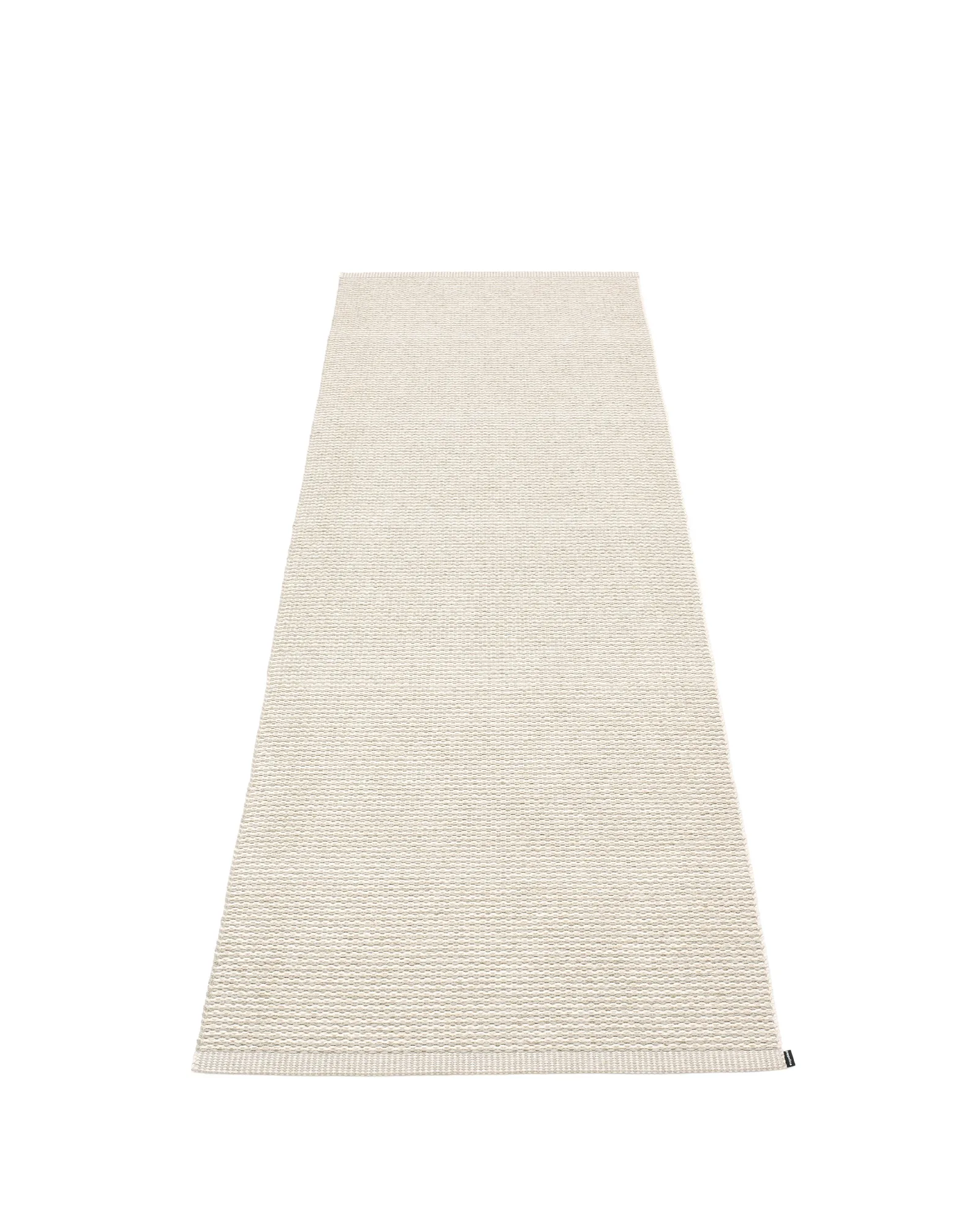
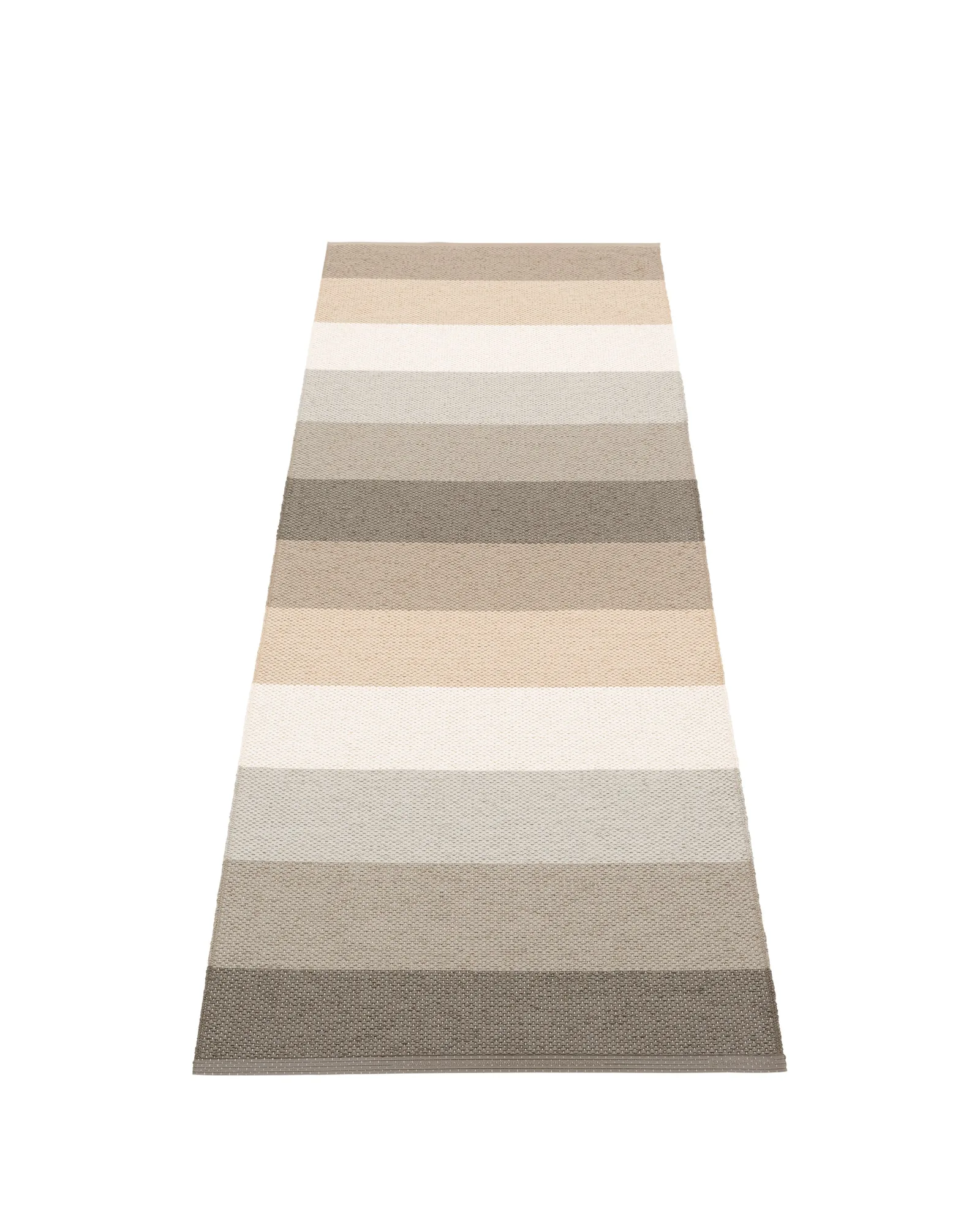
- MONO Linen - Runner Rug: MONO is defined by simplicity and refined design, with a monochrome palette and contrasting double-folded hemmed edges. Its slightly softer weave provides a pleasant, cushioned feel to walk on. If you want the easy cleaning of plastic without a hard, utilitarian feel, this is the closest bridge between the two materials.
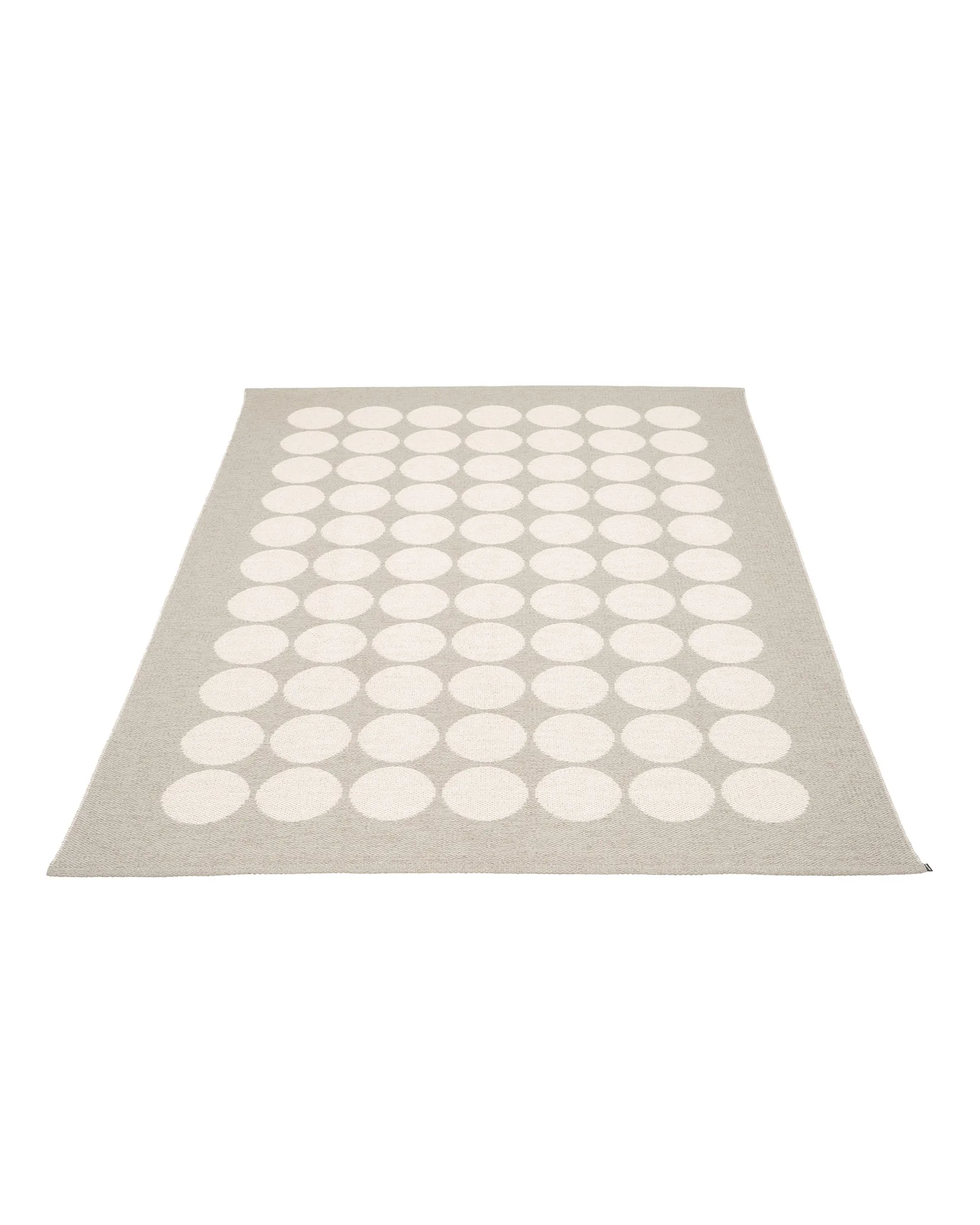
- HUGO Linen: HUGO is defined by a bold dot pattern arranged in an even, repeating layout. It is reversible, with mirrored colors on the reverse, and finished with welded edges and a tightly woven construction. A reversible rug doubles your styling options and lets you flip the rug when one side sees more wear.
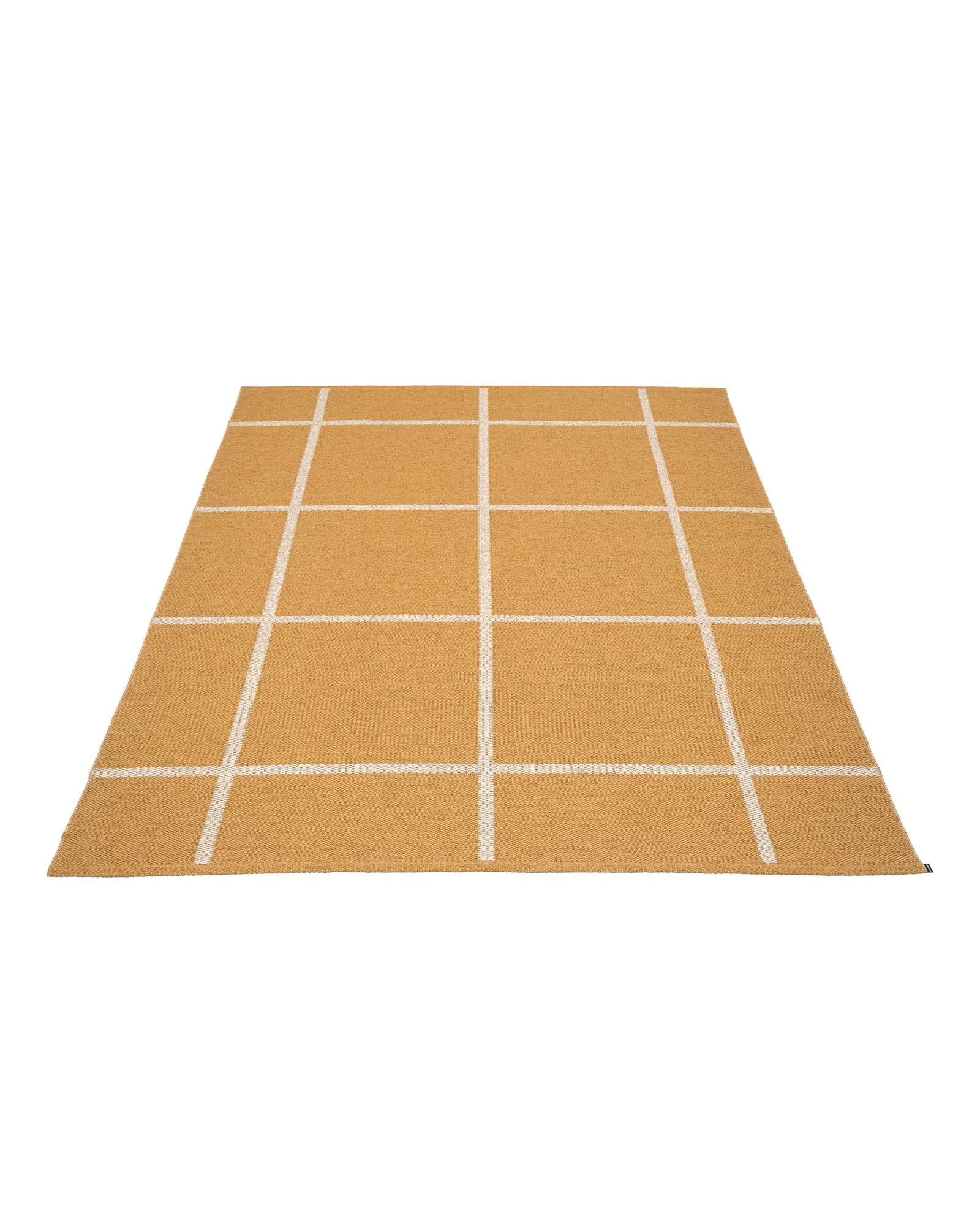
- ADA Ochre - Area Rug: ADA is defined by a clean grid pattern where evenly spaced lines intersect to create a composed, structured surface. The reversible construction offers two harmonious expressions in one rug, while welded edges ensure a strong, defined finish. A structured grid reads as intentional design rather than utility, which helps a plastic rug hold its own in a styled living room.
Which material fits your room?
Best for linen
- Bedrooms and low-traffic living rooms where softness and quiet matter
- Anyone who prefers natural fibers and accepts spot-cleaning only
- Rooms with stable humidity and little direct sun
Best for plastic
- Entryways, kitchens, bathrooms, and covered outdoor areas that see water and shoes
- Homes with pets or young children where spills are routine
- High-traffic rooms where you want to wipe rather than dry-clean