Quick answer
You can machine wash bras, but not without protection. The real lingerie care myths are the shortcuts that skip a mesh bag, use hot water, or ignore the specific construction of padded and underwire styles. Treat every piece according to its fabric and hardware, and most of your delicates will last far longer.
Lingerie care advice spreads fast, and a lot of it is wrong. Some myths convince you that hand washing is always required, while others suggest the washing machine is harmless if you use the gentle cycle. Both extremes ignore how your bra and underwear are actually built.
This guide separates bra washing myths from underwear care myths using the construction details that matter: lace, mesh, foam padding, and wire. No scare tactics, just clear verdicts so you can stop guessing and start protecting your favorite pieces.
Myth: You can never machine wash bras
Verdict: False. You can machine wash bras, but the risk comes from agitation and heat, not the machine itself. A mesh lingerie bag keeps straps from tangling and hooks from snagging other garments. Use cold water and a gentle cycle, then air dry. This approach works for everyday styles and even lace pieces when they are bagged.
The myth survives because people skip the bag and blame the machine. If you wash a padded bra loose with towels, the foam can crease and the wire can bend. That is a handling problem, not proof that machine washing is forbidden.
- Always close hook-and-eye closures before washing to prevent snags.
- Use a mesh bag sized for delicates, not an oversized pillowcase.
- Skip the dryer entirely; heat is the fastest way to break down elastane.
Myth: All lace must be hand washed
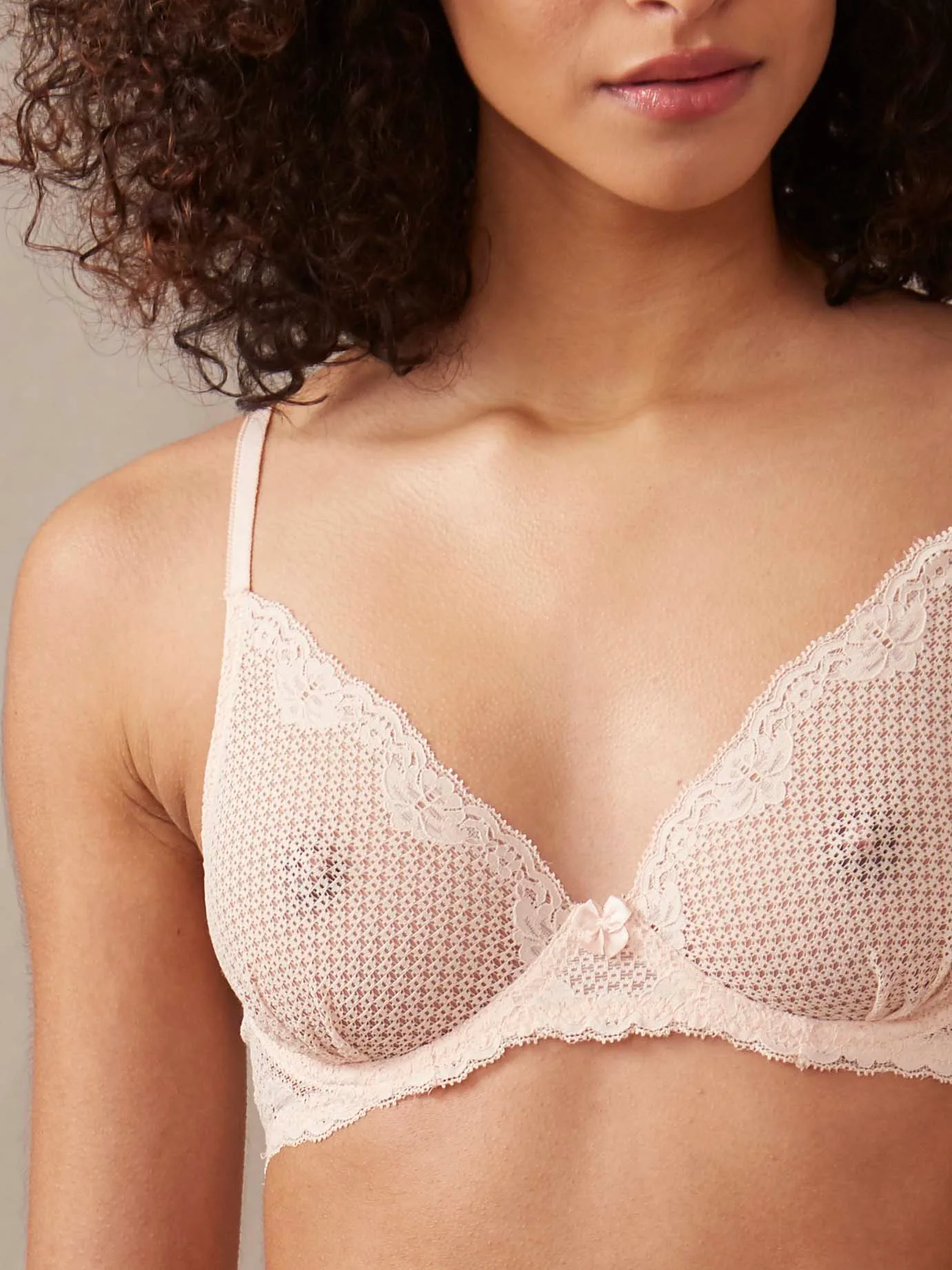
Verdict: Only if the lace is fragile or trimmed with delicate scalloped edges. Soft crochet lace, like the kind used in Timpa's Alice collection, is stretchy and resilient. It still deserves cold water and a bag, but it does not require a sink full of soap every time. The structure around the lace, such as seams and wire casing, is often more vulnerable than the lace itself.
If a lace piece has a scalloped trim, turn it inside out before bagging. That keeps the trim from rubbing against zippers or hooks from other clothes. Hand washing is a safe fallback, but it is not a universal rule.
- Turn lace garments inside out to protect raised trims.
- Wash lace with similar colors only; dye transfer is harder to fix than stretching.
- Lay flat to dry so wet lace does not stretch under its own weight.
Myth: Underwire bras always poke through after washing
Verdict: Misleading. A wire pokes through when the casing is worn or the bra is twisted in the wash. The wire itself is not the problem. If you bag the bra, fasten the hooks, and avoid wringing, the casing stays intact much longer. When a wire does escape, it usually means the bra has reached the end of its useful life, not that washing caused it.
Check the wire casing after every few washes. If you feel the tip pressing near the fabric edge, retire the bra before it damages your clothes. This is one of the few bra care facts that applies to every underwire style, from plunge to demi.
- Never wring or twist an underwire bra to remove water.
- Press water out with a towel instead of squeezing the cups.
- Rotate your bras so no single wire style gets washed too often.
Myth: Padded bras need special detergent
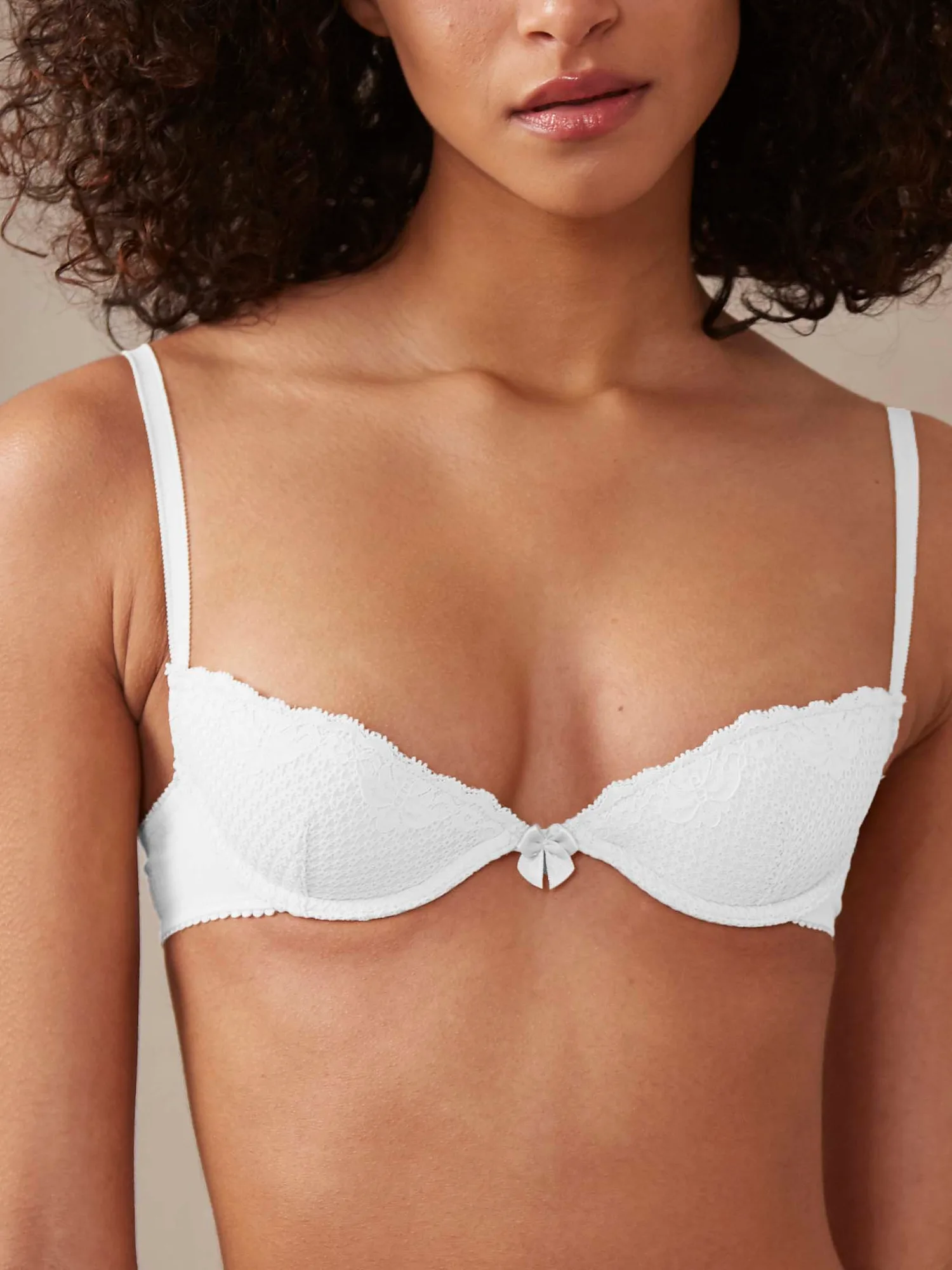
Verdict: Not true for the padding itself. Foam padding is damaged by heat and rough handling, not by regular gentle detergent. What matters is that you do not scrub the foam or expose it to hot water. A padded bra like the Alice Padded Bra uses light foam to create a smooth, rounded shape, and that foam stays smooth when you treat it gently.
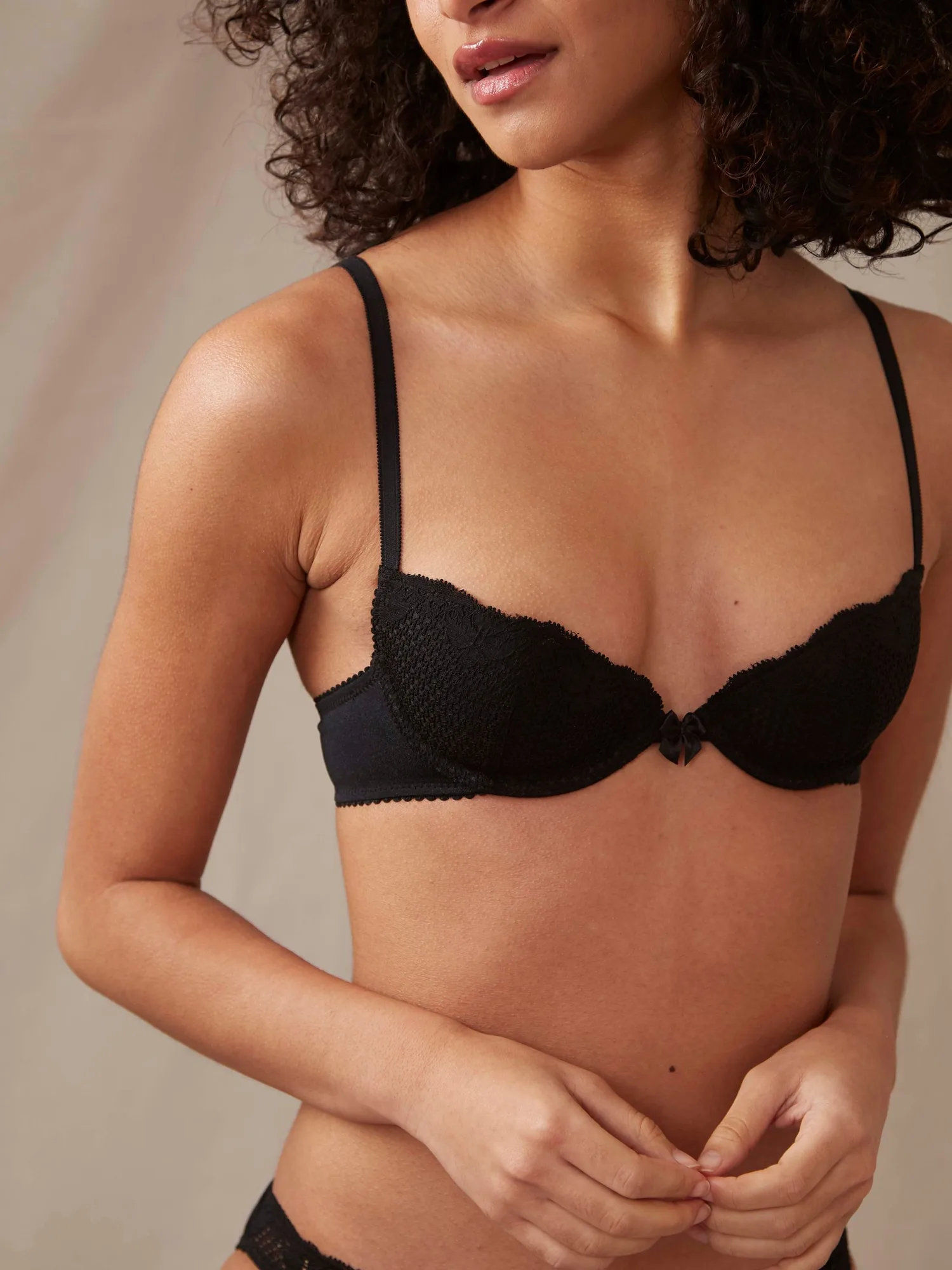
Alice Padded Bra
The real risk is the dryer. Heat can shrink or wrinkle the foam layer, and once it creases, the cup shape changes. Air drying flat or hanging by the center gore keeps the padding smooth without any specialty products.
- Use the same gentle detergent you use for other delicates.
- Do not soak padded bras for hours; prolonged soaking can soften adhesives.
- Reshape cups by hand before laying flat to dry.
Myth: Underwear care is the same as bra care
Verdict: Partly false. Underwear has different stress points. Waistbands and leg openings stretch every time you wear them, so heat and rough drying wear them out faster than they wear out a bra. Cotton gussets also need thorough rinsing. Wash underwear in cold water and avoid the dryer to keep elastic from going slack.
For lace-back styles, like a Brazilian cut with a scalloped trim, the lace panel needs the same bag protection as a lace bra. The front microfiber panel is more forgiving, but the overall piece still benefits from gentle handling.
- Rinse the gusset promptly after wearing to prevent residue buildup.
- Wash underwear separately from heavy items like jeans.
- Hang or lay flat to dry; never tumble dry elastic waistbands.
Verdicts on common lingerie care claims
- Can you machine wash bras?: Yes, if you use a mesh bag, cold water, and a gentle cycle. The machine is not the enemy; loose agitation and heat are. Verdict: True with protection.
- Hand washing is always better: Hand washing is safer for fragile trims and heavily structured styles, but well-made lace and everyday bras survive a bagged machine wash. Verdict: False as a blanket rule.
- Padded bras need special detergent: Foam padding is damaged by heat and rough handling, not by regular gentle detergent. Air dry flat and reshape by hand. Verdict: False.
- Underwear care is the same as bra care: Underwear elastic is stressed every wear. Cold water and air drying matter even more for waistbands and leg openings. Verdict: Partly false.
How Timpa construction shapes care
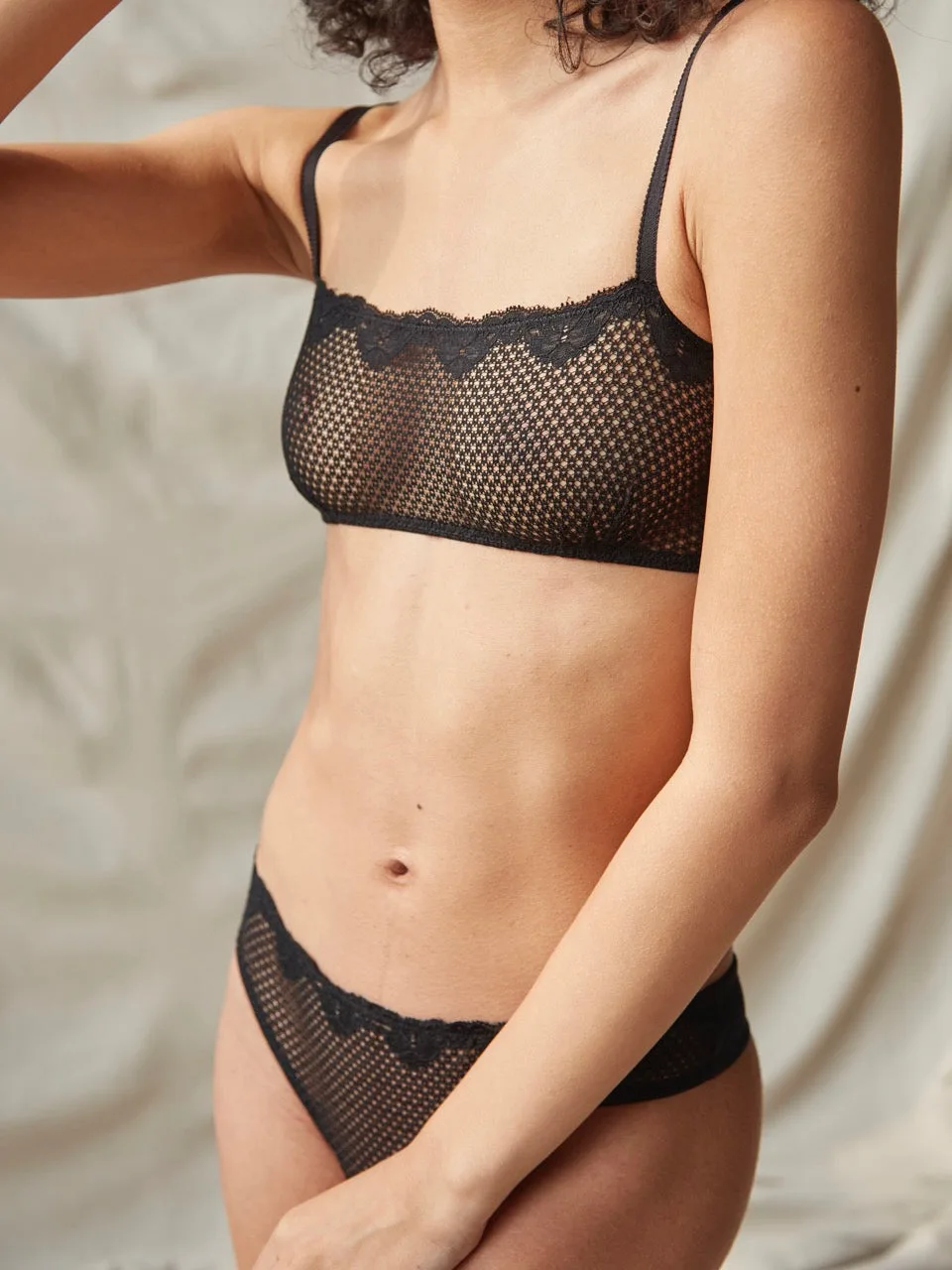
- Alice Bandeau bra: Wire-free design with fully adjustable, sewn-on straps and unlined soft stretch lace. Without a wire, the main care priority is protecting the lace and straps. Bag it, use cold water, and lay flat so the bandeau keeps its straight-across shape.
- Alice Plunge Bra: Deep V silhouette in seamless crochet lace, engineered to center the bust. The seamless lace is resilient, but the plunge shape relies on the cup structure. Avoid twisting or wringing so the centering effect stays intact.
- Alice Padded Bra - Sale: Half-cup style with light foam padding and crochet lace overlay, designed for A-C cups. Foam padding is the part most sensitive to heat. Skip the dryer and reshape the cups by hand before drying flat to prevent creasing.
- Alice Brazilian: Low-rise cheeky Brazilian with a soft crochet lace back panel and opaque stretch microfiber front. Runs small, size up. The lace back needs bag protection, and the microfiber front tolerates gentle washing. Because it runs small, size up so the elastic is not overstretched during wear or washing.
Most lingerie care myths come from skipping one protective step, not from a real rule about fabric. Bag your bras, skip the dryer, and treat padding and elastic with a little patience. Your Timpa pieces will keep their shape and fit far longer.